Processionary caterpillars: an urticating pest classified as a health hazard

L'équipe AntinuisiblePro · Published on July 9, 2026 · 3 min read
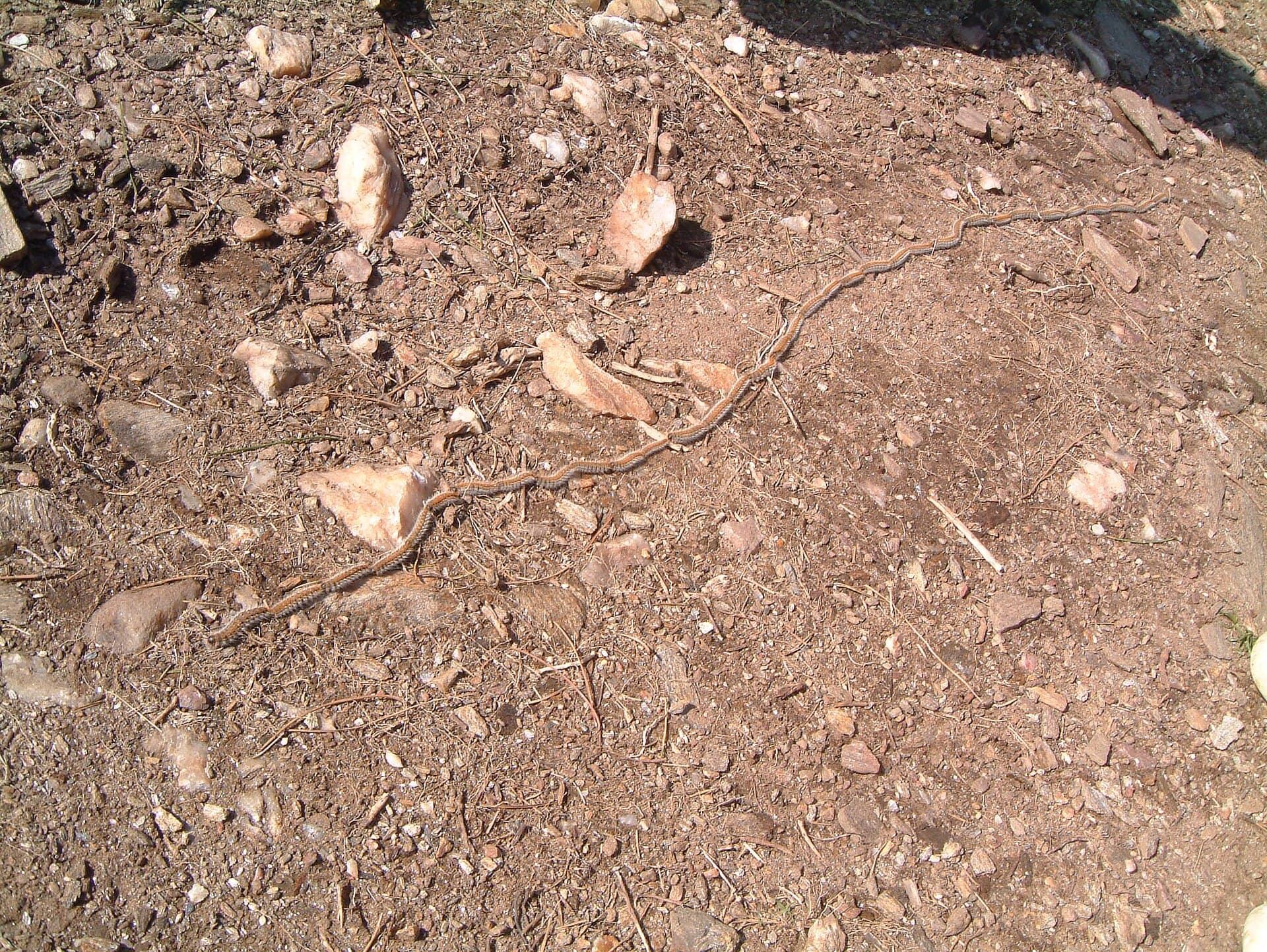
Line of pine processionary caterpillars moving in procession on the ground

Every year, as the warm days return, processionary caterpillars leave their nests to form their characteristic long lines. Behind this spectacle lies a real danger: since decree no. 2022-686 of 25 April 2022, pine and oak processionary caterpillars have been officially listed among the species whose proliferation is harmful to human health. Driven by ever milder winters, they gain ground towards the north of France every year.

Why processionary caterpillars are dangerous

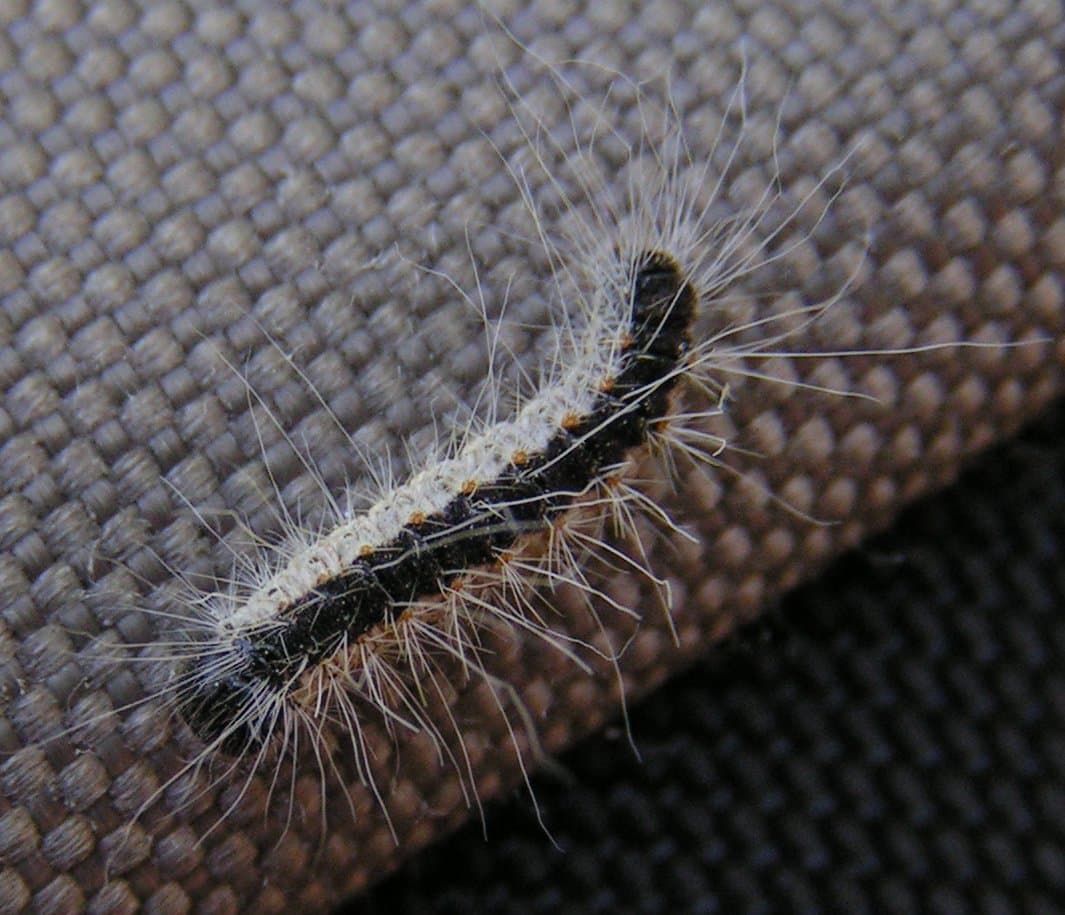
The danger does not come from a bite, but from the microscopic urticating hairs the caterpillar releases as soon as it feels threatened. These hairs contain a protein, thaumetopoein, which is extremely irritating. Volatile, they spread with the wind and can cause, without even touching the caterpillar:

  • itching and severe skin rashes;
  • conjunctivitis and eye irritation;
  • breathing difficulty, coughing or attacks in sensitive people;
  • allergic reactions that may require medical attention.

The risk is major for pets. A dog that sniffs or licks a caterpillar can suffer necrosis of the tongue and, without prompt care, die from it. If contact occurs, do not rub the area, rinse abundantly with water and consult a doctor or vet.
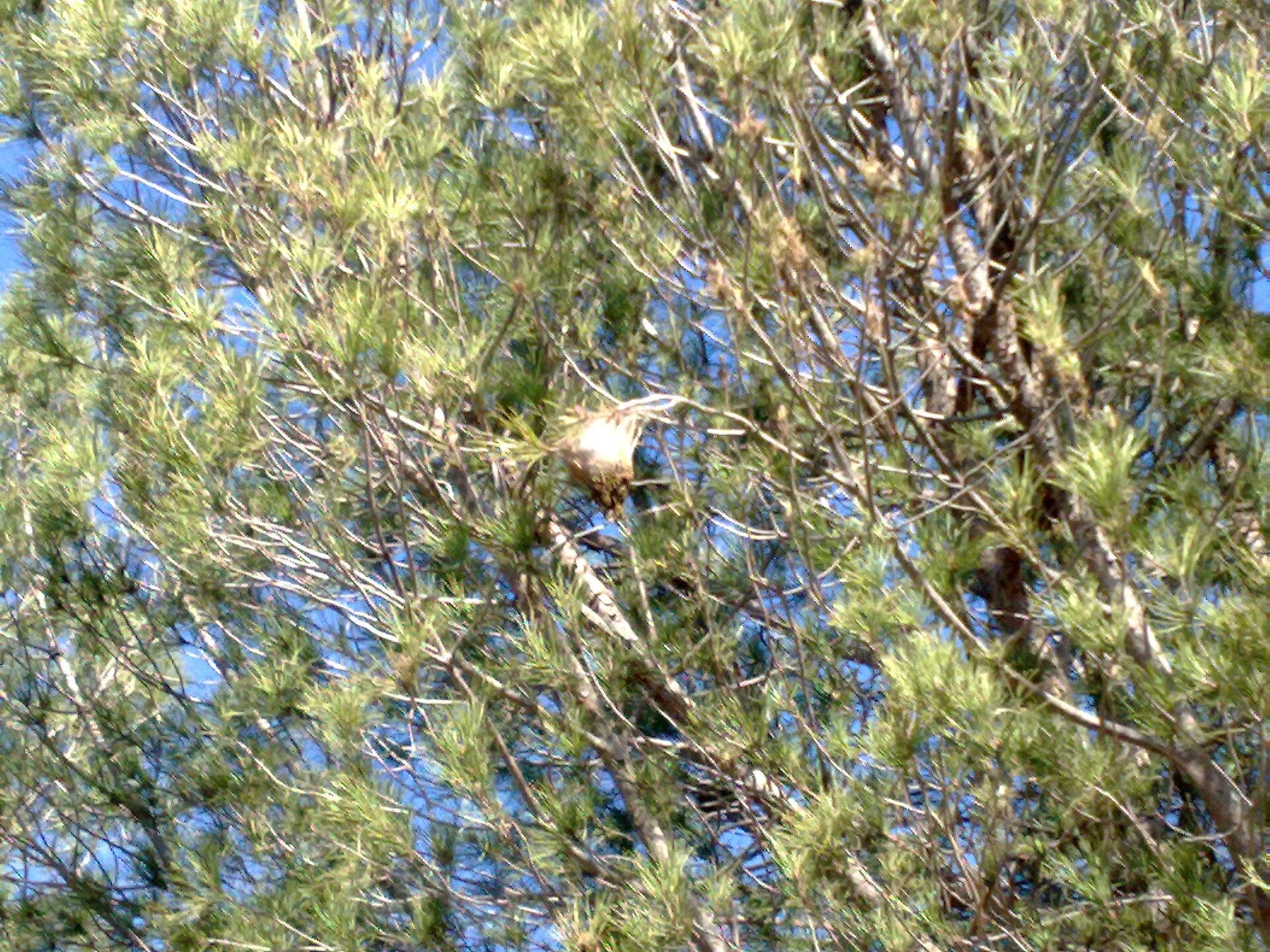
White cottony processionary caterpillar nest hanging from a pine branch

Pine or oak: how to tell them apart

The pine processionary weaves white cottony nests that are clearly visible at the tips of pine and cedar branches. In late winter and spring, the caterpillars come down in a procession, single file, to bury themselves in the soil. The oak processionary stays on the trunk and large branches of oaks, where it forms nests pressed against the bark. Its activity generally runs from April to July, the period when the risk of exposure is highest.
A worrying spread

Long confined to the Mediterranean basin, pine processionaries now reach as far as Brittany, the Paris region and Normandy. Faced with this expansion, many prefectures issued prefectural orders in 2024 and 2025 imposing management measures to limit public exposure. Reporting nests to official platforms helps map the pest's advance and target treatments.

How to protect yourself for the long term

Removing nests should not be improvised: tackling it yourself risks scattering thousands of urticating hairs. Several solutions exist depending on the season:

  1. Nest removal (échenillage): mechanical removal of nests by an equipped professional, in autumn and winter.
  2. The collar trap (écopiège): fitted around the trunk, it captures caterpillars as they descend in procession.
  3. Pheromone traps: installed in summer, they capture male moths and reduce the egg-laying of the next generation.
  4. Biological control: encourage tits with nest boxes, natural predators of the caterpillars.

Given the health risk, it is best to entrust diagnosis and treatment to experts. Discover our pest control services and our protection products suited to your garden and trees.

Spotted a nest on your pines or oaks? Contact our experts for a free diagnosis and a safe intervention before the procession begins.

processionary caterpillarspreventionhealthgarden

A pest problem?

Our experts act fast and for good. Request a free assessment.

Request a free quoteOur services

Back to the blog