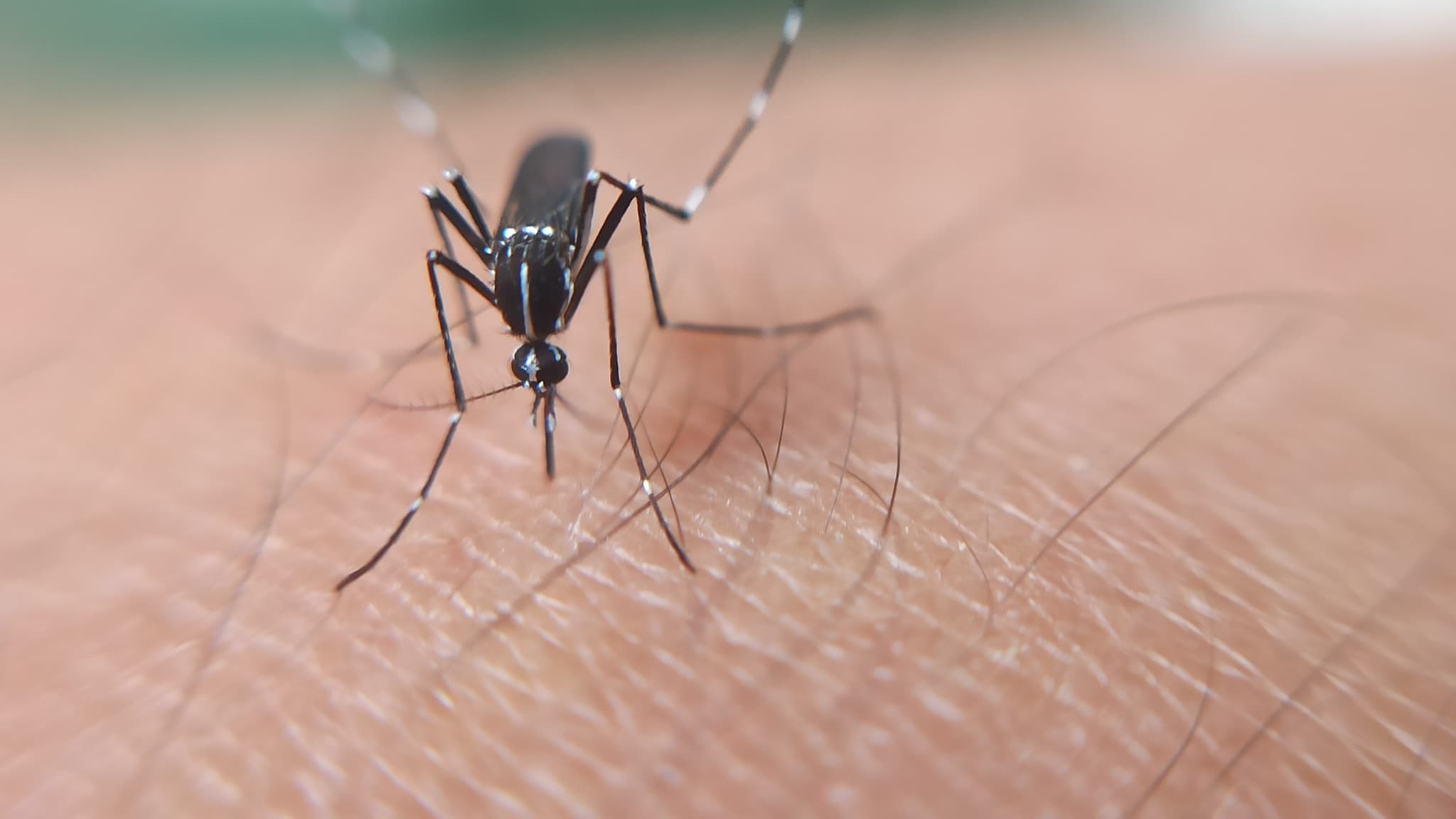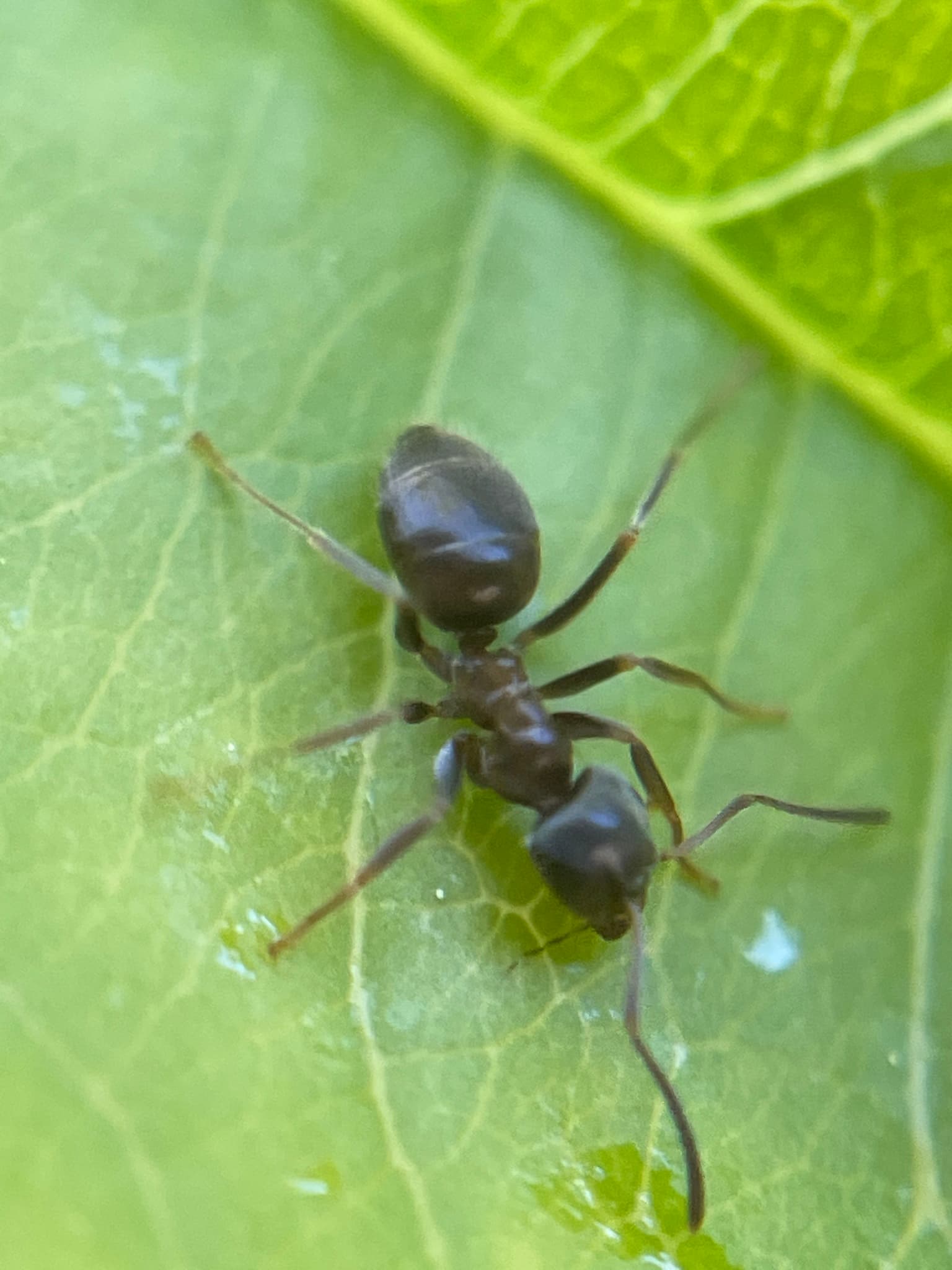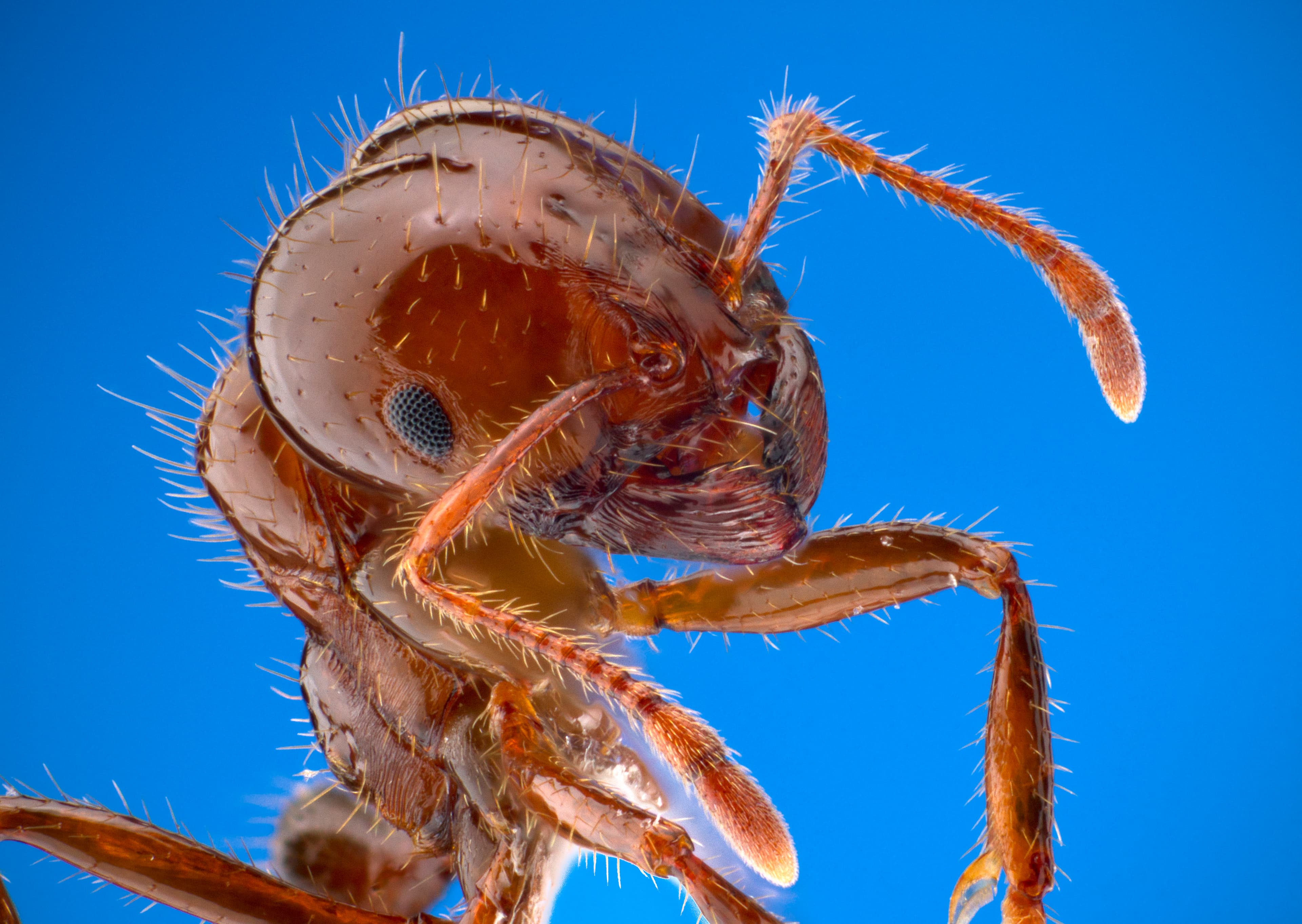
Long confined to tropical regions, the electric ant — also known as the little fire ant (Wasmannia auropunctata) — is now settling in mainland France. First detected in the Var region in August 2022, it has since been confirmed in La Croix-Valmer in 2024 and then in Cavalaire-sur-Mer in 2026. Its progress, driven by increasingly mild winters, worries both the authorities and pest-control experts.
What is the electric ant?
Native to South America, Wasmannia auropunctata is among the most problematic invasive alien species in the world. It is listed as a species of Union concern for the European Union (implementing regulation EU 2022/1203), which bans its import, transport and release.
Its nickname "electric ant" comes from its sting: a painful, burning jolt, out of all proportion to its tiny size. Unlike the true American fire ant (Solenopsis invicta), still absent from mainland France, it is indeed the little fire ant that is now colonising the Var coastline.
How to recognise it
Identification is not easy with the naked eye, but a few clues help:
- a tiny size of about 1.2 mm for the workers;
- a light brown-orange colour, uniform from one worker to another;
- antennae with 11 segments ending in a two-jointed club;
- a slow gait and extremely dense colonies;
- a strong presence in warm, humid environments: watered gardens, mulch, flower pots, leaf litter.
The most striking sign remains the sting: burning, it can cause blisters and, in sensitive people, allergic reactions.
Why this invasion is worrying
The electric ant does not just sting. It disrupts ecosystems by wiping out local ants and many invertebrates, throwing the whole food chain off balance. In colonised areas elsewhere in the world, it has driven the decline of reptiles, birds and small mammals, and it disrupts agriculture.
For humans and pets, the risk lies in the multiplication of stings: cases of keratitis and eye lesions have been reported in animals living in heavily infested homes. Eradication is complex and costly — up to several hundred thousand euros per site — because its colonies, with no rivalry between queens, form vast "supercolonies" that are very hard to dislodge.