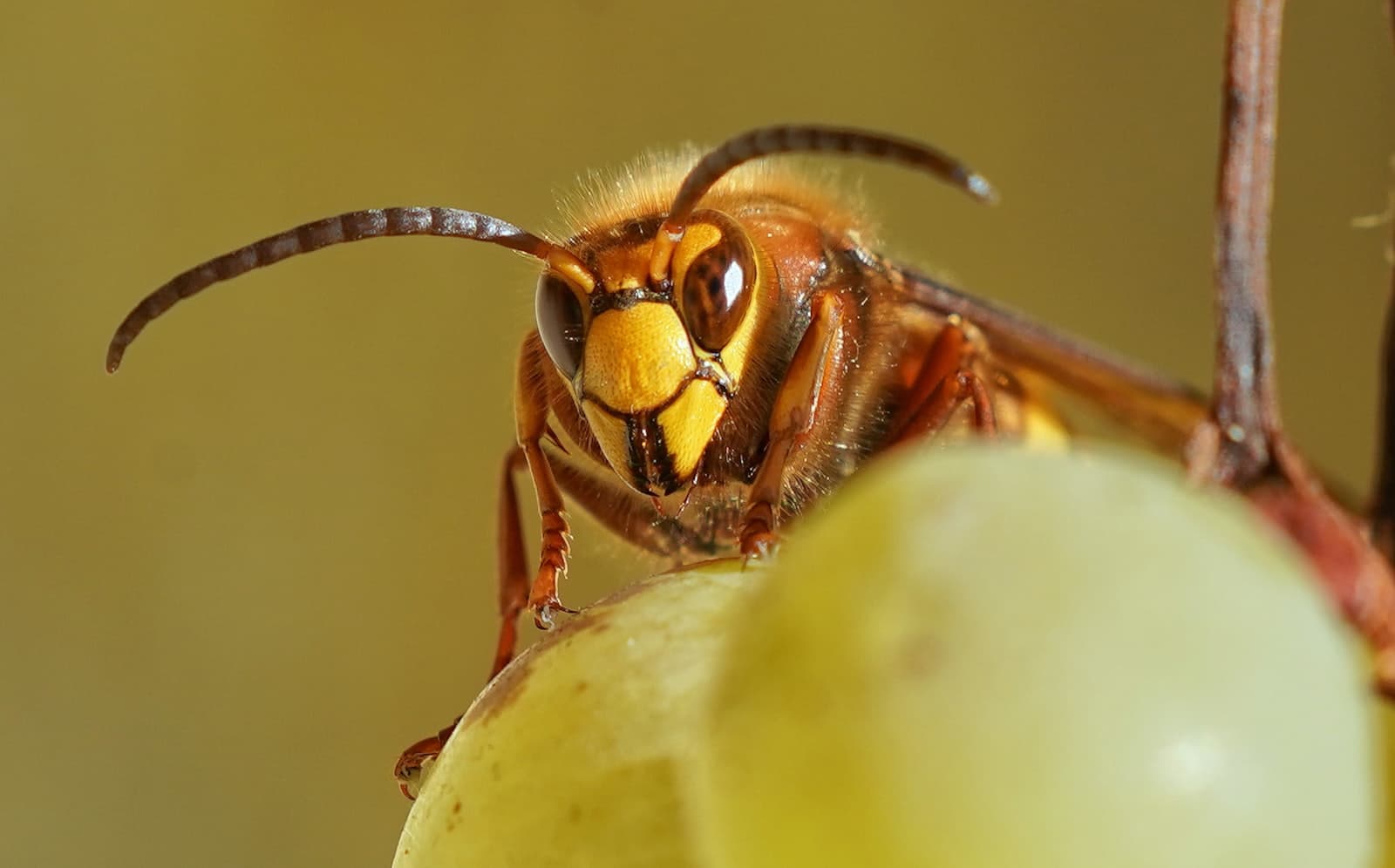
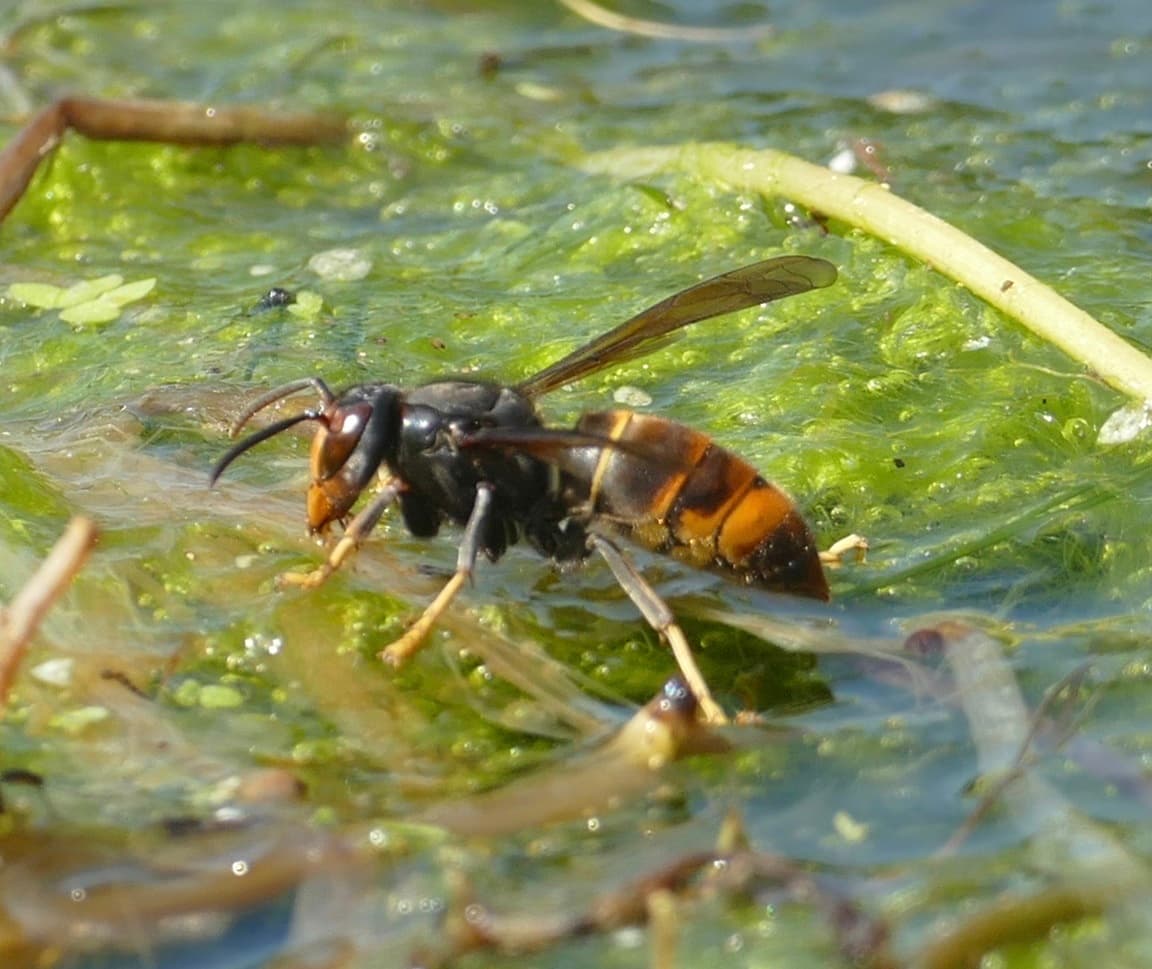
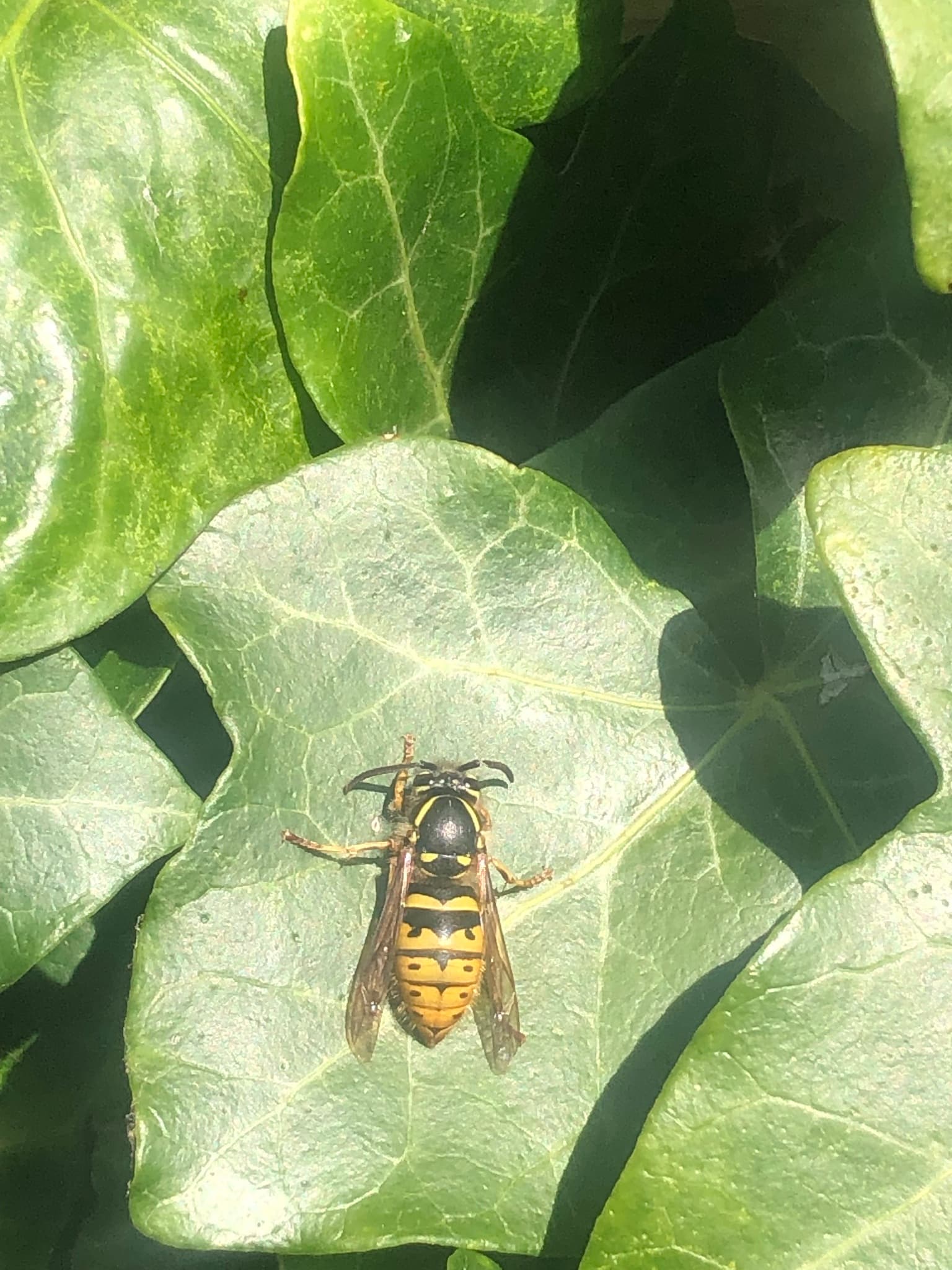
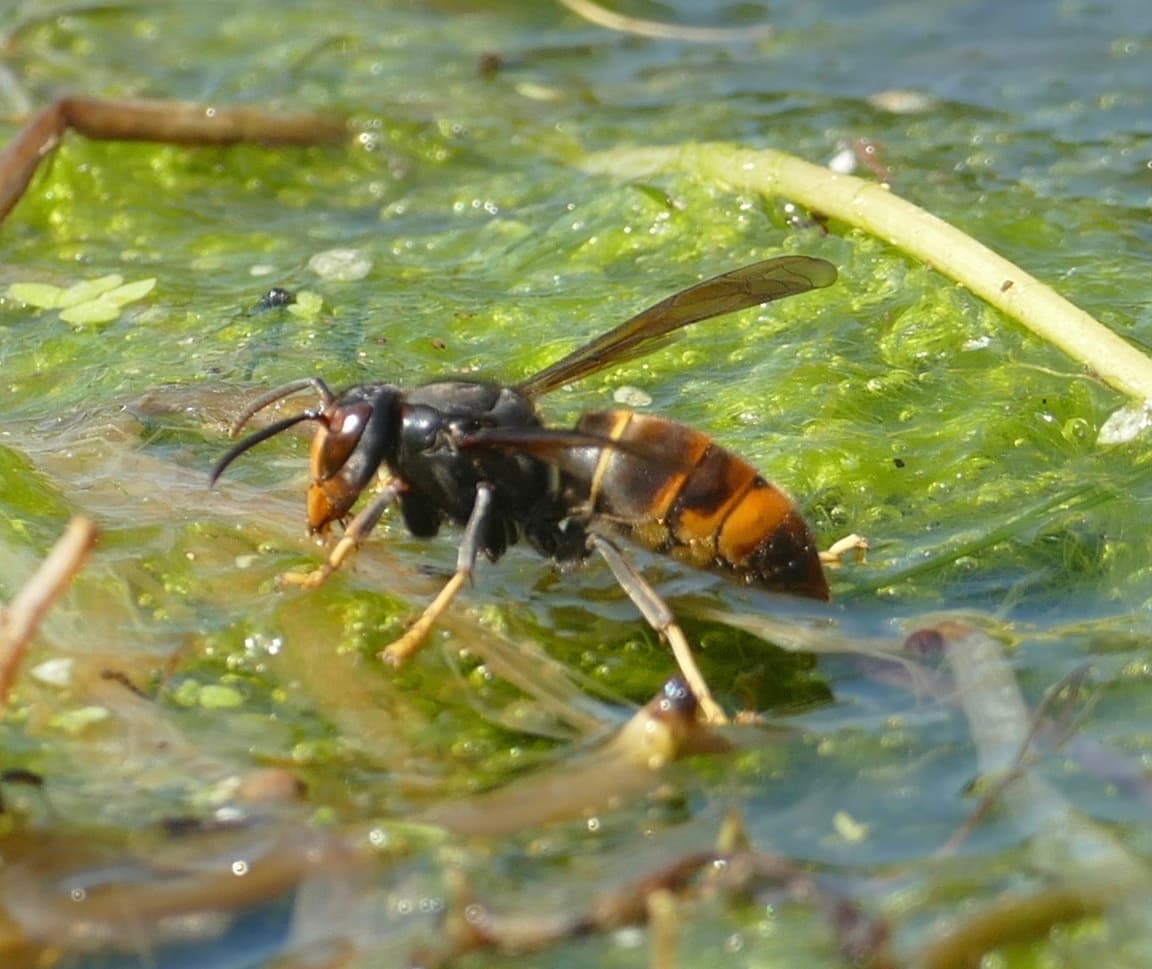
Arriving in France in 2004, the yellow-legged Asian hornet (Vespa velutina) is now present in almost every mainland department. Faced with a proliferation that threatens beekeeping and multiplies emergency call-outs every summer, the State has taken a decisive step: a national control plan was presented on 27 March 2026. Here is what changes concretely for households, municipalities and beekeepers.
A law, a decree, a national plan
The framework rests first on Law no. 2025-237 of 14 March 2025, aimed at "curbing the proliferation of the Asian hornet and preserving the beekeeping sector." It provides for a national plan setting the guidelines for surveillance, prevention, selective trapping and destruction of nests.
Its implementing rules were set out in Decree no. 2025-1377 of 29 December 2025, published in the Official Journal of 30 December 2025. This text organises the adoption of the national plan and of the departmental plans. The national plan itself was made public on 27 March 2026 by the ministry in charge of Ecological Transition.
The stated goal is clear: to move from a scattered, case-by-case fight to a coordinated strategy at national scale, with shared monitoring indicators.
The central role of departmental plans
The heart of the system plays out at departmental level. Each departmental plan is drawn up by the State representative in the department, in consultation with the departmental council, the municipalities and their associations, health bodies, socio-economic stakeholders, environmental protection associations and the French Office for Biodiversity.
These plans organise two essential things:
- the assessment of the danger posed by a reported nest, both for public health and for nearby apiaries;
- the reporting and destruction procedure for identified nests.
In other words, a nest is no longer just a private nuisance: it enters an official circuit of reporting, assessment and treatment.
Reporting a nest: the first reflex
Reporting remains the cornerstone of the fight. A nest spotted early is a nest destroyed before new foundresses swarm in the autumn. Depending on your department, several channels exist: dedicated reporting platforms, the town hall, or a local hornet referent set up under the plan.
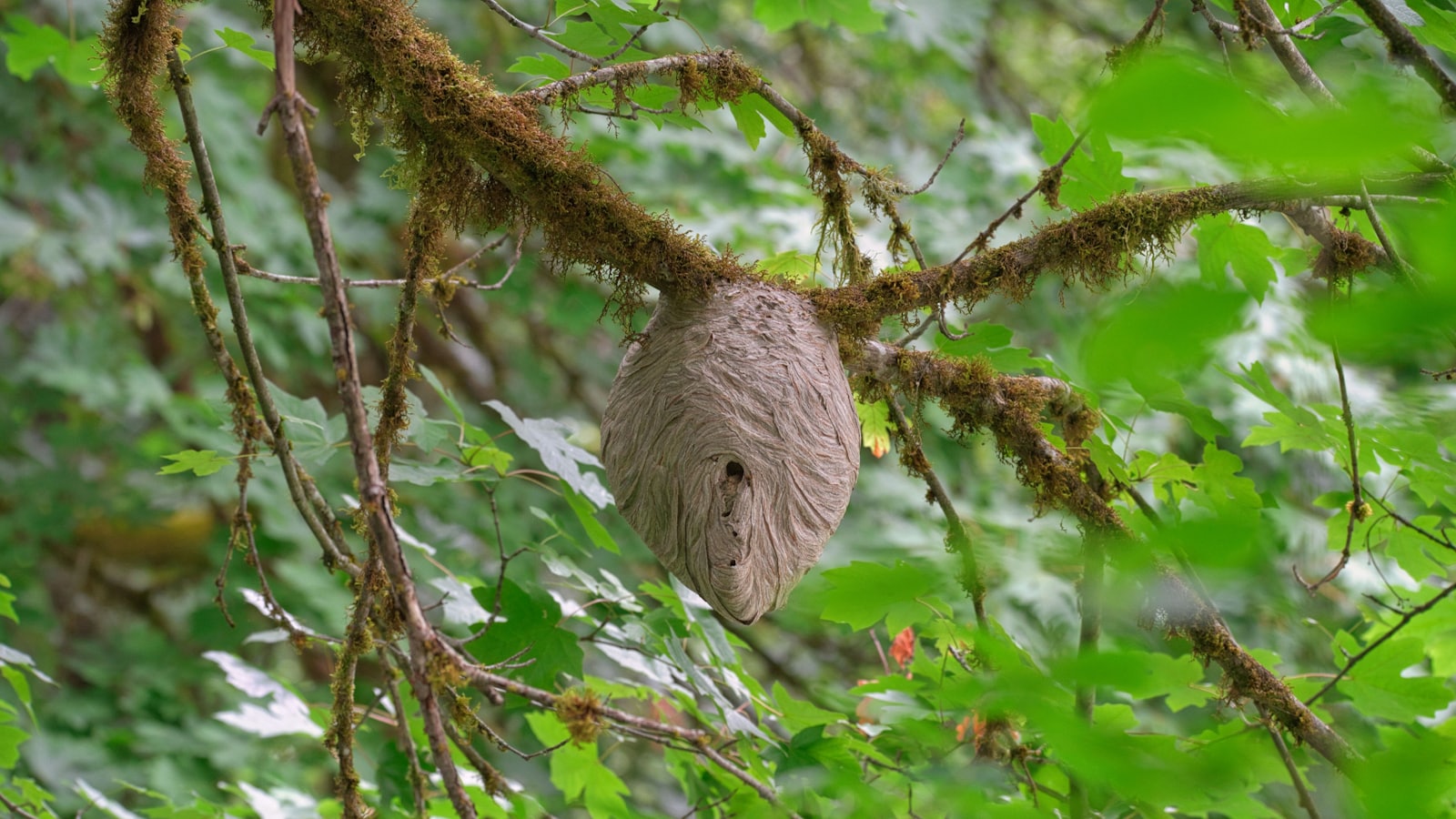
Be careful not to confuse them: the spring primary nest, the size of a tennis ball, is often close to the ground or under shelter, while the summer secondary nest, spherical and bulky, lodges high up in trees or under roofs. To learn to identify it safely, read our guide on recognising an Asian hornet nest and reacting.
What the plan does not exempt you from
Beware of a misconception: the law and the national plan organise the fight, but they do not automatically fund the destruction of every nest nor systematically compensate beekeepers. Coverage depends on schemes voted locally by municipalities and departments, which vary widely from one area to another. Ask your town hall: some subsidise all or part of the intervention cost.
Above all, no regulation makes self-intervention any safer. Destroying an Asian hornet nest yourself remains dangerous: when disturbed, the colony attacks as a group and multiple stings can cause severe reactions, especially in allergic people. The same safety rules as for a wasp nest apply: never block the entrance, do not spray water or aerosols, do not work at height on a ladder.
Calling in a professional
Destroying an Asian hornet nest requires full protective equipment, a suitable telescopic pole and the right product applied at the right time. A technician neutralises the colony, removes the nest and secures the area, in line with the procedure set out in the departmental plan.
Discover our wasp and hornet nest destruction services and our protections and selective traps to limit foundress pressure in spring.
Spotted a nest near you? Contact our experts for a fast, safe intervention that respects the rules set by your department.
A pest problem?
Our experts act fast and for good. Request a free assessment.
Request a free quoteOur services