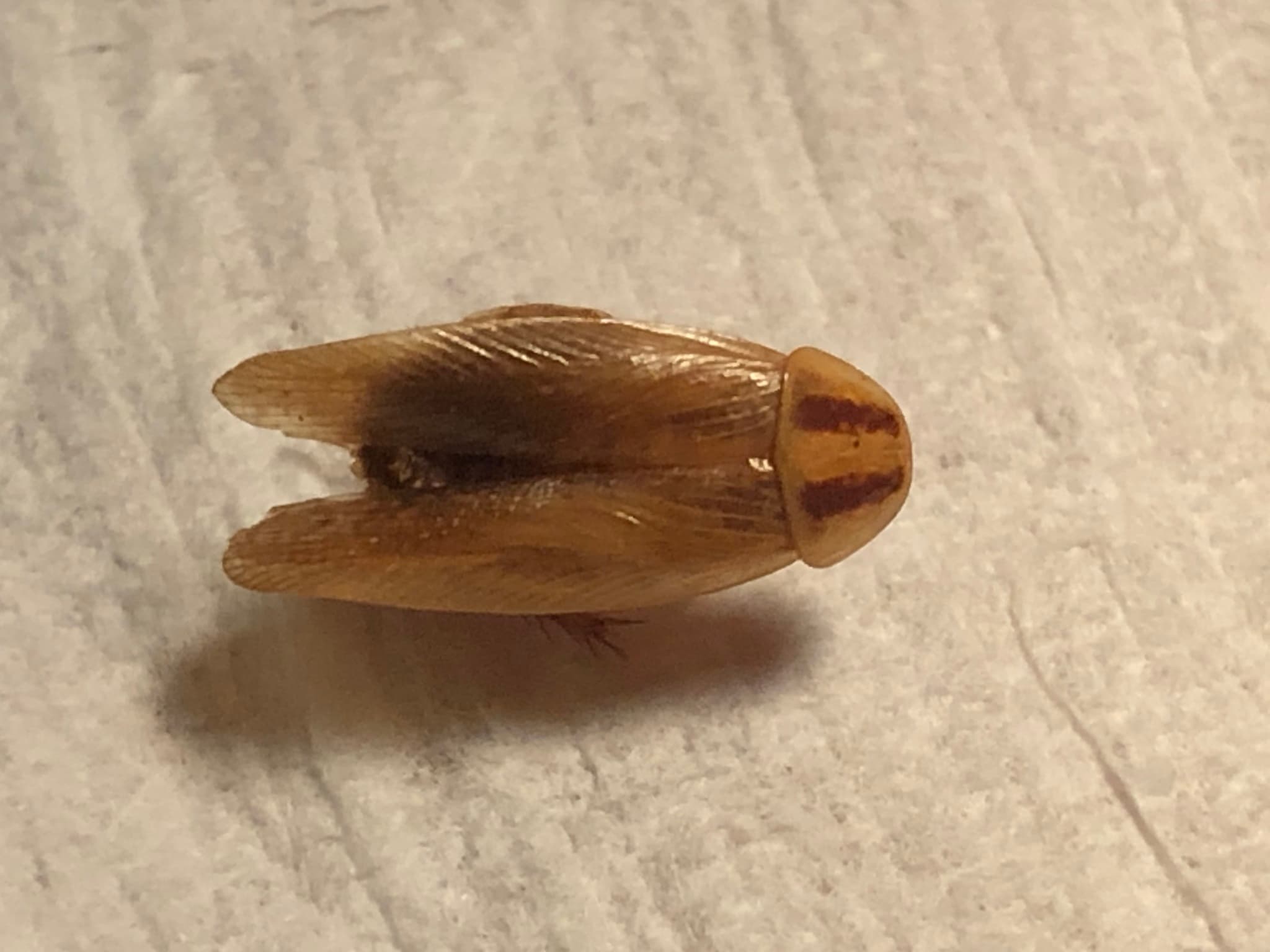
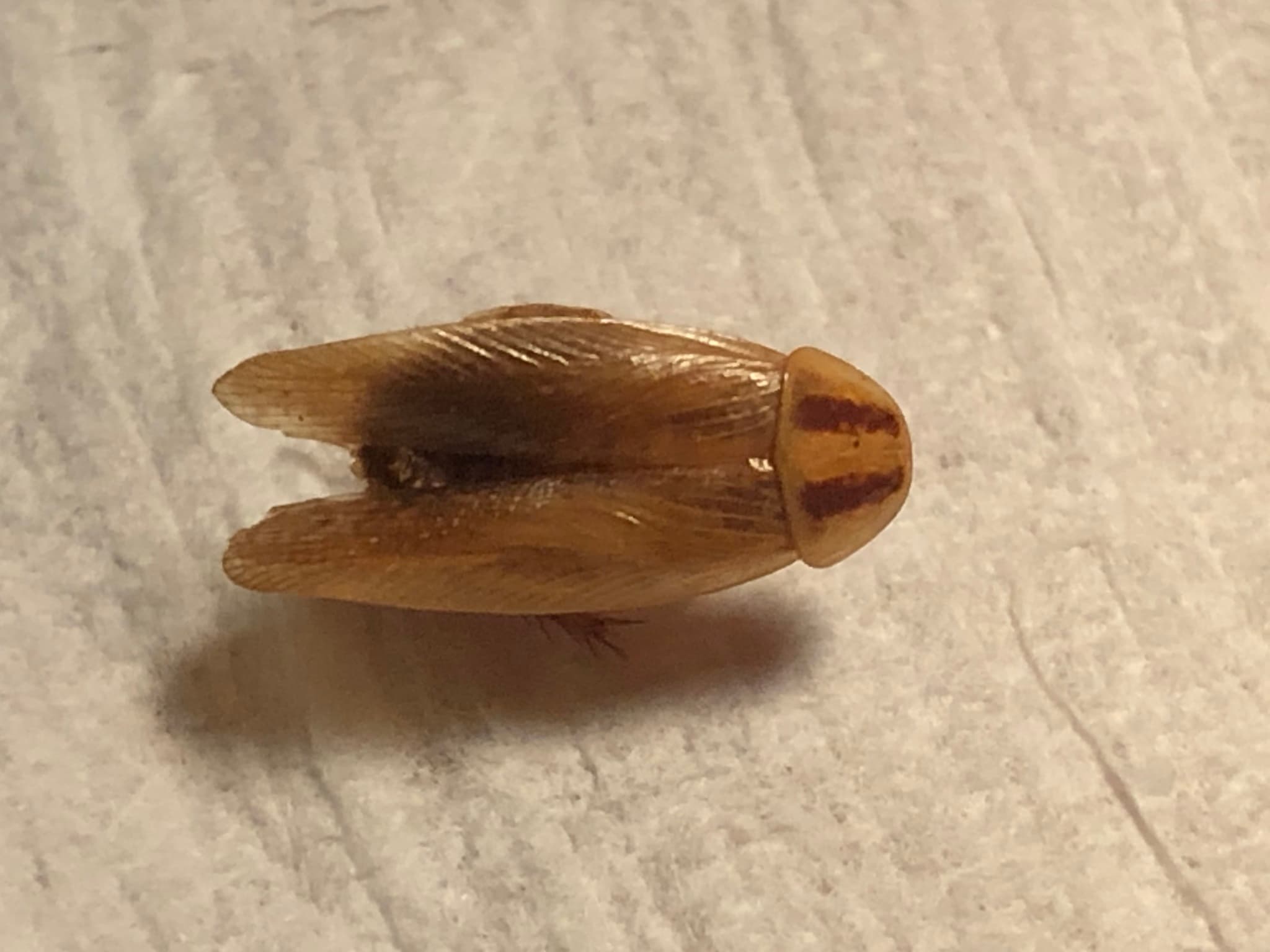
When an 85-year-old resident ends up in hospital after stopping eating and sleeping because of cockroaches, the issue is no longer just sanitary: it becomes social. In May and then July 2026, two reports — the «Envoyé spécial» investigation on France 2 and the TF1 report aired on 13 July — exposed massive infestations of Blattella germanica (the German cockroach) in several senior residence-apartments run by the Centre d'action sociale de la Ville de Paris (CASVP), as well as in Neuilly-sur-Seine, Roissy-en-Brie and several estates in Seine-Saint-Denis. Here is the full picture of a crisis that goes beyond Paris and calls for a collective response, from diagnosis to professional treatment.
What the summer 2026 reports tell us
The «Envoyé spécial» investigation aired on 21 May 2026 (France 2) revealed the scale of the problem at the Beloeuil-Miller senior residence in Neuilly-sur-Seine, run by the CASVP: 115 studios, an announced €250,000 action plan, 97 apartments treated and 15 ongoing at the time of the report. Geoffroy Boulard (LR), mayor of Neuilly, referred the matter to the public prosecutor under Article 40 of the French Code of Criminal Procedure and to the préfet des Hauts-de-Seine under public-health police powers. A parallel appeal was filed before the Paris administrative court by lawyer Paul von Mühlendahl, challenging the compliance of the «résidence-appartement» status with the law of 28 December 2015 (loi ASV) on adapting society to ageing.
On 13 July 2026, the TF1 report confirmed that the problem is not isolated: the City of Paris runs 101 residence-apartments of this type, including several infested buildings in the 13th, 19th and 20th arrondissements. Testimonies from Patrice, Marie (75) and Fabienne (68) describe nocturnal invasions in the bedrooms, cockroaches on the walls and ceilings, the impossibility of sleeping or cooking in peace, and a landlord too often content to provide traps without tackling the cause. The Syndicat de la presse sociale points out that this kind of structure, which is neither an Ehpad (nursing home) nor a regulated autonomie residence, has no dedicated manager and no night staff — a regulatory blind spot that summer 2026 has fully exposed.
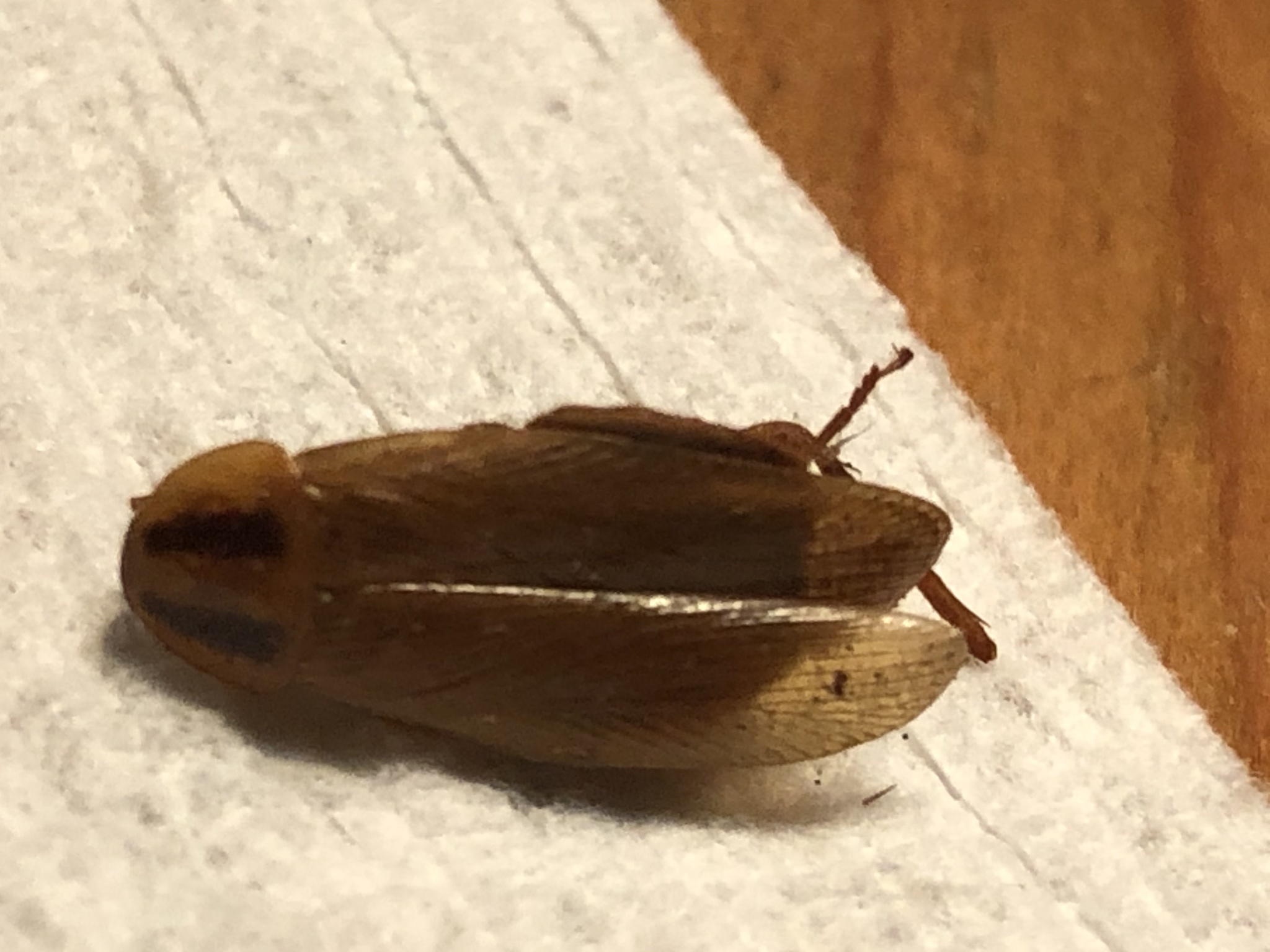
Why cockroaches explode in collective housing
The German cockroach (Blattella germanica) is the dominant species in French apartment blocks, ahead of the oriental cockroach (Blatta orientalis) which is more often found in damp cellars. Several factors explain the summer 2026 surge:
- Heat and humidity: the German cockroach thrives at 25 to 30 °C with a relative humidity of 60 to 70 %. The successive heatwaves since May 2026 and the residual humidity after storms create an ideal climate. A female can produce an ootheca (egg case) every 3 to 4 weeks, containing 30 to 40 larvae.
- Shared technical ducts: in older buildings, the wastewater pipes, rubbish chutes, electrical ducts and false ceilings form a continuous network that allows cockroaches to move from one apartment to another. An infestation declared in a single flat in fact affects the whole column within weeks.
- Insufficient trap-based treatments: a glue trap placed in a studio only catches the individuals that pass nearby. Without treating the ducts, the shared kitchen and the bin rooms, the colony regroups within a few days. This is precisely the limit highlighted in the reports by tenants' associations.
- Poor maintenance of common areas: bike rooms, cellars, lift shafts, boiler rooms and especially badly cleaned bin chutes are the main reservoirs. When cleaning is no longer daily, the colony settles and then migrates into the flats.
Landlord liability: what French law says
Faced with a cockroach infestation in a rented home, several pieces of legislation apply and enable concrete action.
1. The obligation of decency and salubrity (articles 6 and 20-1 of law n° 89-462 of 6 July 1989). The landlord is required to provide the tenant with a «decent» home, showing no obvious risk to physical safety or health, free of any infestation by harmful species. The presence of cockroaches in numbers, proven by an inspection, constitutes non-decency giving the right to a formal notice, then failing that, referral to the judicial court or to the departmental conciliation commission (CDC).
2. The departmental health regulation (RSD), articles 24.1 and 24.2. The owner — or the property manager in a condominium — must ensure «the destruction of rodents, insects and other vectors» in common areas and take the necessary measures to prevent these pests from developing. In Paris, the order of 19 October 2007 on the salubrity of buildings requires treatment of infested premises by a certified company.
3. The Public Health Code (article L. 1331-26). The préfet can, on the report of the ARS (regional health agency) or the local hygiene and health service (SCHS), initiate an insalubrity procedure and order works to be carried out at the owner's expense. This is the procedure mentioned by the préfet des Hauts-de-Seine in May 2026.
4. The loi ASV of 28 December 2015. For senior residences, it distinguishes three categories: autonomie residence (with staff and activities), Ehpad (medicalised) and résidence-appartement (intermediate status, with no obligation of management or life project). It is precisely this last status that is now in the sights of associations and the lawyer behind the administrative-court appeal.
5. Article 40 of the French Code of Criminal Procedure. Any elected representative, any civil servant, any citizen can report to the prosecutor any breach of public health. Geoffroy Boulard and several associations used it to obtain the opening of an investigation.
The right reflexes for the tenant
Until a collective professional intervention is scheduled, the tenant or resident is not helpless. Actions that really slow down the invasion:
- Report the infestation by registered letter with acknowledgement of receipt to the landlord or property manager, attaching dated photos and a pest controller's report. Written traceability is essential if legal action is taken.
- Notify the SCHS or the ARS: in Paris, the Service communal d'hygiène et de santé can carry out an inspection. In other municipalities, the ARS Île-de-France (and its departmental branch) takes online reports.
- Keep evidence: invoices for insecticide products, captures in a jar, photos, testimonies from other residents. These elements make up a file in case of compensation or termination of the lease for legitimate cause.
- Alert the condominium council or owners' association: in a block of flats, it is this body that appoints the company. The general assembly must then vote the works (a second reading is possible if initially refused).
- Limit the spread: do not move boxes from one apartment to another, do not leave uncovered food, empty the bin every evening, unblock the sink and bathtub immediately. These actions are not enough to eradicate the problem but reduce the pressure and help the professional.
Professional treatment: what it must include
Effective treatment of a German cockroach infestation in a block of flats happens on three levels simultaneously and involves a Certibiocide-certified company (the certificate is mandatory for applying biocidal products since 1 July 2024).
-
Building diagnosis. Identification of technical ducts, bin rooms, cellars, common areas, declared apartments. The professional uses monitoring glue traps for 7 to 14 days to map the scale of the infestation and identify «hot spots».
-
Curative treatment in at least two passes. A professional bait gel is applied in refuge areas (behind appliances, under the sink, in ducts). Spraying is only a targeted supplement on hot spots, not a surface treatment. The treatment must be repeated at 3 weeks to eliminate the nymphs from oothecae not destroyed by the first pass.
-
Mandatory collective treatment. This is the most common mistake: treating a single apartment guarantees re-infestation within 30 days. The protocol must cover simultaneously all the flats in the column, the common areas, the cellars and the bin rooms. This is what the CS3D (the French pest-control trade chamber) and the ANSES recommend in their opinions on urban vector control.
In addition, ideally, a 6-week follow-up with a new set of monitoring traps, and an annual audit of common areas in older buildings.
When urgency becomes critical: vulnerable people
Cockroaches are not just a discomfort: they are a real health risk, especially for the elderly, infants, asthmatics and immunocompromised people. The legs and droppings of cockroaches contain allergens (Bla g 1, Bla g 2) that cause or worsen asthma, chronic rhinitis and eczema. Cockroaches also carry bacteria (Salmonella, E. coli, Staphylococcus) responsible for gastroenteritis, as well as helminth eggs.
For senior residences, fighting cockroaches also overlaps with combating Diogenes syndrome and mental-health-related squalor: an isolated resident who no longer opens the post, no longer cleans the home and hoards objects is a permanent re-infestation focus. The TF1 report describes exactly this situation, with a resident unable to «sort out» her studio. The intervention must then be medico-social (assessment by the CCAS or the CLIC) before being technical.
Breaking the deadlock: the collective way forward
Tenants' associations and several Paris elected representatives are now calling for three structural measures:
- Transforming residence-apartments into fully-fledged autonomie residences, with a named manager and night staff, to respect the spirit of the 2015 law.
- Mandatory inclusion in the lease of an anti-pest maintenance clause (annual disinsectisation of common areas, immediate treatment on declaration) that is legally enforceable.
- State funding of a national cockroach-control plan for social housing, modelled on the 2026 national plan against the Asian hornet or on the ANRU «Summer Districts» operations.
For condominiums, a global technical diagnosis (DTG) can be extended with a pest component, and the energy audit or tertiary-decree audit can be coupled with a survey of technical ducts prone to infestation.
You are a social landlord, a property manager, a senior-residence manager, or a tenant facing a long-running infestation? Our team provides emergency response throughout Val-de-Marne, Paris and Île-de-France to carry out a full diagnosis, treat the whole building and support residents throughout the protocol. Discover our cockroach disinsectisation services and our intervention rates, or check our service areas to see whether your municipality is covered.
To go further, you can also read our guide cockroaches in the kitchen: prevention and treatment and our article on rodent control in apartments and condominiums: who does what. In case of a massive infestation, do not delay: contact us for a free diagnosis or request an emergency intervention — every week gained prevents contamination of the whole column.
In short — Summer 2026 has exposed a silent crisis: senior residences and social housing infested with Blattella germanica in Paris, Neuilly and the inner suburbs. Cockroaches are not inevitable: the law of 6 July 1989 (decency), the RSD and the Public Health Code (article L. 1331-26) give the préfet and the tenant the levers to act. Effective treatment is collective, professional, Certibiocide-certified, and repeated at 3 weeks to eliminate the new generations from the oothecae. The right reflex in the face of a persistent infestation: registered letter to the landlord, SCHS/ARS report, and simultaneous intervention of all flats in the column.
A pest problem?
Our experts act fast and for good. Request a free assessment.
Request a free quoteOur services