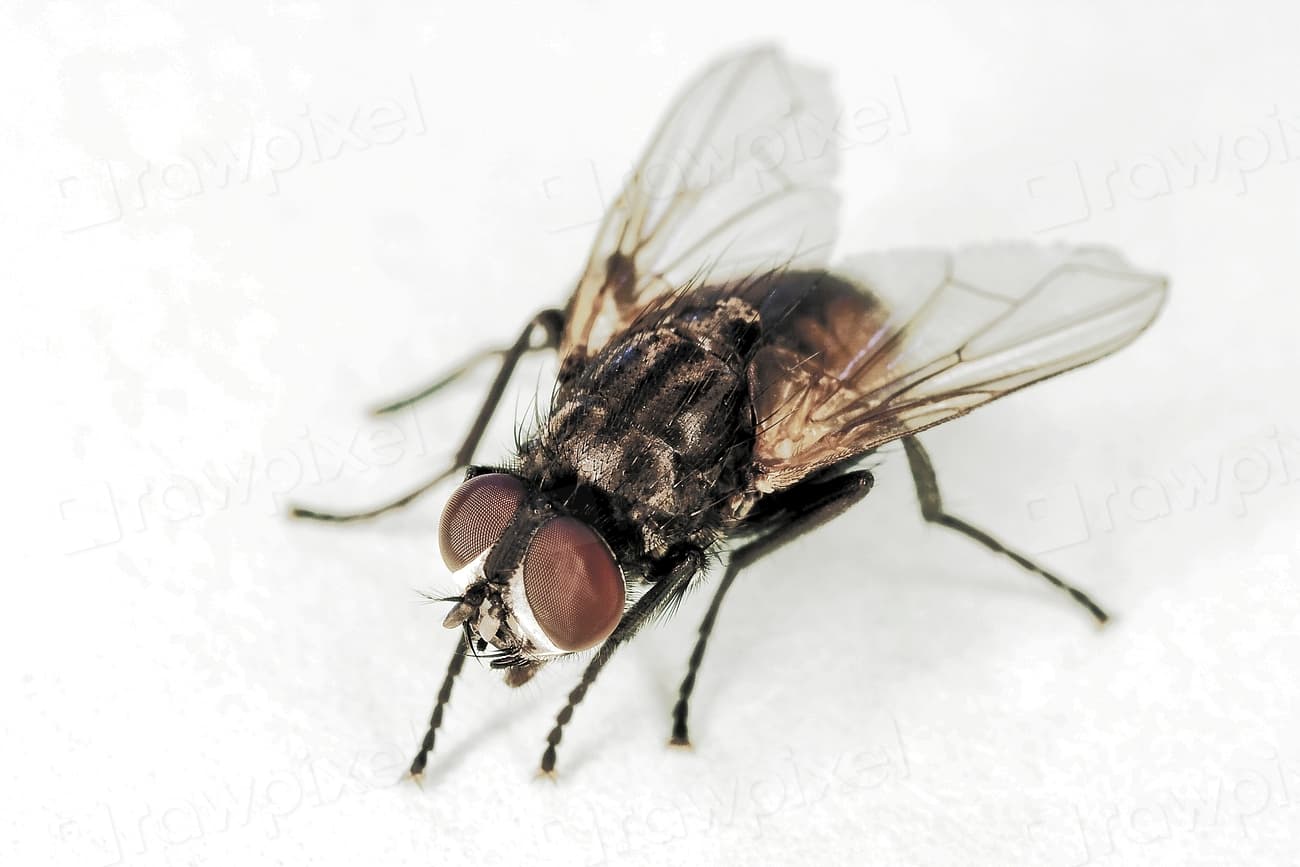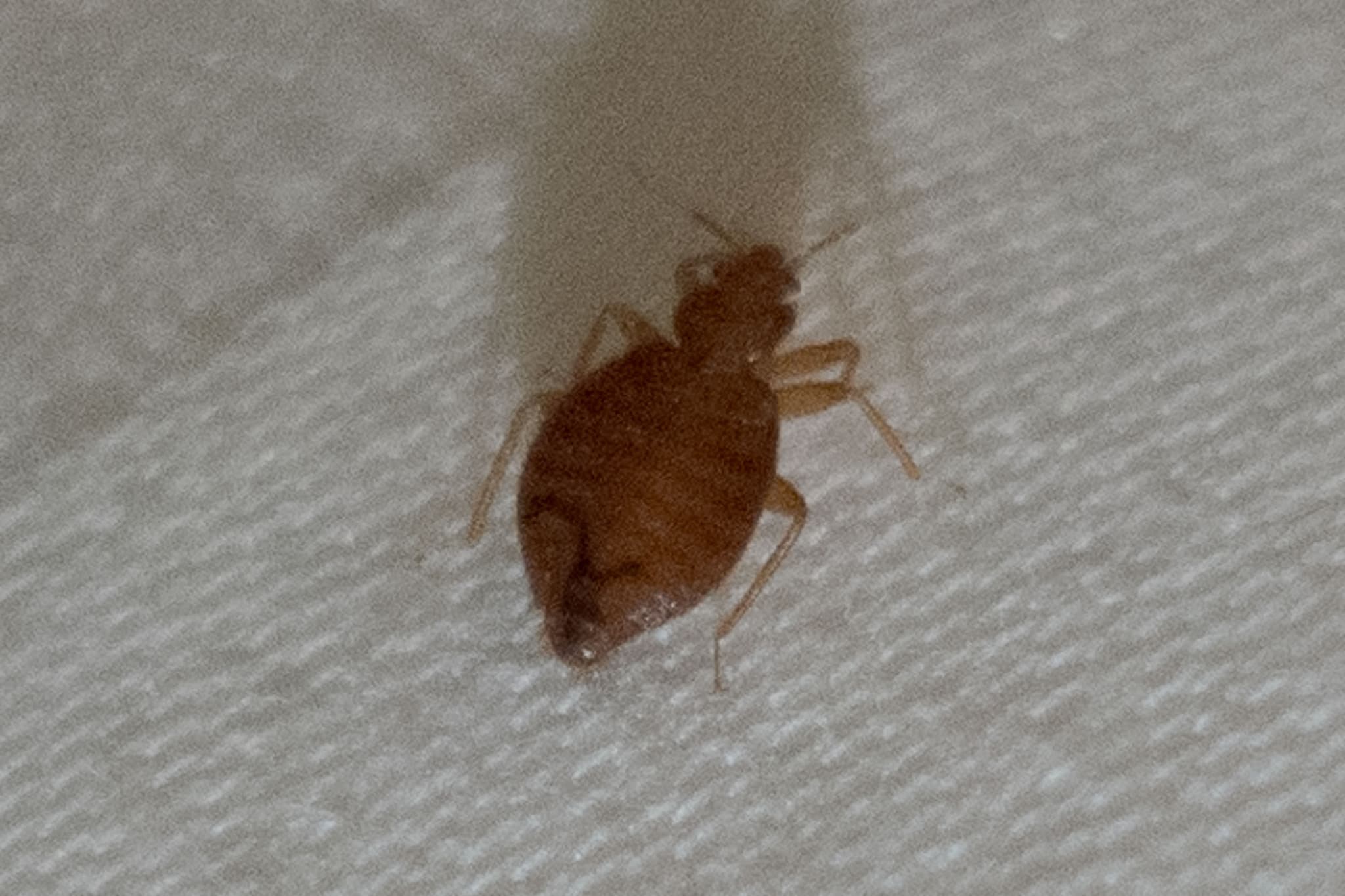
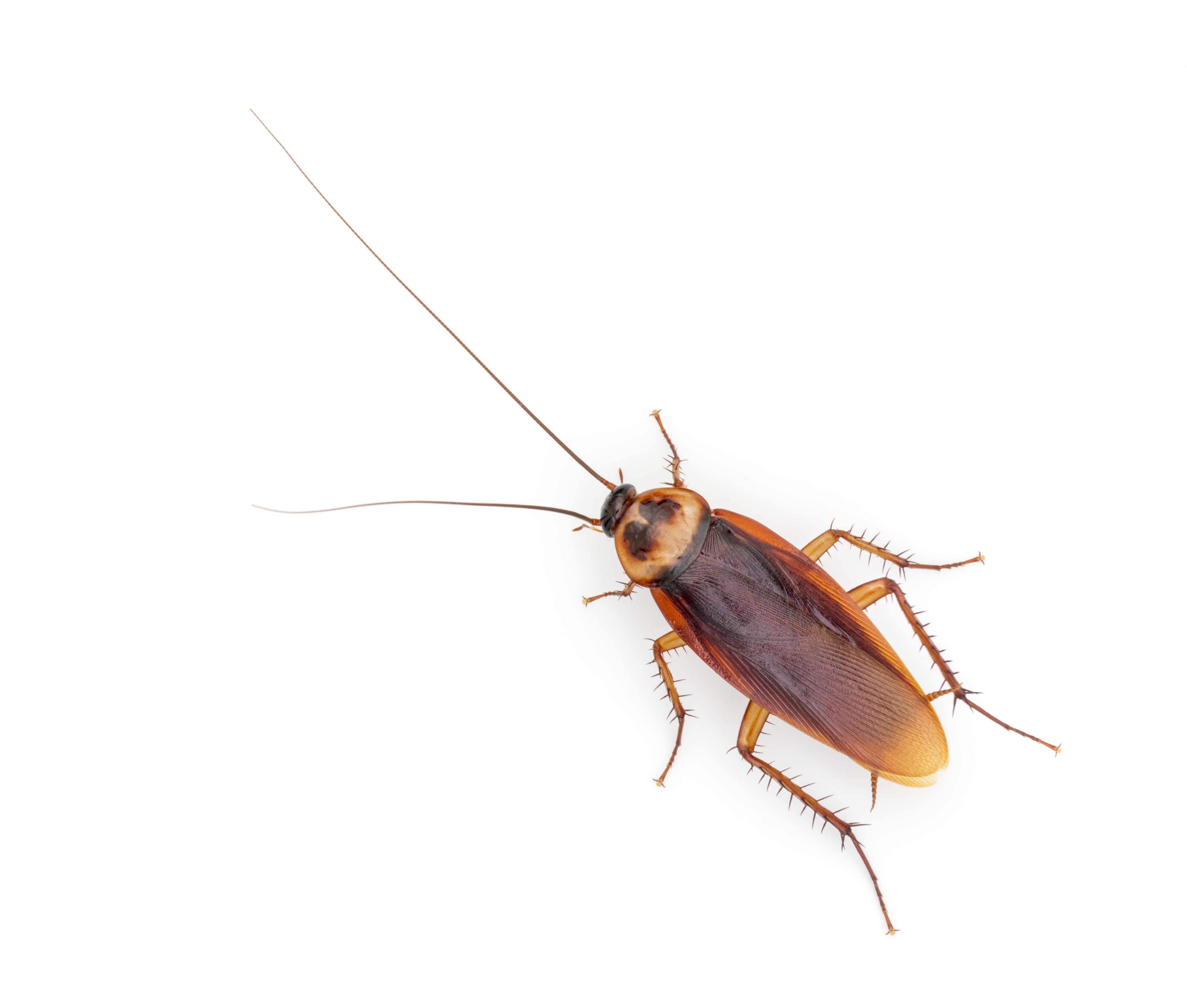
When bed bugs or cockroaches take over a home, the temptation of a "miracle" product bought at a market or online is strong. It can be lethal. In a vigilance bulletin published on 13 April 2026, ANSES — France's national health and safety agency — warned about the continued circulation of Sniper 1000 EC DDVP, an insecticide banned since 2013 and behind a growing number of poisonings in France.
A product banned for thirteen years
Sniper 1000 EC contains dichlorvos (DDVP), an organophosphate that blocks acetylcholinesterase, the enzyme required for nerve signal transmission. It is effective on insects — and just as effective on humans: dichlorvos is highly toxic by every route of exposure, whether inhaled, absorbed through the skin, or swallowed.
That is precisely why it has been banned in France and across the European Union since 2013. No dichlorvos-based product may legally be sold or used to treat a home.
Poisonings sharply on the rise
The figures published by ANSES leave no room for doubt. Between 2023 and 2025, poison control centres recorded 351 poisonings linked to banned insecticides, 255 of them directly involving Sniper 1000 used against pests at home.
- 18 severe cases, including 4 deaths.
- 70% of cases in the Île-de-France region, including 20% in Seine-Saint-Denis; further cases in Marseille, Lyon, Limoges and the overseas territories.
- 60% of those poisoned are women — often the person applying the product in the home.
Reported symptoms are respiratory, digestive, neurological or neuromuscular. The danger is compounded by how the product is used: it is sprayed in enclosed spaces — bedrooms, mattresses, skirting boards — exactly where toxic vapour concentrations climb fastest, and where people then sleep for hours.
Why these products still circulate
Sniper 1000 is sold at informal markets, in bazaars and on internet platforms, entirely outside official controls. Since 2023, France's fraud-control authority (DGCCRF) has inspected more than 500 shops and online sales sites and seized around 400 bottles across 23 premises. Bottles nevertheless keep circulating.
The underlying reason is well documented: bed bugs are now resistant to almost every over-the-counter insecticide. Households treat, fail, treat again, then reach for ever more concentrated products — until they cross into illegal territory. The reflex is understandable; it is also the most dangerous one. To understand what you can legally buy and use, read our guide on choosing the right pest control products for your home.