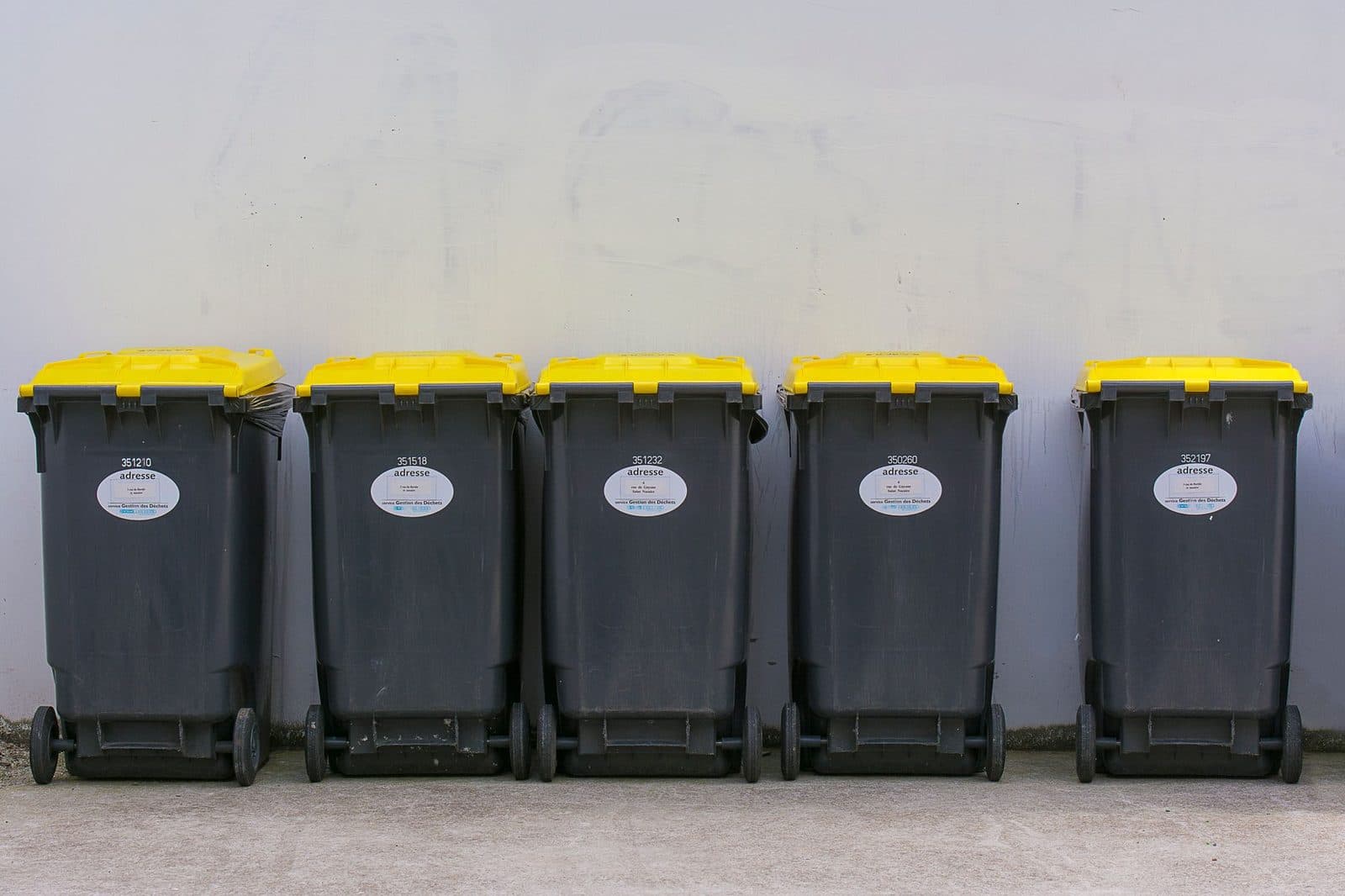
"I just couldn't work it out. We'd put mesh over the basement vent, cleared the woodpile, set traps in the garage. And every morning, the same hole in the green bag." It took this homeowner in Champigny-sur-Marne six weeks to accept the obvious: the rats weren't coming into his house, they were coming to eat up against the wall of his house, in a wheelie bin whose lid had stopped closing properly ever since the hinge gave way.
This is the most ordinary — and most costly — blind spot in any rodent control effort around a family home. People deal with the entry points, deal with the harbourage, sometimes deal with the water sources — and leave in place, three metres from the kitchen, a food supply that is replenished twice a week, kept lukewarm, and sheltered from wind and rain. Since separate food waste collection became standard on 1 January 2024 (loi AGEC — the AGEC circular economy act), that resource has become richer and smellier: leftovers, peelings, coffee grounds, eggshells. Exactly a brown rat's diet.
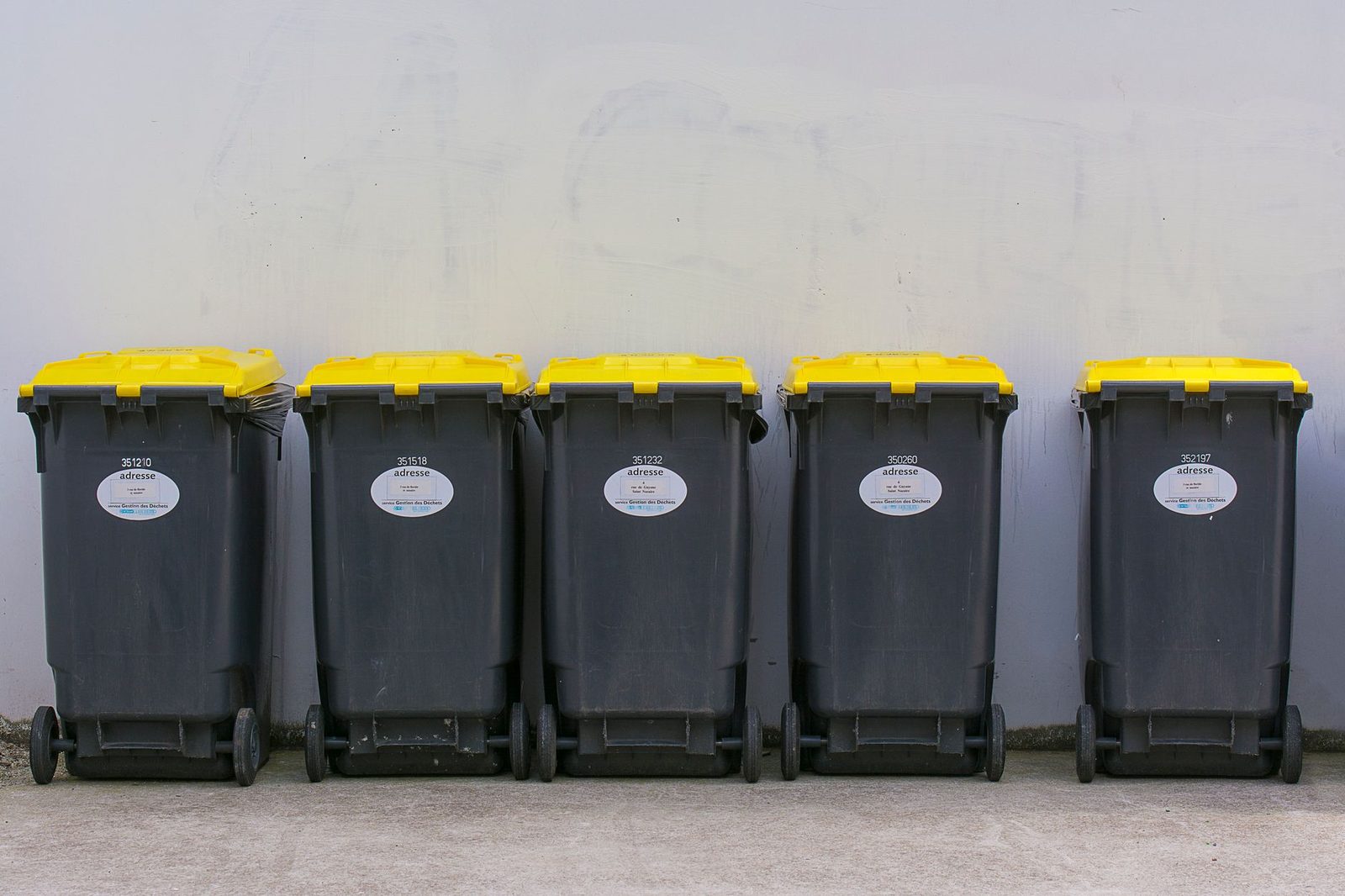
Why a bin is the perfect canteen for a rat
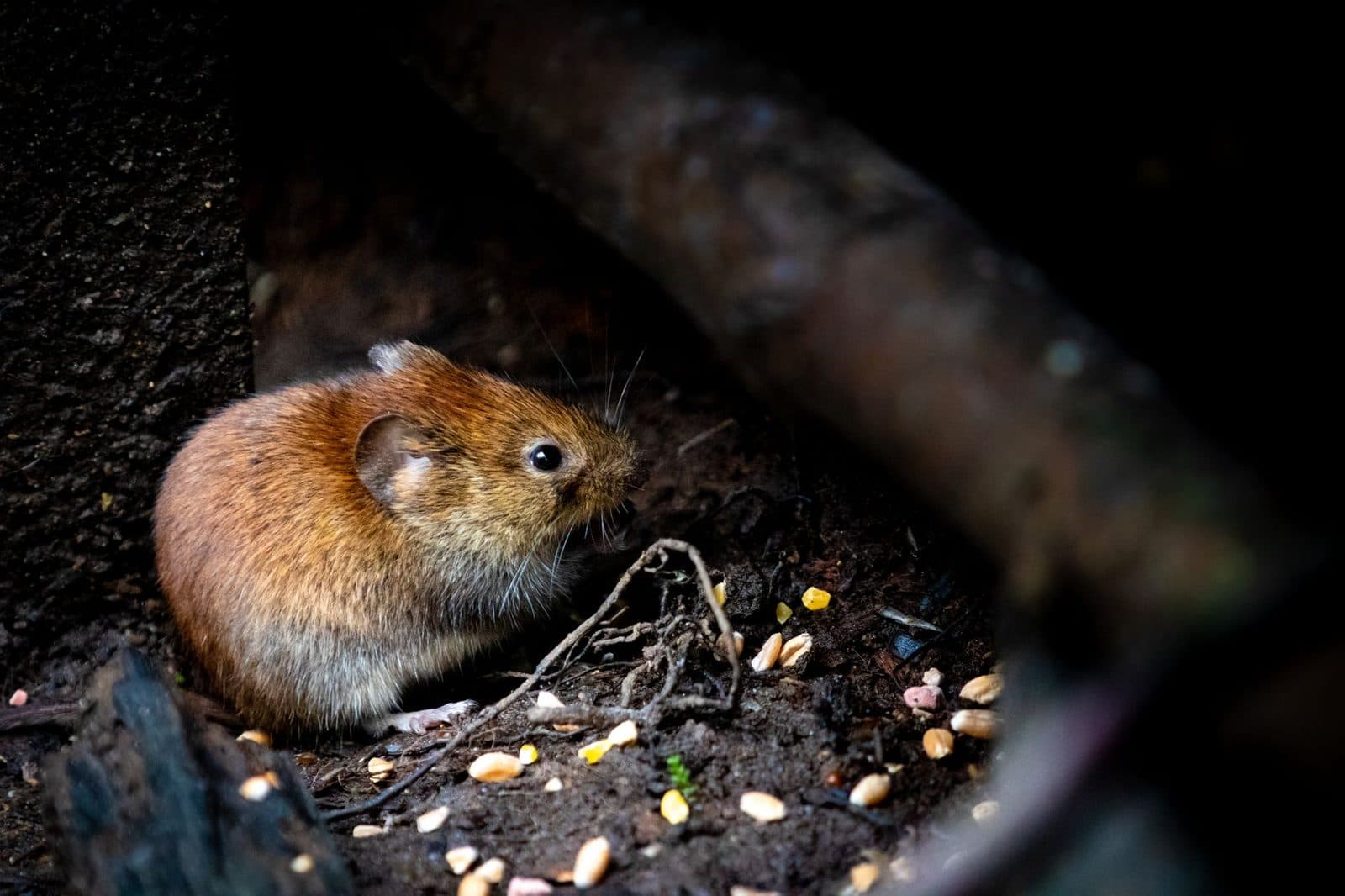
A brown rat (Rattus norvegicus) eats 20 to 30 g a day and drinks water in proportion. It isn't looking for the best food, or the cleanest: it is looking for the most predictable and least risky resource. A wheelie bin ticks every box.
| What the rat is looking for | What a household bin provides |
|---|---|
| Regular food, at fixed times | A bag put out every evening, collection once or twice a week |
| Moisture | Peelings, dregs of bottles, fermentation liquid in the bottom of the bin |
| Covered shelter, 20-30 cm of refuge | The gap under the bin, the bin store, a hedge up against the container |
| Warmth in November | Fermenting food waste: the core of a food waste bin easily rises above the outside temperature |
| No journey out in the open | Bin pushed against the wall, along a sheltered route |
The result: a rodent that finds an accessible bin no longer needs to get into the house to survive. But it settles right next door — under a terrace, in a crawl space, in an old burrow left from the previous owner — and that is the base from which it visits the garage, then the cellar, then the loft. The bin doesn't create the infestation, it anchors it to your address.
Spotting a bin that's being visited: five signs to check tonight
Walk round at the end of the day, torch in hand. A good rechargeable torch is more use here than any product: rodent signs show up in raking light, not under overhead lighting.
- Gnawed corners on the lid and rim. A rat doesn't get in over the top of a closed bin: it gnaws the plastic where it is thinnest, often the rear corner of the lid or the edge of the body. Notches of 1 to 2 cm with pale, clean edges and fine parallel striations: those are incisors.
- A hole low down on the body, 5-10 cm off the ground. Perfectly circular, 3 to 5 cm across. The classic brown rat signature on a bin standing straight on bare soil.
- Droppings on the lid or behind the bin. Spindle-shaped, 1.5 to 2 cm, clustered for a rat; like black grains of rice and scattered for a mouse. The full identification detail is in our guide to rodent droppings and signs.
- Runs and smear marks. Regular traffic leaves a dark polished band along the wall, the bin body or the threshold of the store. This is the most reliable indicator of an established habit rather than a one-off visit.
- Burrows within 5 metres. A clean entrance 6 to 9 cm wide, free of cobwebs, often under a paving slab, a log store, a low wall, or in a border at the foot of a wall. An active burrow near the bins means the colony is already resident on your property.
Rule of thumb: fresh notches on a lid mean a night-time visit within the last 48 hours. A lid gnawed months ago darkens and its edges round off.
Securing wheelie bins: the order of operations
1. Remove physical access
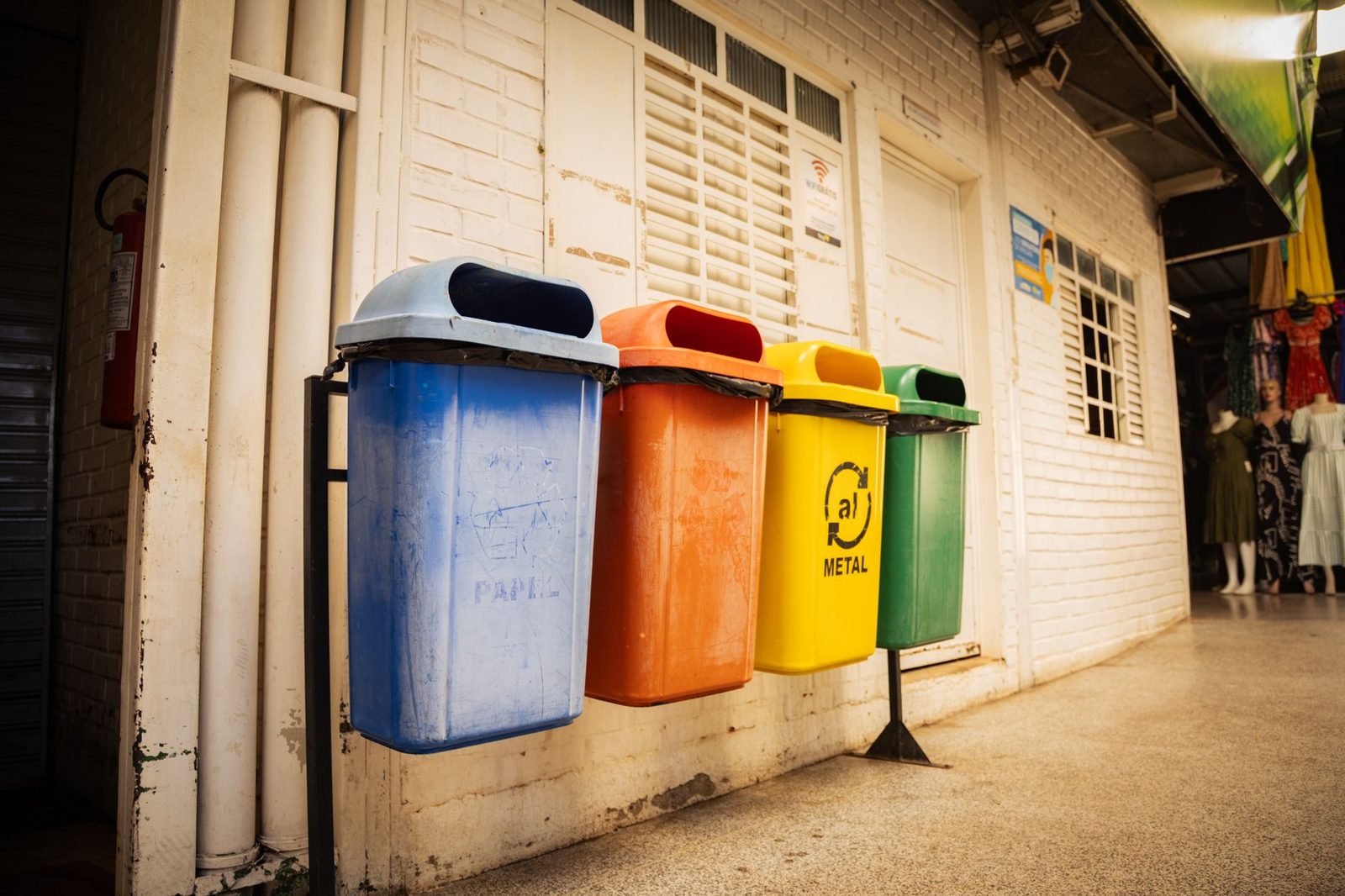
A bin whose lid closes flat, standing on a hard surface, with no holes in the body, is very rarely broken into. The points to fix:
- Hinges and lid. A lid that doesn't fall flat (broken hinge, overfull bin) means an open bin. An overfull bin is the number one cause of access: two half-full bins are better than one that gapes.
- Holes in the body. A gnawed hole cannot be "repaired" with tape. Either replace the bin (the local authority will often do it free of charge once you report it), or fit a metal plate riveted on the inside. Plastic alone will simply be gnawed through again.
- The standing surface. Put bins on a concrete slab, a metal grating or tightly butted pavers, never straight onto soil or gravel: that removes both the burrow under the bin and the chance to attack the base.
- Locking. A simple bungee cord stretched between the handles is enough against a lid that lifts in the wind. Against a rat it is useless if the lid is already holed; useful if it is intact and cats or crows are opening it. Some councils supply bins with a lockable lid.
2. Cut out the smell and the liquid
This is the part almost nobody does, and it is what decides whether the area stays attractive.
- Rinse the bin once a month, more often for the food waste bin, and let it dry with the lid open in broad daylight. A hose and a brush are enough; a telescopic-handle cleaning brush saves you contorting yourself into the bottom of the bin.
- Never neat bleach on the lid: it masks the smell for you, not for a rodent, and attacks the seal.
- Double up on food waste: a compostable kraft bag plus a layer of newspaper lining the bottom of the bin soaks up the liquid. It is the fermented liquid at the bottom of the bin, not the solid contents, that carries furthest.
- Keep food waste cool until collection day. A small food waste caddy with a charcoal filter in the kitchen, emptied on the morning of collection, removes two to six days of fermentation outdoors.
3. Get the put-out timing right
Across the Val-de-Marne, council instructions on presenting bins converge: put the bin out the evening before, after 7 pm, and bring it back in as soon as collection has happened. Every hour the bin spends on the pavement is an hour of availability. A bag left on its own straight on the pavement, with no bin, is torn open overnight nine times out of ten: that is the setup that feeds street colonies most effectively.
And the point that generates the most letters from neighbours: never leave a bag beside a full bin. Check the exact days and instructions with your council or the relevant territorial public authority (Paris Est Marne & Bois, Grand Paris Sud Est Avenir, Grand-Orly Seine Bièvre, depending on the town).