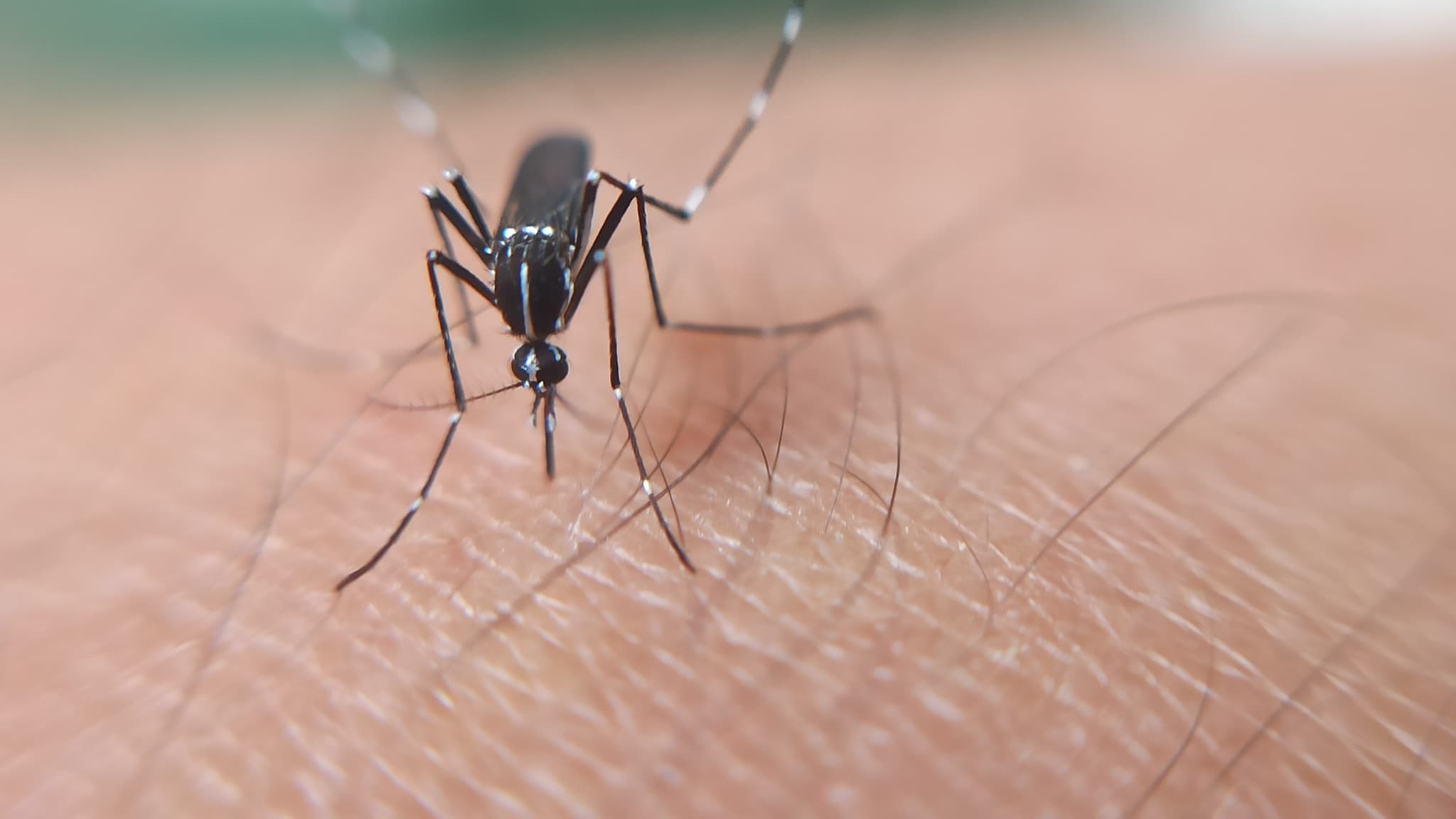
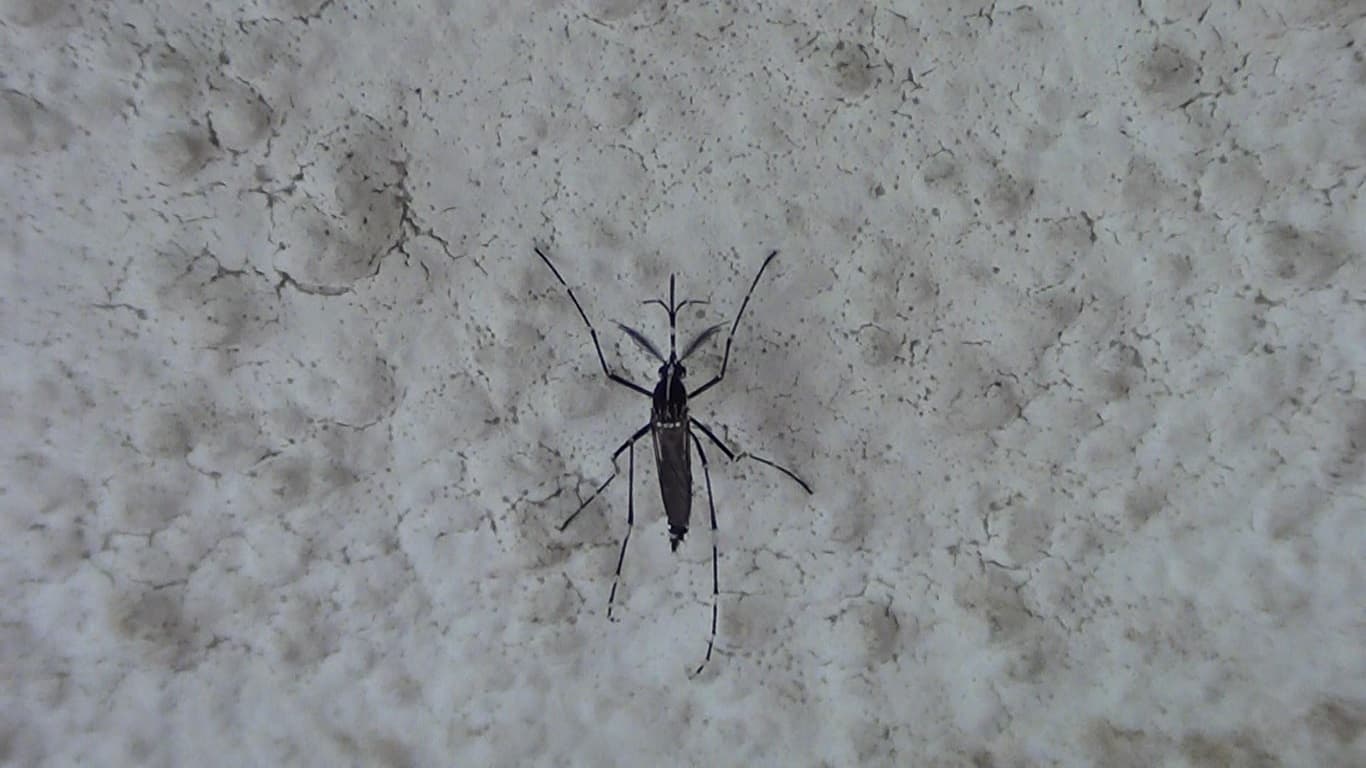
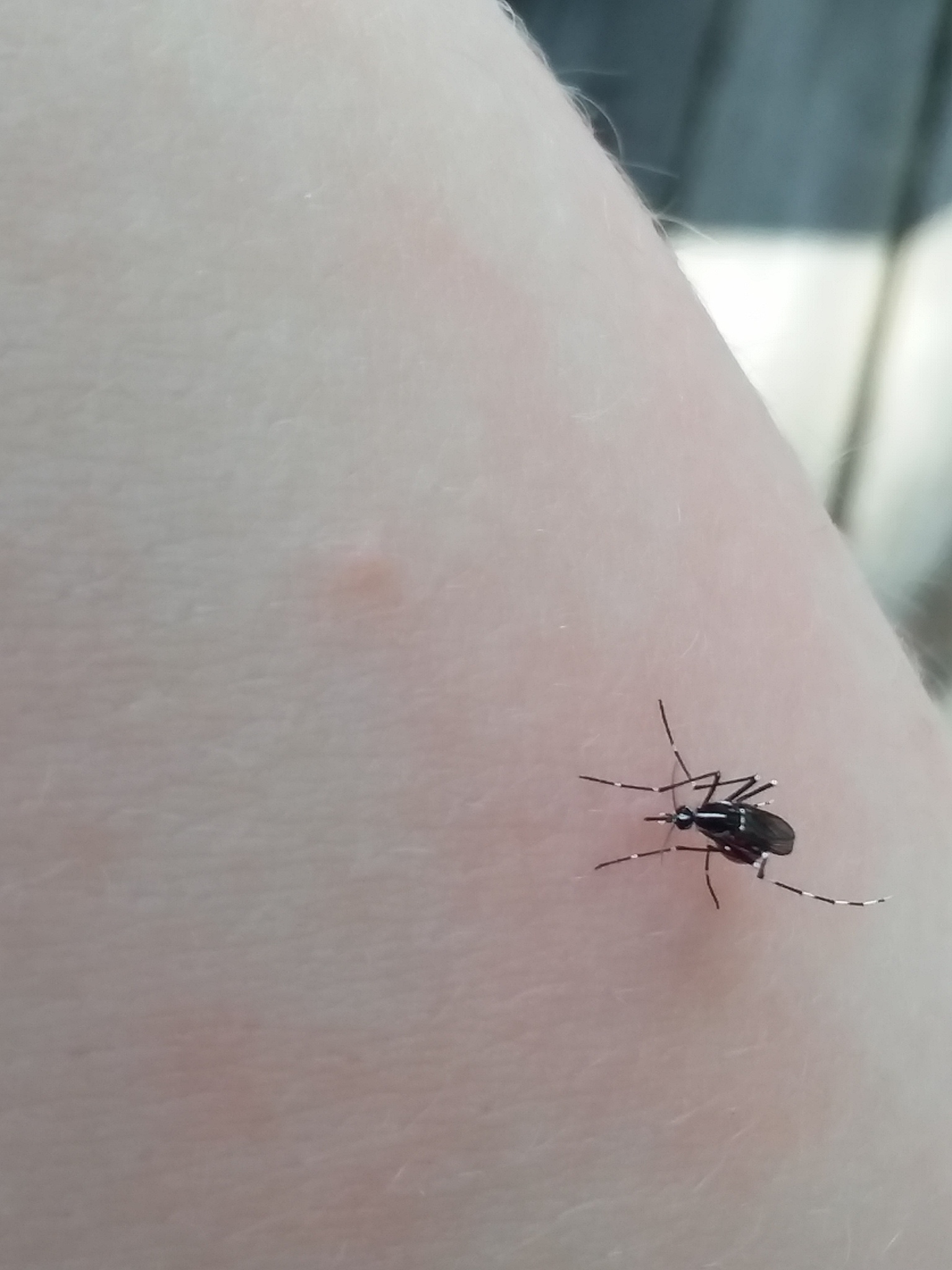
The tiger mosquito (Aedes albopictus) is no longer a Mediterranean curiosity: it is now established across the vast majority of mainland French departments. And summer 2026 opens in an unprecedented context. After a 2025 season marked by a record number of locally acquired cases of chikungunya, the national surveillance system was reactivated from 1 May to 30 November 2026. Here is what that means in practice, and the habits that genuinely push the mosquito back.
An unprecedented 2025 season
A locally acquired case — also called indigenous — refers to a person infected in France, without having travelled to an area where the virus circulates. This is the worrying indicator: it means the tiger mosquito transmitted the virus on the spot, from a sick person to a healthy one.
In 2025, mainland France recorded 809 locally acquired cases of chikungunya, according to Santé publique France. The Provence-Alpes-Côte d'Azur region alone accounted for 450 locally acquired chikungunya cases and 16 of dengue, spread across 35 distinct transmission episodes, mainly in the Alpes-Maritimes, Var and Bouches-du-Rhône departments — close to 60% of all mainland cases. The region had never seen such a level, and the trend has been rising steadily since 2022.
The local context explains the pressure: more than 97% of the PACA population lives in an area where the tiger mosquito is established. After overwintering as eggs, the larvae develop as soon as temperatures rise, producing adults ready to bite.
How heightened surveillance works
The system relies on a simple chain, but it only works if the first link does:
- Reporting. Every confirmed case of dengue, chikungunya or Zika — imported or locally acquired — must be reported without delay to the Regional Health Agency (ARS).
- Entomological investigation. The ARS, together with Santé publique France, investigates around the patient's home to detect the mosquito and assess the risk of secondary transmission.
- Mosquito control. If the mosquito is present, a vector-control treatment is triggered around the cases, carried out by the competent public operators (such as EID Méditerranée on the coast).
In other words: early diagnosis triggers everything. Hence the importance of seeking medical advice quickly.
Symptoms that should raise the alarm
Returning from an area where dengue, chikungunya or Zika circulate — mainly the intertropical zone — see a doctor without delay and mention your trip if you experience:
- sudden onset of fever;
- muscle and/or joint pain;
- headache;
- skin rash.
By protecting yourself from bites during this period, you above all avoid passing the virus on to local mosquitoes — and therefore to your neighbours.
What really counts: removing breeding sites
This is the most underestimated point. The tiger mosquito is a domestic, stay-at-home insect: it is born, lives and bites within a few dozen metres. 80% of breeding sites are found on private property, and a single saucer of water is enough to produce hundreds of mosquitoes.
It does not lay eggs in rivers or ponds, but in small pockets of standing water around the house. Every week, take five minutes to:
- empty flower pot saucers, buckets, toys, ashtrays and parasol bases;
- seal tightly rainwater butts, drums and tanks (lid or mosquito netting);
- store under cover anything that can hold water (wheelbarrows, watering cans, tyres);
- clear the gutters and drains, often clogged with leaves;
- maintain pools, ponds and inspection chambers, and change the water in vases.
Indoors, add mosquito screens on openings, a suitable repellent on exposed skin, loose long clothing, and a fan — the tiger mosquito flies poorly in moving air. For the full set of everyday protective measures, see our guide tiger mosquito: protect yourself and limit its spread.
A collective effort… or a pointless one
The classic pitfall: treating your own home while the neighbour's saucer keeps producing larvae. Since the tiger mosquito barely travels, effectiveness depends on neighbourhood coverage. Talk about it around you, in the building association or at neighbourhood meetings: a mobilised street achieves results an isolated garden never will.
Beware of one misconception too: spraying insecticide on adults solves nothing lasting. Without removing breeding sites, egg-laying resumes within days, and repeated treatments encourage resistance. The targeted mosquito control carried out by the authorities around cases is an emergency vector-control tool, not a comfort routine.
When to call a professional
If pressure remains high despite rigorous removal of breeding sites — a wooded garden, a co-ownership with ponds, business premises, a restaurant terrace — a professional survey identifies hidden breeding sites (inspection chambers, traps, gullies, concealed water retention), applies a suitable larvicide treatment and puts lasting solutions in place (ovitraps, screens, adjustments).
Discover our anti-mosquito treatment services and our protection solutions and traps. You can also check our prices and our service areas.
Tiger mosquitoes taking over your home this summer? Contact our experts for a survey and a suitable treatment — and for urgent situations, our emergency service answers the same day.
In short — surveillance runs until 30 November 2026, reporting a case triggers investigation and mosquito control, and the essentials happen at home: one saucer emptied every week beats any insecticide.
A pest problem?
Our experts act fast and for good. Request a free assessment.
Request a free quoteOur services