Oak processionary caterpillar: the summer 2026 health risk

L'équipe AntinuisiblePro · Published on July 15, 2026 · 4 min read
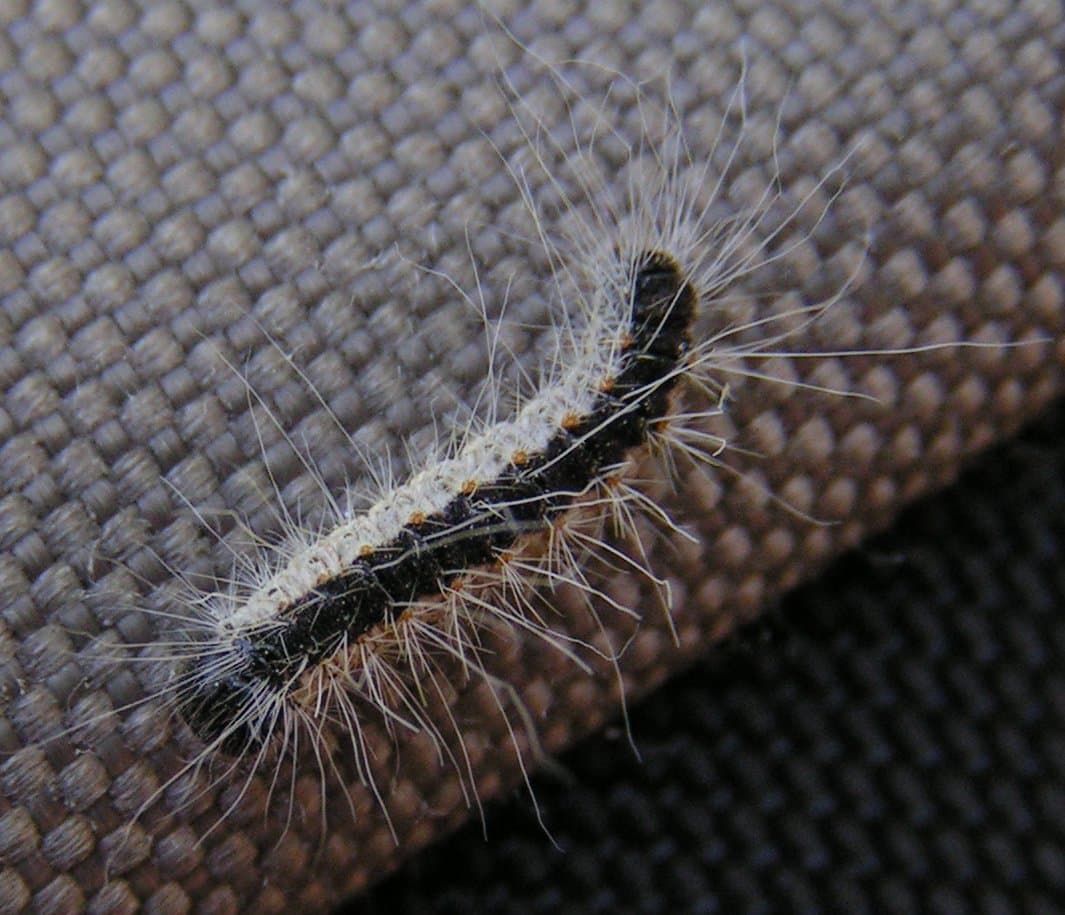
Close-up of an oak processionary caterpillar covered in urticating hairs

Her pine cousin has already returned to the soil since spring. But on the oaks of our parks, gardens and roadside trees, another stinging caterpillar keeps its cycle going: the oak processionary caterpillar (Thaumetopoea processionea). Active from April to August, peaking in June and July, it is now the main source of domestic exposure in summer. With the 3115 "Alerte Chenilles" reporting tool launched in January 2026 (veterinary emergencies) and recent bulletins from the Regional Health Agencies (ARS), summer 2026 is being prepared under an enhanced reporting framework.

A distinct species, a summer danger

Unlike the pine processionary that descends in line to the ground at the end of winter, the oak one stays on the tree throughout the stinging phase. It weaves silky nests pressed against the trunk and large branches, often discreet because they match the bark colour. In the heart of summer they are best spotted by the brownish patches the colonies leave on the bark and the processions that form along branches during the hot hours.

The danger comes from the microscopic stinging hairs the caterpillars release: each one carries between 500,000 and 700,000. They contain thaumetopoein, a protein that stays active for several months in the environment, including in empty nests. At the slightest gust of wind, these hairs can cause:

  • severe skin rashes and intense itching;
  • conjunctivitis and eye irritation;
  • asthma attacks or breathing difficulties in sensitive people;
  • in animals, a fatal risk: tongue necrosis if licked, Quincke's oedema, or even anaphylactic shock.
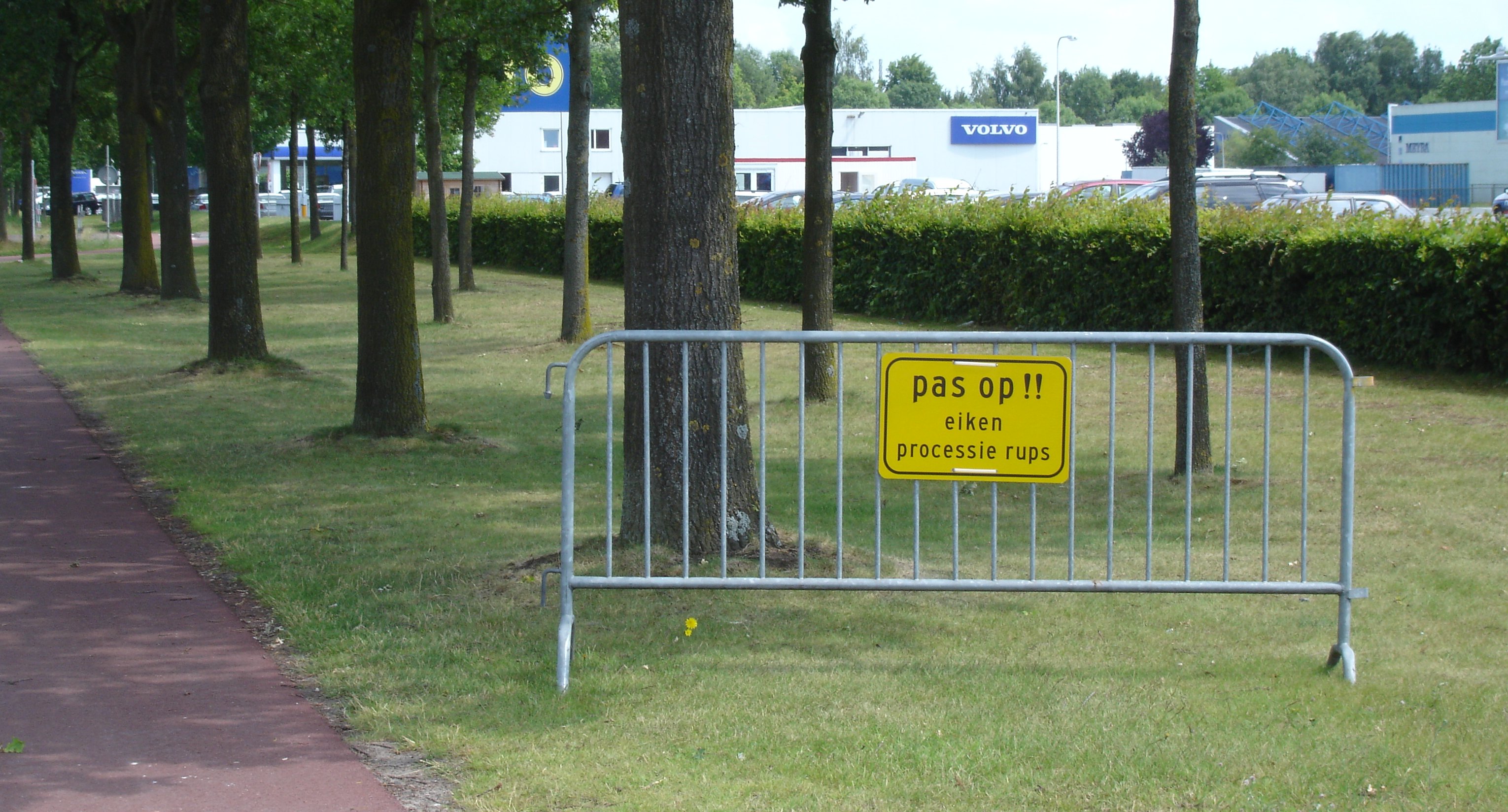
Warning sign and barrier set up at the foot of an oak tree infested with processionary caterpillars

Why summer 2026 is mobilising in particular

Several factors converge. First, climate change is extending the range of the oak processionary moth northwards and uphill: nests are reported in the Paris region, in the Hauts-de-France and now in Normandy, where it was confined to the south twenty years ago. Then, longer summers extend the exposure window, with a peak of reports observed in June and July by the ARS of Occitanie, Auvergne-Rhône-Alpes and Nouvelle-Aquitaine.

On the tools side, the 3115 (national veterinary emergency call centre) launched in January 2026 an "Alerte Chenilles" system: a free online platform that lets you report the presence of a nest (cocoons, processions, attacked bark patches) with geolocation and photos, to feed the ARS maps and organise targeted treatments. The ANSES and several prefectures have also published summer alert bulletins reminding owners and green-space managers of the duty to report spotted nests.
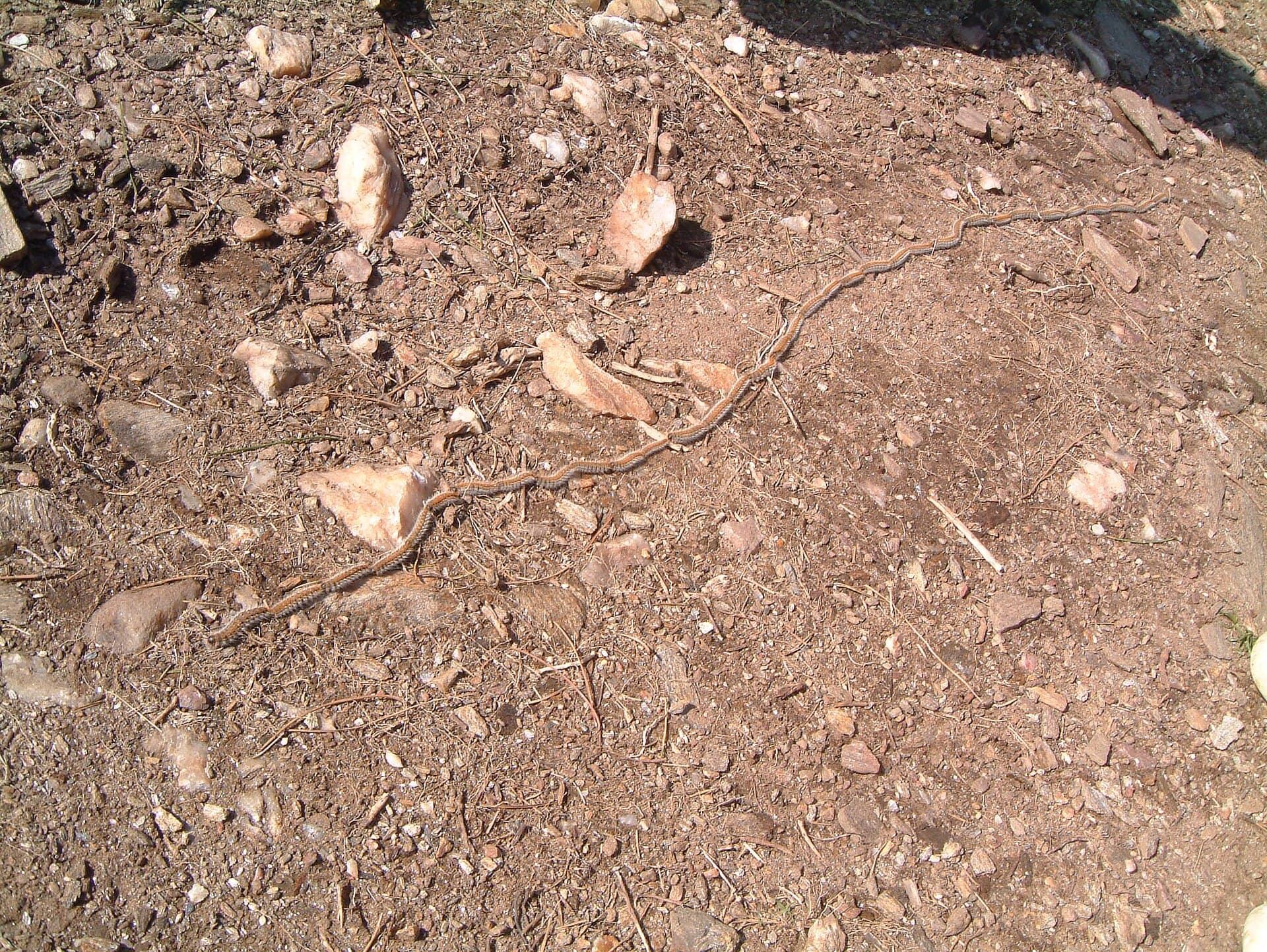
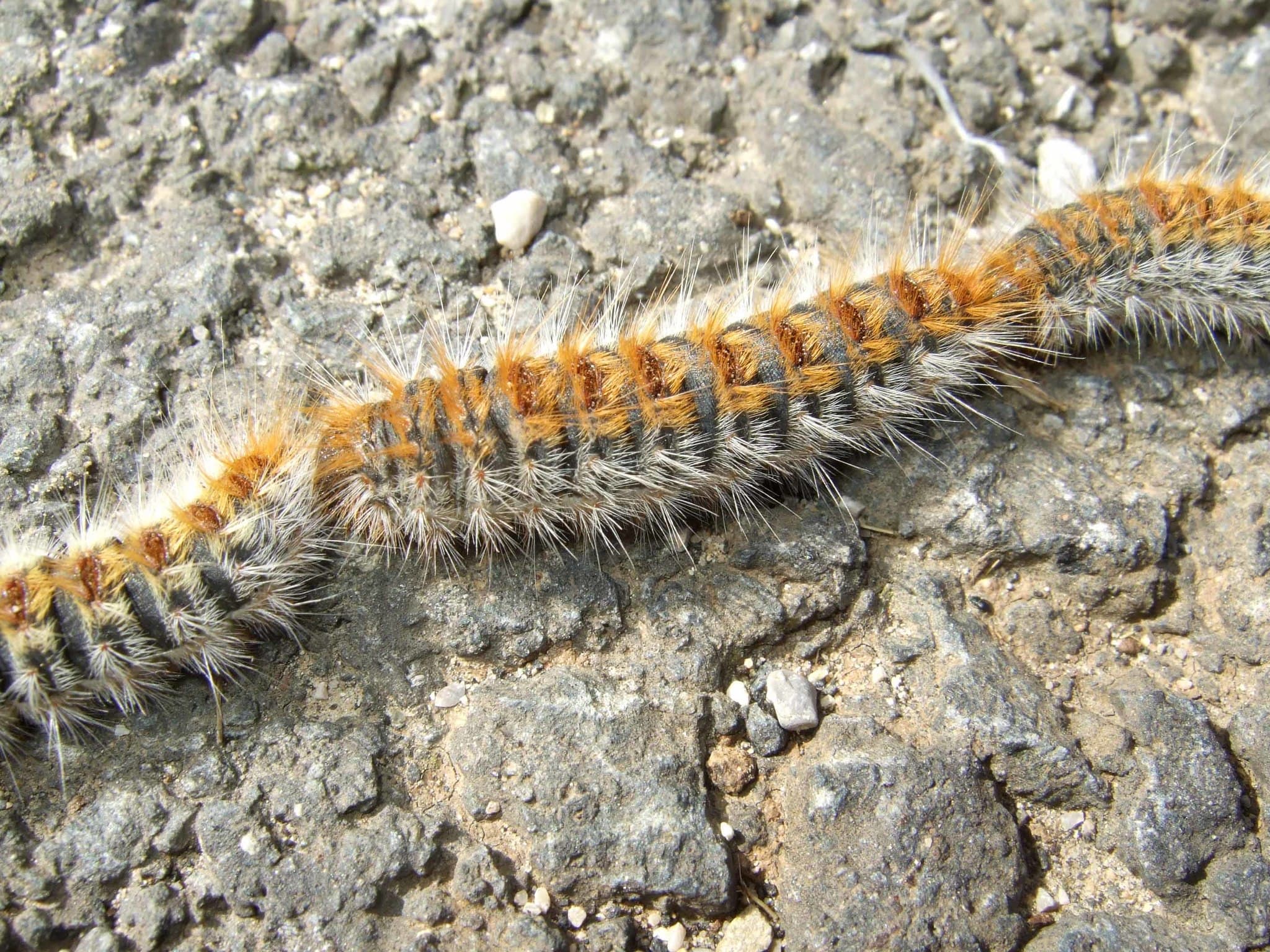
How to spot an oak processionary nest

Three signs to know, especially as summer approaches:

  1. Beige-grey silky patches pressed against the trunk or at the base of large branches, on an oak (rarely on other species).
  2. Brown-orange caterpillars with black heads, 2 to 4 cm long, moving in a tight procession (not single file like the pine one).
  3. Local dieback on some branches, with yellowing leaves in places, a sign of intense feeding activity.

To avoid confusion, our reference guide processionary caterpillars: a stinging pest classified as a health hazard details the difference between the two species and the protection reflexes.

Right reflexes in case of exposure

Whether the reaction affects a human or an animal, the first gestures matter. Never rub the affected area: the stinging hairs break and dig in. Rinse thoroughly with clear water (without rubbing), wash clothes at 60 °C, shower and change outfit. In case of breathing difficulty, facial swelling or extended reaction, call the 15 (emergency medical services) or see a doctor. For an animal, veterinary emergency is vital: dial 3115 or contact your vet without delay.

Never touch a nest, even an empty one: hairs stay stinging for months. Keep children and animals away from infested oaks and report the nest via the 3115 "Alerte Chenilles" platform or to your town hall.

How a professional intervenes

Removing nests in mid-summer is delicate: the hairs are at their highest concentration and the dispersion risk is high. Professionals use full sealed suits, biocide spraying poles with approved products and aspiration devices that collect nests and caterpillars without contaminating the environment. An intervention takes two passes: active nest destruction then a check a few weeks later to make sure no residual procession has slipped through.

For households, prevention remains the first barrier: don't stand under an infested oak, avoid contact with low branches, and have it treated by a professional as soon as it's reported. Discover our stinging caterpillar control services and our garden-friendly protections and traps to reduce the summer pressure.

Spotted a nest on an oak near you? Contact our experts for a free diagnosis or, in case of emergency, request a quick intervention in line with your departmental ARS protocols.

A pest problem?

Our experts act fast and for good. Request a free assessment.

Request a free quoteOur services

Back to the blog

CallFree quote