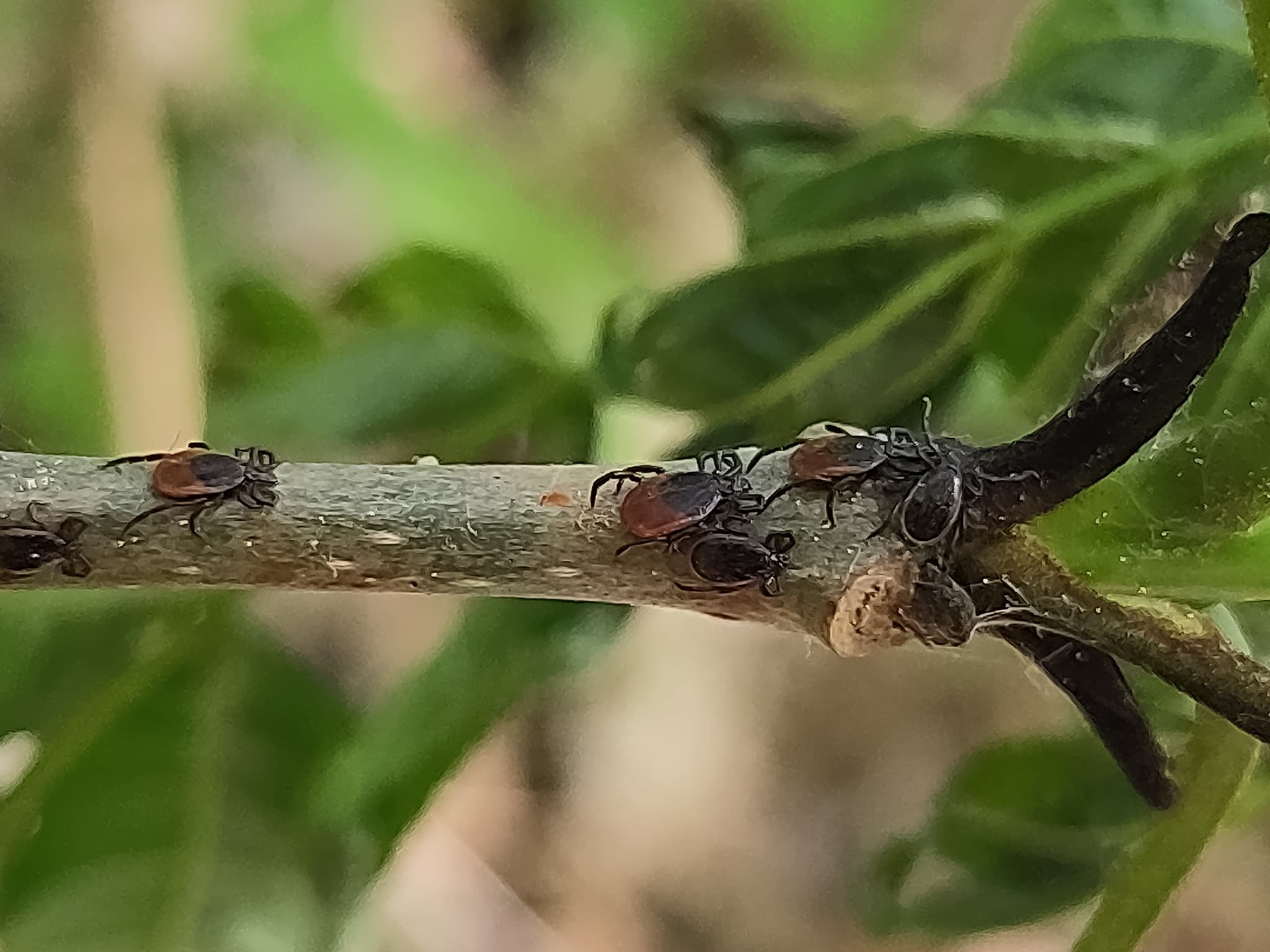
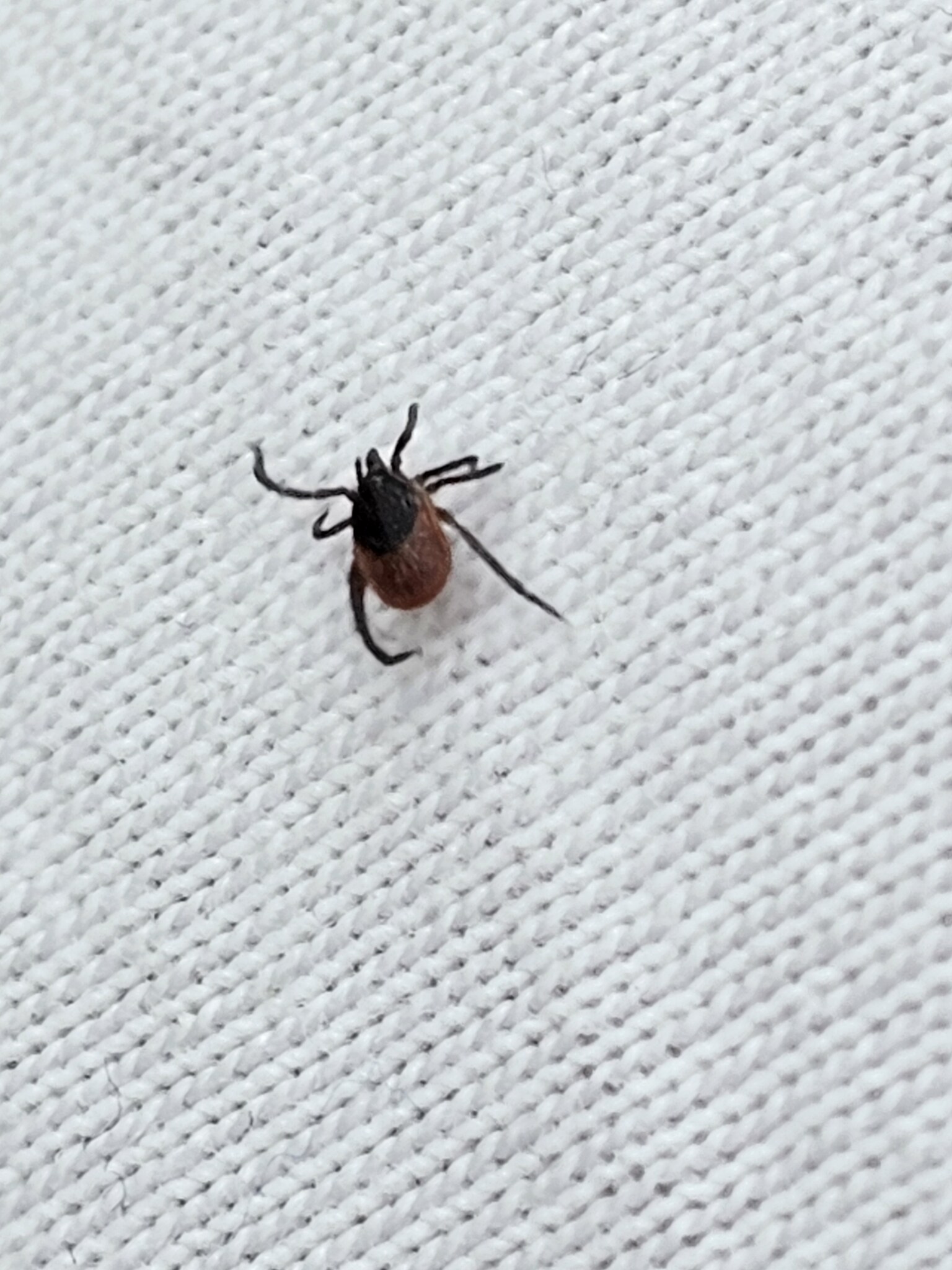
Small, silent, and yet the leading cause of vector-borne disease in France. The tick Ixodes ricinus — the one you encounter in tall grass, undergrowth and gardens — makes summer 2026 a season to watch closely. Between the national "Tiques & Vous" Week organised by CiTIQUE from 25 to 31 May 2026, the update of the ANSES 2025-2030 roadmap on tick-borne diseases, and the continued northward expansion of its range, the health risk has shifted: it now concerns the vast majority of mainland France.
A still-rising Lyme disease trend
Lyme disease (or Lyme borreliosis) is the most common tick-borne infection in France. According to Santé publique France, the average regional incidence is estimated at around 100 cases per 100,000 inhabitants over the 2020-2024 period, with higher rates in the East, the Massif central and the Alps. Nationally, several tens of thousands of cases are diagnosed every year, and the trend has been rising since 2017.
ANSES, in its opinion published in 2024 and consolidated in the 2025-2030 roadmap on tick-borne diseases, points to three factors driving this progression: the geographical expansion of Ixodes ricinus, the lengthening of the activity period linked to warming, and the increase in public attendance of natural spaces.
Why 2026 is mobilising in particular
Three concrete elements change the picture this summer:
-
A wider range. Ixodes ricinus is now reported in more than 75 mainland departments, compared with a range historically centred on the East and the Massif central. CiTIQUE-TRACKER reports confirm a clear progression in Île-de-France (the Fontainebleau, Rambouillet and Sénart massifs), in Hauts-de-France (the Compiègne and Hez forests), in Normandy (Suisse Normande, the Orne forests) and now along the Atlantic coast. The tick is even being detected in some urban parks, as far as the edge of the Mediterranean.
-
A longer activity season. With milder winters and earlier springs, the exposure period now extends from March to November, with a peak in May-June then a second one in September-October. ANSES stresses the risk of residual winter activity in southern regions.
-
A national mobilisation. The "Tiques & Vous" Week of 25 to 31 May 2026, led by the participatory research programme CiTIQUE (INRAE), was an opportunity to revisit preventive measures. The free "Signalement TIQUE" app, already used by more than 26,000 people, lets you report a bite (human or animal) in under three minutes, with geolocation, a photo and symptom follow-up.
Where and when bites happen
A few misconceptions to correct: the tick does not fall from trees. It lives in tall grass, ferns, moss and leaf litter, and climbs onto a passing host (human, dog, deer, rodent) by clinging to shoes, trousers or fur. It then bites in a warm, moist area: the backs of the knees, the groin, the armpits, the navel, the scalp, behind the ears.
The most common high-risk situations in summer:
- Gardens and uncut lawn edges, especially at the edge of forests or hedgerows;
- Forests and undergrowth during hikes, mushroom-picking or bivouacking;
- Urban and peri-urban parks (bois de Vincennes, bois de Boulogne, state forests);
- Lawn mowing and leaf raking, which stir up ticks hidden in the vegetation.
What to do in case of a bite
The right reflex makes all the difference. To be done without delay, on yourself or on an animal:
- Remove the tick immediately with a tick remover (sold in pharmacies), gripping the animal as close to the skin as possible and pulling gently upwards, without twisting or rotating. Tweezers, eyebrow tweezers, ether or oil are to be avoided: they cause the tick to regurgitate and increase the risk of transmission.
- Disinfect the area with an antiseptic, then wash your hands.
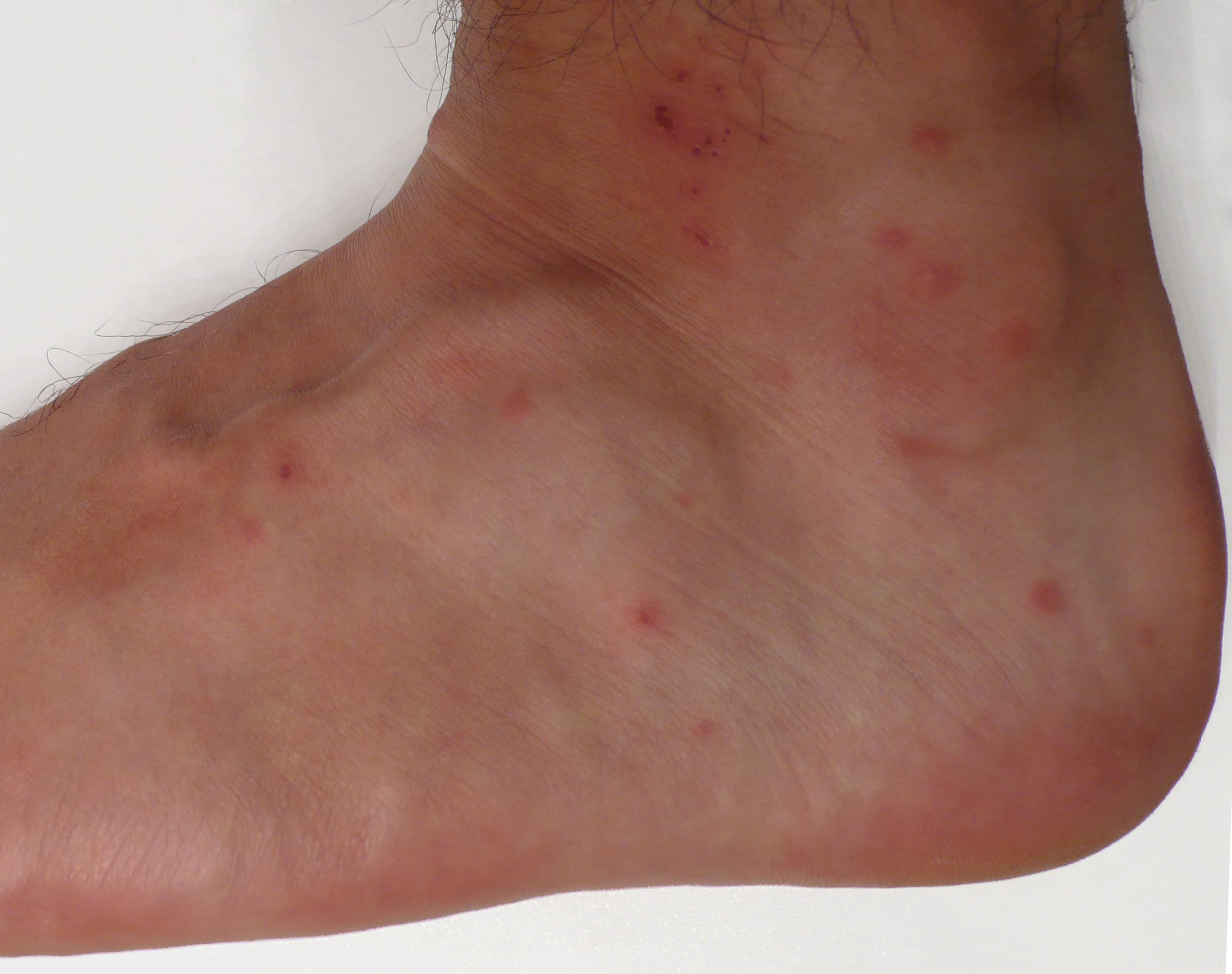
- Monitor the bite area for 30 days: the appearance of an erythema migrans (a red patch that spreads in a ring, sometimes more than 5 cm) warrants a prompt medical visit. The same applies to a fever, joint pain, unexplained fatigue or neurological disorders.
- See a doctor promptly if any symptoms appear: a short course of antibiotics (usually doxycycline) is highly effective when started early.
- Report the bite on the Signalement TIQUE app (citique.fr) or via signalement-tique.fr: this feeds the national map and enables personalised follow-up with an automatic reminder system.
Prevention: the right reflexes before and after time outdoors
Before any outdoor activity:
- Wear long, light-coloured clothing (the tick is easier to spot), closed shoes, trousers tucked into socks or shoes;
- Apply a skin repellent containing DEET (30-50%), icaridin or IR3535 to exposed areas (respecting the contraindications, particularly for pregnant women and young children);
- Stick to clear paths and avoid walking through tall grass, ferns or scrub.
During and after the activity:
- Inspect the whole body within two hours of getting back, including skin folds, the scalp, behind the ears, the nape of the neck and the groin;
- Inspect clothing too and pets (an unprotected dog can bring several ticks back into the home);
- Shower quickly to dislodge ticks not yet attached;
- Treat animals with a suitable external parasiticide (collar, pipette, tablet) and inspect them after every outing.
In the garden, mowing the lawn regularly, clearing the edges, maintaining the hedges and raking up dead leaves sharply reduces refuge zones. Our guide on choosing the right household pest-control products reviews the categories of repellents and outdoor treatments compatible with domestic use.
When to call a professional
For large gardens, business parks, municipal campsites, leisure centres or land open to the public, a professional treatment of green spaces can durably reduce tick density. Operators use approved biocides applied by targeted spraying on refuge zones (edges, tall grass, undergrowth), combined with landscaping measures (mulching, brush clearing, drainage of damp areas).
The intervention takes place in two passes: a presence diagnosis (dragging a flag, visual check) then a targeted treatment on confirmed positive zones, with a safety delay to be observed before children or animals return.
Discover our tick treatment services for green spaces and our repellents and protections suited to gardens. You can check our prices and our service areas to confirm coverage of your municipality.
A confirmed bite, doubt over an expanding patch, or a heavily infested garden? Contact our experts for a free survey or, in an urgent situation, request a rapid intervention — every summer counts in the prevention of Lyme disease.
In short — Ixodes ricinus is now present in more than 75 departments, the activity season runs from March to November, and Lyme disease affects several tens of thousands of people every year in France. The right reflex remains the triptych: long clothing + repellent + body inspection within two hours. In the event of a bite, tick remover, antiseptic, 30-day monitoring and prompt medical advice if an erythema migrans appears.
A pest problem?
Our experts act fast and for good. Request a free assessment.
Request a free quoteOur services