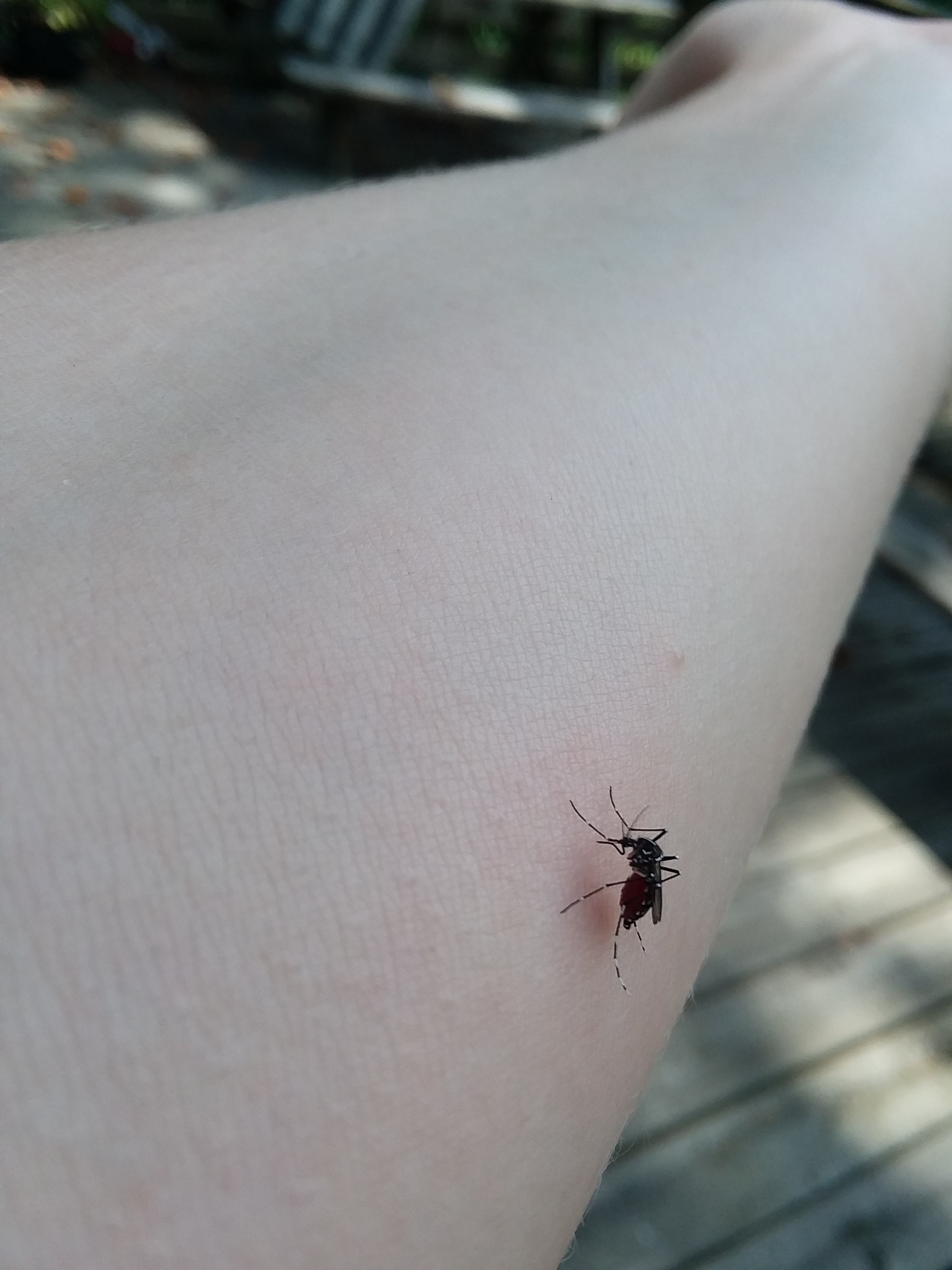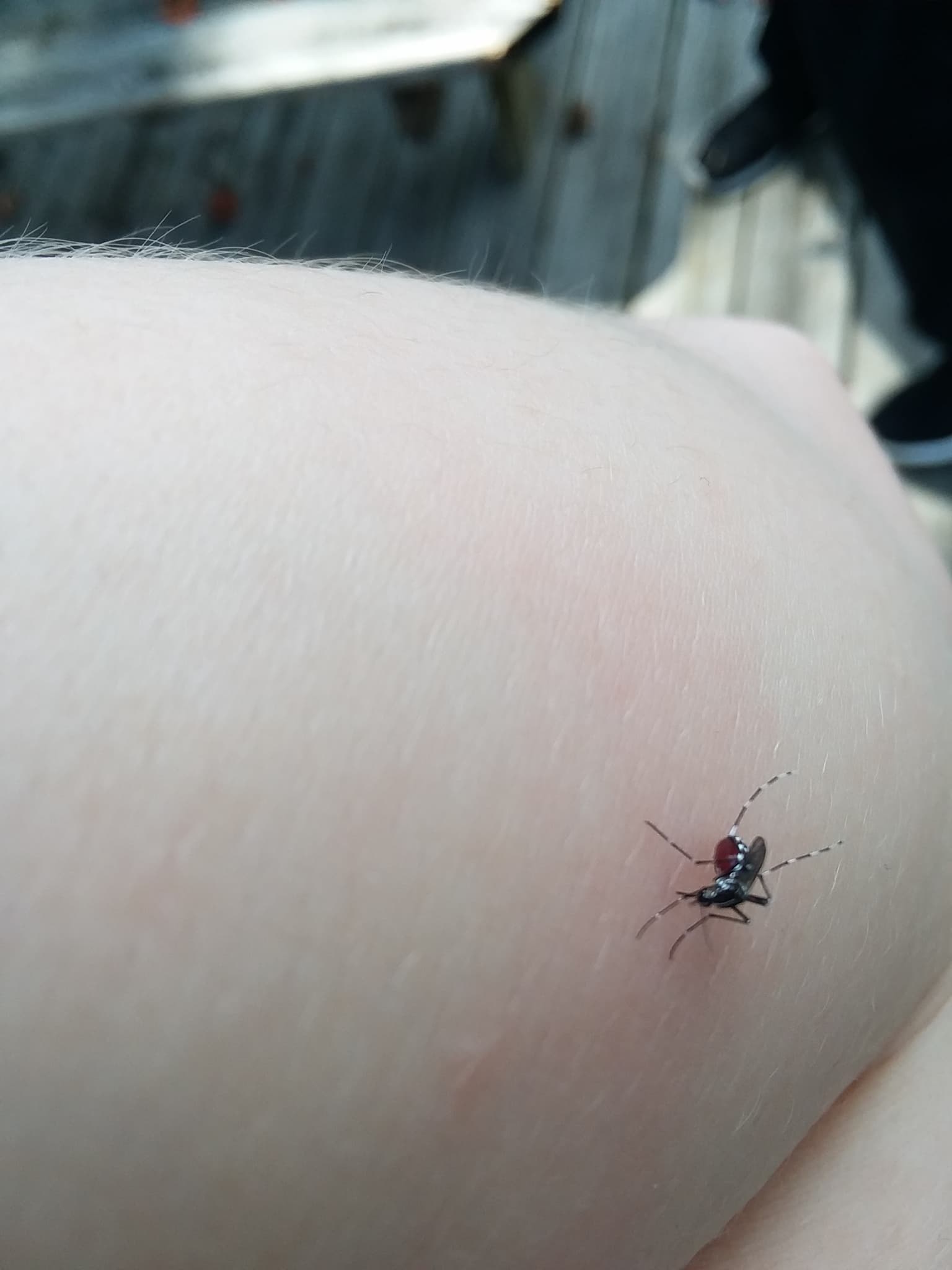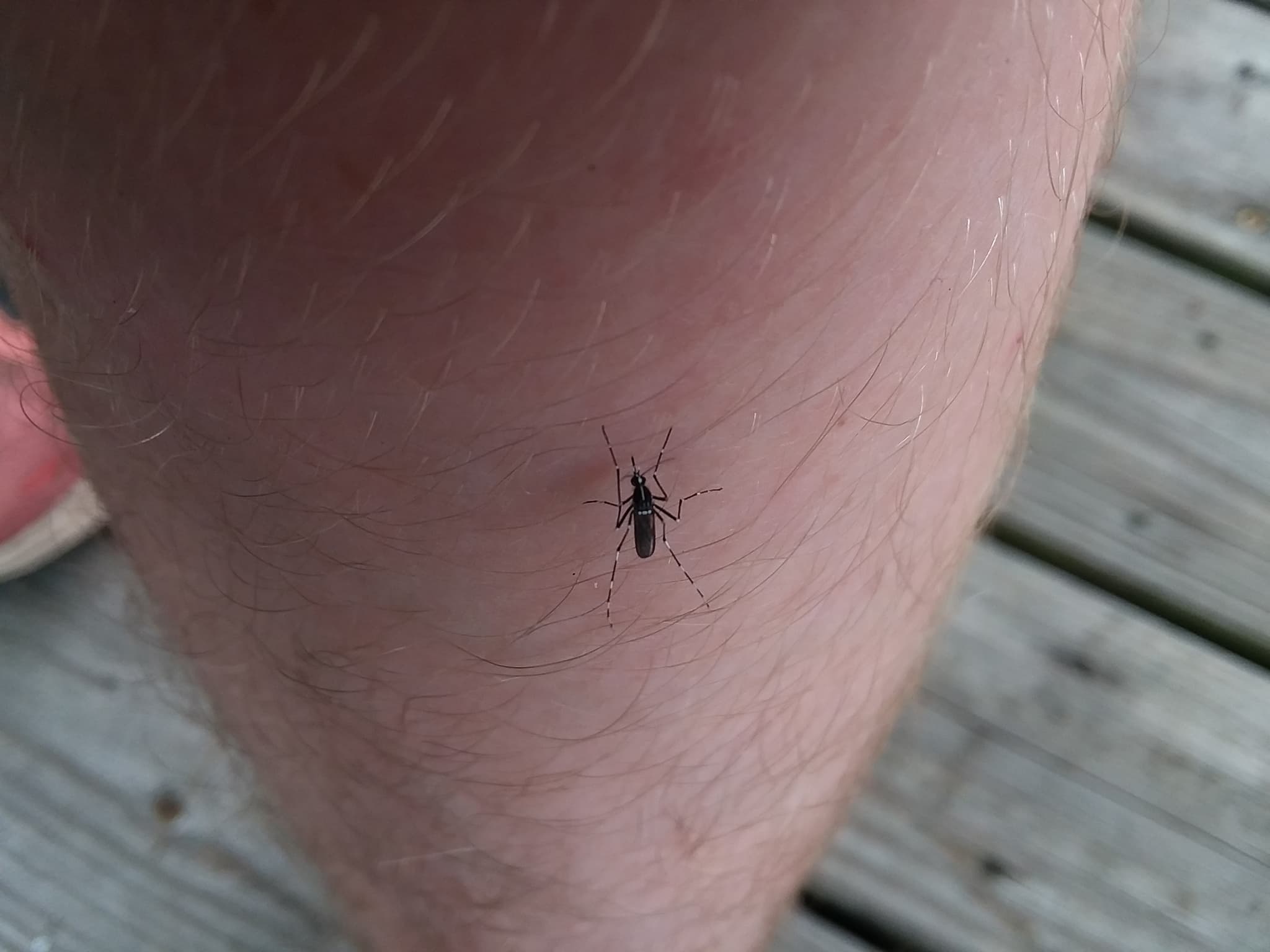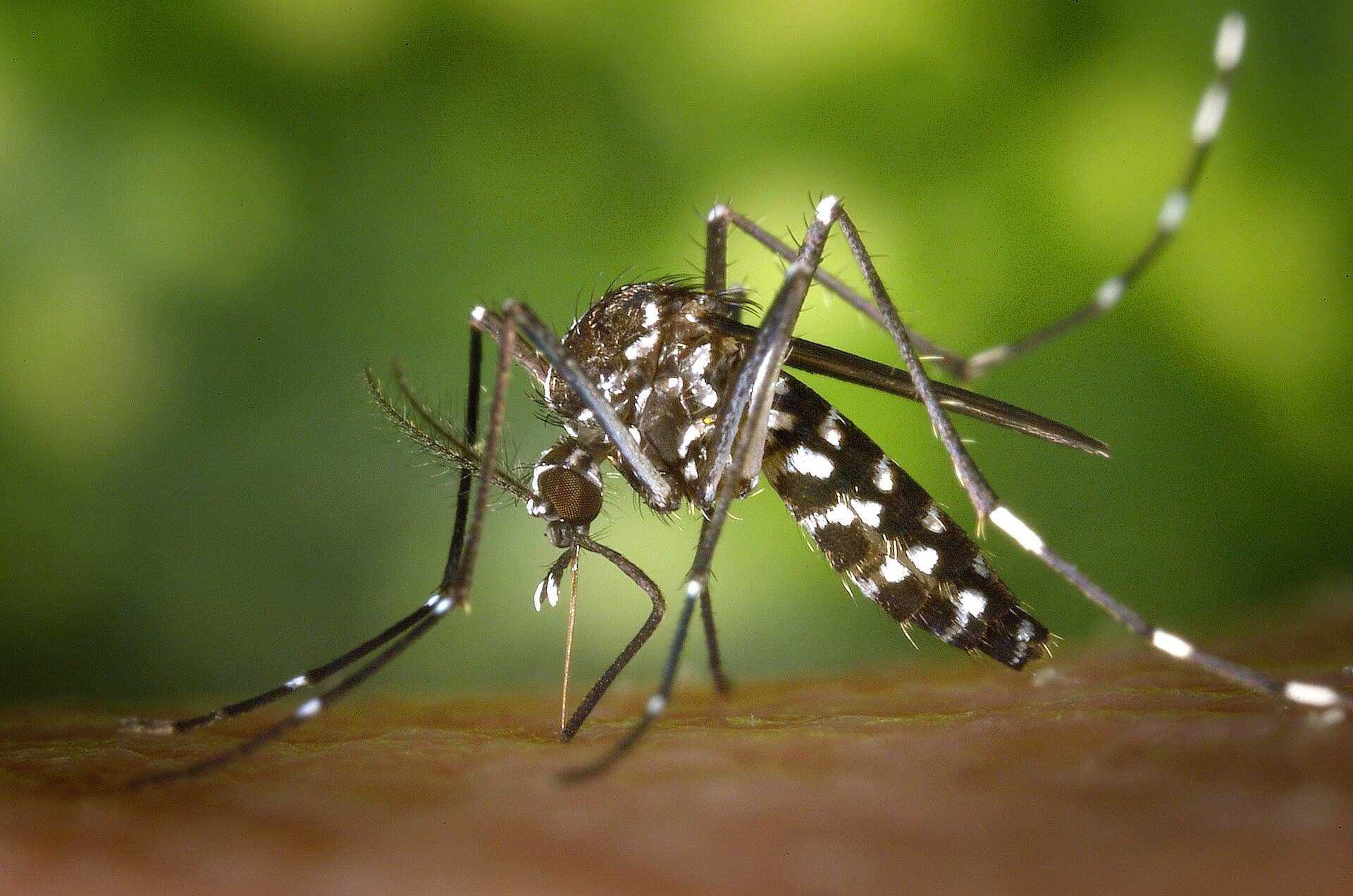
The Île-de-France Regional Health Agency (ARS) confirmed at the start of July 2026 an indigenous dengue cluster in Val-de-Marne and Essonne, with around fifteen cases identified in a few weeks — a level never reached in the region since the start of enhanced surveillance. This is a local transmission event: the patients were infected in mainland France, with no recent travel to tropical areas. The vector is, as expected, the tiger mosquito (Aedes albopictus), long established in these departments. Here is what this episode changes, and the concrete steps that actually cut the risk around your home.
Indigenous dengue: what we are actually talking about
An indigenous case is a person infected in mainland France, with no recent stay in a region where the virus usually circulates (Caribbean, Latin America, Southeast Asia, Indian Ocean). It is the key indicator that worries health authorities: it proves that a local tiger mosquito bit an infected person — often a returning traveller — and then transmitted the virus to other people within a radius of a few hundred metres.
Dengue is an arboviral disease transmitted by Aedes mosquitoes (mainly Aedes aegypti in tropical areas, Aedes albopictus in temperate areas). It appears, after an incubation of 3 to 14 days, with:
- a sudden high fever (often > 39 °C);
- intense joint and muscle pain, which gave it the historical nickname "breakbone fever";
- headaches, a skin rash, sometimes nausea;
- and, in severe forms (dengue haemorrhagic fever), bleeding that requires emergency hospitalisation.
The good news: the vast majority of cases are mild and resolve within a week. The bad news: there is no specific treatment, and a second infection with a different serotype significantly increases the risk of severe disease. Which is why it is so important to limit bites and to reduce the local tiger mosquito population around confirmed cases.
Why this Île-de-France cluster is a turning point
Several elements make the July 2026 episode particularly significant.
The national 2025 trend that preceded it
The 2025 season was already marked by a historic record of indigenous cases in mainland France: 809 chikungunya cases and several dozen dengue cases according to Santé publique France. Almost all clusters were concentrated in Provence-Alpes-Côte d'Azur, with 450 indigenous chikungunya cases and 16 dengue cases in the region alone — that is 60 % of French cases in a territory where 97 % of the population lives in an area colonised by the tiger mosquito. It was this record level that led the Ministry of Health to reactivate, on 1 May 2026, the national enhanced surveillance scheme until 30 November 2026.
The shift to Île-de-France
The cluster identified at the start of July 2026 in Val-de-Marne and Essonne — departments where the tiger mosquito has long been established and where the population density is among the highest in France — marks a step change. Île-de-France had previously only been affected by imported cases (people infected while travelling and returning ill). The occurrence of a local transmission chain in such a densely populated area considerably widens the risk map: every department where Aedes albopictus is now active should be considered a territory at risk of indigenous transmission, and not just a territory at risk of exposure to the mosquito.
The role of weather conditions
Summer 2026 is opening with high night-time temperatures and a persistent drought over much of northern France, according to Météo-France bulletins. These conditions accelerate the tiger mosquito's life cycle: egg-to-adult in 7 to 10 days instead of 14 in a cooler year, and a longer adult lifespan, so each mosquito can bite more people.
The health authorities' response
The Île-de-France ARS, together with Santé publique France and the mosquito-control operators (in particular EID Méditerranée when called on outside its historical area, or accredited local contractors), triggered the national vector-control protocol around the identified cases.
The action chain
- Mandatory reporting: any doctor who diagnoses dengue, chikungunya or Zika — imported or indigenous — must report it without delay to the ARS, which then coordinates the next steps.
- Entomological investigation: authorised agents visit the area around the patient's home and frequented places (work, shops, transport) to look for the tiger mosquito and assess the risk of secondary transmission.
- Targeted mosquito control: if the mosquito is present, a vector-control treatment is rolled out within a 150 to 200 metre radius of the cases. It combines a larvicide (Bti, Bacillus thuringiensis israelensis) on non-removable breeding sites and an adulticide by thermal fogging in the evening, when the mosquito is active.
- Local residents information: a flyer is distributed in the area, with the prevention steps to apply straight away.
The central role of early diagnosis
It is the first link that determines the effectiveness of the whole chain: the earlier the case is identified, the faster the control, the sooner transmission is cut. After returning from a trip to a tropical area, in case of sudden fever, joint pain and a rash, see your doctor and mention your travel: the confirmation blood test triggers the rest.