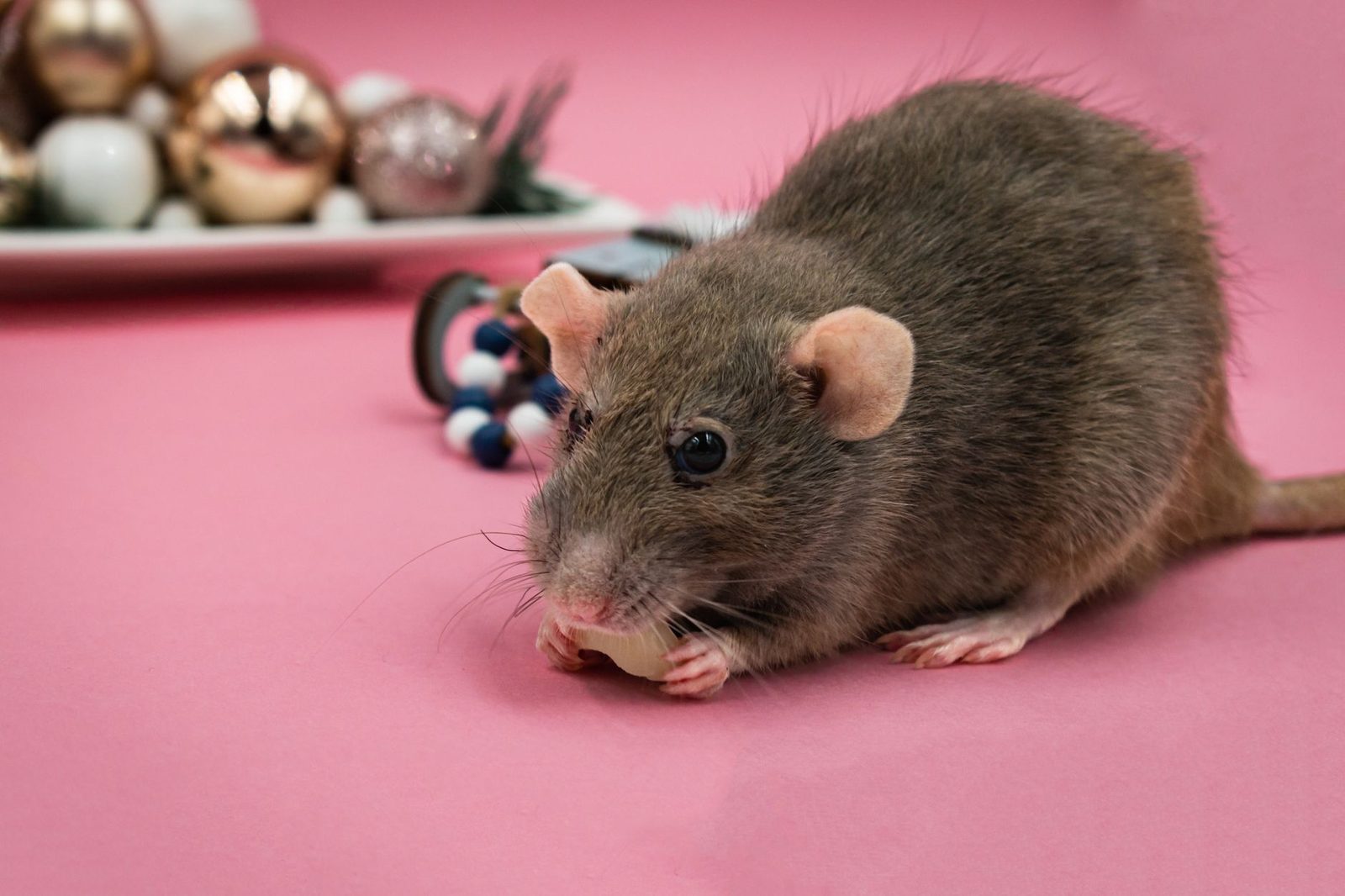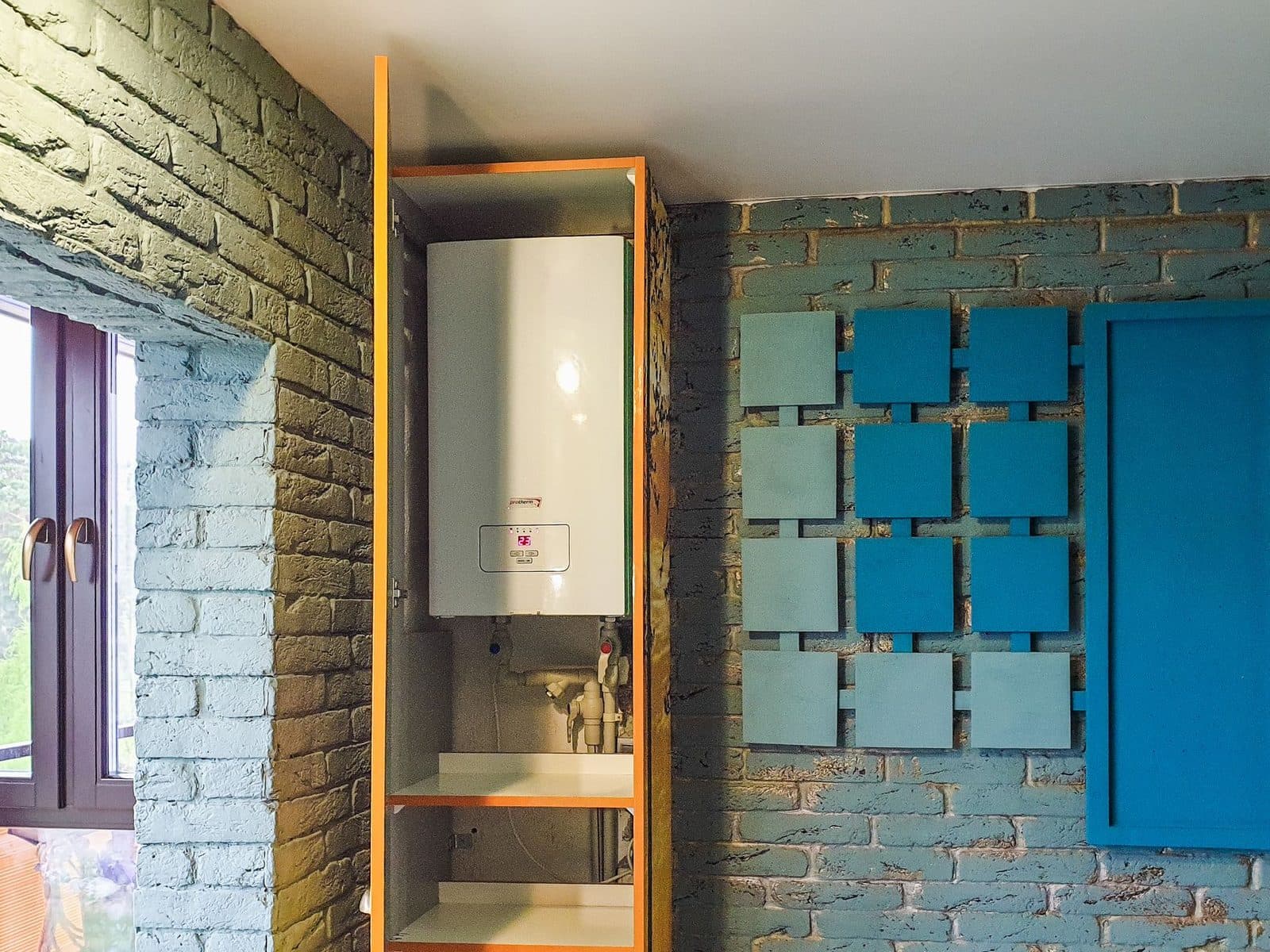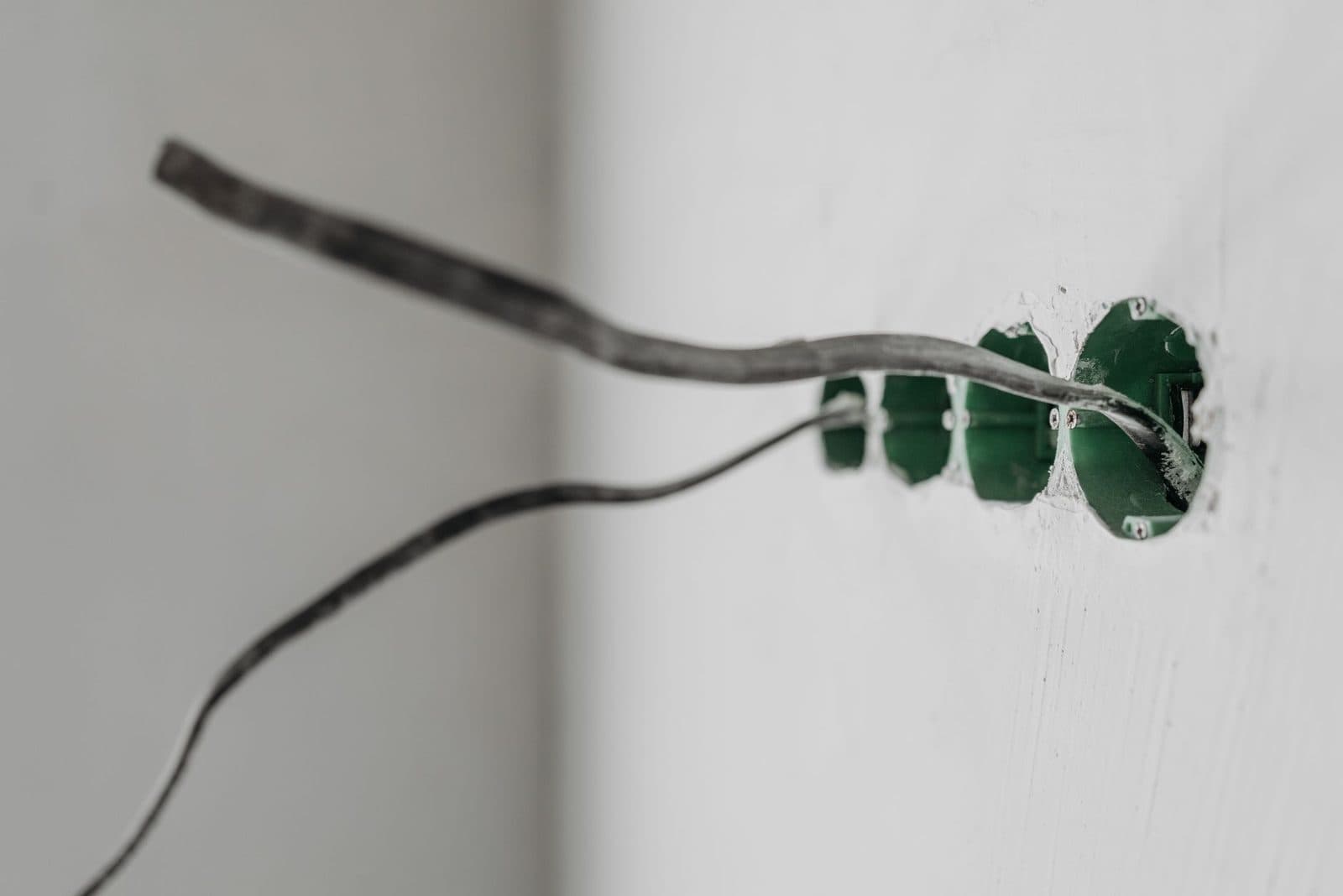
"For a fortnight, our dog started sleeping in the kitchen. She had never slept there. And every morning she was lying against the foot of the cupboard under the sink, her muzzle pressed to the bottom of the door. We thought she was cold. In fact she was standing guard." Three weeks later, this couple from Champigny-sur-Marne (Champigny-sur-Marne) discovered a mouse run behind the trap, in the hole for the water supply. Their dog had flagged it on the very first evening.
It is one of the earliest signs of an infestation in a house, and one of the most misread: the behaviour of a dog or a cat faced with a rodent often comes weeks before the visible droppings, the gnawed packaging and the night-time noises. The animal detects it by smell and by sound from the very first passage. The problem is not its reliability: it is our reading of it. We blame boredom, cold, an insect or "a noise in the street" for what is in fact an alert pinpointed to the centimetre.
This blog has already covered reading night-time noises, tracking down the nest in the structure and mice behind kitchen appliances. This article deals with the clue that comes before all the others: how to interpret what your pet is showing you, and what to check first thing the next day.

Why your pet knows before you do
Three senses against ours, and it is no contest.
Smell. A dog has several hundred million olfactory receptors, against a few million in humans. And a mouse marks its route constantly: drops of urine, sebaceous secretions left by its flanks and belly along walls. These markings form a continuous chemical trail — invisible to us, blazing bright to a dog. This is exactly the principle behind the detection dogs used to search for bed bugs: olfactory detection of a living organism hidden in the fabric of a building.
Hearing. Rodents communicate partly in ultrasound, above 20 kHz. A cat hears up to around 60–65 kHz, a dog up to about 45 kHz. Humans top out at around 15–18 kHz in adulthood. In other words: a mouse can "scream" in your kitchen without your hearing a thing, and your cat hears it perfectly. That explains the silent staring sessions, the ones where the animal reacts while you perceive nothing at all.
Spatial discrimination. A cat's mobile ears pinpoint a sound source to within a few centimetres. When it stares at a point on the wall, it is not staring at "the wall": it is staring at the exact spot.
The six behaviours that should put you on alert
They are not all equal. Here are the ones that, out on jobs, most often check out.
1. Prolonged staring at a low point
The animal sits or lies down and stares fixedly at a point between floor level and 30 cm up: the bottom of a baseboard, a gap under a unit, a ventilation grille, a pipe penetration. Duration: several minutes, sometimes an hour. The decisive feature: it comes back to the same spot, several days in a row. A cat that stares at a wall once may have heard the street. A cat that stares at the same metre of wall four evenings running is pointing to something stationary.
2. Scratching or digging at a baseboard
Mainly in dogs. The dog scratches the bottom of a cupboard, the baseboard-to-floor join, the seal of a threshold. Some chew the wood. This is excavating behaviour: it is trying to reach the source. At this stage, the rodent is moving behind the partition or under the unit.
3. Stubborn sniffing behind appliances
Muzzle wedged into the 5 cm between the washing machine and the wall, fast repeated sniffing. The backs of appliances are the areas most heavily used by mice in houses: warmth, darkness, crumbs, cable and pipe runs. If your pet keeps going back there, that is a strong signal.
4. A change of sleeping place
The dog or cat moves its usual bed to one particular room, often the kitchen, the pantry or the utility room. This is lookout behaviour. It is easy to put down to the heating, but it has to be cross-checked against the rest.
5. Regular night waking at the same time
The animal gets up, goes off to a room, comes back. Almost always between 10 pm and 2 am, the period of rodents' first activity peak. If it repeats at a stable time, it is not a dream.
6. The "gift" left for you
The most explicit, and paradoxically the least used: a cat that brings back a dead mouse, or even half a mouse. Many owners conclude "it caught it outside". Sometimes that is true. But if the catch appears indoors, in winter, and happens repeatedly, the population is inside or in immediate contact with the house — a garage, a garden shed, a void under a terrace.
The reading table
| What the animal does | Reliability | Where to check first |
|---|---|---|
| Stares at the same low point several evenings | Very high | Baseboard, pipe penetration, air vent at that exact spot |
| Scratches a baseboard or the bottom of a cupboard | High | Underneath the unit, trap, water supply, electrical conduit |
| Sniffs behind the oven / washing machine | High | Appliance plinth, holes through the wall, drip tray |
| Now sleeps in an unusual room | Medium | The whole room: low cupboards, pantry, hatch |
| Night waking at a fixed time | Medium | Ceiling of the room concerned, loft above |
| Stares at a ceiling or a recessed spotlight | Medium | Loft, conduit runs, blown-in insulation |
| Brings prey indoors | Variable | Outside perimeter: garage, shed, log pile |
What to check first thing the next morning
The animal's alert is only worth something if you turn it into an inspection. Three steps, twenty minutes.
1. Mark the spot. A piece of masking tape on the wall, at the exact place the animal was staring at. You think you will remember; you will not. Also note the time on your phone. After three or four nights, the pattern emerges.
2. Light it at a grazing angle. A torch set on the floor, beam parallel to the wall, room light off. Under grazing light, greasy rub marks, droppings and gnawing shavings jump out at you, whereas they are invisible under the ceiling light. A rechargeable torch with a focused beam is the best-value tool in a home inspection — and it also comes in handy in the cellar and the crawl space.
3. Take apart whatever comes apart without tools. The bottom drawer of a kitchen unit (it often lifts straight out), the trap cover, a clip-on baseboard, a ventilation grille. It is behind, not in front.
For what comes next — identifying what you find — see reading droppings, which distinguishes house mouse, brown rat and wood mouse by the shape and size of the droppings.