Rodent-chewed wiring at home: the fire risk

· Published on · 12 min read
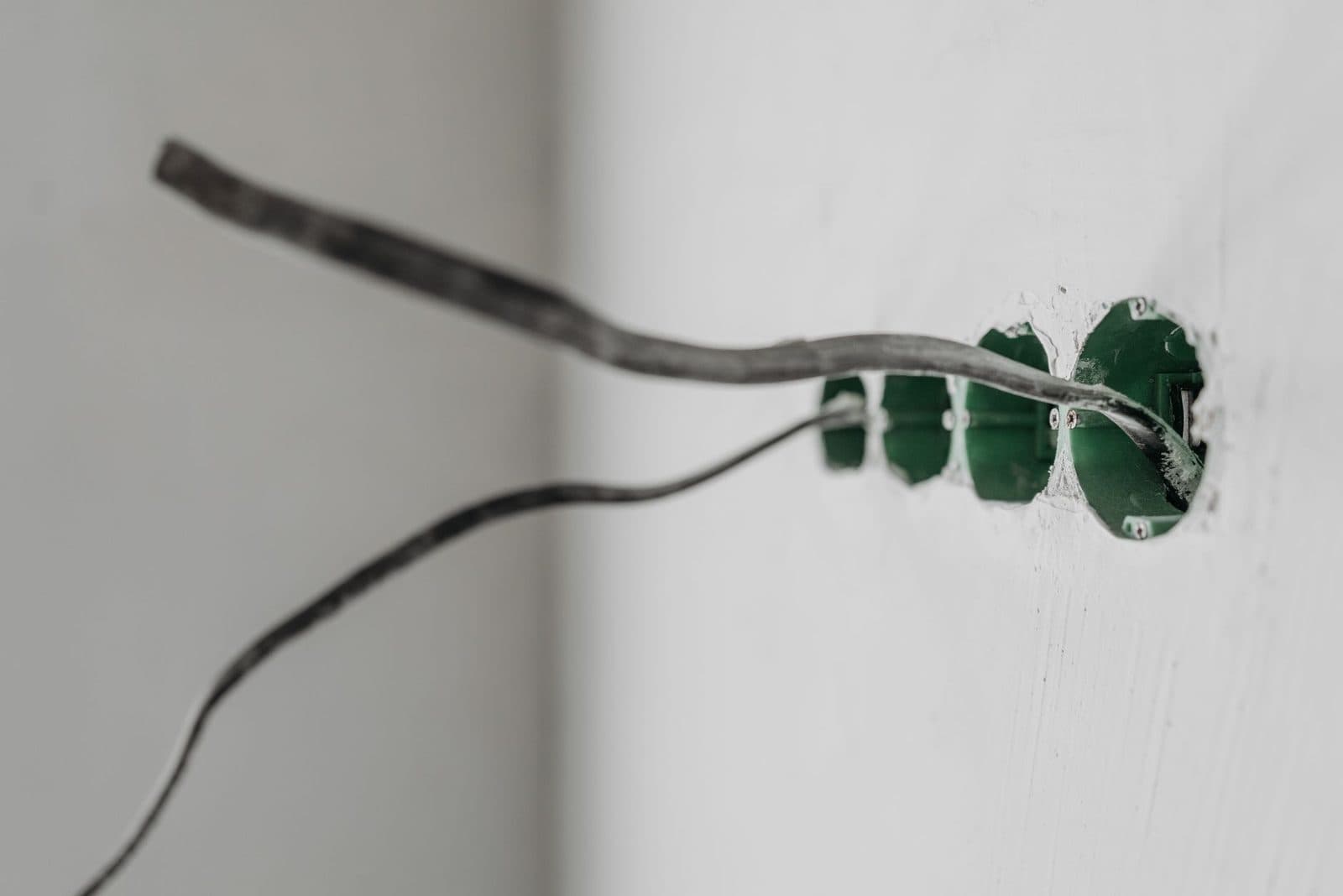
Bare electrical wires emerging from a green wall box in a white wall

"The upstairs breaker tripped once a week, always in the evening. The electrician searched for two hours. He found the conduit for the socket circuit, up in the loft, split open over ten centimetres, with two wires stripped down to the copper." This homeowner in Saint-Maur-des-Fossés thought he had an electrical problem. What he had was a rodent problem expressing itself through the wiring.

This is one of the quietest and most frequently misdiagnosed forms of damage caused by an infestation in a house. People watch for droppings, noises, torn bin bags. Almost nobody looks at what those teeth are doing to conduit, cables and terminal blocks — even though this is the only damage that can turn a nuisance into a full-blown claim. This article is not about the car in the garage, already covered here, but about the house's own electrical installation: loft, crawl space, cellar, consumer unit, junction boxes.
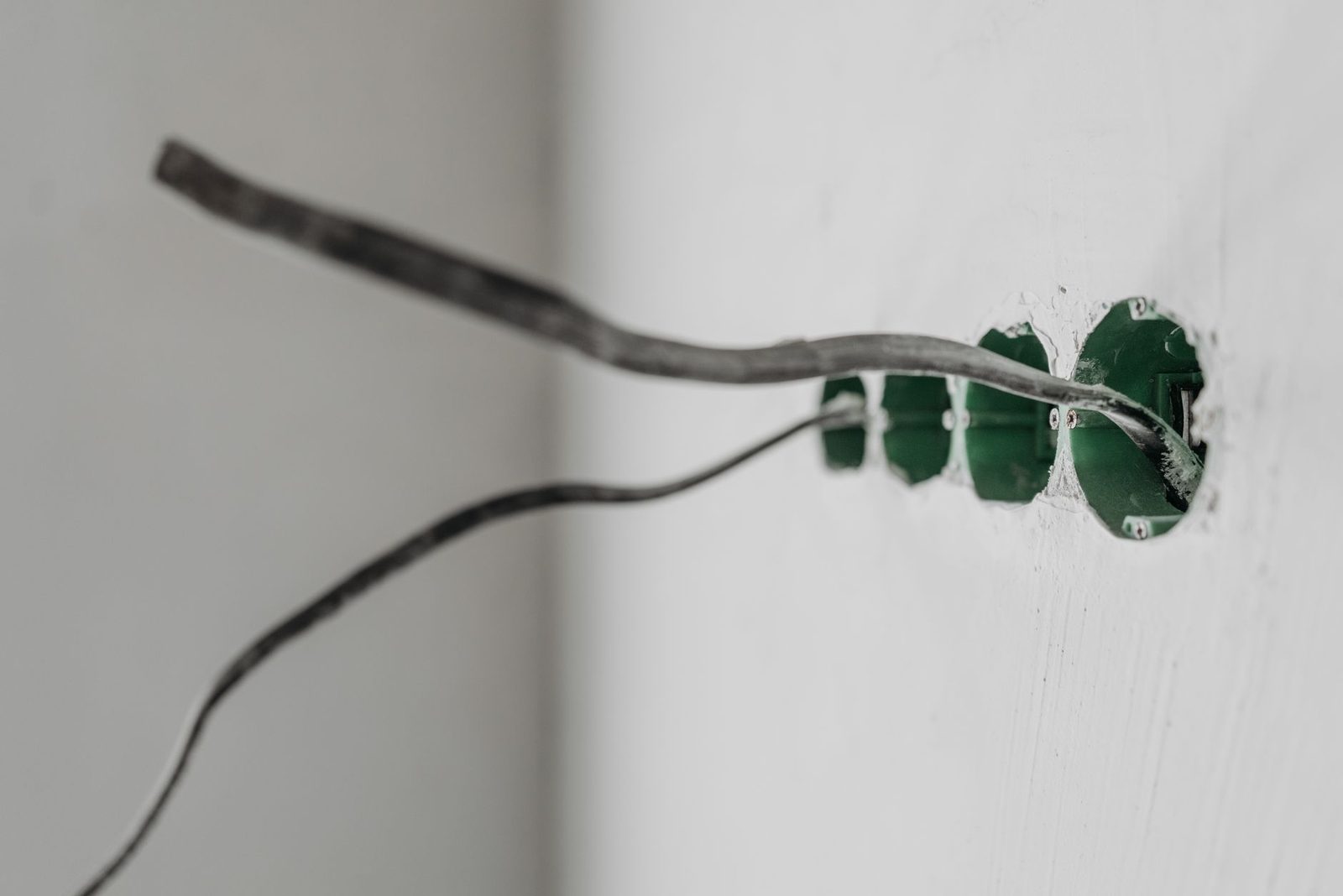
Bare electrical wires emerging from a green wall box in a white wall

Why a rodent attacks a cable it cannot eat

A rat or a mouse does not chew a cable for food. Three mechanisms combine:

  • Wearing down the incisors. Rodent incisors grow continuously — on the order of several millimetres a week in the house mouse. Without wear, they become disabling. So the rodent looks for materials of medium hardness: softwood, plastic, cable insulation. The PVC of a flexible conduit is an ideal abrasive.
  • Clearing the way. A cable or a bundle lying across a route under the insulation is an obstacle. It gets severed like a root.
  • Gathering nesting material. Shavings of conduit, fibres of insulating tape, scraps of sealing foam all end up in the nest. You find them mixed with glass wool and shredded paper.

The most exposed circuits are not the most powerful ones, but the most accessible:

AreaWhat gets chewedWhy it happens so often
Loft and roof spaceConduit laid on the insulation, light fitting cablesWarmth, blown-in insulation, no human traffic
Crawl space / basementSupply cables, conduit at floor levelDamp, sheltered routes
Cellar and utility roomExtension leads, freezer supply, sump pumpAppliances left plugged in for months
Junction boxesWires leaving the terminal blockHollow, warm volume, perfect for nesting
Around the consumer unitSpare conduit runs, unprotected conductorsOpen trunking, unsealed penetrations

What they share: areas nobody ever looks at, often the very ones identified during a full walk-round of the house but inspected with the eyes of a droppings-hunter rather than those of an electrician.

The six signs of a chewed conduit

None of these signs is dramatic. Taken alone, each is unremarkable. Two or three together point to a cable.

  1. An RCD that trips erratically, often in the evening or at night, with no link to any appliance being used. Damaged insulation creates a leakage current that varies with humidity.
  2. A circuit that is completely dead even though the breaker is on: a cleanly severed conductor.
  3. A light fitting or socket that flickers, a two-way switch behaving unpredictably: intermittent contact on a partially stripped wire.
  4. Grey or orange plastic shavings on the floor, beneath a conduit run, in the dust of the loft or cellar.
  5. A smell of hot plastic or stale burning near a junction box, trunking or the consumer unit.
  6. Signs of traffic — black smears, droppings, trails through the insulation — following exactly the line of a cable bundle.

Simple rule: any electrical fault that coincides with rodent signs must be treated as mechanical damage, not as a quirk of the installation. Resetting the breaker "to see what happens" is not a diagnosis.

For the inspection, a rechargeable torch with a wide beam makes all the difference: conduit shavings show up in grazing light, not when you shine the beam straight at them. In a low loft, a telescopic inspection mirror lets you see behind a rafter or above a box without crushing the insulation. And when the cable runs somewhere genuinely inaccessible — the foot of a partition, a crawl space, a vertical duct — a USB endoscope inspection camera saves you from blindly opening up a perfectly sound wall.

Fire risk: what we know and what we don't

Let's be precise, because this topic attracts invented figures. In France, the public statistics on domestic fires — compiled in particular by the Direction générale de la sécurité civile et de la gestion des crises (Directorate-General for Civil Protection and Crisis Management) in its Statistiques des services d'incendie et de secours (Fire and Rescue Services Statistics) — identify electricity as one of the leading causes of house fires, but do not isolate the share attributable to rodents. No official French source publishes a reliable percentage of "fires caused by rodents". Be wary of any site that quotes one.

What we do know solidly, on the other hand:

  • The Observatoire national de la sécurité électrique (National Observatory for Electrical Safety, ONSE) estimates that a significant share of French housing stock has old or non-compliant electrical installations. In those installations, residual-current protection is often absent or unsuitable — and it is precisely that protection which turns a leakage current into a trip rather than into heat build-up.
  • A partially stripped conductor either creates an electrical arc when it touches a metal surface or another conductor, or a contact resistance that heats up slowly. In a loft, that heating happens in the middle of insulation and nesting material: paper, wool, fabric. The fuel is already there.
  • The NF C 15-100 standard (French standard for domestic electrical installations), which governs electrical installations in homes, requires 30 mA residual-current devices upstream of the circuits. A properly equipped home detects a chewed conduit far sooner than one running on older protection.

In other words: the rodent does not start the fire, it creates the fault. What decides the outcome is the state of your residual-current protection and the nature of what surrounds the cable.

When to switch off immediately

Isolate the circuit concerned at the consumer unit, straight away, if you notice:

  • a persistent burning smell in an area where no appliance is running;
  • a black mark, soot trace or deformed plastic on a conduit, box or socket;
  • a visibly stripped conductor with bare, accessible copper;
  • a breaker that refuses to reset or that feels hot.

In those cases, isolate the circuit and call an electrician before doing anything about rodent control. The rest can wait forty-eight hours; a bare conductor sitting in insulation cannot.

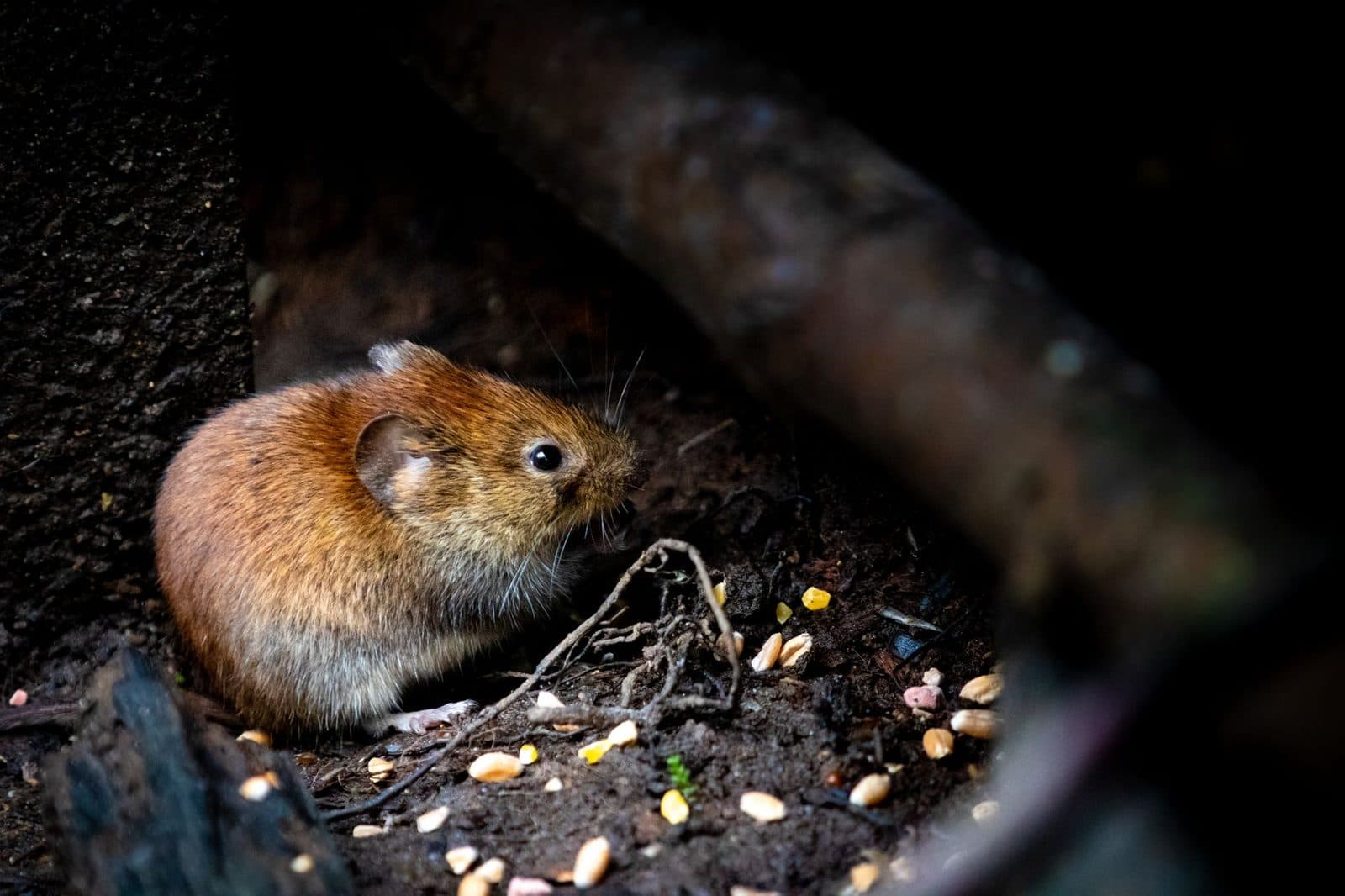
Close-up of a field mouse gnawing a twig among dead leaves

The right order: electrician, then rodents, then permanent repair

This is where most homeowners go wrong. They repair the cable, breathe a sigh of relief, and find the same fault six weeks later, thirty centimetres from the first one.

StepWhoObjective
1. Make safeYouIsolate the suspect circuit, don't switch it back on "to test"
2. Electrical diagnosisElectricianLocate the fault, check residual-current protection, quote the work
3. Rodent diagnosisYou or a professionalFind the entry points, the food source, the nest
4. Sealing entry pointsYou or a professionalRemove the cause: holes, unsealed conduit, door gaps
5. Reducing the populationTraps or regulated baitsEliminate the animals present
6. Permanent repairElectricianReplace the chewed section, protect the cable route

Swapping steps 4 and 6 amounts to replacing the worn part without touching the cause of the wear. Entry points are sealed with the same materials that actually hold — stainless steel mesh, mortar, metal plates — never with expanding foam alone, which rodents get through in a single night.

Protecting a cable route

Once the repair is done, a few simple measures sharply reduce the chance of a repeat:

  • Switch to rigid conduit for exposed sections in lofts and cellars, rather than flexible conduit laid on the insulation.
  • Seal every wall or floor penetration around the conduit: an open cable passage is both a door and a heated corridor.
  • Keep cables off the floor in the cellar and crawl space: clipped up high, they are no longer on the rodents' natural route.
  • Get rid of permanent extension leads: a lead lying on the floor behind a cellar freezer is the easiest target in the house. A wall-mounted surge-protected power strip solves the problem better than replacing a cable every year.
  • Make junction boxes unattractive: lid clipped in place, no open box left behind after work is finished.

The areas everyone forgets

The consumer unit and its trunking

A consumer unit is a dry, mildly warm, sheltered space, with a void behind the panel and often unsealed spare conduit runs dropping down to the crawl space or rising into the loft. A brown rat rarely gets in; a mouse does. Torch in hand, check for droppings at the bottom of the enclosure and plug unused ducts with the proper blanking plugs — not with rags.

Appliances left powered up for months

Cellar freezer, sump pump, back-up water heater, garden shed lighting: these supplies are never looked at and are often run in flexible cable. It is exactly the same mechanism as cables chewed in a car parked all winter — a motionless cable bundle, in a quiet space, at rodent height.

Blown-in loft insulation

Blown insulation literally buries the conduit. You can no longer see anything, and the rodent moves under cover in direct contact with the cable. If your loft is like this, the check should be done before the cold season, following the rafters rather than walking at random, and noting the points where conduit emerges. A metal and electrical cable detector is useful before drilling into a partition for a repair: it stops you adding one fault to another.

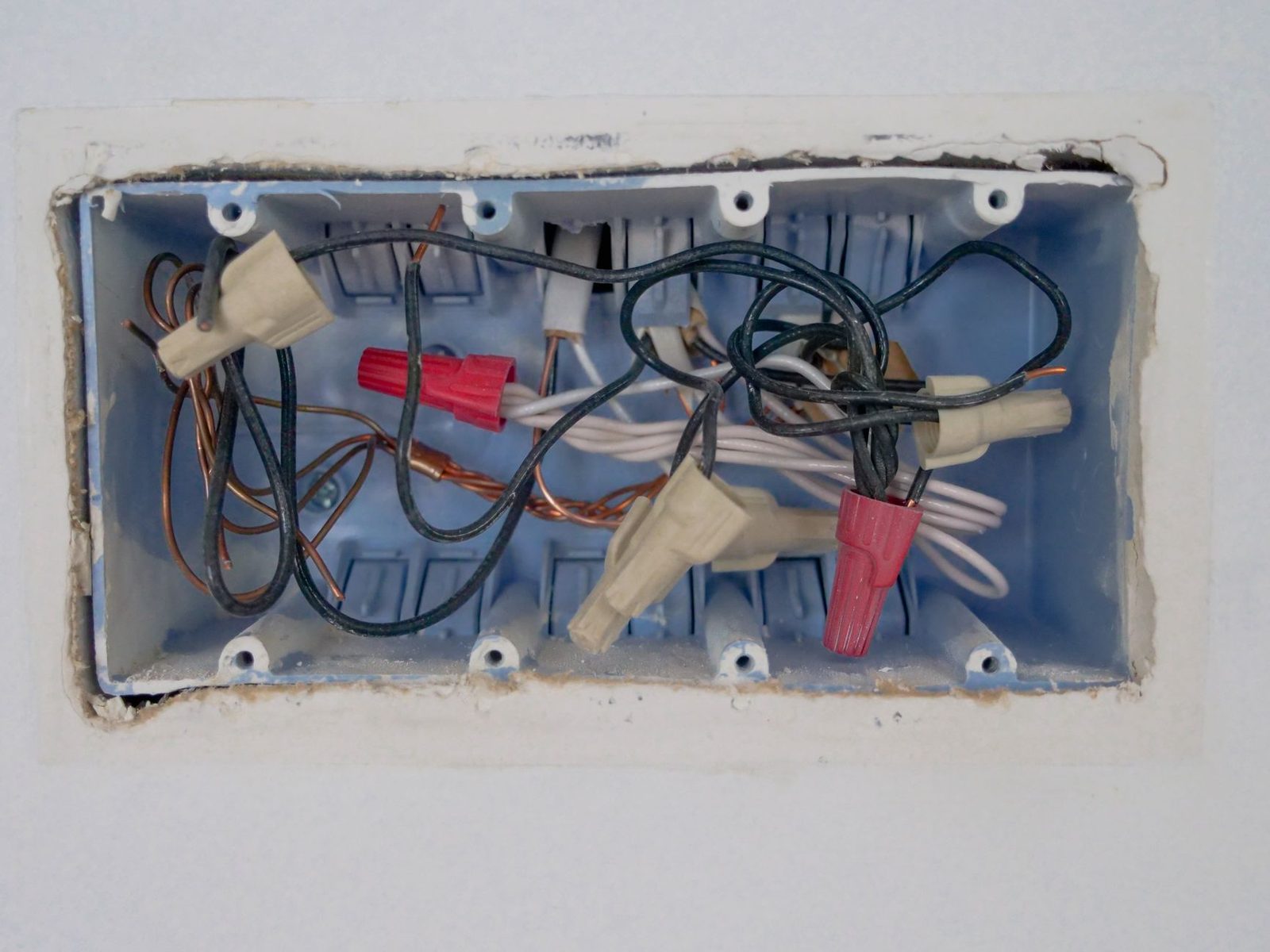
Open electrical box in a wall with tangled wires and red and beige connectors

Insurance: what to document from day one

Electrical damage caused by rodents sits in a grey area of home insurance policies. In practice:

  • damage resulting from a fire is covered by the fire section, even if the origin was a chewed cable;
  • the cost of repairing the cable itself, with no actual incident, is rarely covered: it is treated as poor maintenance or wear and tear;
  • some policies include an "electrical damage" cover or an "animal damage" extension: check the policy wording, not what you're told on the phone.

In every case, build your file before any repair work: dated photos of the chewed conduit in place, a wider shot showing where the area is, the electrician's invoice explicitly stating the cause ("conduit and conductors severed by rodents"), and the invoice for the pest control work. The procedure is set out in detail in our article on what home insurance covers in the event of rodent damage.

A word on method: record the dates and the circuits involved in a home maintenance logbook. Two RCD trips three weeks apart on the same circuit, written down in black and white, are worth any amount of argument when facing a loss adjuster.

What a homeowner can do, and where the line is

You can, with no risk at all: inspect, light things up, photograph, isolate a circuit at the consumer unit, locate entry points, seal holes with mesh and mortar, set mechanical traps, remove food sources.

You must not: open a live junction box, join a section of cable in the loft yourself if you are not qualified, or "insulate" a stripped wire with adhesive tape and hope it holds. A makeshift repair on a damaged conductor sitting in insulation is precisely the set-up that ends in a claim.

The boundary is simple: the rodent is your business, the conductor is an electrician's. And if the rodent problem goes beyond two traps in the garage — signs in several areas, noises in the walls, repeated damage — it is time to move to a structured intervention. Our prices and our service areas in the Val-de-Marne set out what a full job covers: survey of entry points, treatment, proofing and follow-up check.

Key takeaways

  • A chewed cable almost always shows up as a mundane electrical symptom before it becomes visible: an erratic RCD, a dead circuit, a flickering light.
  • The risk areas are insulated lofts, the crawl space, the cellar and the area around the consumer unit — wherever nobody goes.
  • The fire risk is real but depends above all on the state of your residual-current protection and on what surrounds the cable; no French statistics put a serious figure on the rodent share.
  • The order matters: make safe, diagnose, seal entry points, reduce the population, then carry out the permanent repair.
  • Document everything before repairing: without a photo of the chewed conduit in place, your insurance file is shaky.

A recurring electrical fault in a house where you can hear scurrying at night is no coincidence. If that is your situation in Champigny-sur-Marne, Créteil, Nogent or a neighbouring town, have a rodent diagnosis carried out before the repair: contact us for a survey, or use the emergency line if you have isolated a circuit and found a burn mark.

#dératisation#logement#prévention#conseils#Val-de-Marne#automne

A pest problem?

Our experts act fast and for good. Request a free assessment.

Request a free quoteOur services

← Back to the blog

CallFree quote