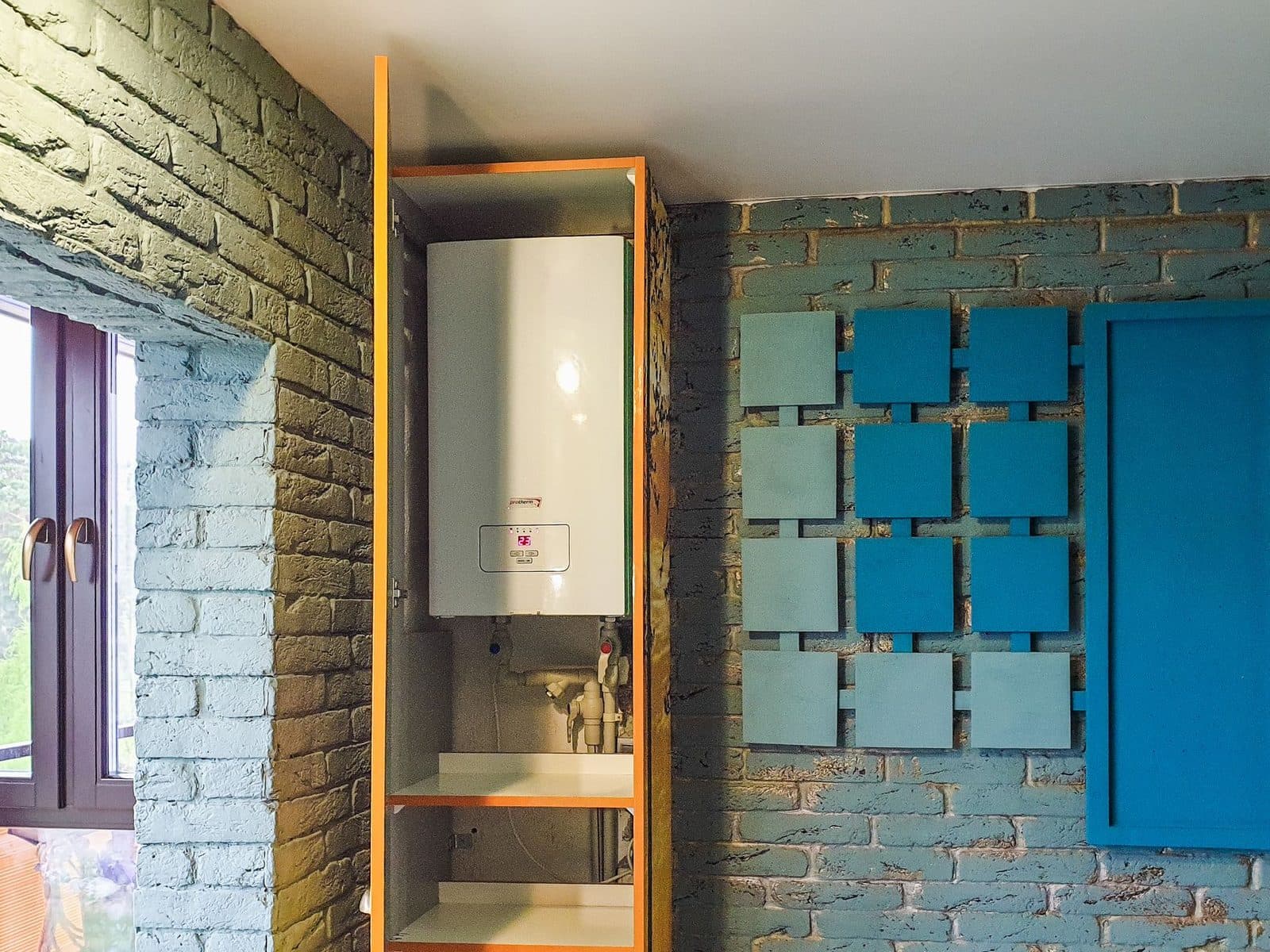
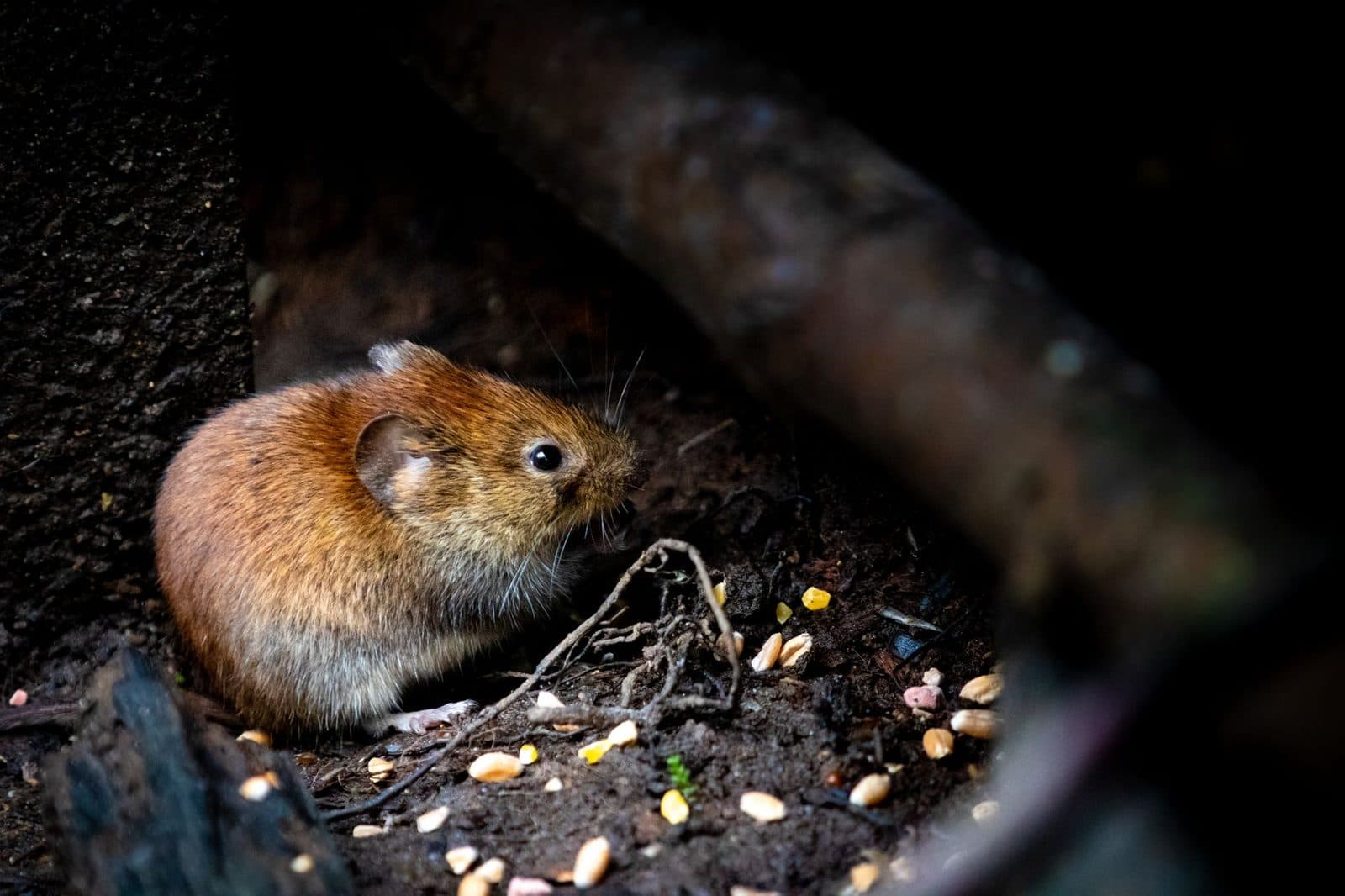
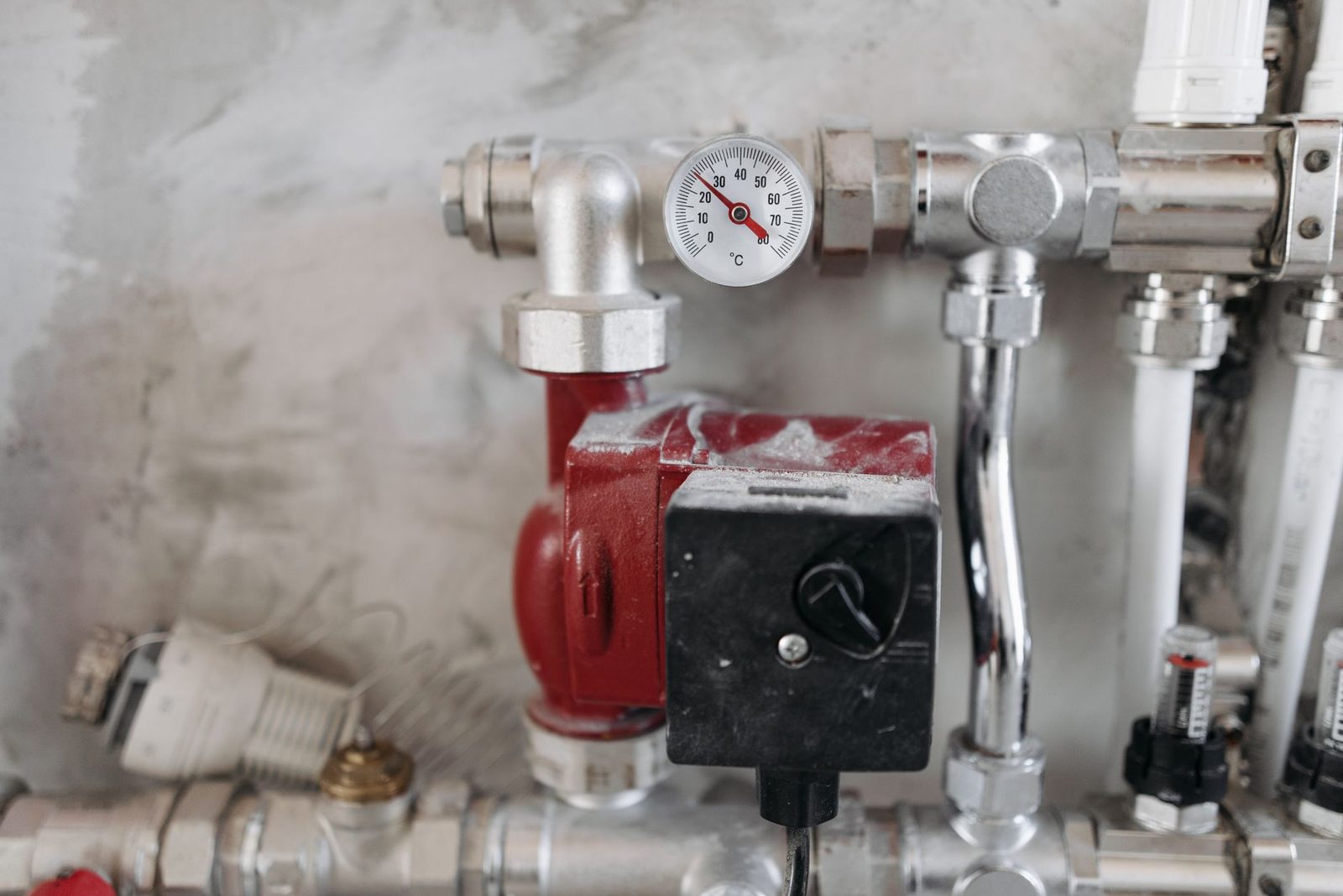
"I only go in there to read the meter and bleed the radiators, twice a year." This homeowner in Créteil was unknowingly describing the perfect room for a colony of mice: a four-square-metre boiler room, permanently at 20 °C, that nobody opens between October and April. When the heating engineer came for the annual service, he found three nests in the tank's lagging and droppings along the entire length of the heating flow pipe.
A house's boiler room — utility room, laundry-cum-boiler room, water heater cupboard, fitted basement — concentrates everything a rodent looks for in winter: constant warmth, darkness, quiet, nesting materials, and a ceiling pierced by service runs that lead everywhere in the house. This article deals neither with the chimney flue nor with the electrical conduits in the loft, both already covered elsewhere on this blog: it is about the room housing the heating equipment itself, what to inspect in it, what to seal up, and above all the red line never to cross when a gas installation is involved.
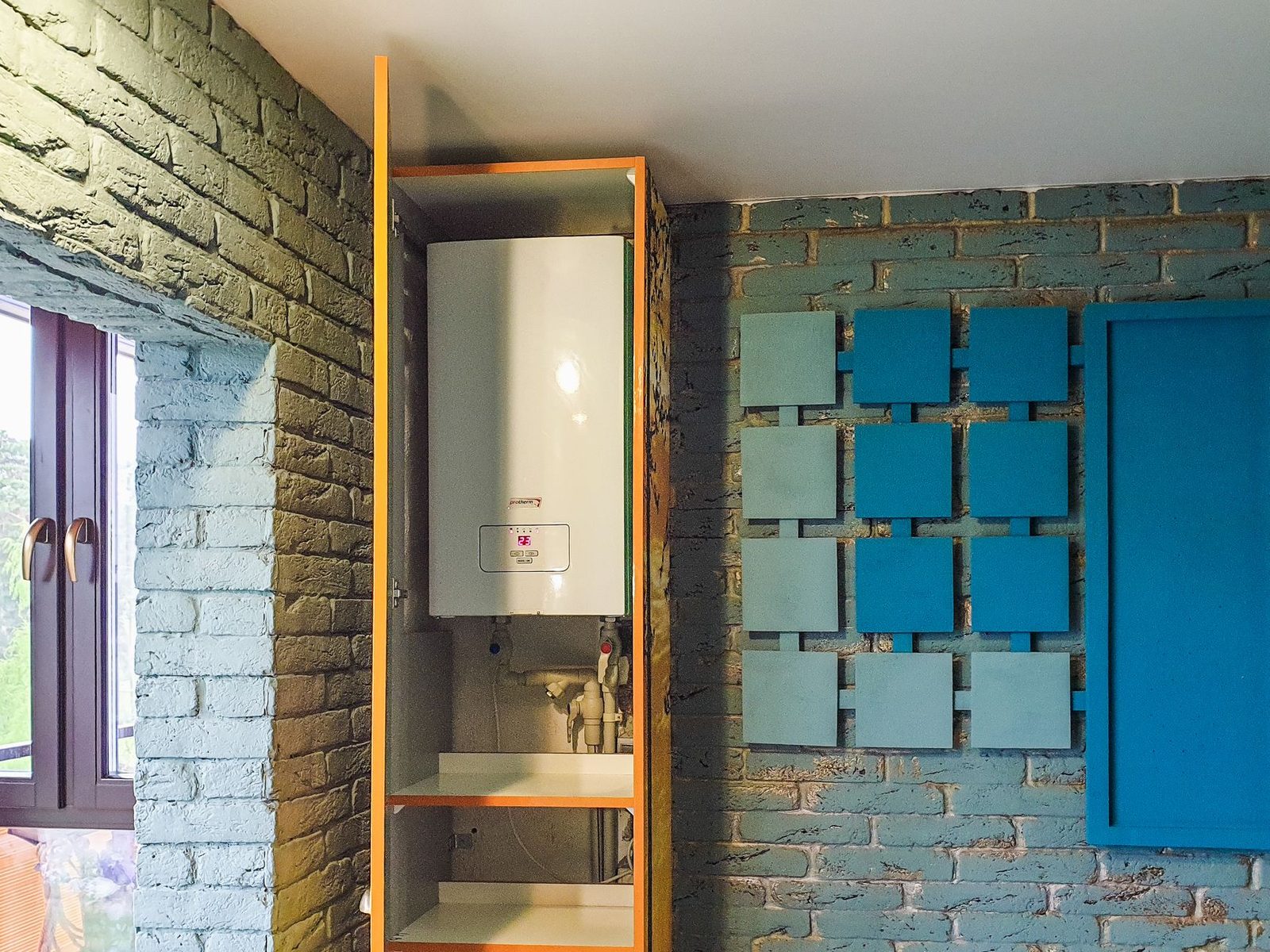
Why the boiler room beats every other refuge in the house
A house mouse spends a significant share of its energy maintaining its body temperature. A shelter at 20 °C saves it food and speeds up its reproduction: in a heated environment with no predators, litters follow one another all year round, without the winter pause observed outdoors. That is why a "January" infestation is almost never recent: it started in October in a warm room.
The boiler room combines four advantages that other areas never all have at once:
| Advantage | Why the boiler room provides it |
|---|
| Stable warmth | Heat exchanger, tank, uninsulated heating flow pipes: 18–25 °C with no variation |
| Absolute quiet | Room opened once or twice a year, often for the annual service |
| Nesting materials | Glass wool, pipe lagging shells, sealing foam, stored cardboard |
| Escape network | Slab and wall penetrations for water, gas, electricity, drainage |
Finally, the hum of the burner and the clicking of expansion mask the sound of scratching. In houses where the room is in the basement, owners often attribute the first noises to the installation itself. It is one of the typical cases explained in our guide to decoding night-time noises in walls.
The difference between mice and brown rats in a utility room
- The mouse settles inside the room: a nest in the pipe lagging, behind the tank, in a box of spare parts. It stays if it finds water (condensate, a trap, drips from bleeding) and a little food, even non-edible items: soap, candles, stored pet kibble.
- The brown rat (sewer rat) uses the room as a corridor, not a bedroom. It arrives through the drainage penetration or a slab opening, crosses, and goes up. Its droppings are lined up along the walls, the size of an olive stone. If you find them, the problem lies upstream: see our article on broken pipes under the house.
The seven points to inspect, in order
Allow twenty minutes, preferably in the morning with a rechargeable head torch that leaves both hands free — a hand-held torch makes it impossible to lift insulation while looking behind it.
- The floor behind and under the tank. This is point number one. Droppings build up there because nobody sweeps that corner. Run a flat (gloved) hand over it: you feel the pellets before you see them.
- The pipework lagging. The foam or mineral wool shells are torn, compressed, sometimes hollowed out into a pocket. A clean 3 cm hole in a 20 mm shell is a nest entrance.
- The base of the heat exchanger and the underside of the wall-mounted boiler. Look at the gap between the casing and the wall: mice slip in there for the residual heat of the burner.
- Slab and wall penetrations. Every pipe emerging from the floor or ceiling leaves a gap. A 7 mm gap is enough for an adult mouse.
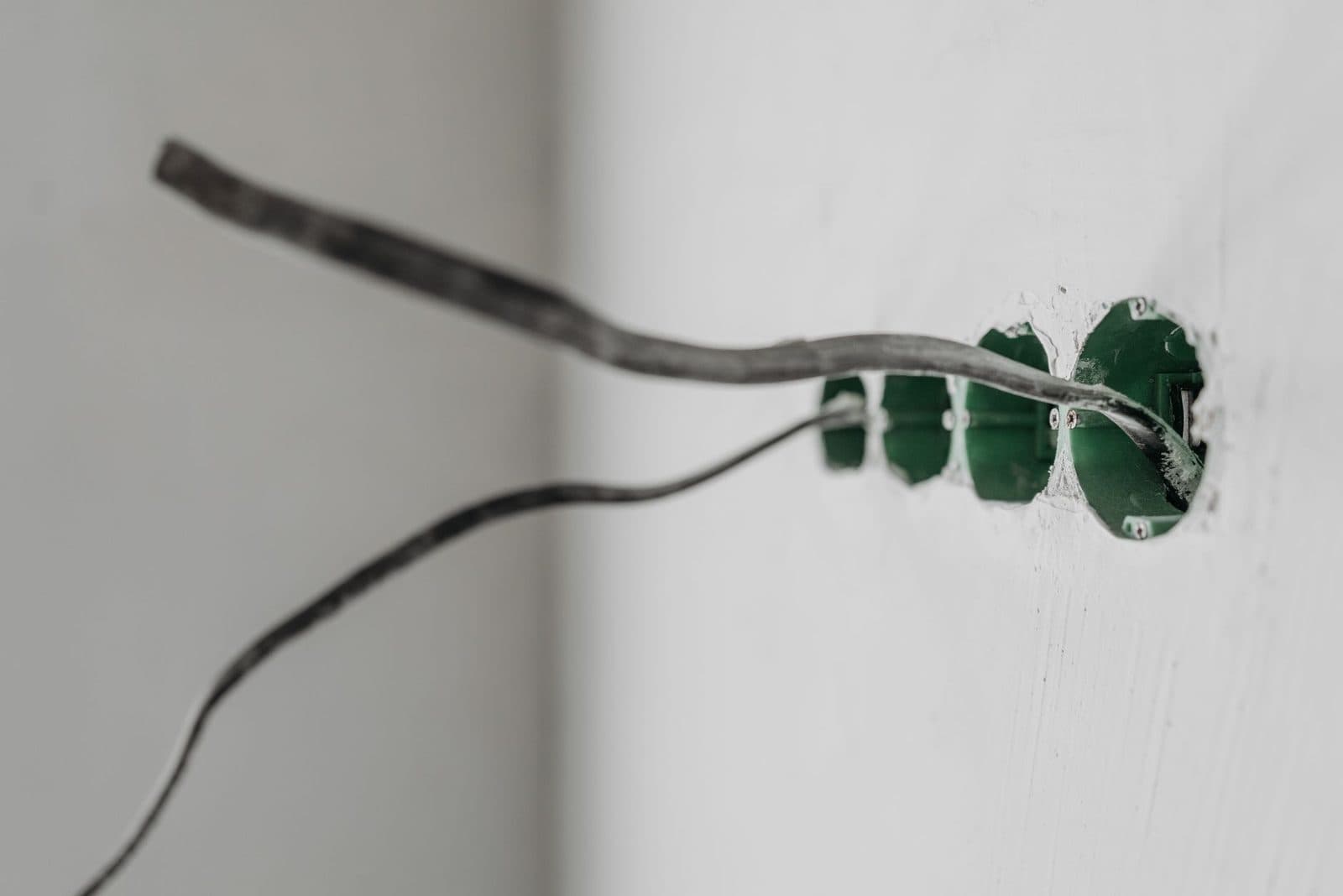
- The consumer unit and conduits. Tooth marks on flexible conduit, black PVC shavings on the floor. This is the point that turns a nuisance into a risk: see gnawed cables and fire risk.
- Water sources. Condensate trap, bleed tray, dripping filling valve, washing machine connection. A reliable drinking point anchors a population.
- Storage. Bags of compost, toolboxes, archive boxes, bottles of consumables, that bag of pet kibble "put there for now". This is the easiest part to fix, and the most frequently to blame.
Field rule: if you find dry, grey droppings that crumble, the activity is old. Black, shiny, soft droppings indicate activity less than 48 hours old. To tell mice, rats and other species apart, our factsheet on identifying droppings and traces gives the size benchmarks.
The powder test, boiler room version
A reliable, free method: sprinkle a fine layer of flour or talc over a 30 × 30 cm area at the foot of each suspect pipe run, then close the door for 48 hours. The footprints and tail drag show not only presence, but the direction of travel. Caution: never apply powder in the immediate vicinity of a burner, a high-level vent or a boiler air intake. A standalone camera activity detector (motion-triggered model, memory card, no wiring) does the same job without powder if the room is cluttered.
What you can seal yourself — and what you must not touch
This is the heart of the matter, and the source of most dangerous mistakes. In a boiler room, sealing is not a neutral act: you are working next to a combustion appliance, a flue and a regulatory ventilation system.
Absolute red line
- Never block, reduce or hide the room's ventilation grilles (low-level air inlet and high-level outlet). They feed combustion and vent any carbon monoxide. Blocking an air inlet to "stop mice getting through" is one of the most foolish and most serious causes of poisoning. If the grille is too open, the solution is fine-mesh netting fitted without reducing the free area, and the matter should be discussed with the heating engineer, not handled alone.
- Never work on a gas pipe penetration, nor seal it with an unsuitable product. Sealing gas penetrations is a job for a qualified professional.
- Never apply expanding foam in contact with a flue, an uninsulated heating flow pipe or a heat exchanger. Standard polyurethane foam is not a fire-resistant product and melts or gives off fumes. Rodents get through it within days anyway.
- Never place loose rodenticide bait in a utility room accessible to pets. The rules of use for private individuals are detailed in our article on what a private individual can really use as rat poison. ANSES (France's national agency for health and environmental safety) stresses that these biocidal products must stay in protected bait stations and out of reach.
What is within your reach
| Point | DIY solution | Service life |
|---|
| Gap around a cold water pipe | loose stainless steel wool packed in + patching mortar | Several years |
| Hole in a below-ground wall | 6 mm galvanised mesh stapled in place + repair render | Long-lasting |
| Gap under the room's door | Aluminium door bottom with brush seal | 3 to 5 years |
| Torn pipe lagging | New shell + stainless steel clip, after removing the nest | Long-lasting |
| Slab penetration crowded with cables | Mesh, then intumescent fire-stopping sealant if electrical runs are involved | Long-lasting |
Steel wool is the only DIY material that incisors do not get through easily: foam, silicone on its own, plaster and newspaper all get gnawed. Materials that last over time are covered in detail in our guide to materials for blocking rodent entry points.
Cleaning out the nest: protection first
A mouse nest in pipe lagging means urine, droppings and fine dust. Two precautions are enough, but they are non-negotiable:
- Do not sweep dry, do not vacuum with a household vacuum cleaner. You put back into the air exactly what must not be inhaled. For rodent droppings, INRS (the French National Research and Safety Institute) recommends wetting the area beforehand and avoiding any process that creates aerosols.
- Dampen with a sprayer using a detergent-disinfectant solution, let it work, pick up with a cloth or shovel, bag it up sealed, then disinfect the surface.
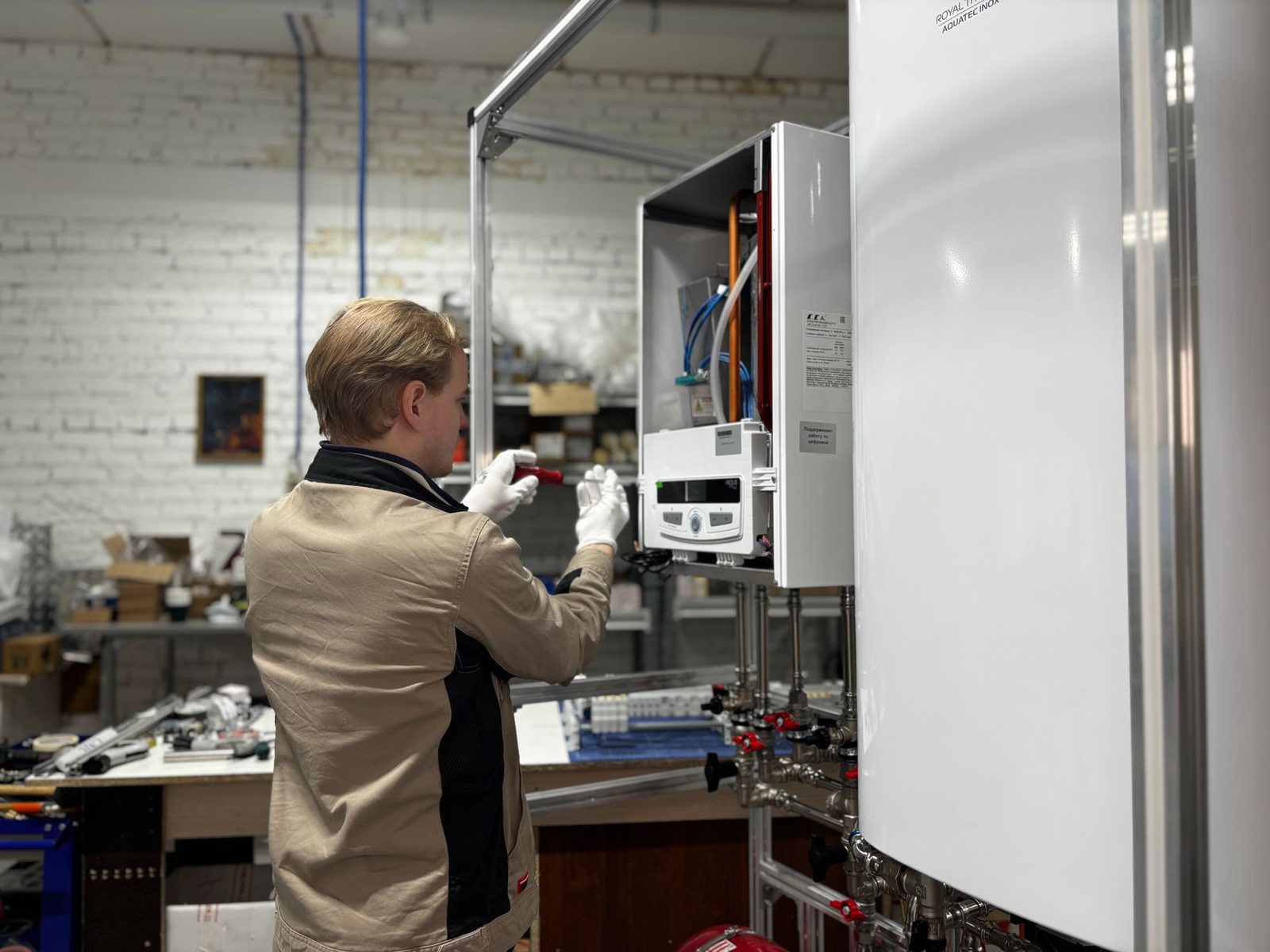
A disposable FFP3 half mask and long-cuffed nitrile gloves are the minimum equipment. In Val-de-Marne, the health question is not theoretical: leptospirosis, transmitted through rodent urine, is documented by Santé publique France (the French public health agency), with a French incidence clearly higher than that of neighbouring countries, and the damp rooms of houses near the Marne are classic exposure settings. Our disinfection services pages detail the cases where professional treatment is justified, particularly after flooding — see also the article devoted to a cellar after a flood of the Marne.
The schedule to remember in Val-de-Marne
The boiler room is managed over three appointments a year, not as an emergency in the middle of winter.
- Late September – October. Before the heating is switched back on: empty the storage, sweep, apply powder, seal the gaps while it is still cold. This is the window when rodents are prospecting but have not yet settled in.
- November. Confirmation check with a torch, ideally combined with the boiler's annual service. Ask the heating engineer to report any tooth marks on conduits and any nest in the insulation: he sees the back of the appliances, you do not.
- March. Removal of the nests identified, replacement of damaged pipe lagging, redoing any sealing that has shifted.
An indoor thermo-hygrometer placed in the room gives useful continuous information: above 65% relative humidity, you also have a condensation problem that attracts damp-loving pests and speeds up corrosion of the mesh you have fitted.
The classic trap in Champigny-area houses
In many 1950s–1970s houses in Champigny-sur-Marne, Saint-Maur or Vitry, the boiler has been replaced two or three times. Each replacement has left an orphan penetration: the old balanced-flue opening patched up in a hurry, the hole from the old flue, the run from the old oil tank. These openings, invisible behind the new casing, are the first thing to look for. A telescopic inspection mirror costs a few euros and solves in two minutes what would otherwise require dismantling.
The same logic applies to full basements with an adjoining garage: the door between the unheated garage and the boiler room is often just a plain service door, poorly sealed. It is one of the weak links described in our article on door bottoms and thresholds.
When to call a professional
Three situations should not be handled alone:
- Brown rat droppings (large, spindle-shaped, lined up along a wall) in a utility room: this means access from the buried network or from outside, which calls for a survey and often a drain inspection.
- Tooth marks on an electrical conduit, a boiler supply cable or a thermostat: switch off the circuit concerned at the consumer unit and call in an electrician, then a pest control company to deal with the cause.
- An established population (daily noises, fresh droppings at several points, persistent urine smell): supermarket baits placed in a warm room mainly produce carcasses in inaccessible places, with the odour consequences described in our article on the smell of a dead rodent in a wall.
A professional working in a boiler room knows where to place secured bait stations without obstructing ventilation, and above all combines the treatment with sealing off access points. Without sealing, you simply feed a replacement population indefinitely.
To find out what an intervention in a house costs and what it should include, see our prices and our service areas in Val-de-Marne. If the traces are fresh and the room houses your heating installation, do not let the winter go by: request a survey via our contact page](/contact), or use the emergency line if a cable has been gnawed or a rat has been seen indoors.
A pest problem?
Our experts act fast and for good. Request a free assessment.
Request a free quoteOur services