The disinfection protocol to run between two guests
Seven concrete steps to add to your turnover clean so nothing slips through.
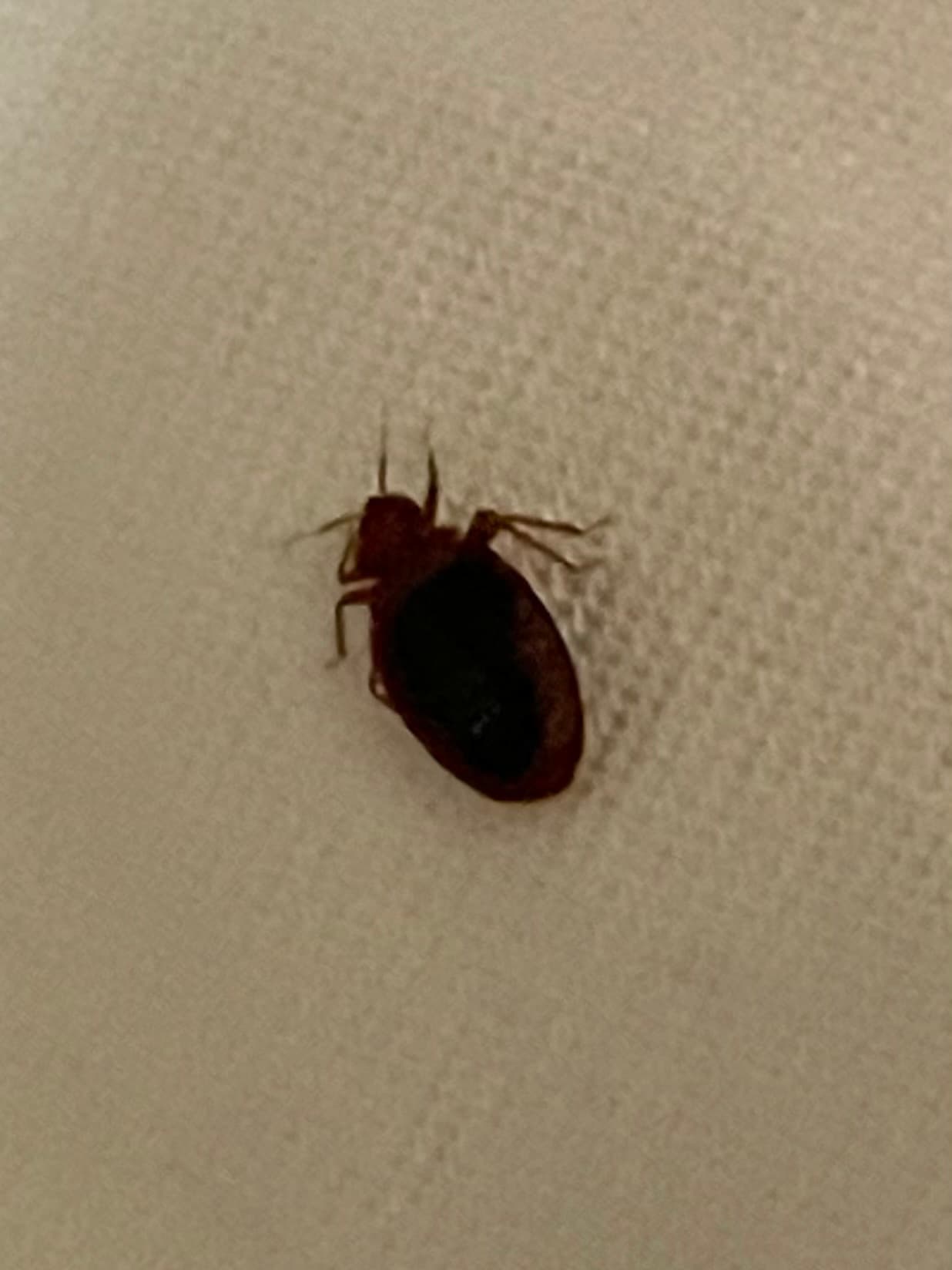
Seven concrete steps to add to your turnover clean so nothing slips through.
Between two guests, a standard clean is not enough to rule out pest risk: it has to be paired with a targeted check of the places pests actually settle. The protocol runs to seven steps — bedding, upholstered furniture, kitchen, water points, waste, entry points, record-keeping — and takes about fifteen minutes once it becomes routine. It does not replace professional treatment, but it is what triggers it in time.
Cleaning is judged on what shows: floors, surfaces, bathrooms, a freshly made bed. Pests settle precisely where nobody looks — under bed base slats, behind the headboard, in the worktop joint, behind the dishwasher, inside the service duct.
The protocol below does not add much time to a turnover: it redirects attention. It turns your cleaning team into your first detection layer, which is the best investment a host can make, because the cost of an infestation grows exponentially with time.
Note the date of every check and what was observed, including when everything is normal. That record is worth a great deal: it demonstrates diligent management if a guest complains, it pinpoints when introduction occurred in a dispute with a building manager or neighbour, and it supports an insurance claim.
A single line per turnover is enough — date, property, person, observation. Multi-property hosts benefit from centralising it; that is what we provide under a prevention contract, together with the intervention history for each unit.
At every turnover for the bedding, which is the critical point. The full check — kitchen, water points, entry points — can be monthly in a high-turnover property, and at each change of season in one that is let occasionally.
Yes — that is the point: it is designed to be run by a non-specialist. We offer a short training session for cleaning teams and property managers handling several properties.
It effectively destroys insects and eggs in the linen washed, but it treats neither the mattress, nor the base, nor the bed structure. It is an essential supporting measure, not a treatment.
Request a free quote09 83 30 98 07
AntinuisiblePro (BTPNE) is an independent pest control company. Airbnb is a registered trademark of Airbnb, Inc.; we are not affiliated with, partnered with or endorsed by that company. These pages are written for hosts who use the platform.
Describe your problem and we'll call you back quickly.
8 Bis Rue de la Côte d'Or, 94500 Champigny-sur-Marne, France
Monday to Sunday, 8am–8pm
Describe the situation and we will call you back, assess the urgency and offer a slot that fits your booking calendar.
Book onlineBack to the main guide