Long-term lets: disinfection before, during and between tenancies
Pest risk does not disappear with a twelve-month lease — it simply becomes slower to detect and costlier to treat.
Pest risk does not disappear with a twelve-month lease — it simply becomes slower to detect and costlier to treat.
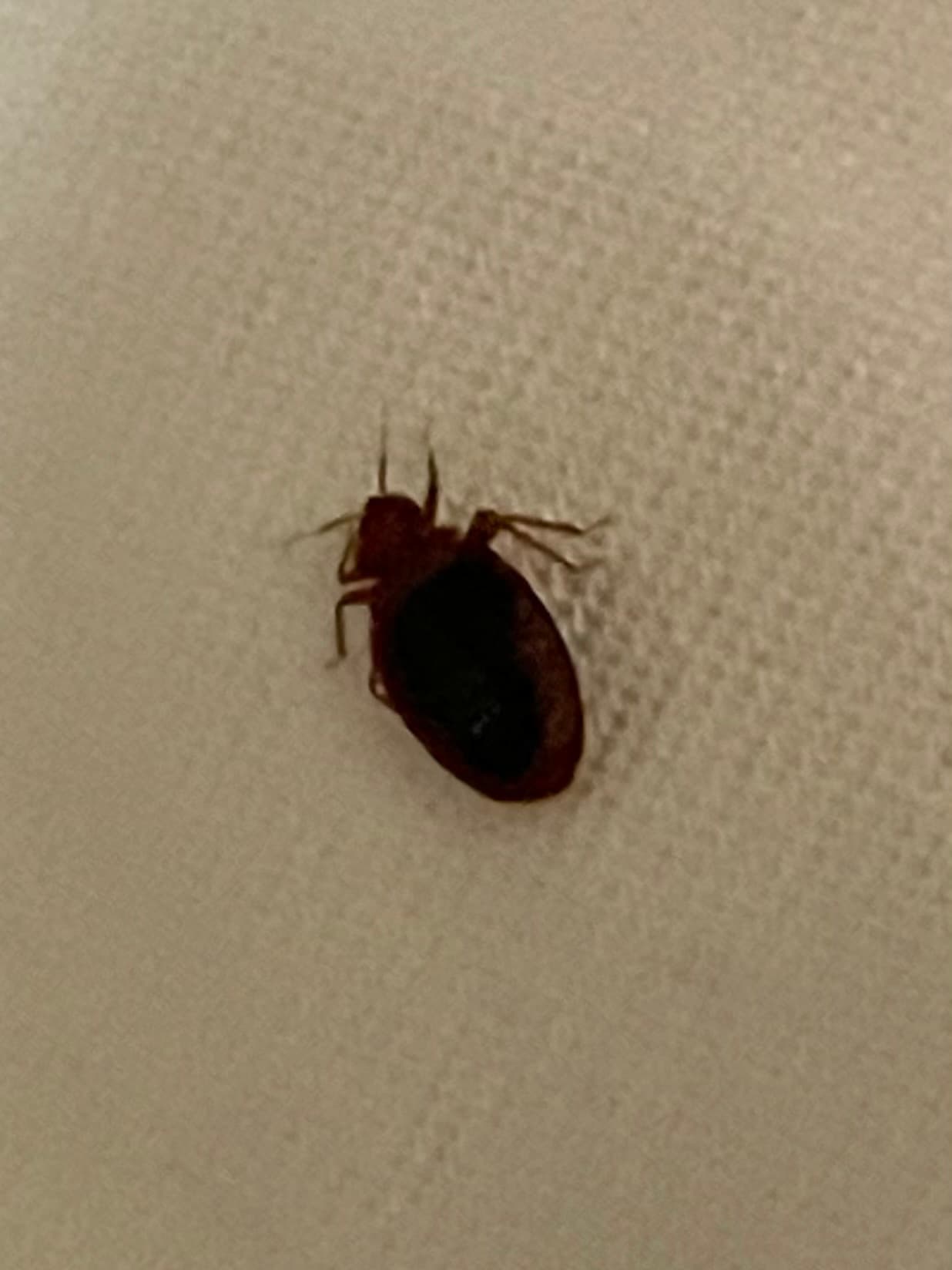
In long-term lets, infestations arrive not in suitcases but through neighbouring flats, deliveries, second-hand furniture and the fabric of the building — and they are found far later, because nobody inspects the property between occupants. The right reflex is to treat vacancy as an inspection window: a full check and, if needed, disinfection before the check-in inventory, then an explicit mention of the absence of pests in that document.
In short-term letting an infestation surfaces within weeks because someone looks at the property every few nights. Under a standard lease it can develop for months before being reported: tenants often hesitate, out of embarrassment or fear of being held responsible.
The result is a wider infestation by the time treatment happens: several rooms affected, the tenant's own furniture to treat, and sometimes neighbouring flats already involved. Cost and duration rise accordingly.
House shares and mobility leases combine both regimes: frequent occupant turnover, as in short-term letting, but no inspection of the property between arrivals. Statistically they are the most exposed configurations in a rental portfolio.
Between tenancies the property is empty and often cleared of furniture: the ideal moment for a full inspection and, where needed, treatment — for bed bugs, cockroaches or rodents alike. Work is faster, more effective and cheaper than in an occupied property.
Record the visit in the check-in inventory: inspection date, company, conclusion. That entry protects both parties — it establishes the state of the property at handover and makes the question of attribution far clearer if an infestation appears later.
A tenant reporting pests deserves the same rapid answer as a guest. Treating an occupied property is entirely possible: it requires preparation by the tenant (linen washed and bagged, skirting boards cleared, access to furniture), which we set out in writing before the visit.
For buildings with a recurring problem — cockroaches in the kitchen riser, rodents in the basement — the only lasting solution is treatment coordinated with the building manager, covering common areas and several units at once. Treating flat by flat, spread over time, merely moves the population around.
Routine pest control costs can feature among recoverable charges, but a major treatment made necessary by an infestation affecting the property's habitability falls to the landlord. Where there is doubt, the source of the infestation and how long it has existed are the deciding factors — hence the importance of dated reports.
Yes. It requires the tenant's cooperation in preparing the property to precise instructions, and it involves a re-entry interval after certain products are applied. We always provide those instructions in writing before the visit.
It is strongly recommended, and inexpensive compared with an infestation discovered six months later. For a portfolio of several properties, a scheduled inspection contract generally costs less than two reactive treatments a year.
Request a free quote09 83 30 98 07
AntinuisiblePro (BTPNE) is an independent pest control company. Airbnb is a registered trademark of Airbnb, Inc.; we are not affiliated with, partnered with or endorsed by that company. These pages are written for hosts who use the platform.
Describe your problem and we'll call you back quickly.
8 Bis Rue de la Côte d'Or, 94500 Champigny-sur-Marne, France
Monday to Sunday, 8am–8pm
Describe the situation and we will call you back, assess the urgency and offer a slot that fits your booking calendar.
Book onlineBack to the main guide