Annual sanitary contract: the traceability that protects you
Moving from reactive to preventive costs less — and above all produces the written proof someone will eventually ask for.
Moving from reactive to preventive costs less — and above all produces the written proof someone will eventually ask for.
An annual sanitary contract replaces emergency call-outs with a permanent system: an initial survey, a numbered baiting plan, scheduled visits, records at every visit and a register kept up to date. It lowers total cost — an infestation caught by a trap costs a fraction of one reported by a guest — and it constitutes the file a health inspection, an insurer or a partner chain will ask for. It is the standard format for professional accommodation.
It starts with a building survey: high-risk areas, entry points, linen and waste flows, and the site's history. That survey produces a map and a numbered baiting plan, physically marked out on the premises.
Then come the scheduled visits, at a frequency that depends on size, on whether there is a kitchen, and on history. At each visit: every station recorded, sensitive areas inspected, immediate corrective action where needed, and a written report handed over the same day.
Added to that are a priority response line for guest reports, and maintenance of the register: reports, records, product data sheets, certification documents. That register is your pest control section, ready to present.
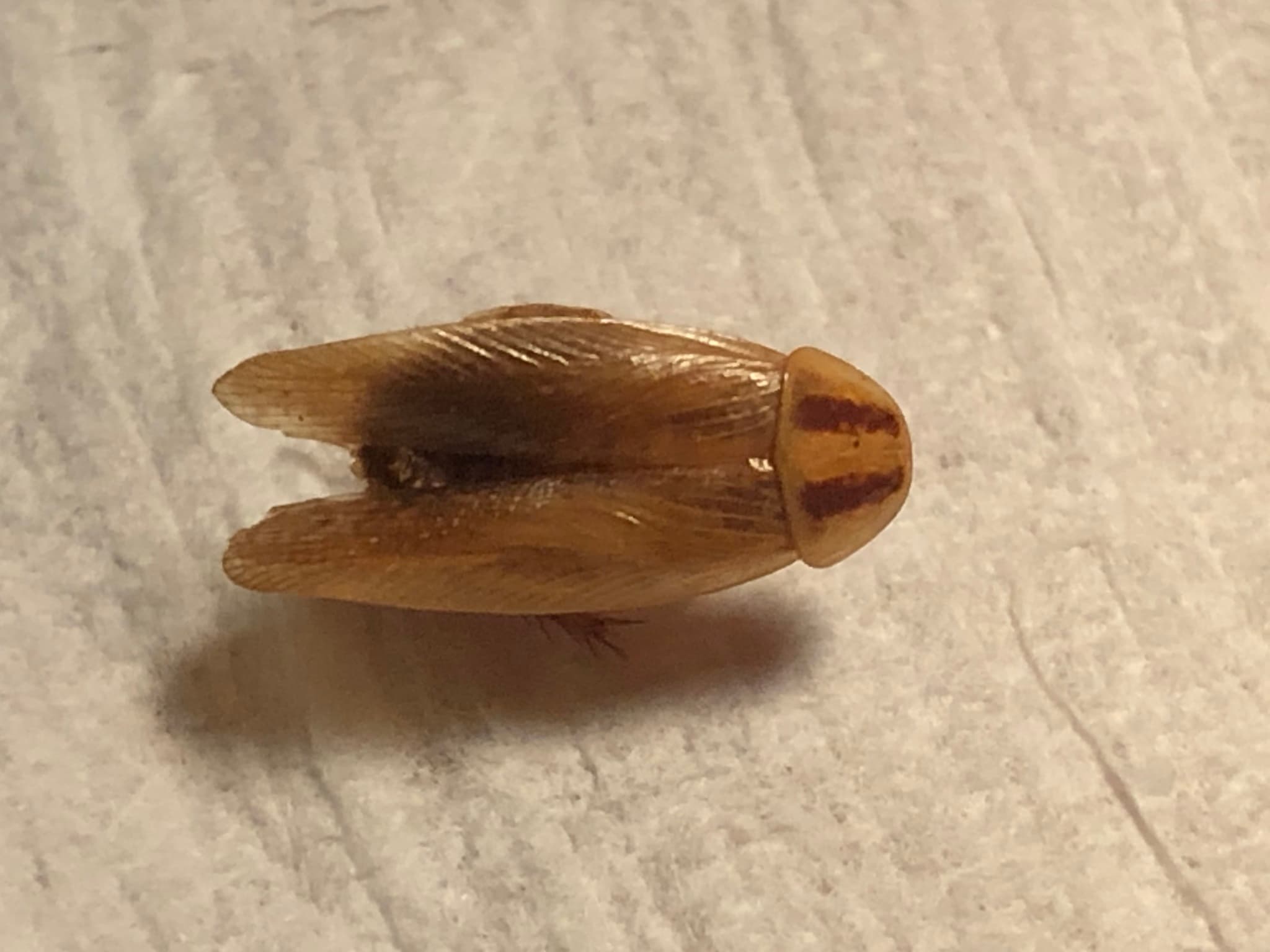
An infestation caught by a bait record is treated in a limited area, in one visit, without taking a room out of service. The same infestation caught by a guest is treated across several units, as an emergency, with lost nights, a goodwill gesture and a public review to manage.
There is a less visible but real second effect: the discipline imposed by regular visits progressively corrects the structural causes — door thresholds, seals, floor storage, waste handling — that bring the same problems back year after year.
As soon as there is a kitchen or a breakfast service, whatever the size — a five-room guest house is concerned just as much as a fifty-room hotel. For accommodation without food service, a contract mainly makes sense from several units upwards or where there is a history of infestation.
Terms vary with the package chosen. In every case a property under contract gets priority handling, which is decisive when a guest reports a problem in peak season.
It is handled within the system, generally far earlier and over a smaller area, because the traps reveal it before the guest does. No serious provider guarantees the total absence of pests: what can be guaranteed is early detection, responsiveness and traceability.
Request a free quote09 83 30 98 07
AntinuisiblePro (BTPNE) is an independent pest control company. Booking.com is a registered trademark of Booking.com B.V.; we are not affiliated with, partnered with or endorsed by that company. These pages are written for properties that use the platform.
Describe your problem and we'll call you back quickly.
8 Bis Rue de la Côte d'Or, 94500 Champigny-sur-Marne, France
Monday to Sunday, 8am–8pm
We carry out a full building survey and provide a costed management plan matched to your size and to your food service activity.
Book onlineBack to the main guide