Cockroaches and rodents in professional kitchens: the health requirement
As soon as a property serves food, pest control stops being good practice and becomes a documented obligation.
As soon as a property serves food, pest control stops being good practice and becomes a documented obligation.
A property handling food — even just breakfast — must have documented pest control procedures within its food safety management plan, under EU hygiene regulation. In concrete terms: a numbered baiting plan, traceable visits, compliant products applied by a qualified operator, and an up-to-date register. The absence of that system is one of the most common grounds for a formal notice during an inspection.
EU hygiene rules require food business operators to put in place procedures based on HACCP principles and to have adequate pest control arrangements. They do not prescribe a single method: they require a risk analysis specific to your site, appropriate measures, and evidence that those measures are applied.
In practice an inspection looks at four things: the baiting plan and its physical presence on site, dated visit reports, safety data sheets for the products used, and the operator's qualification. Those are the four elements we assemble and keep current.
One point is often overlooked: the plan has to be alive. A folder assembled three years ago and never reopened is worth, to an inspector, about as much as no plan at all.
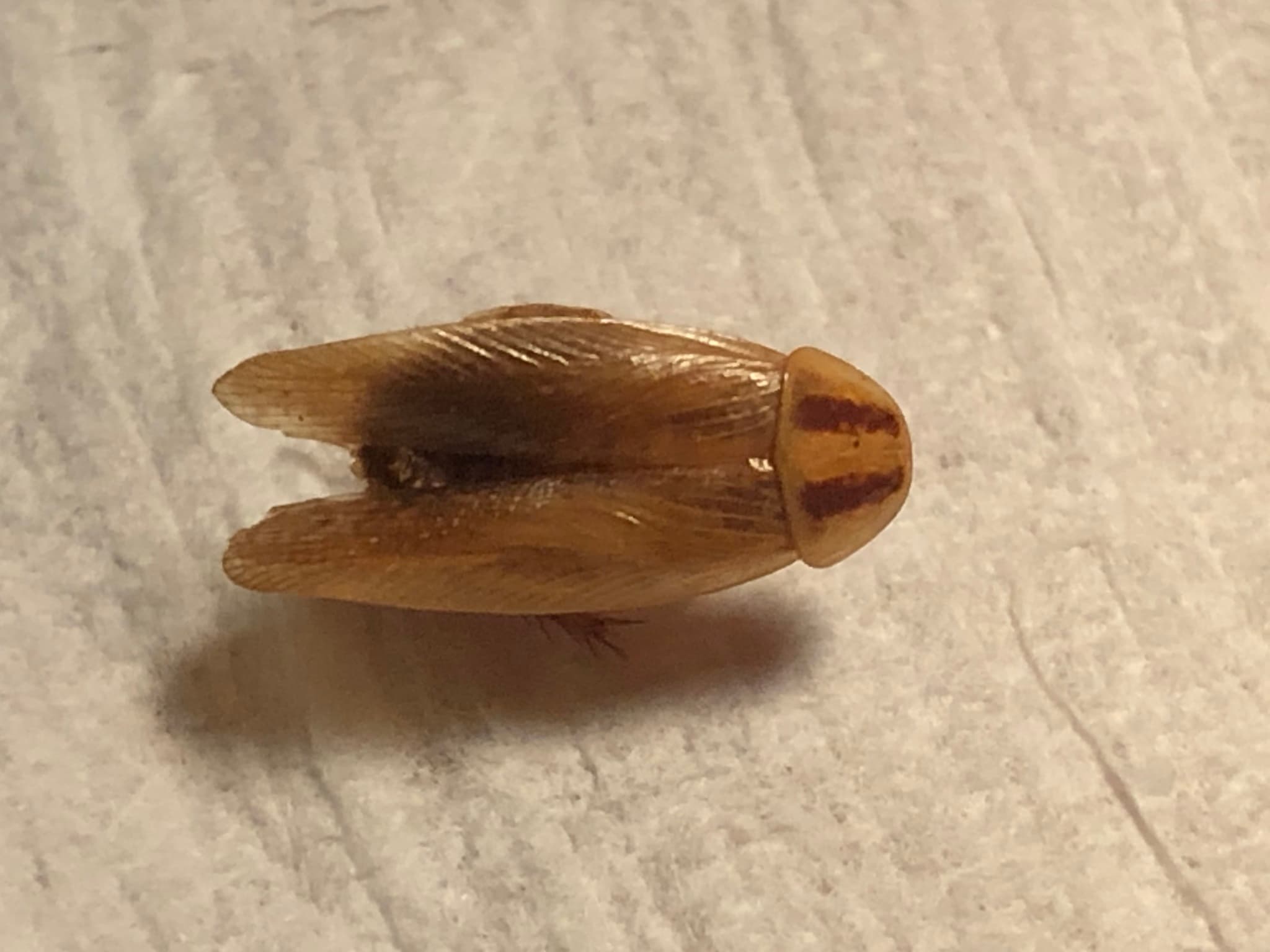
The breakfast room and its pantry concentrate the risk: crumbs, cereal dispensers, coffee machines, open bins and floor-level storage. German cockroaches find warmth, water and food there, and shelter inside appliance motors, worktop joints and false ceilings.
The waste room and the delivery bay are the rodents' way in. A poorly closed room, uncovered bins or a worn door threshold are enough to establish a population that will then climb through the ducts to the guest floors.
Then there are the food stores: storing directly on the floor, against walls and without rotation makes serious inspection impossible. A store organised on shelving pulled away from the wall is, in itself, a pest control measure.
Against cockroaches we favour bait gels applied in discreet spots, away from food contact surfaces. They act through the population and require neither closure nor evacuation of the service, unlike blanket spraying.
Against rodents, bait stations are secured, numbered and marked on the plan, with a consumption record at every visit: that record is both a population monitoring tool and a document for the register. The most cost-effective element, though, remains exclusion — sealing openings, door thresholds, grilles — because it addresses the cause.
Yes. As soon as food is prepared, stored or served, the property falls under food hygiene regulation and must have the corresponding procedures, pest control included.
Depending on what is found: a reminder of the rules, a formal notice with a deadline, and in the most serious cases administrative closure until compliance is restored. Having an applied and traceable plan is precisely what separates those outcomes.
In the great majority of cases, yes. Bait gels and secured stations are designed for use during operation. Only extreme situations, or certain spray treatments, require a temporary interruption of service.
Request a free quote09 83 30 98 07
AntinuisiblePro (BTPNE) is an independent pest control company. Booking.com is a registered trademark of Booking.com B.V.; we are not affiliated with, partnered with or endorsed by that company. These pages are written for properties that use the platform.
Describe your problem and we'll call you back quickly.
8 Bis Rue de la Côte d'Or, 94500 Champigny-sur-Marne, France
Monday to Sunday, 8am–8pm
We carry out a full building survey and provide a costed management plan matched to your size and to your food service activity.
Book onlineBack to the main guide