Leptospirosis is the disease people instinctively associate with rats — and rightly so. Every year, 600 to 700 cases are recorded in mainland France, and incidence peaks in late summer. Swimming in fresh water, gardening after a thunderstorm, cleaning a damp storeroom: the most ordinary July and August activities are also the most exposed. Here is what the official health sources say, and why rodent control is the first line of defence.
A bacterium rats shed continuously
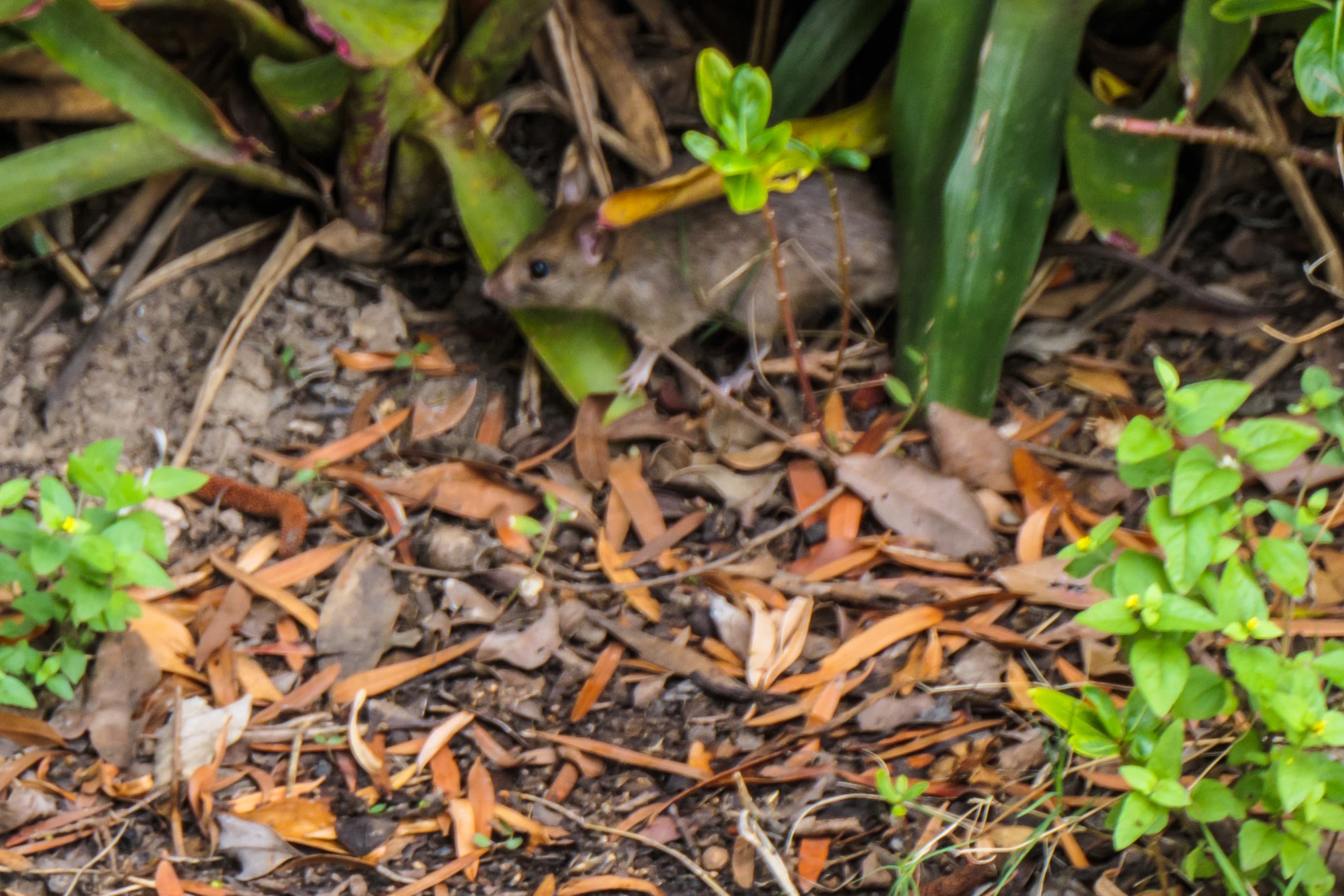
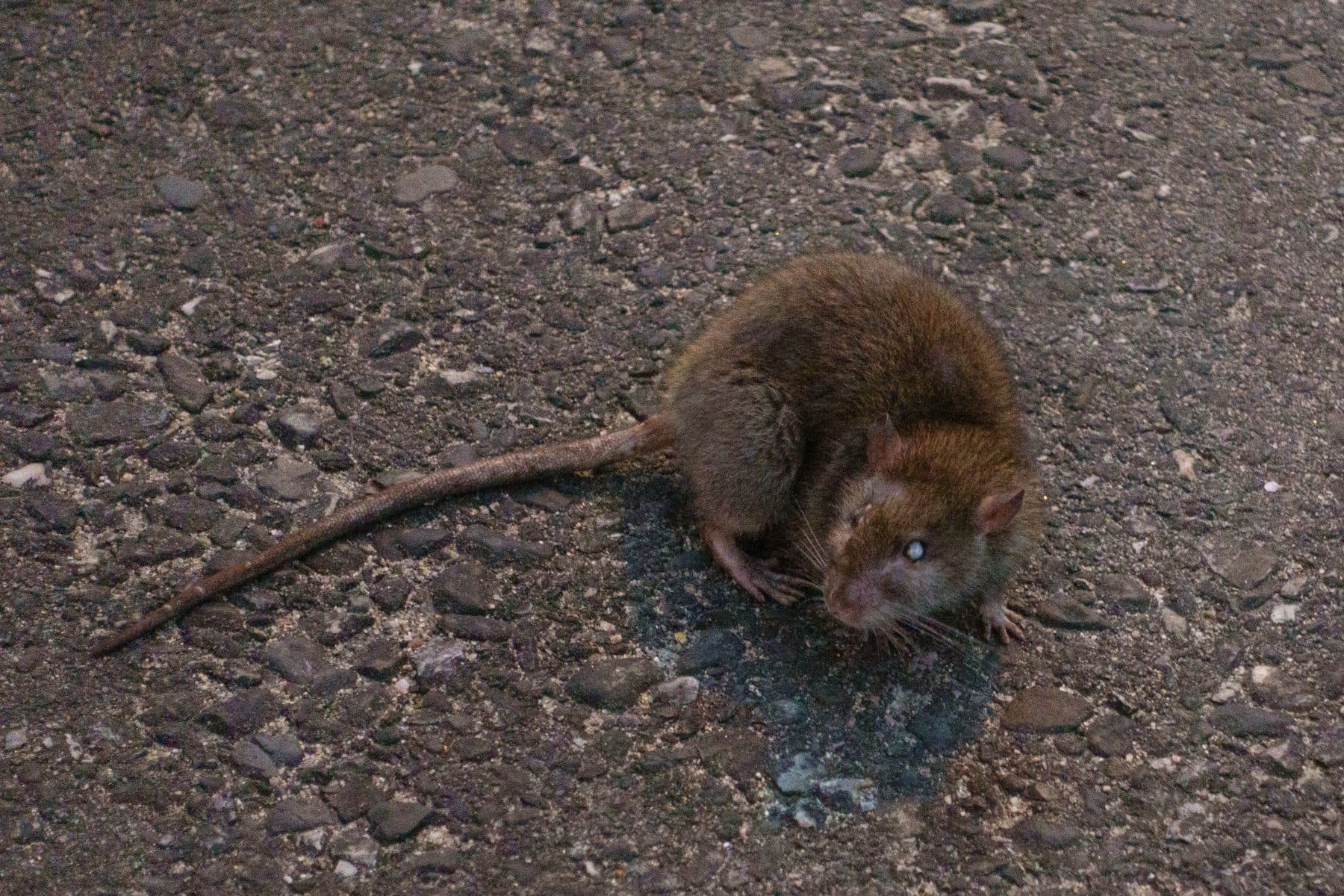
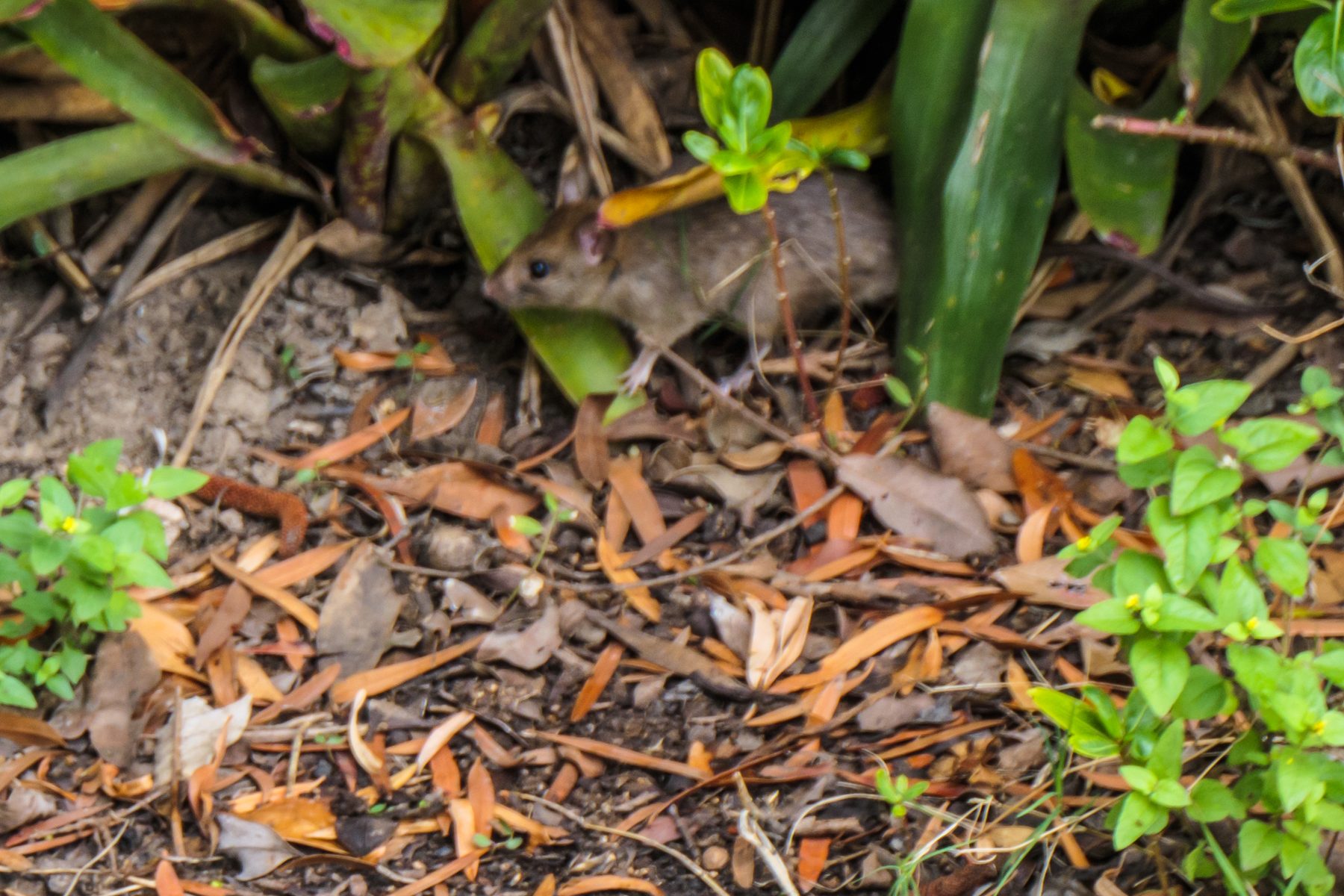
Leptospirosis is an infection caused by bacteria of the genus Leptospira. Rodents — and rats in particular — are its "main reservoir": they carry it without being ill and shed the bacteria in their urine throughout their lives, contaminating their environment for the long term.
In France, the main source of contamination is contact with fresh water soiled by the urine of wild rodents (rats, coypu). Other animals can contribute: livestock (pigs, cattle), pets (dogs, horses, pet rodents) and wildlife (wild boar, hedgehogs, shrews).
Contamination is most often indirect: water from a pond, mud, bedding or a soiled surface. The bacterium enters through a wound, even a tiny one, or through the mucous membranes (eyes, mouth, nose). A simple graze is enough — which is also why the risk rises sharply when heavy rain washes over contaminated ground.
Why cases cluster in late summer
Three factors coincide:
- Rat populations are at their peak after a full breeding season.
- High-risk activities are in full swing: freshwater swimming and sports, canoeing, fishing, gardening, outdoor work.
- Summer storms leach the soil and help Leptospira survive in water and mud.
The result: the annual incidence peak is observed in late summer. The disease has been a notifiable condition since August 2023 — any doctor or laboratory diagnosing a case must report it, which allows outbreaks to be identified quickly.
Symptoms you should not shrug off
In most cases, leptospirosis presents as a flu-like illness: fever, headache, muscle pain. That is precisely the trap — in the middle of summer, it gets blamed on tiredness.
- Incubation: usually 5 to 14 days after exposure, and up to 21 days.
- Severe forms: kidney or neurological damage, haemorrhagic manifestations. These can be fatal.
- Treatment: antibiotics — oral in mild forms, with hospital admission in severe forms.
The reflex that counts: if you develop fever, aches or headaches within 21 days of swimming in a river, being exposed to standing water or coming into contact with a soiled environment, see a doctor promptly and mention that exposure. Early treatment considerably reduces the risk of complications.
Who is most exposed
Some occupations involve frequent contact with water and soiled environments: refuse collectors, sewer workers, wastewater network staff, farmers, livestock breeders. For them, protective equipment is essential: waterproof gloves, boots, safety goggles, overalls. A vaccine is available for people exposed on a daily basis.
For households, exposure comes mainly from freshwater leisure activities — especially with open skin wounds — from gardening, and from cellars, basements, garages or damp premises frequented by rats.