Introduction: fifteen minutes that spare you three months of misery
The check-in inventory appointment rarely lasts more than half an hour. Boxes get ticked, a scratch on the parquet is noted, meters are read, signatures go down, keys change hands. Nobody lifts the skirting board behind the radiator. Nobody opens the cabinet under the sink with a torch. Nobody asks whether the neighbouring flat was treated last year.
Three weeks later, that same person is calling a technician after spotting black specks in the seams of a mattress they had only just bought new, or catching two German cockroaches behind the dishwasher at midnight. And that is when the painful part begins: proving it wasn't them. Proving the infestation was already there. Without a photo, without a written note, without a date, the conversation quickly turns into a dialogue of the deaf between tenant, landlord and managing agent.
August and September account for the bulk of house moves in France — the back-to-university period, job relocations, leases timed to end over the summer. It is also the seasonal peak of activity for bed bugs and cockroaches, which take advantage of the heat to speed up their cycles. The overlap of these two calendars explains why the start of the school year is, every single time, the moment when "pest" disputes explode.
This guide is not one more legal refresher. It is a concrete inspection protocol, room by room, to run through before you sign — plus the list of statements that, written in the right place, radically change the outcome of a dispute.
What the law says, in three useful sentences
Decree no. 2002-120 of 30 January 2002, issued under the law of 6 July 1989, defines what counts as decent housing. Among other things, it requires the property to be "free of any infestation by pest and parasite species". That wording was introduced by the ELAN Act of 2018 and remains the foundation of any claim.
Three practical consequences:
- The landlord must hand over a property free of infestation. An infestation present at check-in falls under their obligation to deliver the property, not under the tenant's routine upkeep.
- The tenant must maintain the property and report problems without delay. A late report weakens your position, because it becomes impossible to date the origin.
- In a block of flats, common areas change everything. An infestation travelling through service ducts, refuse chutes or cellars is the responsibility of the managing agent and the building's budget, not of the individual flat owner alone.
Worth remembering: the word "infestation" sets a higher bar than "presence". Two ants are not an infestation. A colony of German cockroaches in a kitchen cupboard is.
For a detailed breakdown of who pays what between landlord, tenant and managing agent, we have published a separate feature: pests in shared buildings and rentals, who pays for what. This article focuses on the upstream stage: what to look at before signing.
The kit: four items in your pocket
A serious inspection requires no special clothing or professional equipment. It requires light and a bit of method.
- A powerful LED torch, far more useful than your phone's light: a concentrated beam reveals droppings in grooves that diffuse lighting simply washes out.
- A loyalty card or bank card, to slide into gaps and dislodge whatever is hiding there.
- A roll of clear adhesive tape, to collect an insect or a shed skin and stick it on a dated sheet of paper — one specimen is worth a thousand descriptions.
- Your phone, in camera mode with the timestamp switched on.
Some people add a telescopic inspection mirror, of the kind used by mechanics: it lets you see under a sealed worktop or behind a boiler without dismantling anything. It is the accessory that makes the difference in furnished lets.
The room-by-room protocol
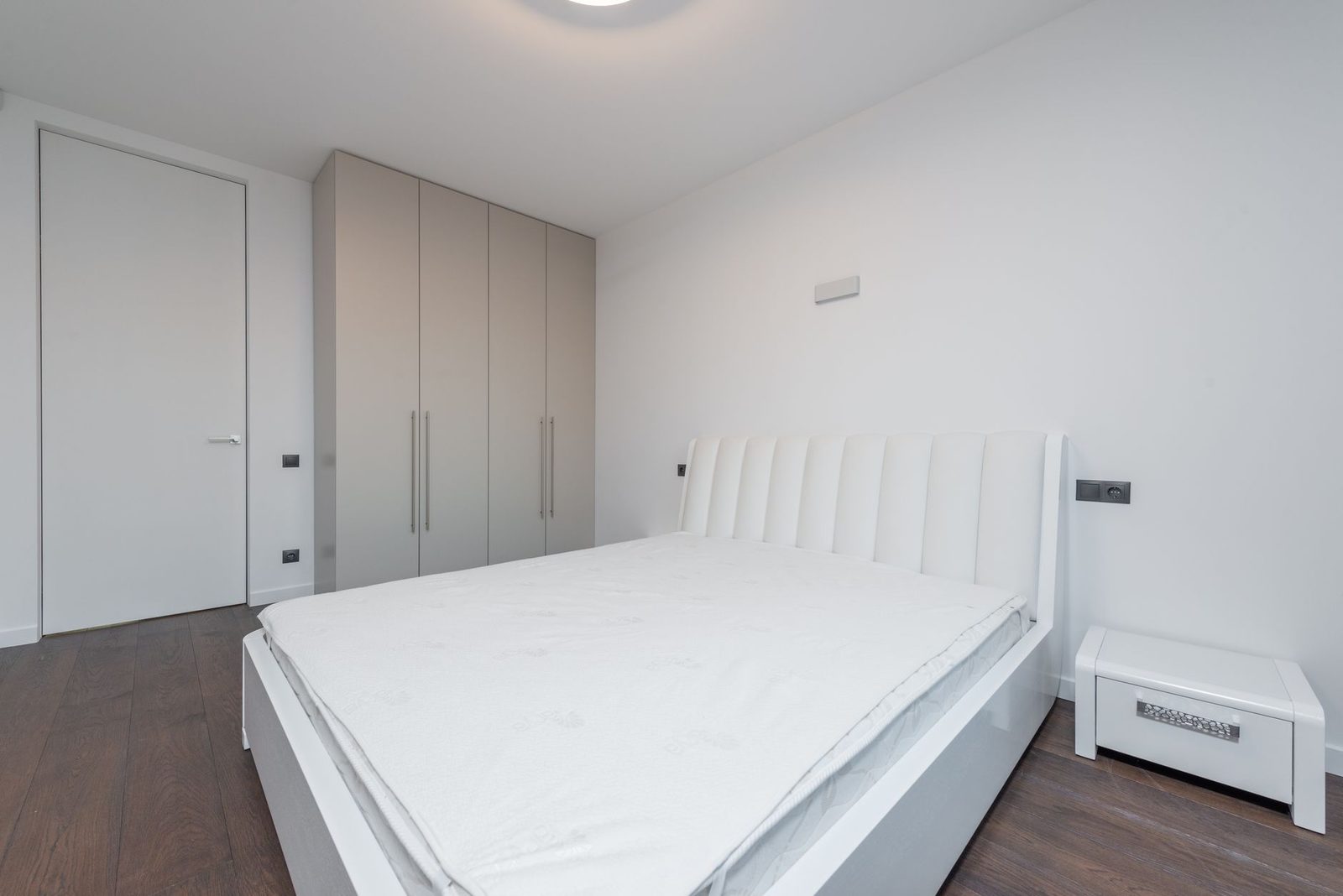
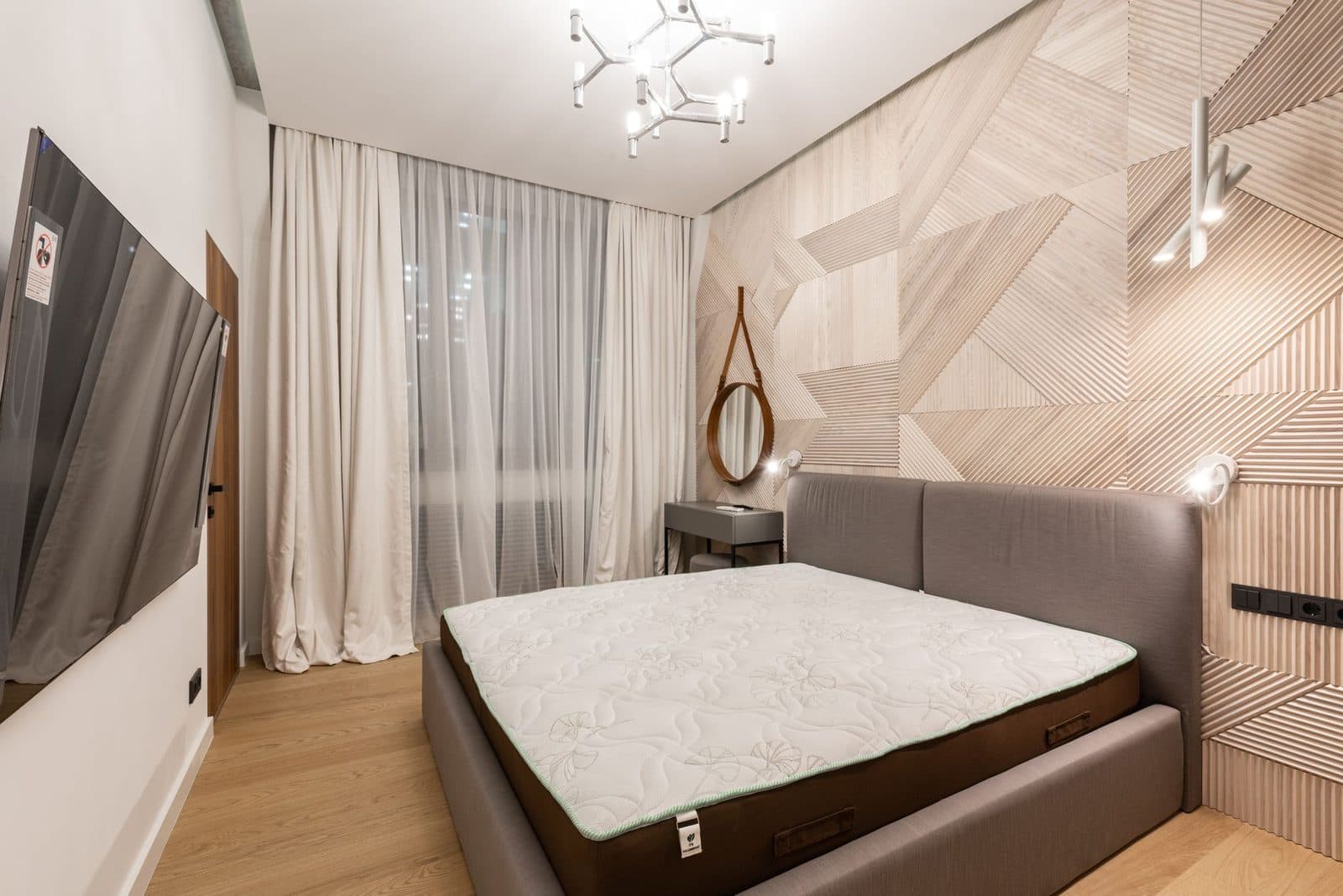
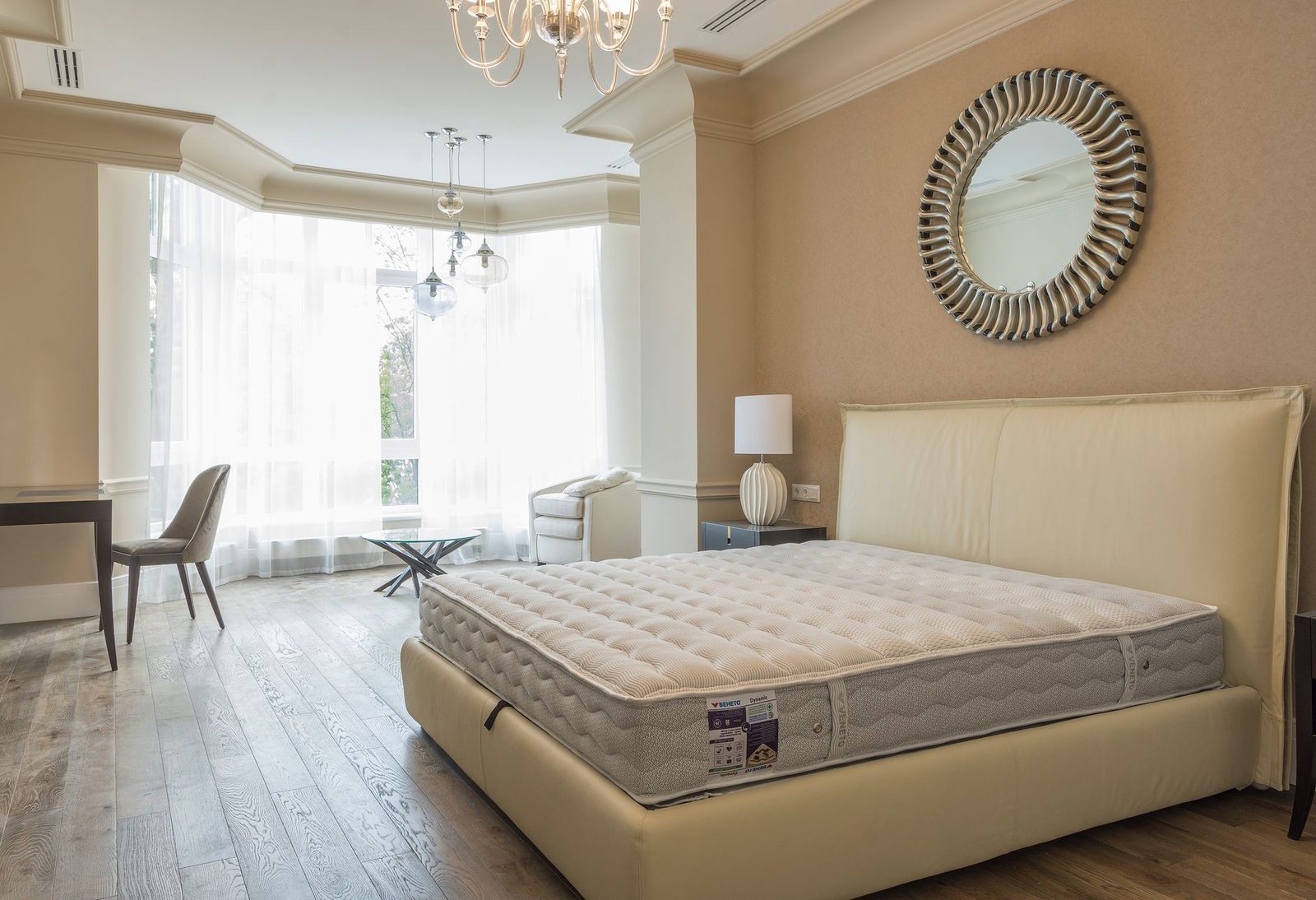
1. The bedroom: look for the traces, not the insect
You will almost never see a live bed bug during the day. You are looking for its traces, in this order:
| Area | What to look for | Decisive clue |
|---|---|---|
| Mattress seams and piping | Black dots 0.5 to 1 mm across, translucent shed skins | Dots that smear when rubbed with a damp cloth |
| Bed base, especially the underside fabric | White eggs, clusters | Torn or stained fabric |
| Headboard and wall fixings | Black streaks around screw points | Marks behind the panel |
| Skirting board behind the bed | Dotted droppings along the joint | A line running 10-20 cm |
| Electrical sockets near the bed | Black dust inside the housing | Requires unscrewing — do not do it yourself |
In a furnished property, or one recently vacated by a previous occupant, this is the top priority. In an empty flat repainted a long time ago the risk is lower but not zero: Cimex lectularius survives several months without a blood meal, and a property left empty for four months is not a decontaminated one.
If the slightest doubt remains, a set of bed bug detector traps — the cups you place under the bed legs — set up on the very first night gives you an answer within a week, at a trivial cost compared with a full treatment.
2. The kitchen: kingdom of the German cockroach
The German cockroach (Blattella germanica) is nocturnal, heat-loving and moisture-loving. It lives within three metres of a water source and a heat source. So inspect exactly those spots:
- Under the sink, inside the cabinet: look for droppings resembling coffee grounds or ground pepper around the pipe openings.
- The fridge door seal and the back of the compressor, the warmest zone in the home.
- Hinges and drawer runners, where empty oothecae accumulate (small brown ridged capsules 6-8 mm long).
- Underneath the dishwasher and washing machine, where permanent humidity creates an ideal microclimate.
- Suspended ceilings and ventilation boxing, if the property has any.
A single empty, dried-out ootheca in a long-vacant property may be a leftover. A dozen fresh droppings is not. The distinction lies in freshness: recent droppings smear, old ones crumble.
3. Rodent entry points
You are not looking for a rat, you are looking for whatever would let a rat or a mouse get in. A mouse squeezes through a 6 mm opening, a brown rat through 20 mm.
- Unsealed pipe openings under the sink and behind the toilet.
- Air vents that are loose or gnawed.
- A front door with a gap of more than a centimetre at the bottom.
- Service ducts accessible from the utility cupboard.
- Greasy rub marks along skirting boards, rice-grain droppings behind the fridge.
This is the easiest point to fix: a few aluminium anti-rodent door sweeps and some stainless steel wool pushed into pipe openings solve 80% of intrusions. But it must be documented before you sign, otherwise the repairs will be at your expense.
4. Damp, the silent giveaway
A damp home doesn't just attract mould. It attracts woodlice, silverfish, fungus gnats and, indirectly, oriental cockroaches coming up from cellars and crawl spaces.
Look at the bottom of walls behind furniture, the condition of shower seals, and whether there is a working mechanical ventilation system. A sheet of paper held against the extraction vent should stay up on its own: if it falls, the ventilation isn't working, and that belongs in the check-in inventory.
5. Common areas: the blind spot of every viewing
Nobody inspects them, and yet in a shared building that is where the crucial issues lie.
- The bin store: overflowing containers, no cleaning, greasy floor.
- The cellar: recently placed rodenticide bait (the black secured boxes), rat burrowing marks along the walls.
- The entrance hall and landings: notices from the managing agent mentioning a rat control or pest control campaign — a valuable clue, worth photographing.
- The stairwell: wasp nests under overhangs, pigeon droppings on window ledges.
A direct question to the caretaker or managing agent — "Has there been any pest control work in the building in the last twelve months?" — is entirely legitimate. The rat control contract is in fact part of the recoverable service charges, and therefore among the documents any tenant may consult.