Processionary caterpillars in the Val-de-Marne
Destruction of oak and pine processionary caterpillar nests and protection of parks and gardens against the urticating hairs, which are dangerous for children, animals and allergy sufferers.
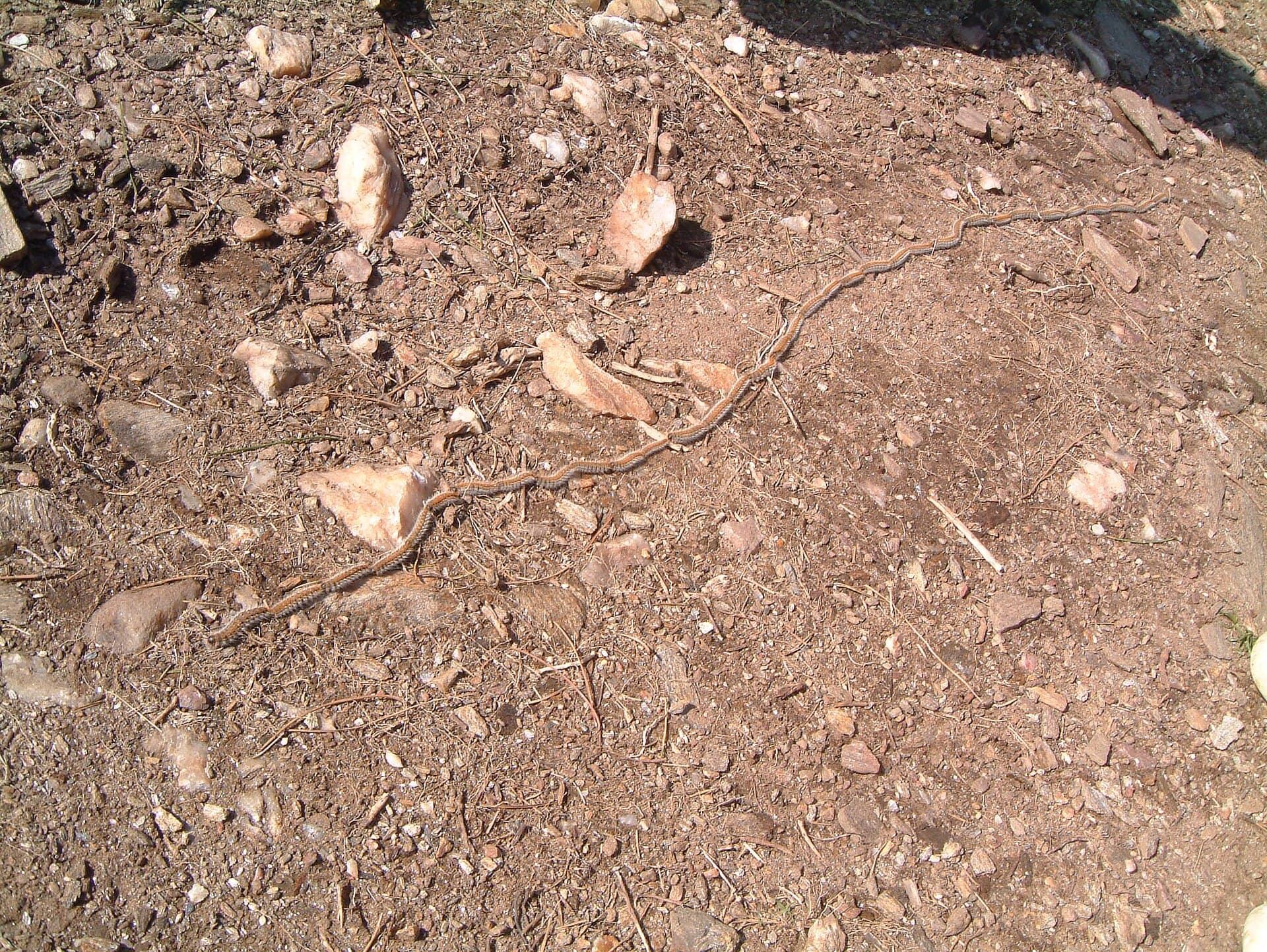
Destruction of oak and pine processionary caterpillar nests and protection of parks and gardens against the urticating hairs, which are dangerous for children, animals and allergy sufferers.
Treating processionary caterpillars addresses a genuine health hazard: their urticating hairs cause severe skin and eye reactions, and can be fatal to a dog. It combines nest removal, trapping on the trunk and, in season, a biological treatment of the tree. AntinuisiblePro works on pines and oaks across the Val-de-Marne.
AntinuisiblePro handles your Processionary caterpillars in Champigny-sur-Marne and across the whole Val-de-Marne (94). Discover our service and pick your town.
Destruction of oak and pine processionary caterpillar nests and protection of parks and gardens against the urticating hairs, which are dangerous for children, animals and allergy sufferers.
The urticating hairs of oak and pine processionary caterpillars detach and cling to clothing, skin and mucous membranes. They cause itching, conjunctivitis, asthma attacks and severe allergic reactions, particularly in children and pets. The risk persists for several years after nesting.
Each caterpillar carries hundreds of thousands of microscopic barbed hairs that detach at the slightest stress and disperse into the air. They contain an urticating protein, thaumetopoein, responsible for skin rashes, conjunctivitis and respiratory reactions. In dogs, which sniff the procession on the ground, contact with the tongue causes tongue necrosis: an absolute veterinary emergency. The key point: these hairs stay urticating for years inside an empty nest and go airborne again the moment it's touched — an abandoned nest is not a harmless nest. The procession down to the ground takes place in late winter and spring, depending on the weather.
Never touch a nest, even an empty one, and don't try to burn it or hose it down: you'd scatter the urticating hairs over yourself and the surrounding area. Call a properly equipped professional as soon as there is a nest on your property, all the more so if you have children, a dog, or a school or play area nearby. In the event of contact, rinse thoroughly without rubbing and seek medical advice; if a dog has licked a caterpillar, get to the vet immediately.
A successful treatment isn't judged on the day itself but a few weeks later. That's why we schedule a follow-up inspection and come back at no cost if the pest reappears during the guarantee period.
The price always depends on the survey: type of pest, surface area, level of infestation, accessibility and the number of visits required. We publish indicative price ranges in full transparency, and every quote is free, itemised and with no obligation.
It is not recommended: handling and especially burning the nest disperses urticating hairs into the air and worsens the risk. Only an intervention with vacuum removal and full protective equipment eliminates the nest safely.
Rinse the mouth thoroughly with clean water, without rubbing, and get to a vet immediately. Contact causes tongue necrosis and the outcome depends directly on how quickly treatment starts: this is a veterinary emergency, not a wait-and-see situation.
Nest removal is carried out in autumn and winter, when the nests are visible and the caterpillars grouped together. Collar traps go onto the trunk before the descent, in late winter. A biological treatment of the tree, meanwhile, is applied in autumn, on the young caterpillars. Our survey determines the right course of action for the season and the stage observed.
Yes, and it's the most common trap. The urticating hairs stay active for years in an abandoned nest and go airborne again at the slightest contact. An empty nest must be removed by a properly equipped professional, exactly like an occupied one.
Describe your problem and we'll call you back quickly.
Every job follows the same sequence, from your first call through to the follow-up inspection. You know exactly what will happen in your home before we arrive.
We identify the pest, the extent of the infestation and its access points.
A transparent, no-obligation quote suited to your situation.
Approved, safe treatments applied by certified technicians.
Control visit and advice to prevent any return.
Our technicians are fully trained and hold the Certibiocide certification, which is mandatory for applying professional-use biocidal products.
Based in Champigny-sur-Marne, we cover the whole of the Val-de-Marne. One point of contact, always reachable, who knows the area inside out.
If the pest comes back within the guarantee period, we return at no extra cost until it is completely eradicated.
Unmarked vehicles, discreet visits, and a detailed report after every call-out — essential for business customers.
We operate in many towns across the Val-de-Marne. Select your town:
Classified as harmful to human health since 2022, pine and oak processionary caterpillars are spreading northward. Here is how to recognise them, protect your family and pets, and react effectively.
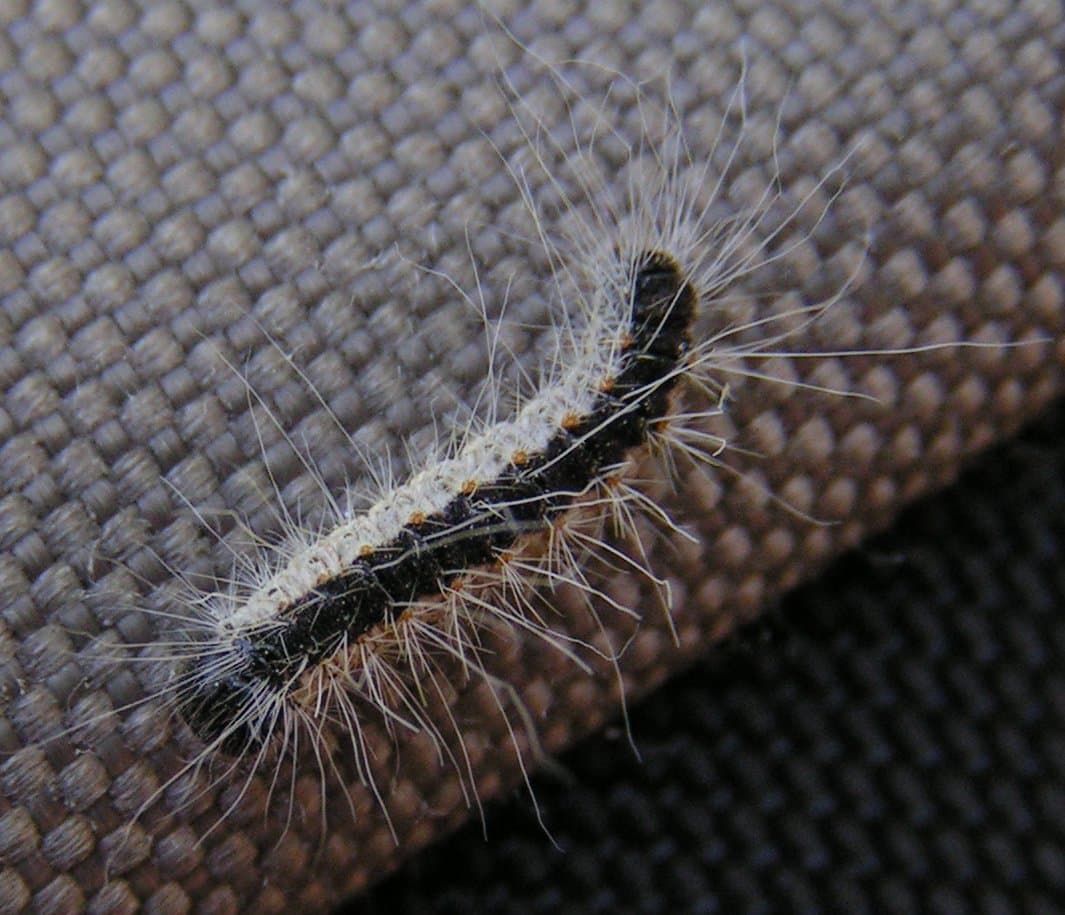
Stinging rashes, asthma attacks, dogs at risk: the oak processionary caterpillar (Thaumetopoea processionea) stays active until August. Here is the 2026 framework and the right reflexes to adopt.
Describe your situation in a few lines: we'll call you back quickly with a diagnosis and a free, no-obligation quote.
Request a free quoteOur services