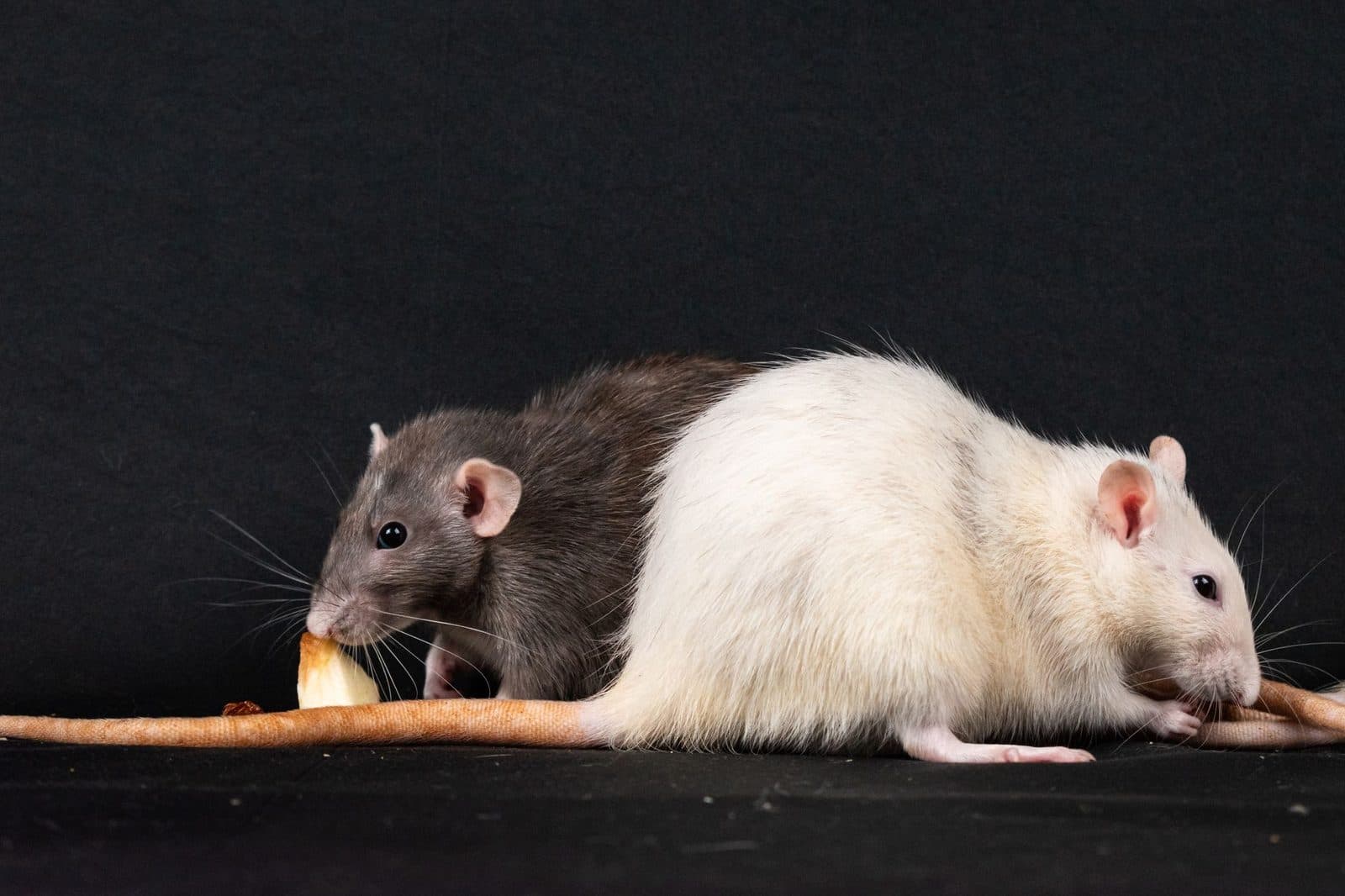
"The water only rose fifteen centimetres in the cellar. What really struck us was what we found afterwards: droppings all over the top shelf, and the bag of compost torn open." This account from a homeowner in Saint-Maur-des-Fossés, in the Marne's loop, sums up the phenomenon well. A flood doesn't just soak a cellar: it displaces rats. When burrows and sewer networks fill up, brown rats (Rattus norvegicus) abandon the riverbanks and the lower parts of the sewers, and they climb. Towards crawl spaces, cellars, garages and ground-floor kitchens.
Val-de-Marne is particularly affected: the Seine–Marne confluence, the loops at Saint-Maur, Champigny-sur-Marne, Joinville-le-Pont, Nogent-sur-Marne and Créteil, and the low-lying neighbourhoods of Villeneuve-Saint-Georges and Alfortville. The department is among the areas of Île-de-France most exposed to the risk of flooding by river overflow, and every significant episode on the Marne — even a modest rise, with no evacuation — translates into calls about rodents in the following weeks.
This guide sets out what to do, in order: protect yourself (leptospirosis is the real health risk), empty and clean, disinfect, then seal off access points before the next time the water rises.
Why a flood pushes rats into homes
The brown rat is a burrowing rodent and an excellent swimmer, but it does not live underwater. Its burrows, dug into riverbank slopes, beneath slabs and along sewer networks, drown within a few hours when the water level rises.
Three mechanisms compound each other:
- The drowning of riverbank burrows. A brown rat burrow generally develops within the top 50 centimetres of soil. A rise of a few tens of centimetres in the Marne is enough to flood an entire network of tunnels along the quays and islands.
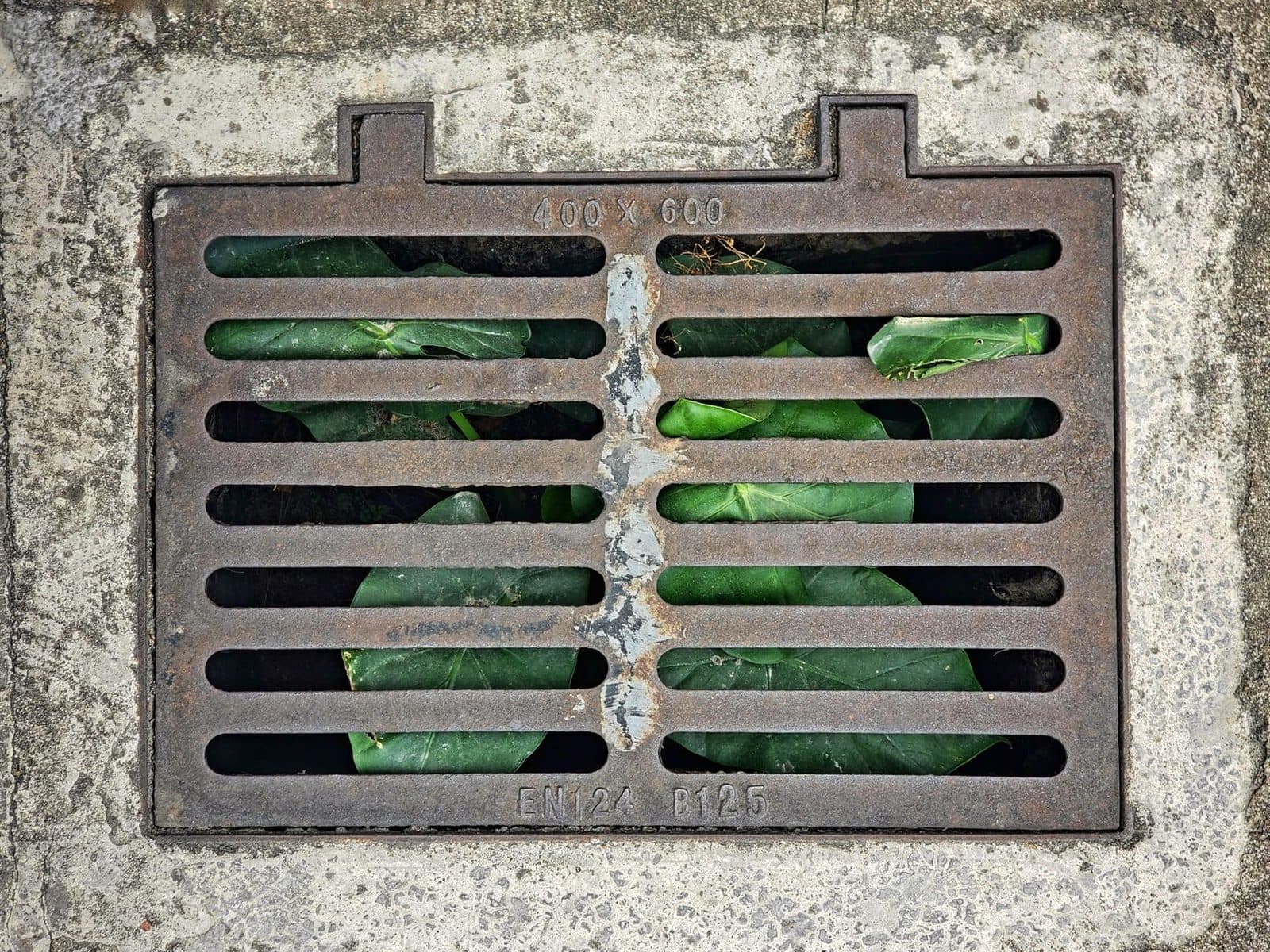
- The surcharging of the sewer network. When the main collectors fill up, the rats living in the upper sections of the pipes look for a way out: inspection chambers, floor drains, the wastewater pipes of individual houses. It's the same route described in our guide on rats coming up through the toilet.
- The redistribution of territory. Evicted colonies don't disappear: they resettle higher up, often within a radius of 100 to 200 metres. A house with an accessible cellar, a woodpile, a compost bin or a chicken coop instantly becomes a credible option.
One more thing to bear in mind: the water receding settles nothing. Rats established in a dry, quiet cellar have no reason to go back to a sodden riverbank. The risk window runs from the flood itself until 6 to 8 weeks after the water has receded.
The real health hazard: leptospirosis
This is the point on which we compromise least. Leptospirosis is a bacterial disease caused by Leptospira, excreted in rodent urine — the rat is its main reservoir in mainland France. The bacterium survives for several weeks in standing fresh water, mud or damp soil.
According to Santé publique France and the Centre national de référence de la leptospirose (Institut Pasteur), mainland France records on the order of 600 to 900 reported cases a year, with an incidence that has risen markedly since the 2010s. Freshwater activities and contact with floodwater are recognised circumstances of exposure. The INRS classifies it among the occupational biological risks faced by sewer workers and sanitation staff — and a flooded cellar reproduces, in miniature, the conditions of their workplace.
Infection occurs through:
- a wound, however small (a cut, a scrape, cracked skin on the hands) in contact with water or mud;
- the mucous membranes (eyes, mouth, nose) via splashes;
- skin left immersed and macerated for a long time.
The first signs appear 4 to 14 days after contact: sudden fever, severe headaches, muscle pain, sometimes red eyes. It is often mistaken for flu or gastroenteritis. The message to remember is simple:
Any unexplained fever within the two weeks following the clean-up of a flooded cellar should be reported to a doctor, specifying the exposure to floodwater. Early antibiotic treatment changes the prognosis; a severe form can affect the kidneys, liver and lungs.
Two further risks should be added, less talked about but real after a flood: salmonellosis from contact with rodent droppings, and hantavirus carried by the wood mouse, particularly in wooded peri-urban areas.
Protecting yourself before going down to the cellar
Before opening the door, gear up. This isn't excessive: it is exactly what sanitation workers are advised to do.
- Waterproof safety boots that come up high, never trainers or clogs.
- Waterproof protective gloves with long cuffs, thick nitrile or rubber type, not fabric gardening gloves.
- Splash-proof safety goggles, essential as soon as you use a water jet: it's the jet that aerosolises the mud and sprays it onto the mucous membranes.
- An FFP2 or FFP3 mask if the cellar is enclosed, dusty or mouldy after drying.
- Waterproof dressings over any wound, even a two-millimetre cut.
After the work: wash your hands and forearms with soap, rinse your boots outside, and never eat, drink or smoke while working.
The restoration protocol, step by step
Cleaning before the water has gone, or disinfecting a surface still covered in mud, is wasted effort. The order matters.
1. Pump out and drain the remaining water
As soon as the outside level has dropped below that of the cellar, drain it. Beyond a few centimetres, a submersible cellar drainage pump with a discharge hose is more effective than a wet vacuum. Watch out for the point most often overlooked: switch off the electricity for the area at the consumer unit before doing anything, and only switch it back on once you have confirmed the installation is dry.
2. Clear out, sort, discard
Anything porous that has been in contact with floodwater goes: cardboard, chipboard panels, soiled insulation, mattresses, bags of pet kibble, compost, dented tins, bottles whose caps were submerged. Rodents feed and hide in that clutter: readers will find this angle covered in detail in our article on cardboard boxes and storage bins as a vector for pests.
Non-porous items (metal, glass, hard plastic) can be salvaged after washing and disinfection.
3. Clean mechanically
Scrape the mud away with a squeegee and a shovel, remove it in sealed bags, then wash the floors and the first 50 centimetres of the walls with water and detergent, using a brush. No pressure washer in an enclosed space: misting contaminated organic matter into the air is precisely what you want to avoid. If you use one outdoors, wear goggles and a mask.
4. Disinfect
Disinfection only works on a clean surface: organic matter inactivates disinfectants. Once the floor has been rinsed:
- diluted bleach (roughly one 250 ml sachet of 9.6% bleach in 10 litres of water, giving a solution of about 0.5% active chlorine), applied, left to work for 10 to 15 minutes, then rinsed off;
- or a ready-to-use virucidal disinfectant meeting the EN 14476 standard for delicate surfaces;
- maximum ventilation during and afterwards, and never mix bleach with acidic or ammonia-based products (release of chlorine gas).
5. Dry for a long time
The basement of a house takes weeks to dry out. An electric dehumidifier rated for 50 to 80 m², run continuously with connecting doors closed and the tank emptied every day, speeds things up considerably. A basement that stays damp then attracts woodlice, silverfish and house centipedes — a subject covered in our article on damp-loving basement pests.