Argentine Ant Invasion: How to Protect Your Garden and Pets This Summer 2026

L'équipe AntinuisiblePro · Published on August 12, 2026 · 5 min read
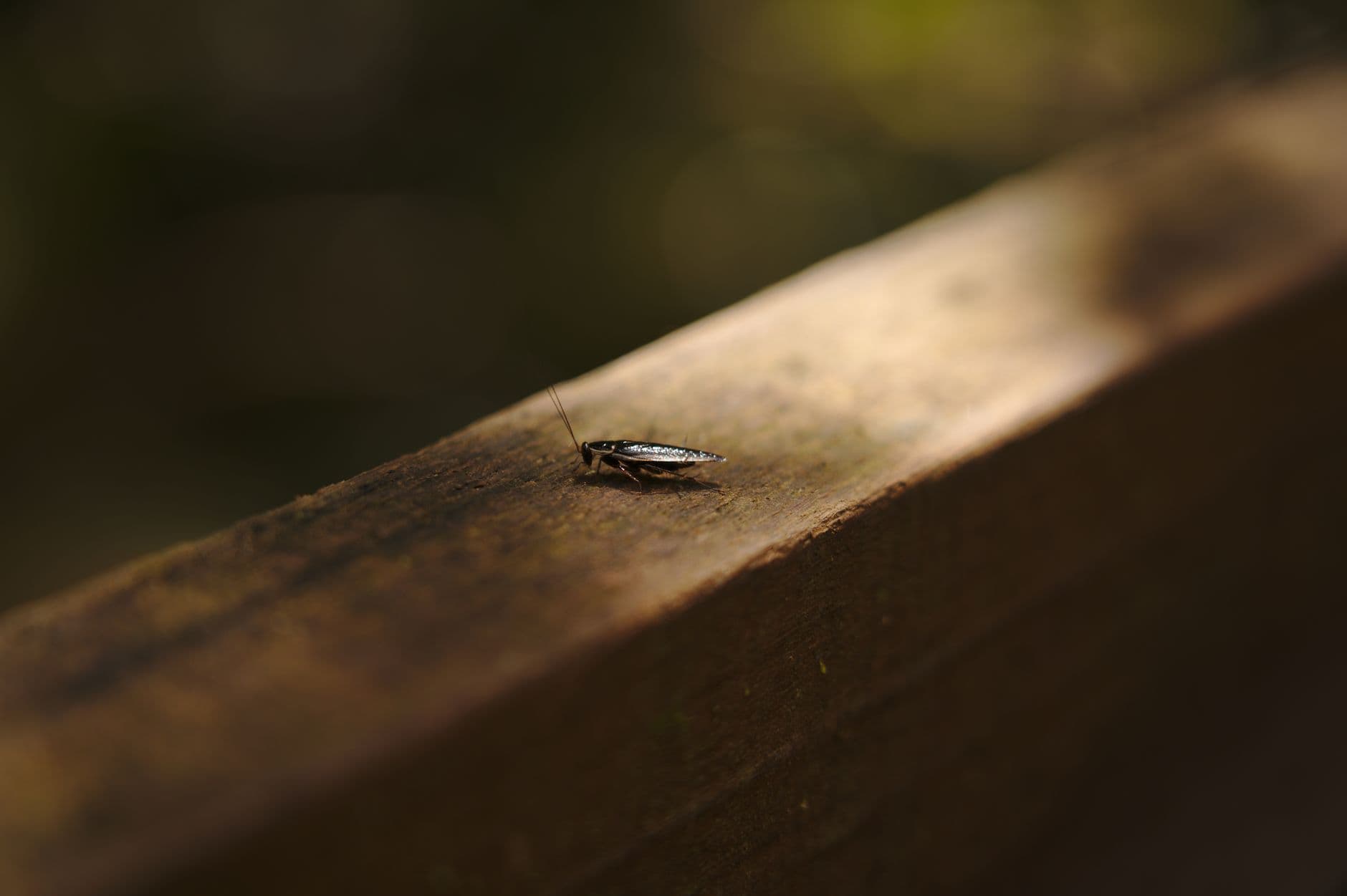
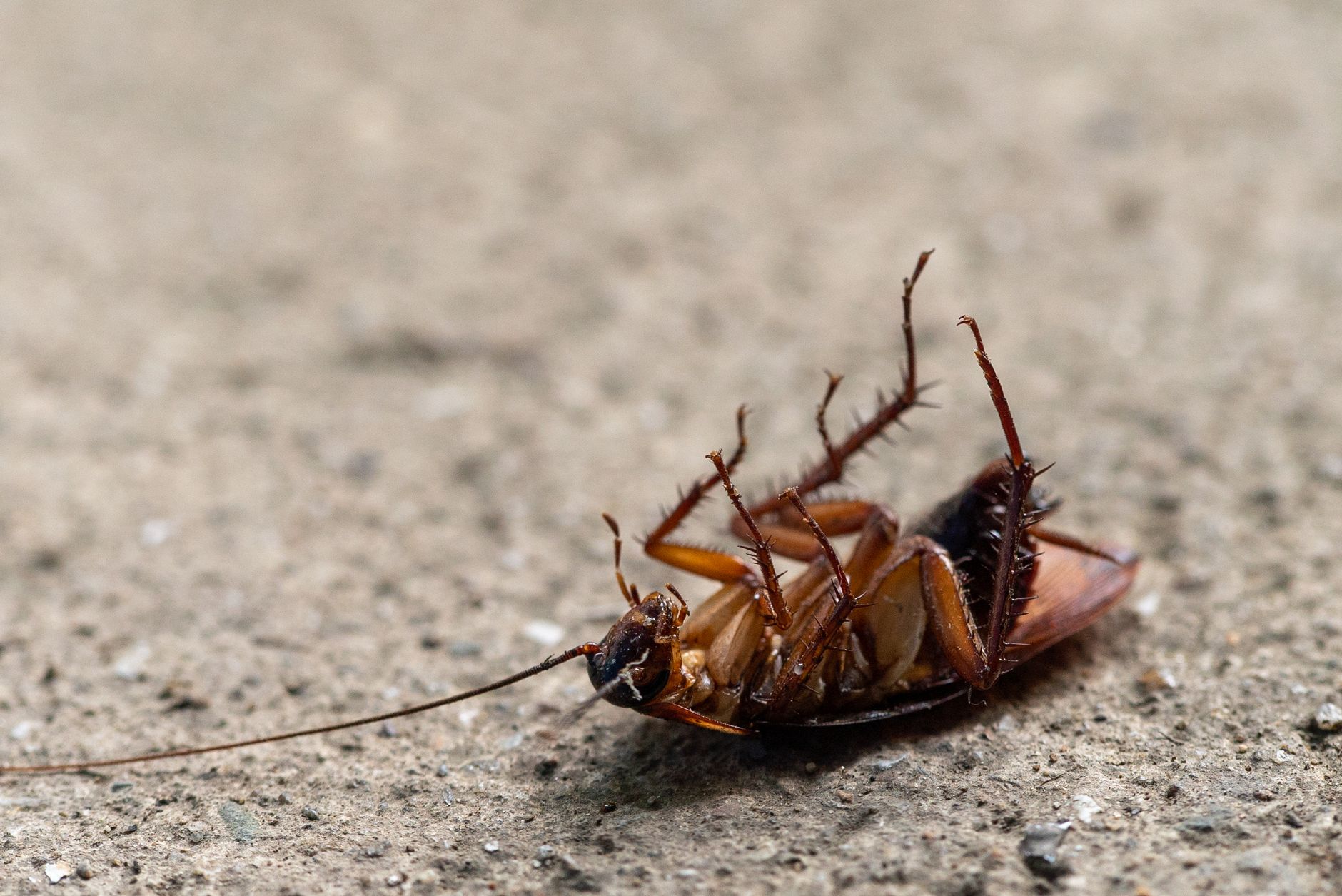
Close-up of a brown cockroach walking on a wooden surface.

Introduction: The Discreet but Formidable Arrival of the Argentine Ant

As the summer of 2026 reaches its peak, a phenomenon is worrying garden owners and green space managers across France: the rapid spread of the Argentine ant (Linepithema humile). While the presence of ants is usually normal, or even beneficial, in an ecosystem, this invasive species changes the game. Originally from South America, it doesn't just coexist with other insects; it systematically supplants native species and turns our outdoor spaces into conflict zones.

Unlike classic black ants, the Argentine ant organizes itself into "super-colonies." This unique biological behavior allows it to reach phenomenal population densities, often rendering traditional control methods ineffective. For the homeowner, this translates into endless columns invading patios, vegetable gardens, and, more problematically, the interior of homes in search of food and moisture.

Ants in a garden

How to Identify the Argentine Ant?

It is crucial not to confuse a common ant infestation with an Argentine ant invasion, as the treatment strategy differs radically.

Distinctive Signs

The Argentine ant is a small ant, generally brown to black in color, ranging from 2 to 3 mm in size. However, it is its behavior that betrays its presence:

  • Density: You will observe thousands of individuals where a classic colony would only have a few dozen.
  • Absence of a single central nest: Unlike local ants, they do not always build large, visible mounds of earth. Their nests are diffuse, spread throughout the garden, under slabs, or within plant roots.
  • Aggressiveness: They are particularly territorial and vigorously attack any intruder, including other insects and small animals.

Impact on Local Biodiversity

One of the major dangers of this species is the collapse of biodiversity. By eliminating indigenous ants, they disrupt soil aeration and seed dispersal. Furthermore, they form alliances with aphids, protecting them from natural predators to harvest honeydew. The result: a paradoxical increase in aphids on your roses and vegetables, despite the massive presence of ants.

Risks to Pets and Humans

While the Argentine ant is not lethal to humans, it represents a real nuisance, especially during the intense heat of summer 2026.

Sensitivity and Stings

Although their sting is less powerful than that of a hornet, the strength of their numbers makes an attack painful. A dog or cat venturing onto a nest can find itself attacked by hundreds of individuals simultaneously. Reactions can range from simple irritation to local swelling, particularly on sensitive areas like paws or the muzzle.

Indoor Invasions

The Argentine ant is particularly attracted to water sources. During periods of drought, they enter kitchens and bathrooms in massive numbers. They can contaminate countertops and attack food stocks, creating constant stress for the residents of the home.
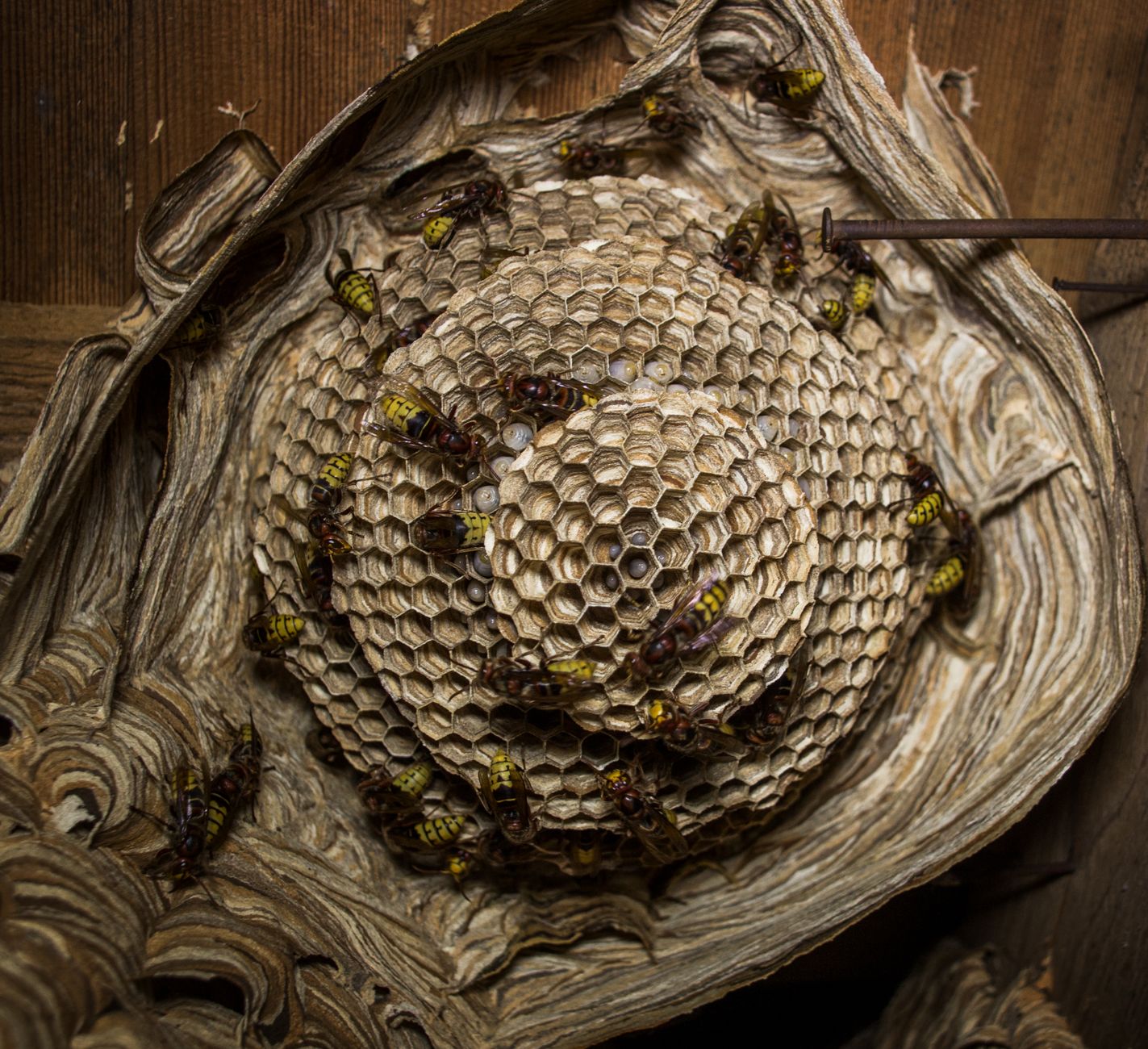
Clean home interior

Control Strategies: How to Get Rid of Them Permanently?

Fighting an Argentine super-colony with surface insecticide sprays is a classic mistake. This only eliminates the visible workers while the queen, protected at the heart of the network, accelerates the production of new larvae.

The Bait Method (The Trojan Horse)

The only effective solution is to use slow-acting poisoned baits. The principle is simple: the workers carry the toxic substance to the heart of the nest and distribute it to the queen and larvae.

  1. Identifying trails: Locate the ant columns and place the baits directly in their path.
  2. Patience: Do not destroy the columns immediately after installing the baits, as they must serve as vectors to transport the product.
  3. Repetition: Given the diffuse structure of the nests, a single treatment is rarely sufficient. Follow-up over several weeks is essential.

Precautions and Alternatives

To limit the entry of ants into the house, the use of physical barriers is recommended. A silicone sealant or the application of diatomaceous earth powder at entry points can slow the invasion. For those who prefer less chemical solutions initially, a mixture of water and white vinegar can help erase the olfactory trails left by ants, thereby disorienting them.

Maintained garden

Prevention: Anticipating to Avoid the Struggle

Prevention remains the best way to avoid a massive infestation. A healthy garden is less vulnerable to invasive species.

Environmental Management

  • Avoid overwatering: Argentine ants love water-saturated soils. Targeted and reasoned watering limits their attraction.
  • Clearing debris: Wood piles, accumulated dead leaves, and construction debris serve as ideal shelters for satellite nests.
  • Aphid control: By treating your plants against aphids, you remove the primary food source (honeydew) that attracts and maintains ant colonies.

When to Call a Professional?

If, despite your efforts, the columns persist or you find that your pets are systematically attacked, the intervention of a specialized pest control company is necessary. Professionals have access to high-concentration bait gels and the expertise to map the extent of the super-colony, ensuring a deeper and more lasting elimination.

Gardening expert

Conclusion: A Challenge for French Biodiversity

Fighting the Argentine ant is not just about domestic comfort; it is a matter of preserving our local wildlife. By remaining vigilant and adopting targeted treatment methods, we can limit the expansion of this plague. The summer of 2026 reminds us that the fragile balance of our gardens requires constant attention and a rapid response to invasive species.

A pest problem?

Our experts act fast and for good. Request a free assessment.

Request a free quoteOur services

Back to the blog

CallFree quote