Introduction: The Infestation Season and Hidden Risks
Summer 2026 marks a turning point in household pest management, confirmed by several recent reports. While much talk focuses wasps or tiger mosquitoes to protect bees and limit invasive malaria, special attention must be given to insects settling directly on our countertops: ants.
Unlike their gardener cousins that we often keep away from pets (source: Invasion de fourmis argumentines), these kitchen colonies act as mechanical vectors. They transport a significant bacterial load via their legs and saliva from trash or outdoor soil into ready-to-eat foods.
This risk is not trivial. According to Santé publique France, insects are capable of moving pathogens like Salmonella or Staphylococcus aureus. In 2026, with the general increase in household infestation rates (estimates near 62% according to recent data), understanding this mechanism is crucial for preserving food safety.
Understanding Mechanical Role: Why They Contaminate
to act effectively, you must abandon the comforting image of a simple "annoying insect." In an enhanced health prevention context in 2026, experts agree that insect presence in active food zones should be handled rigorously. Here is how they contaminate:
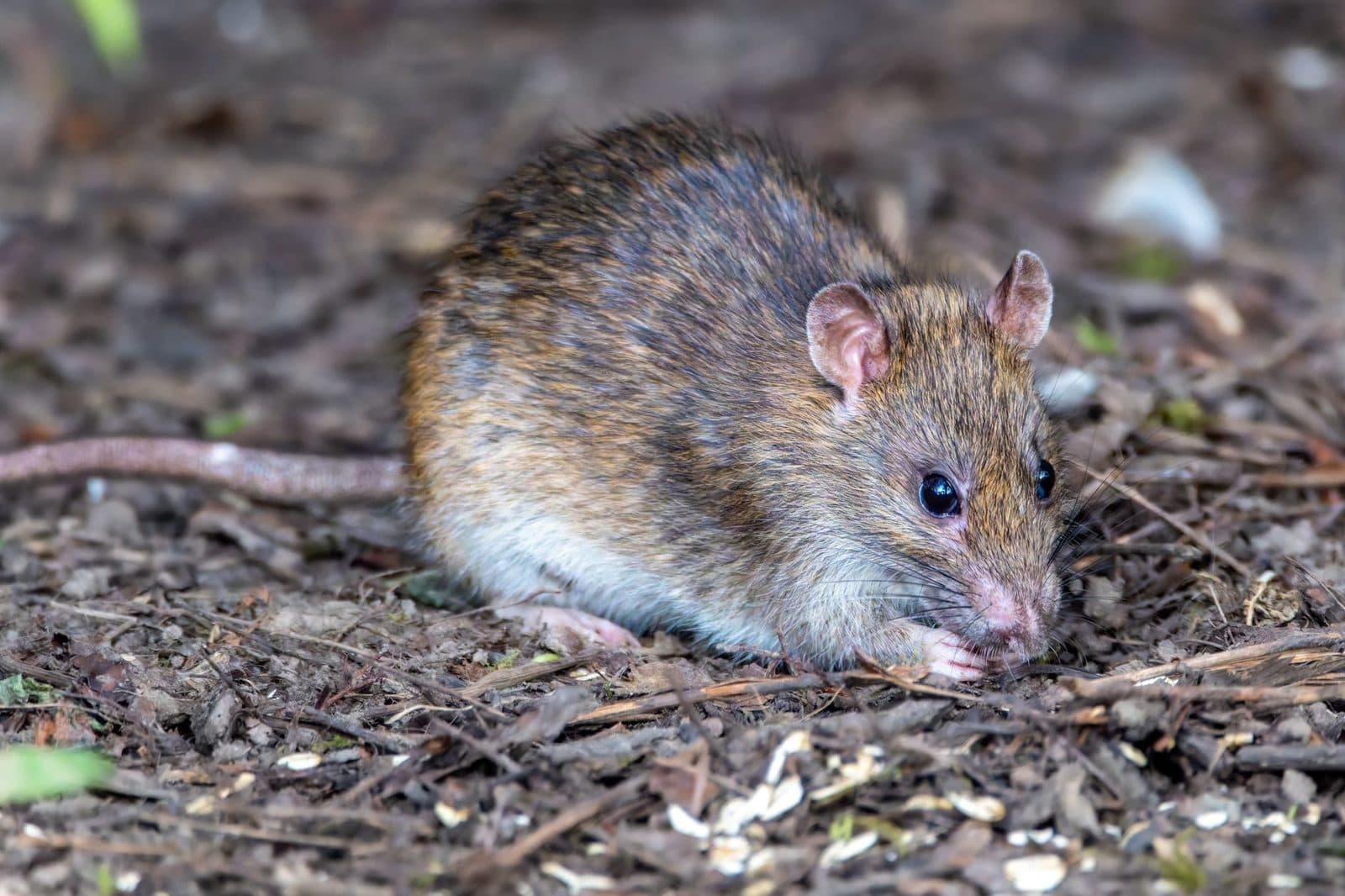
- Mechanical contamination: Ants walk on potentially soiled outdoor floors (rodent feces, bird droppings) before entering indoors.
- Food residues: They are attracted to sugars or proteins left on surfaces. By feeding on a salad then returning for sugar in an open jar elsewhere, they act as active vectors of invasive pathogenic species.
- Damp areas: Ants need water regularly. A leak near the countertop attracts moisture and encourages their constant presence.
The ANSES reminds that these insects are particularly problematic in collective housing where space connectivity (technical shafts, pipes) allows a local infestation to impact several neighbors within hours. If treatment is isolated without global coordination on neighboring building or entire apartment complex, it will fail quickly.
Hygiene Protocols: Clean Up to Remove Scent Trails
The first step in prevention consists of making your kitchen "indigestible" for ants. It's not just surface cleaning but eliminating the chemical signal they use to mark their path.
Enzymatic Cleaning: An Effective and Sustainable Approach
Standard cleaners can sometimes mask odors without fully removing them. Ants are extremely sensitive to olfactory traces left by food (sugar, proteins). To eliminate these trails effectively, using enzyme-based cleaner is recommended.
These products chemically degrade remaining organic residues on countertops or floors. Unlike standard household detergents that just rinse the surface, they remove the odor source itself used by species for navigation in your kitchen.
Practical Tip: Wipe with a damp cloth soaked in this type of product after each meal. Never leave uncovered foods on counters longer than 15 minutes, especially during heatwaves where ants are active day and night.
Food Storage: An Essential Physical Barrier
The second measure consists of securing your provisions against direct access. Four-hand (ant hills) cannot penetrate a tightly sealed container regardless of food type stored below.
Use rigid plastic food storage boxes or glass with screw caps is essential for cereals, pasta and starches. Also avoid opening yogurt pots where ants can enter even if pot seems intact; once opened by an outside insect (or during transport), it can let bacteria in.
Waterproof Barriers: Seal Structural Entry Points
even with impeccable hygiene, if building is poorly insulated, invasion will be inevitable. Ants pass through tiny gaps (less than 2mm). So you must act on housing physics.
Sanitary Silicone Rope for Cracks Application Manual or Semi-Industrial of Sanitary Silicone Is One Most Durable Solution This Material Creates Flexible Joint Resisting Water And Vibrations While Physically Blocking Passage Of Insects.
Unlike simple putty (acrylic) often used by DIY to mask aesthetic crack but not waterproof, specific silicone offers hydrophobic resistance. It must be applied on kitchen joints around faucet or near sinks where humidity favors insect presence.
*Method:
- Carefully clean all cracked area with acetone degreaser to remove residual grease preventing joint adhesion.
- Apply continuous layer of sealing silicone rope on gaps between backsplash and countertop.
- Let dry at least 4 hours before using food zones again (check solvent evaporation according product).
Controlling Residual Humidity: A Critical Indicator in Summer
Ants have high water demand. If you have a leaking sink or condensate under cabinets, it attracts them immediately.
Use of digital hygrometer to measure relative humidity in kitchen allows detecting critical peaks (>60%). Below this threshold (around 45-50%), risk of invasion decreases considerably. Damp zones like kitchens without extraction or with poor ventilation system are therefore priority targets.
Treatment Strategies: Food Safety and Bait Management
Once structural prevention is in place, sometimes need to eliminate confirmed infestation (colony visible inside oven, on plans). Use of classic insecticides based on pyrethroids must be limited as some products banned or restricted by ANSES for domestic use without specific precautions in food zones.
Secure Bait Stations: Gentle and Effective Solution
Rather than sprays contaminating countertop, bait stations allow targeted action. Principle relies on toxicity of poison slowly released into ant organism.
Several types exist: some based on proteins (for workers), others more specific to sugary colonies. Important to choose products certified for domestic use and non-dangerous for direct contact with fresh foods once dried or after treatment according instructions.
Important Precision: In kitchen, always prioritize protein-based baits over sex hormones (which can be more toxic). These act on insect nervous system. Action delay is long (several days), but allows workers to bring substance back into colony.
Setting Up Treatment: Sanitary Protocols
- Separation: Put unpacked or sensitive foods out of reach during temporary treatment.
- Targeted Application: Do not treat directly on surface where you cook immediately (risk accidental ingestion during meal). Apply periphery, under cabinets or in gaps.
- Post-Treatment Monitoring: Check that zone stays dry and clean for 24h to avoid cross-contamination by non-dried residues (minor skin burn risk but also ingestion).
Conclusion: Prevention Before Radical Intervention
In summary, sanitary management of ants in kitchen in 2026 rests on three pillars:
- Physical waterproofing via adequate use of sealing silicone rope for cracks.
- Enzymatic cleanliness removing residues and persistent odor trails.
- Secure storage of foods in rigid airtight containers or glass.
Recent data showing presence of pests in 62% affected homes indicates individual hygiene no longer sufficient without collective approach (especially if you are tenant). However, for owners these preventive maintenance measures avoid need for heavy pesticides or destructive fauna non-targeted like local domestic bees.
If invasion persists despite impeccable hygiene and targeted treatment (gelled baits for ants), it is time to contact specialized professional. Pest management must never compromise sanitary food safety nor animal welfare indoors.
By following these recommendations, you protect your kitchen and foods this summer season.
A pest problem?
Our experts act fast and for good. Request a free assessment.
Request a free quoteOur services