Fighting the Tiger Mosquito: Are Plant-Based Solutions Truly Effective?

L'équipe AntinuisiblePro · Published on August 20, 2026 · 5 min read
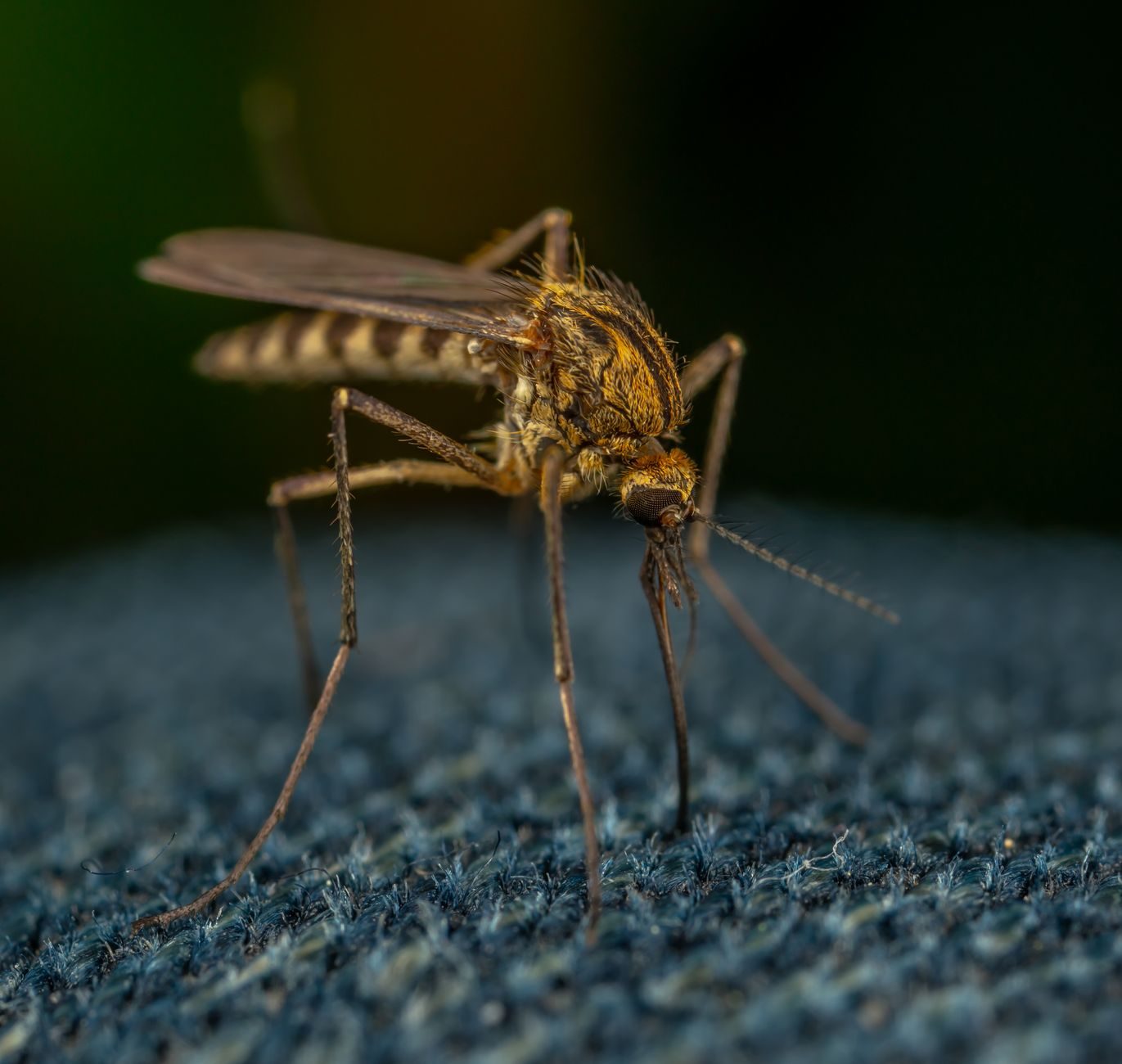
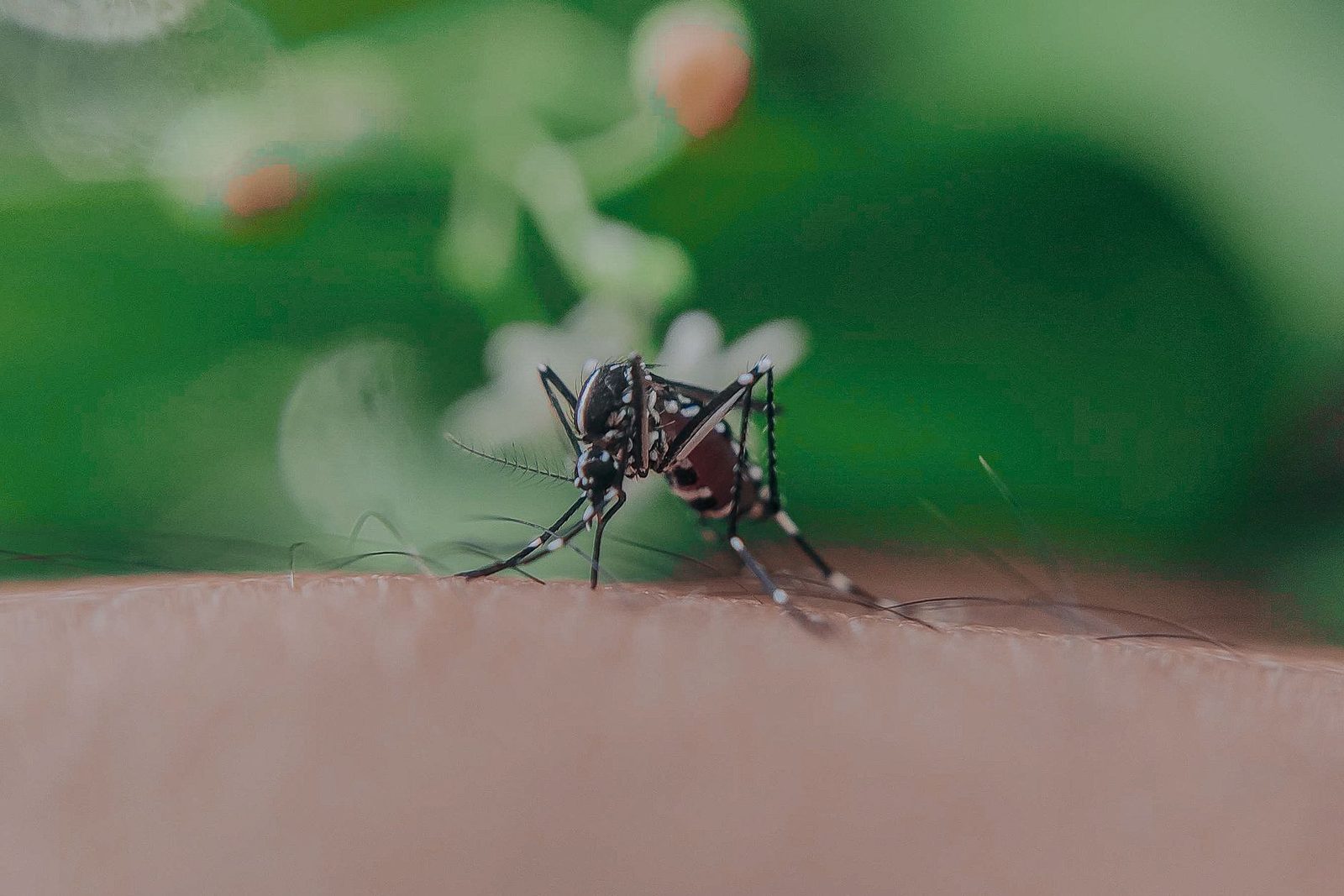
Close-up of a tiger mosquito with white stripes on its body and legs.

Introduction: The "All-Natural" Summer Against the Tiger Mosquito

The summer of 2026 marks a turning point in the perception of vector control in France. As the tiger mosquito (Aedes albopictus) has colonized nearly the entire territory, we are observing a profound shift in consumer habits. The public, often weary of neurotoxic insecticides and alerted by ANSES reports on the environmental impact of pyrethroids, is turning massively toward so-called "green" alternatives.

The recent launch of 100% plant-based solutions by major retailers, such as Leclerc, illustrates this trend: pest control products must no longer just be effective; they must be compatible with garden biodiversity. But between marketing and entomological reality, what is the true effectiveness of these plant-based solutions? Can a professional treatment really be replaced by plant extracts without risking uncontrolled proliferation?
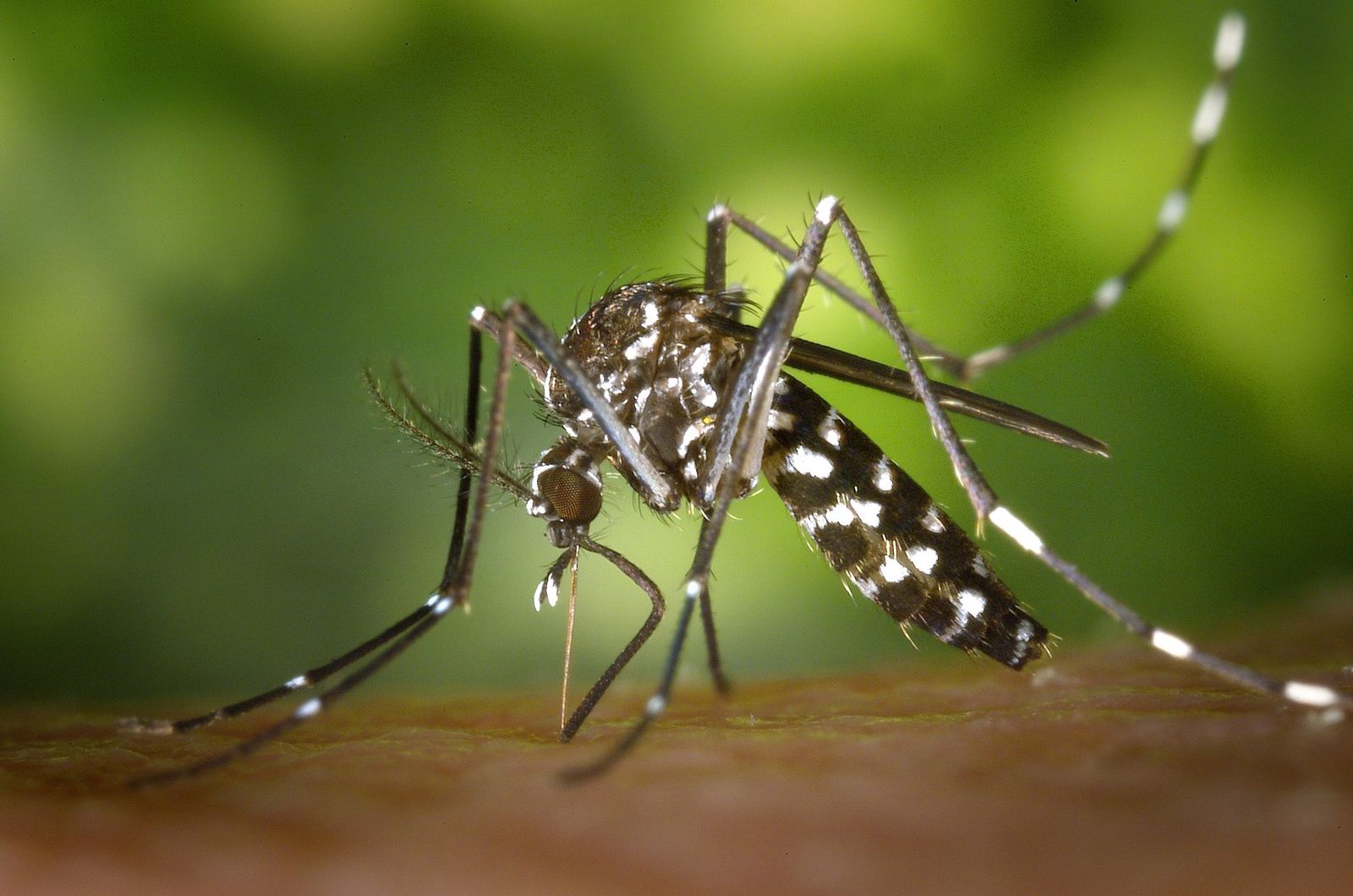
Close-up of a tiger mosquito with white stripes on its body and legs.

Mechanism of Action: How Do Plant-Based Solutions Work?

Unlike synthetic insecticides, which often aim to paralyze the insect's nervous system (knock-down effect), plant-based solutions primarily act on two levers: repulsion and the interruption of the larval cycle.

Essential Oil-Based Repellents

Most natural sprays rely on molecules such as geraniol, eucalyptol, or citronella. These substances mask the chemical signals (CO2 and lactic acid) that we emit and that attract the mosquito. However, their volatility is their main weakness. While a chemical product can last for several hours, a plant-based solution often requires reapplication every two hours to remain active.

To reinforce this protection during outdoor evenings, the use of a bed or window mosquito net remains the most reliable physical barrier, ideally complementing topical products.

Biological Larvicides

The most promising approach in 2026 lies in treating larval breeding sites. Bacillus thuringiensis israelensis (BTI), a natural bacterium, is now widely recommended by Regional Health Agencies (ARS). It specifically targets mosquito larvae without harming bees or fish. This is where "plant-based" or "biological" meets professional efficiency: by eliminating the next generation, the adult population is mechanically reduced.

Comparison: Plant-Based Solutions vs. Chemical Treatments

To clarify, here is a summary table of the strengths and weaknesses of the two approaches.

CriterionPlant-Based / Bio SolutionsChemical Treatments (Pyrethroids)
Speed of ActionSlow (repulsion/prevention)Fast (shock effect)
Environmental ImpactLow, biodegradableHigh (toxic to pollinators)
Duration of ProtectionShort (frequent renewal)Long (residual action)
Health RiskLow (beware of allergies)Moderate (irritation, disruptors)
TargetSpecific (if BTI is used)Broad spectrum (kills most insects)

Close-up of a tiger mosquito perched on blue fabric.

The Traps of "Natural": Beware of Misconceptions

The enthusiasm for natural products sometimes leads to strategic errors that paradoxically favor the tiger mosquito.

The Myth of Repellent Plants

Planting citronella or basil on a balcony is a common practice, but its actual effectiveness is nearly zero once the insect is already present in the garden. These plants emit fragrances, but not at a concentration high enough to create a protective "shield" around a terrace. It is an olfactory pleasure, not a defense strategy.

The Danger of Pure Essential Oils

It is crucial to remember that "natural" does not mean "harmless." Applying undiluted essential oils to the skin can cause chemical burns or severe allergic reactions, particularly in children and pregnant women. It is always preferable to use an electric essential oil diffuser to freshen the air in a room without direct skin contact.

2026 Strategy: Toward Integrated Pest Management (IPM)

Current expertise in pest control no longer advocates for a binary choice between "chemical" and "plant-based," but rather an Integrated Pest Management (IPM) approach.

  1. Mechanical Removal (Priority 1): This is the most effective and ecological step. Empty flower pot saucers, clean gutters, and cover rainwater collectors. No standing water, no larvae.
  2. Individual Protection: Wear long, light-colored clothing. For heavily infested areas, using a UV mosquito lamp can help reduce the density of insects in a closed room.
  3. Targeted Intervention: Use plant-based solutions and bio-larvicides for routine maintenance. Reserve heavy chemical treatments for massive and localized infestations, calling in a professional to avoid product waste.

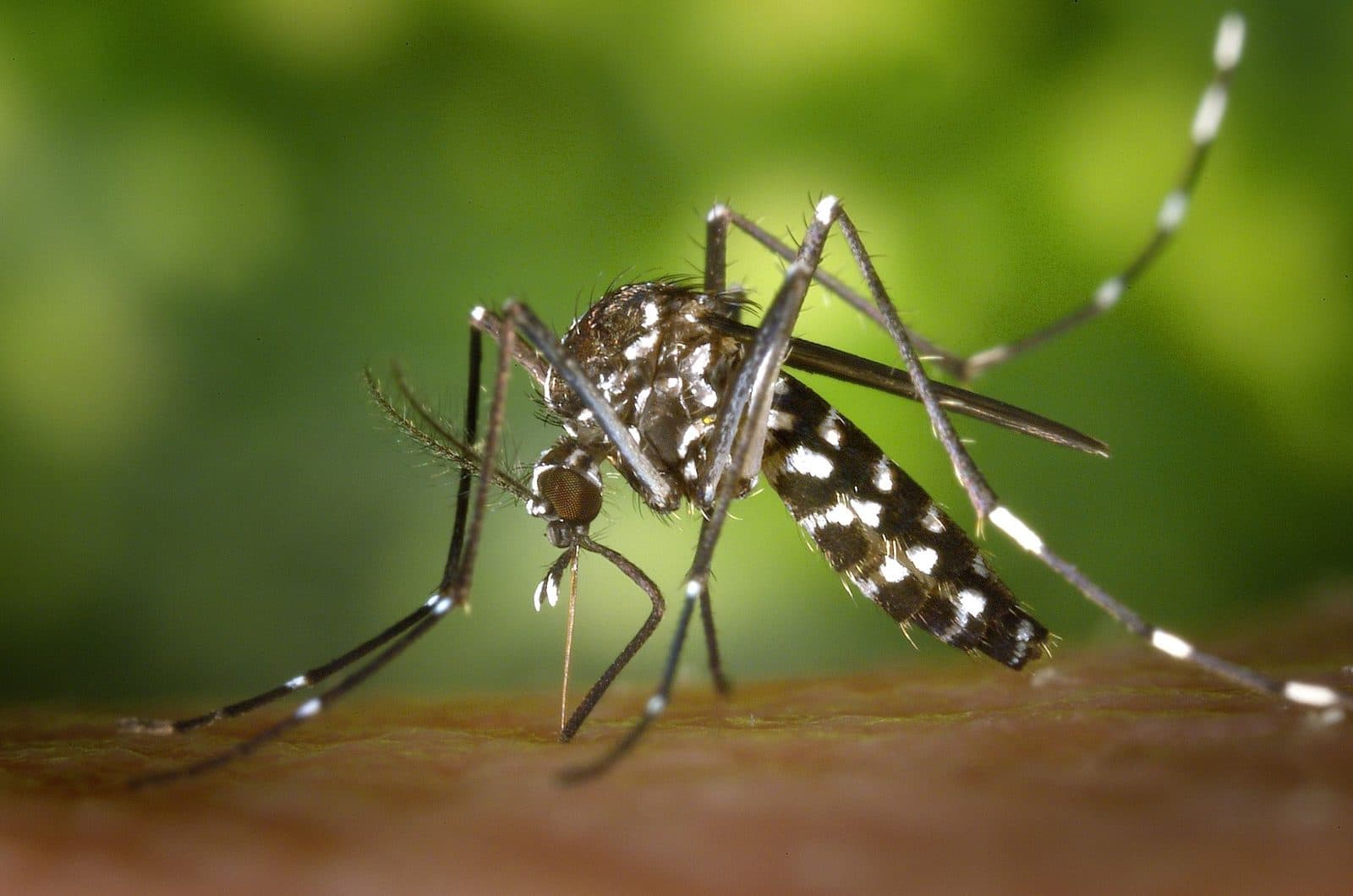
Close-up of a tiger mosquito on human skin.

Conclusion: Natural is an Ally, Not a Miracle Cure

The new 100% plant-based solutions launched this summer of 2026 are a major step forward for public health and the environment. They limit exposure to toxic substances and act preventatively. However, they are not a miracle cure capable of eradicating an established tiger mosquito population.

Effectiveness lies in the combination: rigorous garden hygiene to eliminate breeding sites, natural repellents for daily comfort, and increased vigilance for signs of proliferation. For those facing an unmanageable invasion, an expert diagnosis remains the only way to implement a sustainable and proportionate action plan.

To further secure your home, you can consult our /fr/pest control services or discover our product recommendations in our /fr/shop.

A pest problem?

Our experts act fast and for good. Request a free assessment.

Request a free quoteOur services

Back to the blog

CallFree quote