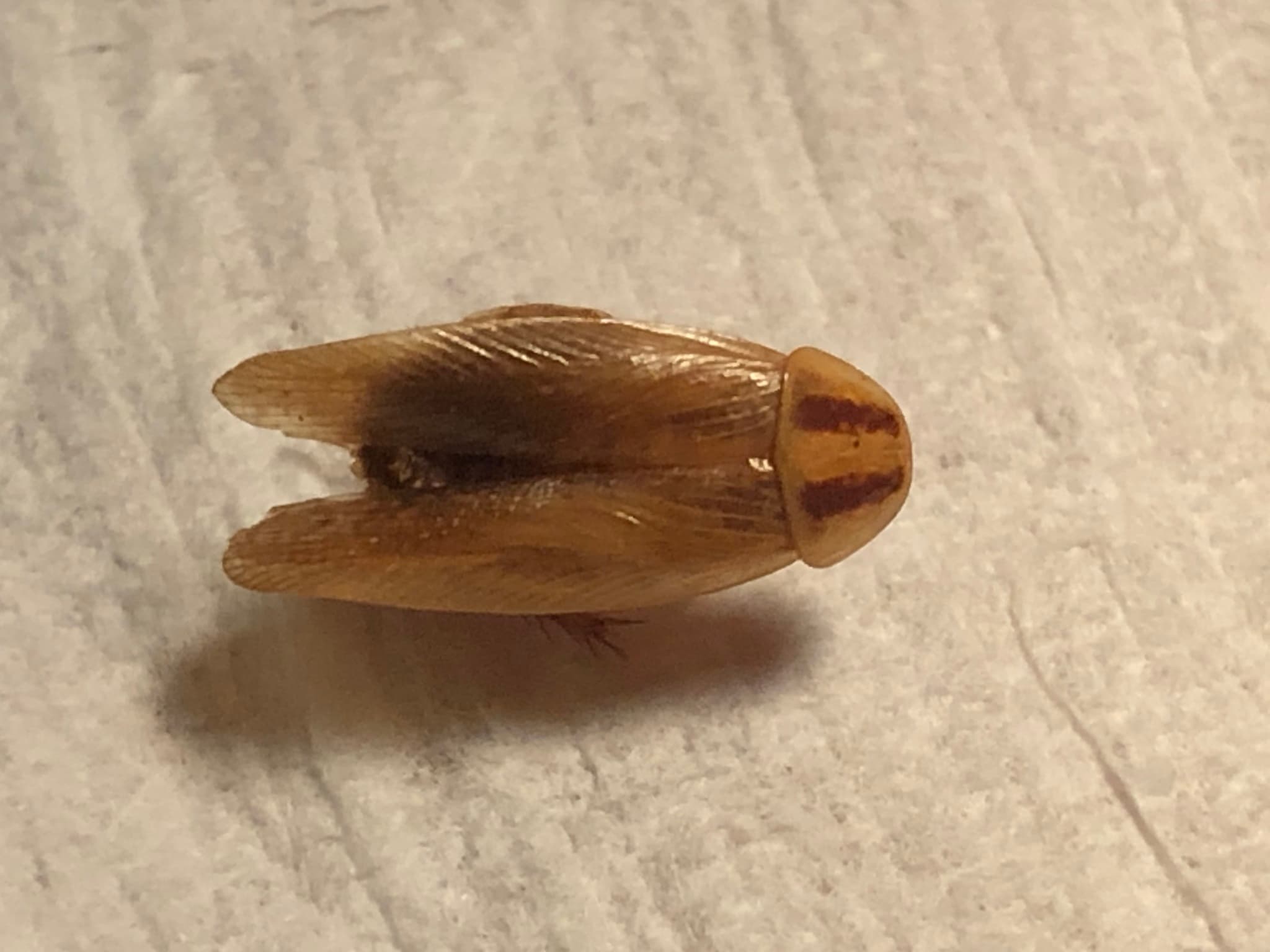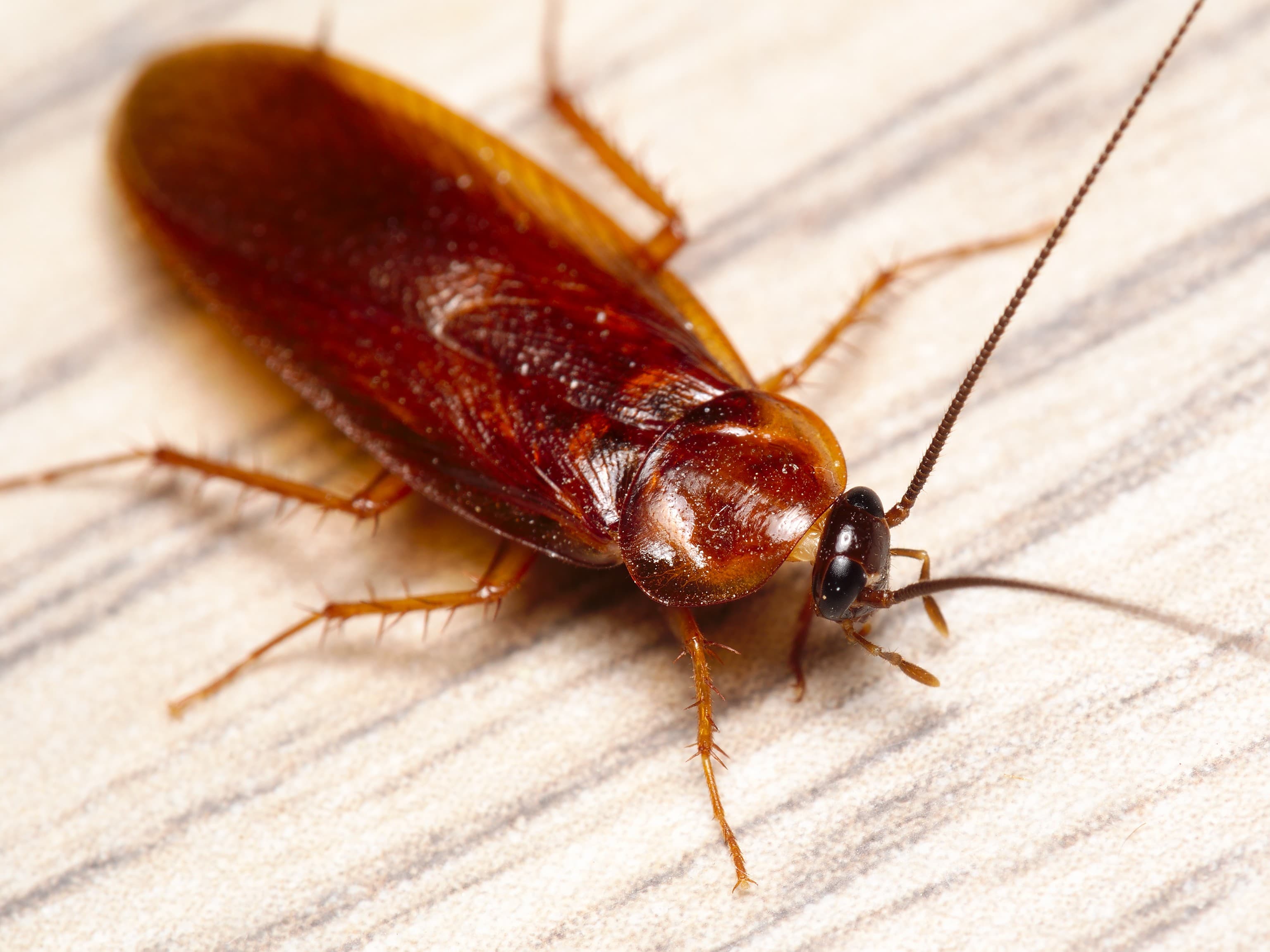
A kebab shop shut down by prefectural order in the Eure, residents of a Pyrénées-Orientales commune petitioning after twenty years of summer invasions, pest-control professionals in the Var seeing their appointment books fill up as early as May: in summer 2026, the German cockroach (Blattella germanica) is no longer just a social-landlord issue — it is becoming a public food-safety one. When the prefect orders a restaurant closed, a whole section of French regulations on hygiene, pests and consumer safety is mobilised. Here is what you need to understand, and what you need to do.
Three recent facts that sum up the situation
1. Bernay (Eure) — Paristanbul kebab closed on 16 July 2026. The prefect of the Eure ordered the immediate administrative closure of the Paristanbul restaurant, on rue du Général-de-Gaulle in Bernay, following a hygiene inspection that identified food-hygiene failings and the documented presence of pests. Reopening is conditional on bringing the establishment into compliance and on the agreement of the competent authorities. The order is based on the provisions of the French Rural and Maritime Fishing Code applicable to establishments presenting a public-health risk, and was announced by the prefecture on its social networks on Thursday 16 July 2026, then picked up by the local press (Tendance Ouest, Paris Normandie, 17 July 2026).
2. Estagel (Pyrénées-Orientales) — twenty years of summer invasions. On 3 July 2026, the media outlet Solution Nuisible published a report on the commune of Estagel, where residents describe an annual return of cockroaches with the first heatwaves. An online petition has been launched to alert the authorities. Eau Agglo, the local water and wastewater operator, intervened on the sewer network on 24 June 2026, and a follow-up is announced. The Estagel case is not isolated: it illustrates the chronicity of certain situations where the problem is structural (sewer network, old buildings) rather than accidental.
3. Var — rise in interventions from spring onwards. On 29 May 2026, the local media STOP 83 reported a marked rise in pest-control interventions throughout the department (Toulon, La Seyne-sur-Mer, Six-Fours, Hyères, La Garde, Sanary, Bandol, Ollioules, Le Pradet, Le Revest-les-Eaux). Professionals in the sector cite three factors: the early heat and humidity, the return of seasonal tourism activity (restaurants, outdoor hospitality, campsites) and waste pressure in urbanised areas. Cockroaches are mentioned at the top of the list, alongside wasp/hornet nests and rodents.
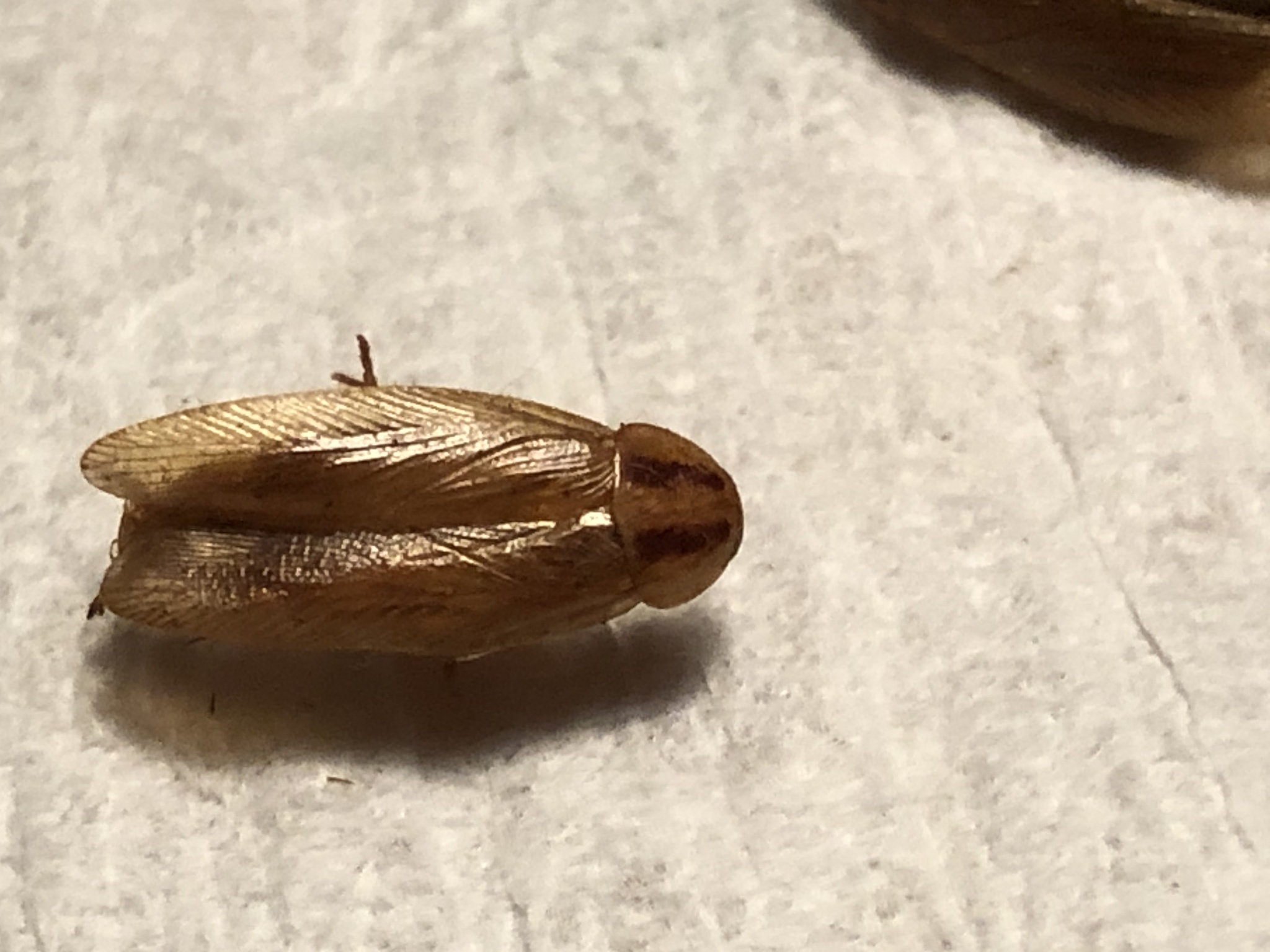
Why the German cockroach explodes in food service
The German cockroach is the dominant species in professional kitchens in France, well ahead of the oriental cockroach (Blatta orientalis), which is more confined to cellars and crawl spaces. Its biology explains why restaurants pay such a heavy toll every summer:
- Lightning-fast reproduction cycle: a female produces an ootheca (egg case) every 3 to 4 weeks, containing 30 to 40 larvae. At 25-30 °C, complete development (egg → adult) takes about 2 months, compared to 6 months at 20 °C. A single overlooked female can be at the origin of several thousand individuals in a single season.
- Search for heat and humidity: professional kitchens combine steam, condensates, grease and hot spots (ovens, fryers, refrigeration units on extraction). The cockroach finds an ideal habitat in back kitchens, under sinks, inside refrigerator motors, behind electrical panels and along cable runs.
- Easy access through deliveries: crates of fruit and vegetables, sacks of potatoes, returned drinks in crates, pallets of dry goods. The German cockroach is imported into the establishment, and it is the arrival of goods, more than dirt, that constitutes the primary vector.
- Shared ducts and sewer network: between floor drains, soil stacks and external manholes, the kitchen is in constant communication with the sewer network where a population of cockroaches already lives. Without simultaneous treatment of the network and the kitchen, reinfestation is guaranteed.
What the law says: from inspection to closure
French regulations give the authorities a graduated toolkit, from a simple reminder of the rules to the administrative closure ordered by the prefect.
1. The official inspection and its consequences
A restaurant, a food business or any establishment handling foodstuffs of animal origin is subject to inspections by the State services (Direction départementale de la protection des populations — DDPP) or, in Paris, the Direction départementale de la sécurité alimentaire — DDPP 75. These inspections, whether scheduled or unannounced, may be triggered by a report, a customer complaint or an unfavourable self-check.
At the end of the inspection, the report is sent to the operator. In the case of a minor non-compliance, a compliance deadline is granted. In the case of a major non-compliance or a risk to public health, the prefect may issue an administrative closure order under Article L. 232-1 of the Rural and Maritime Fishing Code (where the establishment presents a public-health risk) or, for establishments serving food to the public, Articles L. 2212-2 and L. 2215-1 of the General Code of Territorial Collectivities (police powers of the mayor and the prefect).
2. The administrative closure: scope and consequences
The closure ordered by the prefect is immediate and is not a criminal sanction: it is an administrative police measure, therefore temporary and conditional. It carries several concrete effects:
- Ban on receiving the public and on carrying out any catering activity, under penalty of fine.
- Mandatory posting of the order on the front of the premises, visible to customers.
- Suspensive condition for reopening: only lifted after a new inspection has been passed and, depending on the case, after works and disinsectisation by an approved pest-control company.
For the operator, the order has heavy consequences: direct loss of turnover, reputational damage, risk of breach of commercial lease, difficulties with insurers. In the event of dispute, an emergency referral to the administrative court is possible, but the judge will only suspend the order if the infringement on freedom of trade is disproportionate — which requires a low sanitary risk or a procedural error.
3. ARS, SCHS and the special police forces
Beyond the DDPP, other authorities may be called upon depending on the nature of the problem:
- The Agence régionale de santé (ARS) acts on hygiene and housing, as well as on sanitary nuisances (collective food poisoning, TIAC).
- The Service communal d'hygiène et de santé (SCHS) in the communes that have one (Paris, Lyon, Marseille, large cities) acts in coordination with the DDPP, in particular on the building fabric and common areas of adjoining buildings.
- The town hall may issue municipal orders on waste management, terrace maintenance or the closure of adjoining premises, and pursue criminally operators who fail to comply with the regulations.
4. Regulation (EC) No 852/2004 "Hygiene Package"
For a food-service establishment, the presence of pests is in itself a major non-compliance with the European regulation known as the "Hygiene Package", which requires the implementation of documented and traceable pest-control procedures. In practice, the operator must be able to present:
- a pest-control plan tailored to the establishment;
- a contract with a disinsectisation/deratisation service provider (ideally Certiphyto or CEPA certified);
- a register of interventions and trap counts;
- invoices and technical data sheets of the biocidal products used (authorised under Regulation (EU) No 528/2012 on biocidal products, the "BPR").
The absence of any one of these items may be enough to justify an administrative closure, even without a cockroach visible on the day of the inspection.