A serious incident in Paris's 6th arrondissement
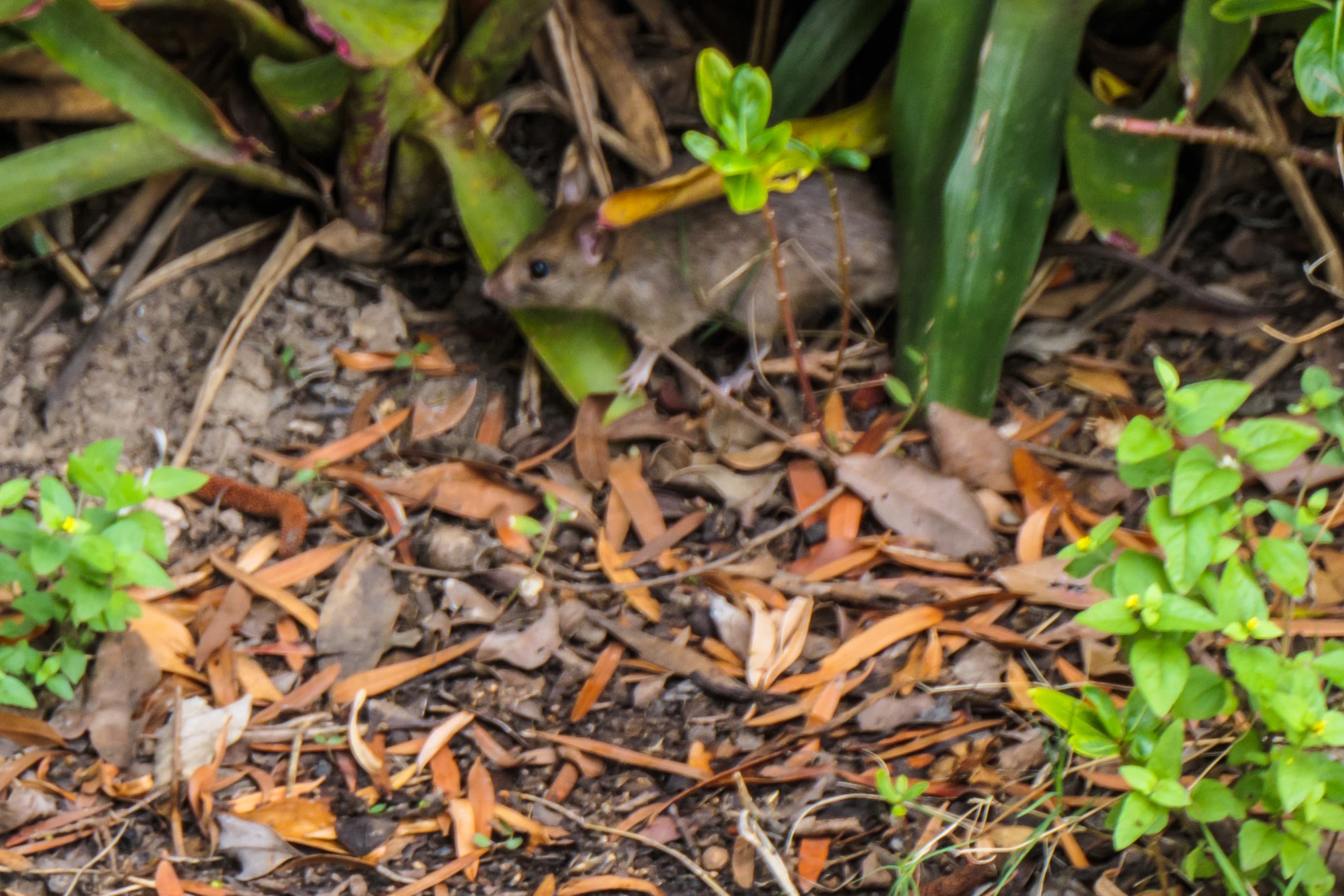
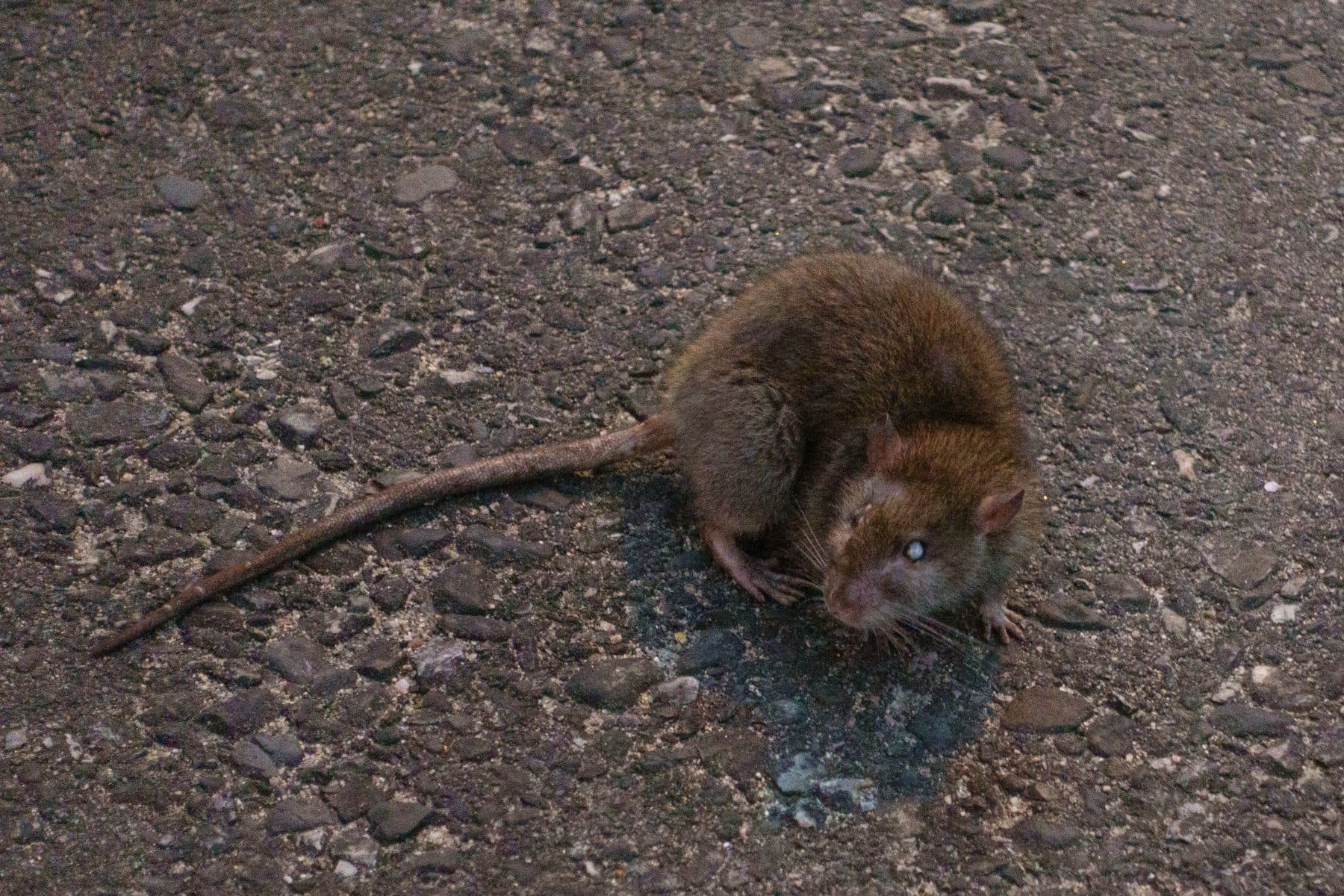
On 30 June 2026, the "oasis" playground of the Littré nursery school in the 6th arrondissement of Paris was the scene of a disturbing accident. Two children playing in wood chips were bitten by several rats after disturbing a hidden nest underneath. One of the pupils had to undergo finger surgery. The playground was immediately closed for three days.
The suspected cause? Heating network connection works that allegedly disturbed the rats' underground burrows, forcing them to surface and settle in the schoolyard.
A growing phenomenon in the Paris region
This incident is unfortunately not isolated. Within a few weeks, several similar events have shaken public opinion:
- 19 June 2026: a child was bitten by a rat at the Anne-Sylvestre school in Rouen (Seine-Maritime);
- May 2026: a classroom had to be closed in Magnanville (Yvelines) due to a rat sighting.
These events illustrate the increasing pressure on schools and local authorities from the proliferation of rats in urban areas. Our teams regularly carry out rodent control in apartments and condominiums, but the lack of coordination between public and private spaces remains the weak point of the fight.

Why are rats surfacing this summer?
Several factors combine to explain this upsurge:
- Intensive urban works: sewer renovation, heating network upgrades, roadworks — each underground intervention disrupts colonies and pushes them to seek refuge above ground;
- Heatwaves: heat reduces oxygen in sewers and cellars, encouraging rats to leave their usual habitat;
- Accessible waste: despite progress, poorly closed collection points remain an abundant food source.
The City of Paris carries out more than 7,000 annual interventions via SMASH (Municipal Health and Hygiene Action Service), but rodents know no administrative boundaries. When public spaces are treated without synchronisation with cellars, bin rooms and private gardens, rats simply migrate from one area to another.
Health risks of rat bites
Beyond physical trauma, a rat bite exposes you to several diseases:
- Leptospirosis: a bacterial infection transmitted by rodent urine, potentially serious;
- Rat-bite fever (sodoku): caused by the bacterium Streptobacillus moniliformis;
- Tetanus: systematic booster vaccination recommended;
- Rabies: although rats are not a classic reservoir in mainland France, caution remains essential.
Any bite must be washed abundantly with water and soap, followed by an emergency medical consultation to assess the infectious risk and update vaccinations.