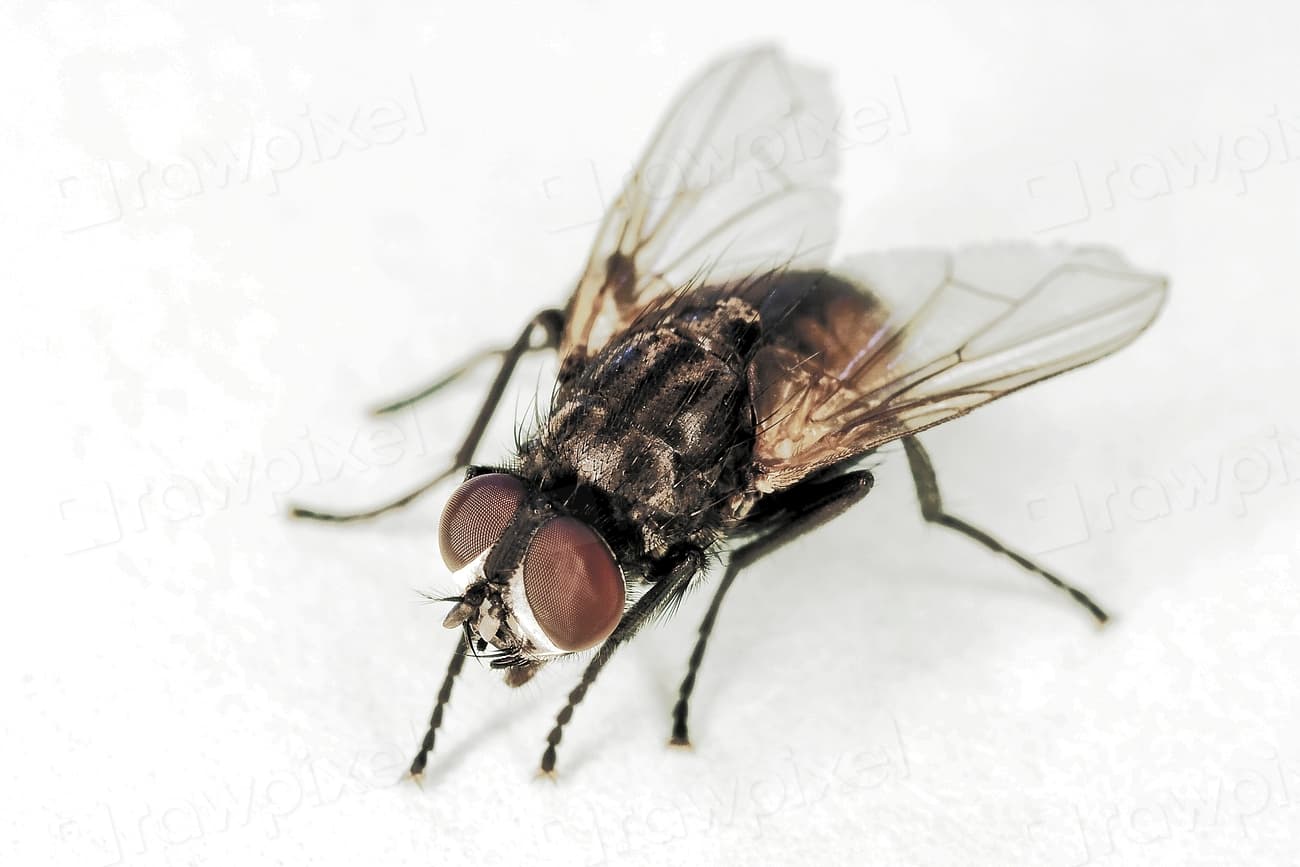
The house fly (Musca domestica) is experiencing an exceptional surge in Brittany since the end of June 2026. According to a TF1 Info report published on 18 July 2026, disinfection professionals in Côtes-d'Armor and Ille-et-Vilaine are overwhelmed with calls: "they were thousands of flies, I had never seen so many," says a technician who intervened at a private home. For Antinuisible Pro, this news story is a reminder of an often-forgotten mechanism: successive heatwaves accelerate the fly life cycle, and without rapid action on breeding sites, the situation can shift within a few weeks from mere nuisance to a real public-health problem.
What happened in Brittany
The 21–25 June 2026 heatwave, with peaks of 40 °C recorded by Météo-France at several Breton stations (Rennes, Saint-Brieuc, Vannes), triggered a mechanism well known to entomologists: the acceleration of the house fly cycle. At a steady 25 °C, the egg-to-adult transition takes about 10 to 14 days; above 30 °C, several sources put it at less than 10 days. Females lay more eggs, larvae develop faster, and the population can double within days.
The TF1 Info report highlights that the worst-affected areas are those near cattle and pig farms (Côtes-d'Armor, Brittany's leading dairy department), the market-gardening zones along the coast, and the old town centres where poorly maintained bins and garbage chutes concentrate organic matter. The consequences are concrete: massive nuisance in homes, the impossibility of leaving food uncovered, invasions of kitchens and dining rooms, complaints in restaurants and holiday camps on the coast. The situation also affects crops: maturing forage maize is reported as particularly attractive.
Source: "Je n'en avais jamais vu autant": après les vagues de chaleur, la Bretagne face à une prolifération de mouches inédite, TF1 Info report, 18 July 2026.
Why heatwaves change everything
Heatwaves don't create the house fly: it is already present all year round, in farms, bins, compost heaps, septic tanks and collective housing areas. What heat modifies is the demographic balance between the fly and the natural limits of its environment (predators, cold, lack of water). ANSES, in its fact sheet dedicated to Musca domestica, recalls the key thresholds:
- Eggs-to-adults cycle: 7 to 15 days at 25 °C, shorter above 30 °C, longer below 20 °C. A heatwave summer can therefore multiply the number of generations by 2 or 3 compared with an average year.
- Flight capacity: several kilometres per day for an adult, which enables a rapid recolonisation of treated areas if breeding sites persist.
- Successive regurgitations on food: it is through this behaviour that the fly mechanically transports more than 100 pathogens (bacteria, viruses, helminth eggs, protozoan cysts).
- Insecticide resistance: the repeated use of pyrethroids since the 1990s has selected populations of house flies less sensitive to conventional molecules, which makes consumer "bug bombs" often disappointing.
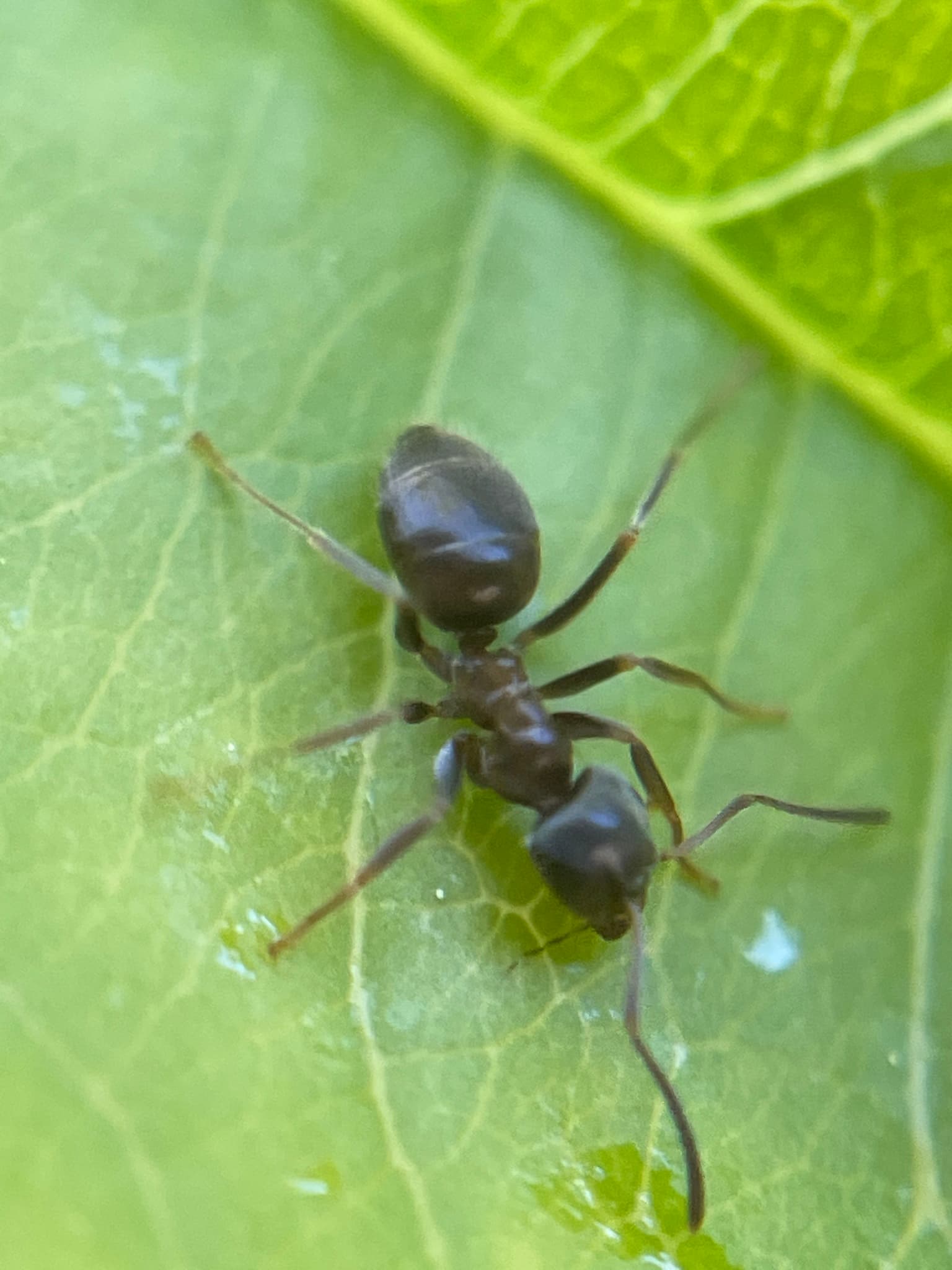
The Breton episode of July 2026 fits into a national trend: fly surges are multiplying in urban and peri-urban areas after each heatwave, as illustrated by the testimony from Ermenonville-la-Grande (Eure-et-Loir) in Le Parisien on 16 July 2026, where 22 homes were invaded by ants in the same extreme-heat context. The rule is simple: strong heat is always followed by pest peaks.
Source: ANSES fact sheet Musca domestica — synthesis on biology, public health and control (anses.fr).
The concrete health risks
The house fly is not just a comfort pest: it is a mechanical vector documented by ANSES and by the WHO. The pathogens transported mainly concern digestive disorders:
- Bacteria: Salmonella spp. (typhoid and salmonellosis), Shigella spp. (bacillary dysentery), Escherichia coli (diarrhoea, including enterohaemorrhagic E. coli), Campylobacter jejuni, Helicobacter pylori;
- Viruses: enteroviruses, hepatitis A virus, poliovirus;
- Parasites: helminth eggs, protozoan cysts (Entamoeba, Giardia);
- Eggs and larvae responsible for myiases (cutaneous, ophthalmic, intestinal) in certain conditions.
For food professionals (restaurants, central kitchens, caterers, cheesemongers, fishmongers), the presence of flies can on its own justify a non-compliance finding during a health audit, with the risk of administrative closure. For households, infants and the elderly are the most exposed to summer gastroenteritis, part of which is linked to flies.
What to do (and what not to do) as a priority
ANSES recommends an integrated approach, systematically prioritising physical and mechanical methods before any chemical treatment. The checklist to get out of a surge is as follows:
- Remove breeding sites (this is the decisive step):
- Empty, clean and disinfect bins (closed lid, weekly wash with hot water);
- Treat compost bins (closed composting, regular turning, no meat scraps);
- Move manure, slurry and animal feed stores away from dwellings (minimum recommended distance: 50 m);
- Clean gratings, gutters and floor traps (larvae develop there in stagnant organic matter);
- Repair water leaks and eliminate standing water.
- Prevent entry into buildings:
- Mosquito nets on windows and French windows;
- Strip curtains for shops and kitchens;
- Adequate ventilation (flies struggle to fly above 1.5 m/s);
- Automatic door closing thanks to spring-loaded hinges.
- Reduce the adult population:
- Sticky traps (ribbons, plates) in sufficient numbers, placed out of reach of children and pets;
- Pheromone traps or food attractants for professionals;
- Parasitoid releases (Muscidifurax, Spalangia) in farms: a solution reserved for certified technicians.
- Chemical only as a last resort:
- Adulticide insecticides (pyrethroids) by targeted spraying on resting surfaces (ledges, under furniture, technical ducts), not in the kitchen;
- Larvicides on identified breeding sites (slurry, pits), never in open fields;
- Call in a Certiphyto-certified applicator for food surfaces and professional premises.
The classic mistake is to spray insecticide in the kitchen at the first sign of flies: this kills the adults present but leaves the larvae intact in the bins and floor traps, and the surge resumes 48 to 72 hours later. Better to spend 30 minutes cleaning breeding sites than to spray the whole house.
The specific case of food businesses
For restaurants, caterers, central kitchens, butchers, fishmongers, cheesemongers, European regulations (the Hygiene Package) require pest control. A fly surge must trigger:
- Isolation of production areas (strip curtains, closed doors, mosquito nets);
- Storage of foodstuffs in closed cold rooms or hermetic display cases;
- Reinforced cleaning and bin emptying frequency;
- Disinsestation plan kept up to date, with a certified contractor if the situation exceeds internal resources;
- Traceability: recording of the episode in the self-check register, because in the event of a DDPP inspection, lack of traceability equals non-compliance.
Antinuisible Pro works on these subjects as part of disinsestation contracts for commercial and collective catering, with scheduled visits, intervention sheets and Certiphyto compliance.
Beyond Brittany: a national signal
The Breton episode of July 2026 is not isolated. Signals converge: after each heatwave of summer 2026, fly, ant or mosquito surges are reported in several regions. Climate-change adaptation is making these episodes more frequent: metropolitan France has experienced several successive heatwaves since 2022, and both ANSES and Santé publique France anticipate an intensification of pest insect surges in temperate zones in the coming decades.
The lesson is methodological: curative disinsestation alone is not enough. Only a preventive strategy — waste management, building hygiene, breeding-site removal, early monitoring — makes it possible to get through a heatwave summer without suffering a surge. When prevention has failed, rapid intervention by a certified professional remains the most effective response, provided it targets the larvae (the breeding sites) and not only the adults (the visible flies).
Need a diagnosis or a fly control intervention?
If you are experiencing a massive presence of flies in your home, restaurant, farm or business premises, do not limit yourself to an aerosol can bought at the supermarket: flies reproduce very quickly and develop resistance to conventional insecticides. A certified professional identifies the breeding sites (often where you don't suspect them: floor traps, garbage chutes, false ceilings, technical ducts), sets up a targeted disinsestation plan and trains your teams in prevention.
Antinuisible Pro operates in Brittany (Côtes-d'Armor, Ille-et-Vilaine, Morbihan, Finistère) and throughout France, with a free diagnosis, a quote within 24 hours and discreet interventions compliant with Certiphyto regulations. For an urgent situation (massive presence, food business, suspected contamination), contact us as a priority via our emergency page or request a diagnostic appointment with a technician near you. You can also consult our intervention zones and our indicative pricing to prepare your approach. For professionals, discover our services dedicated to businesses and our disinsestation solutions.
To go further, read also our article on harvest mite bites in the garden in summer (/en/blog/2026/07/17/harvest-mite-chigger-bites-garden-summer-2026) and our file on rat proliferation in cities (/en/blog/2024/03/18/rats-spreading-through-cities-understand-and-react), two other pests whose dynamics explode with heatwaves.
A pest problem?
Our experts act fast and for good. Request a free assessment.
Request a free quoteOur services