Leptospirosis is hitting an unprecedented level in Réunion in early 2026. According to the epidemiological surveillance bulletin of Santé publique France and the ARS Réunion published on 17 July 2026, 217 autochthonous cases were reported between 1 January and 16 July 2026, with a historic peak of 71 cases in March — a level never reached since monitoring began. For pest-control professionals and for the general public, this record is a sharp reminder of an often-overlooked fact: rats remain the main reservoir of the disease, and rodent control is one of the first lines of public-health defence.
What the official bulletin of 17 July 2026 says
The regional epidemiological report, written by Santé publique France Réunion and the ARS Réunion, documents the 2026 season in detail. The monthly distribution of the 217 cases is unambiguous:
| Month 2026 | Number of cases |
|---|---|
| January | 22 |
| February | 43 |
| March | 71 (peak) |
| April | 42 |
| May | 22 |
| June | 13 |
| July (to 16) | 4 |
With 71 cases in March 2026, Réunion exceeded for the first time the historical monthly maximum of 61 cases observed in March 2024. The peak is linked to the classic combination on the island of heavy cyclonic or late-austral-summer rainfall (washing contaminated soil into waterways), stagnant fresh water (ravines, irrigation canals) and a dense commensal rodent population, particularly in the sugarcane agricultural zones and the working-class neighbourhoods of Saint-Denis, Saint-Pierre, Le Tampon and Saint-Paul.
120 patients were hospitalised, i.e. 65 % of cases, and one death was classified as directly attributable to leptospirosis by the death-imputability committee. A second death is also currently under investigation.
Source: Surveillance sanitaire à La Réunion, Week 28 (06–12 July 2026), Santé publique France / ARS Réunion, 17 July 2026, p. 5.
Why Réunion is a particularly exposed area
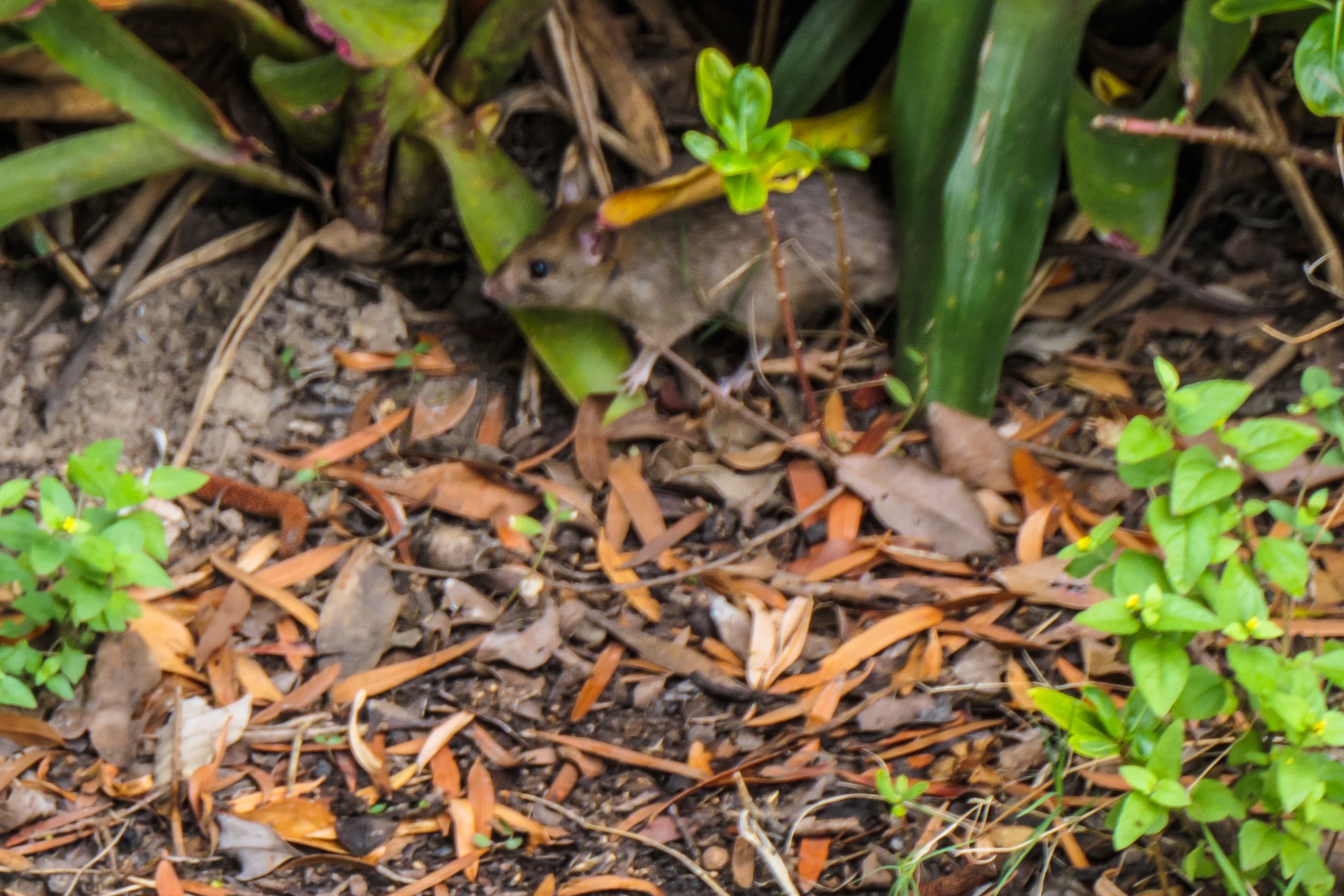
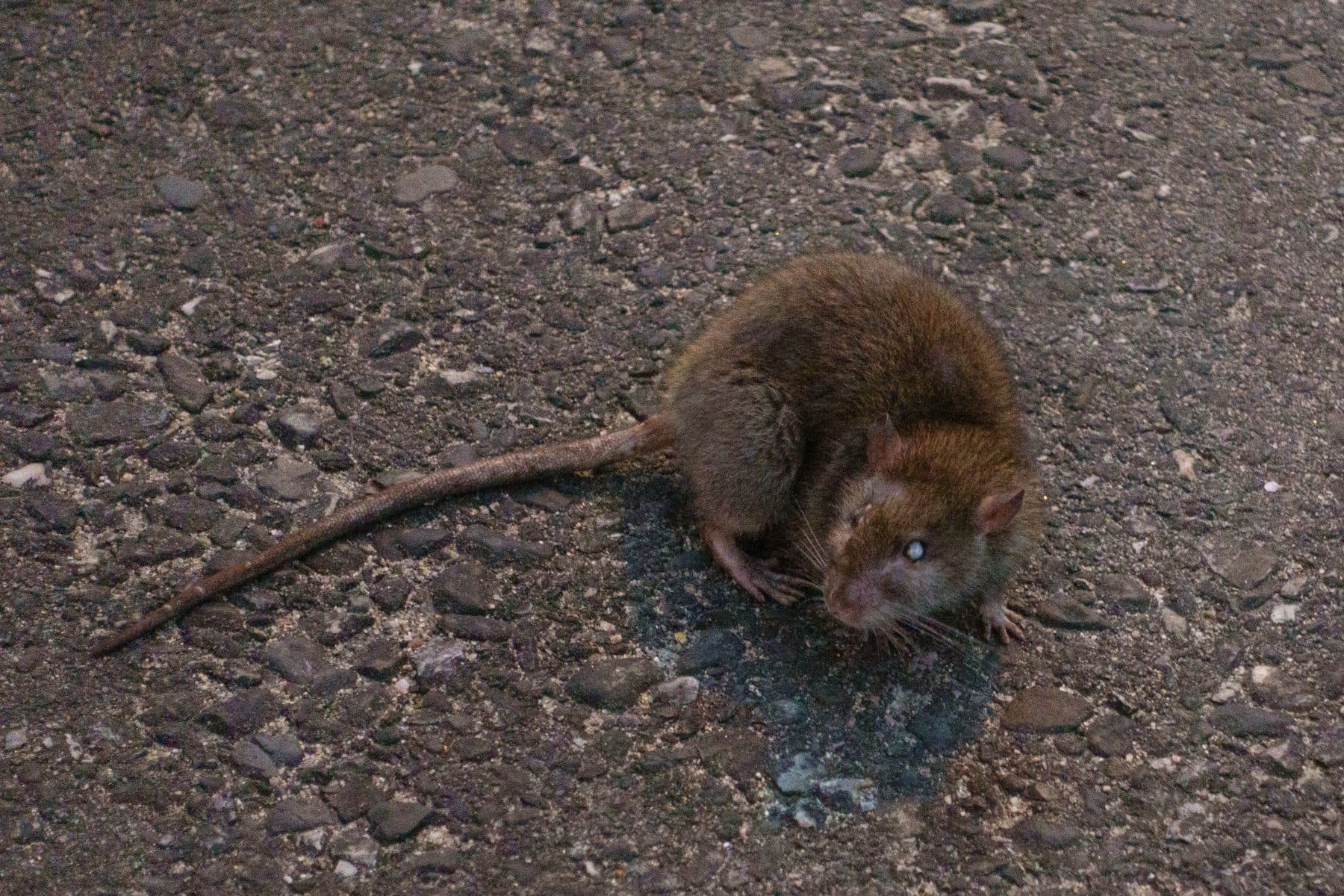
Réunion combines several factors that make it a reference territory for leptospirosis in France. The bacterium Leptospira interrogans, excreted in the urine of rats (mainly the brown rat Rattus norvegicus and the black rat Rattus rattus), survives for several weeks in warm fresh water, and the island offers an ideal terrain for this chain of transmission:
- Warm and humid tropical climate, with abundant rainfall (record in March 2026 at several Météo-France stations in the east and south);
- High rodent density in the lowlands, near waterways, sugarcane fields, landfills and informal housing areas;
- Multiple risk exposures: gardening, farming, swimming in rivers or ponds, freshwater fishing, canyoning — all activities widely practised on the island;
- Freshwater leisure activities particularly implicated: the 2026 bulletin highlights that 40 cases are linked to swimming, fishing or canyoning, compared to only 12 in 2025.
The ARS Réunion reminds that the diagnosis should be considered in front of any dengue-like syndrome occurring in a context of risk exposure: sudden high fever, chills, diffuse muscle pain, headaches, jaundice (yellowing of the skin and eyes) in severe forms. A chikungunya/dengue/leptospirosis triplex PCR is available in all laboratories on the island to confirm the diagnosis quickly.
The rat, the first link in the chain
Leptospirosis is not a disease "of dust" or "of mud" in the general sense: it is a zoonosis of which the rat is the main reservoir. The animal is a healthy carrier (it is not sick), continuously excretes the bacterium in its urine, and contaminates:
- fresh water (ravines, canals, ponds, fountains, drinking troughs);
- muddy soils in gardens, farms, construction sites;
- stored foodstuffs (cereals, fallen fruit, feed bags).
Humans are most often contaminated by contact with this water or mud, the bacterium entering through the mucous membranes (eyes, mouth, nose) or through a wound, however minor. A simple graze on the calf after a walk in a ravine is enough. This is why the fight against rats is not only a question of comfort or image: it is a public-health issue that the March 2026 Réunion peak confirms once again.