2026 Summer Pest Control: Balancing Health Emergencies and Economic Stability

L'équipe AntinuisiblePro · Published on August 5, 2026 · 5 min read
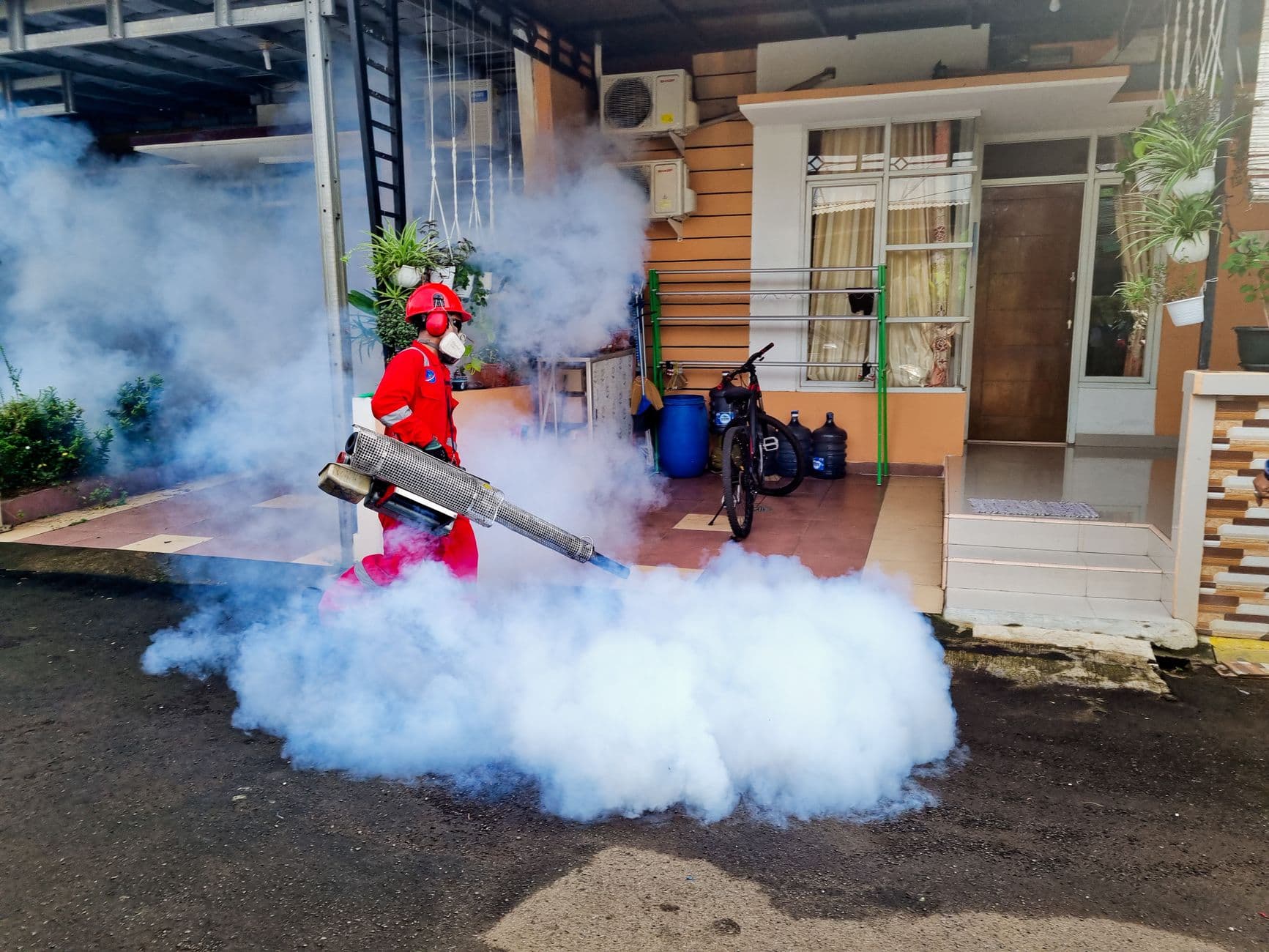
A technician in a red suit and mask using a fogger to disperse smoke in front of a house.

Introduction: A Summer 2026 Under Pest Pressure

The summer of 2026 has opened with an alarming realization for French homeowners and local authorities. Between persistent heatwaves and mild winters that favored the survival of larvae and eggs, the pressure from pests has reached new heights. From tiger mosquitoes and Asian hornets to cockroaches and rodents, "war" has been declared in gardens and indoors.

However, beyond the technical aspect of extermination, an economic and strategic debate is emerging. Recent reports, including some relayed by France Info, highlight a paradox: the financial cost of deploying massive pest population reduction measures can sometimes exceed the amount of material damage they cause. Therefore, how can we optimize control to protect health and property without engaging in disproportionate spending?

Summer garden with dense vegetation

The Economic Dilemma of Pest Control

Pest control is not just about applying a chemical product. It is a complex logistics chain involving constant monitoring, professional interventions, and, in some cases, national emergency plans.

Direct Costs vs. Indirect Costs

When analyzing the cost of an infestation, a distinction is generally made between:

  • Direct costs: Fees for a specialized company, purchase of biocidal products, replacement of cables gnawed by rats, or repair of structures damaged by termites.
  • Indirect costs: Loss of productivity (for professionals), psychological stress, health risks (vector-borne diseases), and real estate depreciation.

The current debate on regulation costs emphasizes that, for certain species, systematic control is less cost-effective than accepting a certain threshold of presence, coupled with rigorous prevention. This is where the concept of the "harm threshold" becomes crucial: at what point does an infestation become critical enough to justify a massive investment?

New Control Strategies in 2026

To meet this challenge, methods are evolving. There is a shift away from "all-chemical" approaches toward Integrated Pest Management (IPM), which prioritizes prevention and biological methods.

Technological and Biological Innovation

This summer 2026 is seeing an unprecedented deployment of cutting-edge techniques, particularly in the South of France. In Toulouse, for example, the fight against the tiger mosquito has taken on an almost industrial scale with the weekly release of 100,000 sterile males. This technique, aimed at breaking the reproduction cycle, reduces the population without major environmental impact.

At the same time, the use of smart capture stations and the introduction of larva-eating fish in wetlands show a desire to tackle the root of the problem rather than the symptoms.

Prevention: The Most Cost-Effective Lever

As health authorities and pest control experts remind us, prevention remains the most economical solution. An initial investment in home sealing (door sweeps, rodent-proof mesh, mosquito nets) costs far less than a complete disinfestation after an invasion.

| Prevention Measure | Main Target | Estimated Cost | Effectiveness | | :--- | :--- | :--- | :--- | | Mosquito nets and screens | Mosquitoes, Flies | Low | Very High | | Sealing cracks | Cockroaches, Ants, Mice | Medium | High | | Organic waste management | Rats, Flies | None | Medium | | Hedge trimming and brush clearing | Ticks, Hornets | Medium | High |

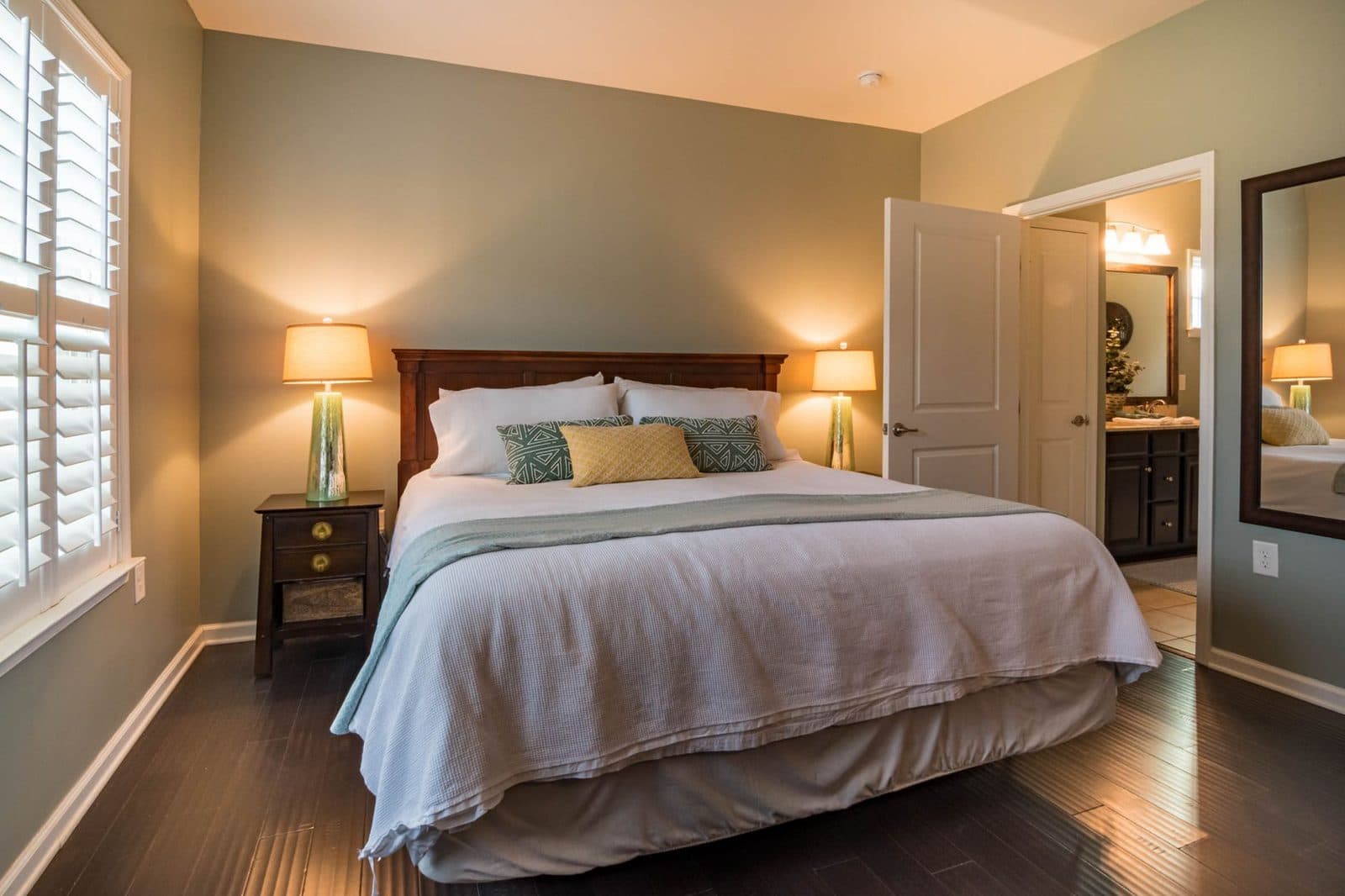
Inspection of an interior to detect pests

Focus on 2026 Summer Health Risks

While economic cost is a major topic, public health remains the absolute priority. ANSES and Santé publique France regularly warn about the resurgence of vector-borne diseases.

The Danger of Hornets and Wasps

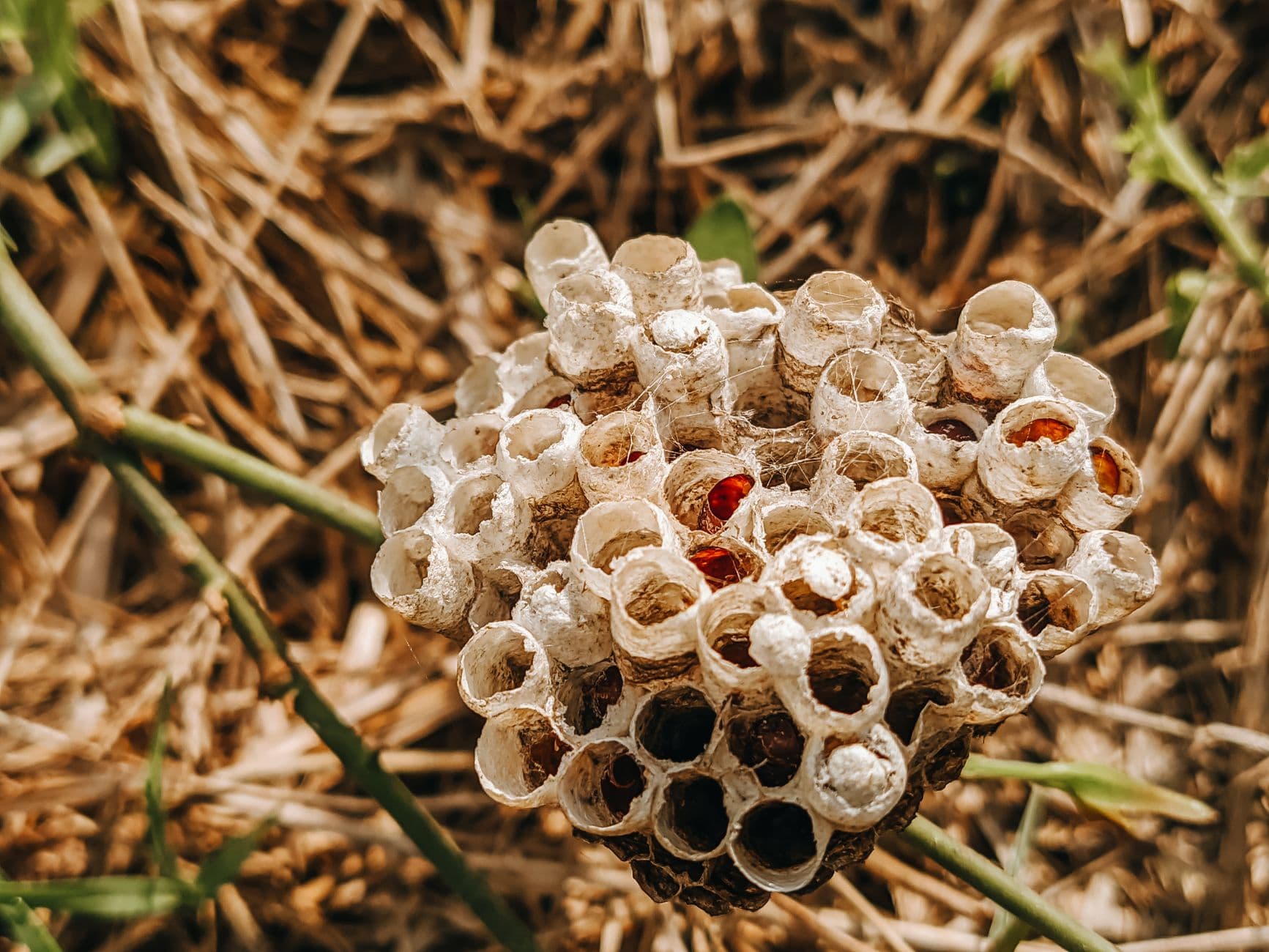
Summer 2026 is seeing an explosion of Asian hornet nests. Beyond the risk of stings, the allergic reaction (anaphylactic shock) represents the major emergency. Prevention here relies on information: knowing how to identify a nest in the founding phase allows for intervention before the colony becomes threatening.

The Silent Threat of Arachnids and Crawling Insects

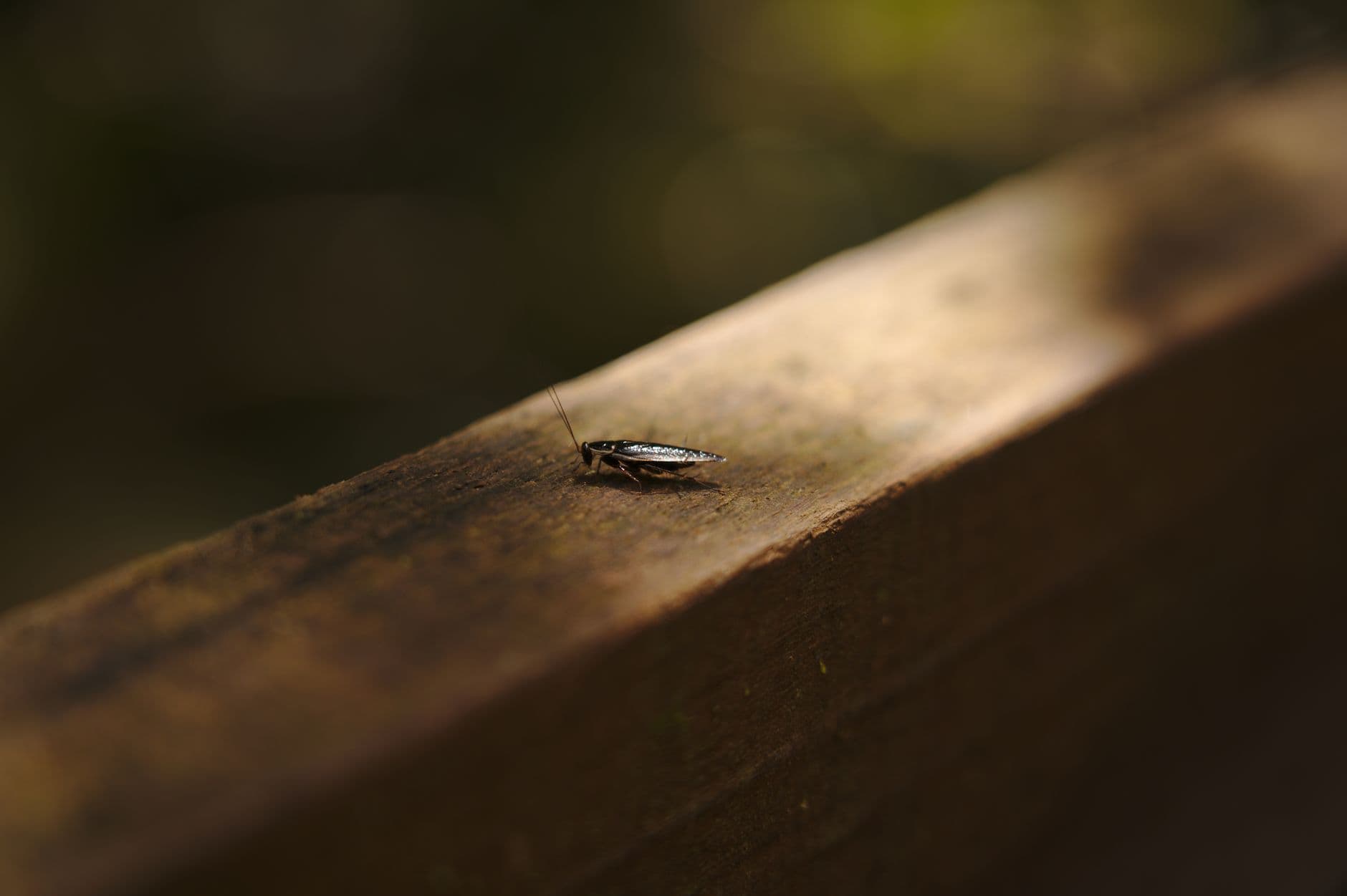
With the heat, there is also increased activity of the brown recluse spider (Loxosceles rufescens) in certain regions, whose bite can lead to severe skin necrosis. Similarly, cockroaches take advantage of humidity and heat to colonize kitchens and food storage areas, increasing the risk of bacterial contamination.

How to React to an Infestation?

When pests appear, panic often leads to the purchase of ineffective or dangerous products. Here is the procedure recommended by experts:

  1. Precisely identify the pest: An ant treatment will not work against cockroaches. Observe the traces (droppings, excrement, gnaw marks).
  2. Assess the scale: Is it an isolated individual or an established colony?
  3. Prioritize mechanical solutions: Glue traps, pheromone traps, or vacuuming for bed bugs.
  4. Call a professional: When the infestation is widespread or the pest is dangerous (hornets, rats), the intervention of a certified company is essential to guarantee a lasting and secure elimination.

Pest control expert during an intervention

The Rise of Local Entrepreneurship in Pest Control

In 2026, there is a multiplication of small specialized local businesses. From Mayenne (Sainte-Suzanne-et-Chammes) to the North (Aubin-Saint-Vaast), new entrepreneurs are launching to meet growing demand. This proximity allows for increased responsiveness, which is essential during an emergency (a wasp nest under an eave or a rat invasion in a cellar).

These local actors play a key role in education: they no longer just "treat," but advise residents on how to make their homes less attractive to pests.

Conclusion: Toward a Reasoned and Secure Coexistence

Pest control in 2026 can no longer be conceived as a war of total extermination, which is often costly and ecologically counterproductive. The goal is now population management.

By combining individual vigilance, structural prevention measures, and targeted professional interventions, it is possible to protect one's home without investing disproportionate sums. The key lies in anticipation: acting in the spring to avoid the crises of August.

For those wishing to secure their home, we recommend consulting our guides in the /fr/boutique to choose the right products or requesting our /fr/services for a complete diagnosis of your property.

Cleaning and protection of an outdoor area

A pest problem?

Our experts act fast and for good. Request a free assessment.

Request a free quoteOur services

Back to the blog

CallFree quote