Vector Control in Agriculture: New Challenges for the 2026 Campaign

L'équipe AntinuisiblePro · Published on August 11, 2026 · 5 min read
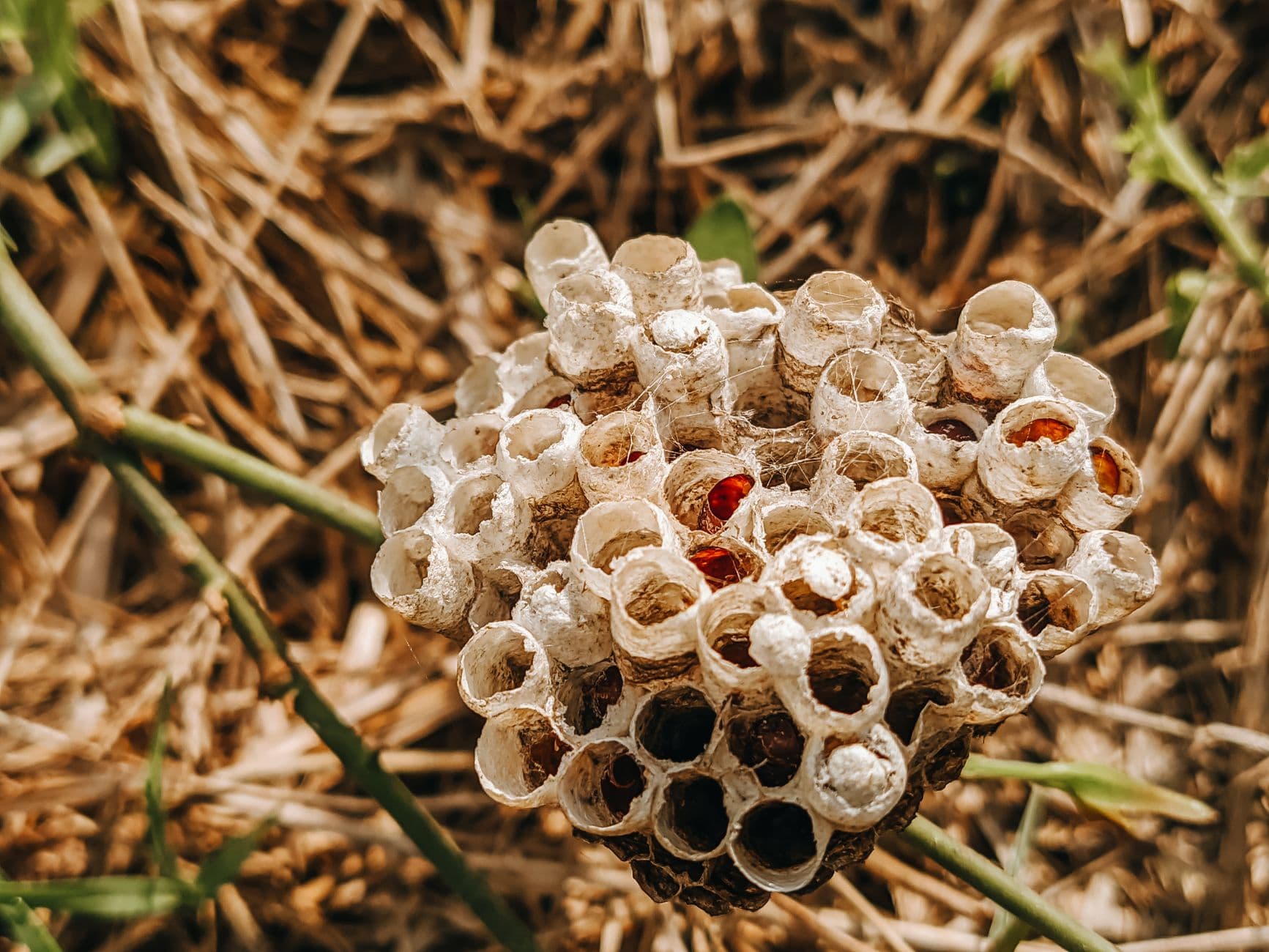
Close-up of an abandoned wasp or hornet nest with beige cells resting on dry grassy ground.

Introduction: The Sanitary Urgency in French Vineyards

The summer of 2026 marks a critical stage for French viticulture. While the general public is primarily concerned with mosquitoes or hornets in their gardens, a quieter but equally crucial battle is taking place in our terroirs: vector control. At the heart of this issue is Flavescence dorée, a devastating bacterial disease that demands increased vigilance and strict control measures, particularly driven by the Regional Directorates for Food, Agriculture and Forestry (DRAAF).

The peculiarity of this fight lies in the fact that the bacteria itself is not fought directly, but rather its vector: leafhoppers. These small insects, while feeding on sap, transport the phytoplasma responsible for the disease, leading to the rapid decline of the vines and, eventually, the total loss of production. In several regions, notably Centre-Val de Loire, vector control has become mandatory for the 2026 campaign, transforming pest management into a regulatory and economic imperative.

Vineyard under surveillance

Understanding the Transmission Mechanism: The Role of Vectors

To implement an effective rodent or insect control strategy in an agricultural setting, it is essential to understand the biological cycle of the pest. In the case of Flavescence dorée, the primary culprits are leafhoppers, specifically the ivy leafhopper (stdc) and the grapevine leafhopper.

The Infestation Cycle

The transmission process follows a precise pattern that makes prevention complex:

  1. Acquisition: The insect feeds on an infected vine and absorbs the phytoplasma.
  2. Incubation: The bacteria multiply inside the insect over several days.
  3. Transmission: The insect, now a vector, moves to a healthy vine and injects the bacteria during its next feeding.

Why is Summer 2026 Critical?

As observed with other urban pests, the climatic conditions of 2026 favor intense vector activity. Prolonged heat accelerates the metabolism of leafhoppers, thereby increasing the frequency of their movements and, by extension, the speed of the disease's spread across plots.

Control Strategies: Between Obligation and Innovation

Faced with regulatory obligations, winegrowers and specialized pest control companies must diversify their approaches. The goal is no longer just to treat the symptoms, but to break the chain of transmission.

Chemical and Biological Control

The use of insecticidal products remains an option, but it is strictly framed by Anses and European regulations to limit the impact on pollinators. There is a noticeable transition toward more targeted solutions:

  • Systemic treatments: Aim to protect the plant from the inside.
  • Biocontrol: Use of natural predators or naturally derived substances to reduce leafhopper populations without harming biodiversity.

Mechanical and Environmental Management

Prevention also involves rigorous management of the environment surrounding the vines. Ivy and other host plants, where leafhoppers overwinter, are closely monitored. Selective weeding and hedge management are becoming full-fledged vector control tools.
Crop maintenance

Economic and Regulatory Impact for Professionals

Mandatory vector control in 2026 creates new pressure on farms. The cost of treatments, coupled with the need for rigorous technical monitoring, makes the intervention of industry professionals indispensable.

The Role of Pest Control Companies

Disinsectization companies are no longer limited to domestic or industrial environments. They now support farmers by providing:

  • Diagnostics: Precise identification of the vector species present in the field.
  • Treatment plans: Establishing an intervention calendar based on insect activity peaks.
  • Compliance monitoring: Ensuring that mandatory measures imposed by the DRAAF are respected to avoid administrative sanctions.

A Plant and Public Health Issue

Although Flavescence dorée is not a human disease, it perfectly illustrates the concept of a "global approach" to pest control. The health of agricultural ecosystems is intrinsically linked to the management of insect populations. Uncontrolled proliferation in vineyards can, by ripple effect, disrupt the entomological balance of an entire geographical area.

Comparison of Vector Control Methods

| Method | Immediate Effectiveness | Environmental Impact | Sustainability | Mandatory? | | :--- | :--- | :--- | :--- | :--- | | Conventional Insecticides | High | High | Low | No (regulated) | | Biocontrol | Moderate | Low | High | Recommended | | Host Management (Ivy) | Moderate | Very Low | High | Yes (certain areas) | | Removal of Infected Vines | Total (locally) | None | Permanent | Yes |

Conclusion: Toward Integrated Pest Management

The 2026 campaign reminds us that the fight against pests does not stop at the doors of our homes. Whether it is protecting an apartment from cockroaches or a vineyard from Flavescence dorée, the principles remain the same: observation, diagnosis, and targeted action.

The obligation for vector control is pushing the agricultural sector toward more integrated management, where chemistry is gradually giving way to increased surveillance and biological methods. For professionals and individuals alike, the lesson is clear: prevention remains the most effective weapon. By anticipating reproduction cycles and limiting pest refuges, the need for heavy curative interventions is drastically reduced.

Agricultural surveillance

For those wishing to protect their green spaces or farms, it is recommended to consult the best practice guides from Anses and to call upon certified experts for a precise diagnostic of your land. Collective vigilance is the only viable response to the rapid evolution of vector threats in France.

A pest problem?

Our experts act fast and for good. Request a free assessment.

Request a free quoteOur services

Back to the blog

CallFree quote