The Rise of Entrepreneurship in Pest Control: Why the Sector is Exploding in 2026

L'équipe AntinuisiblePro · Published on August 6, 2026 · 5 min read
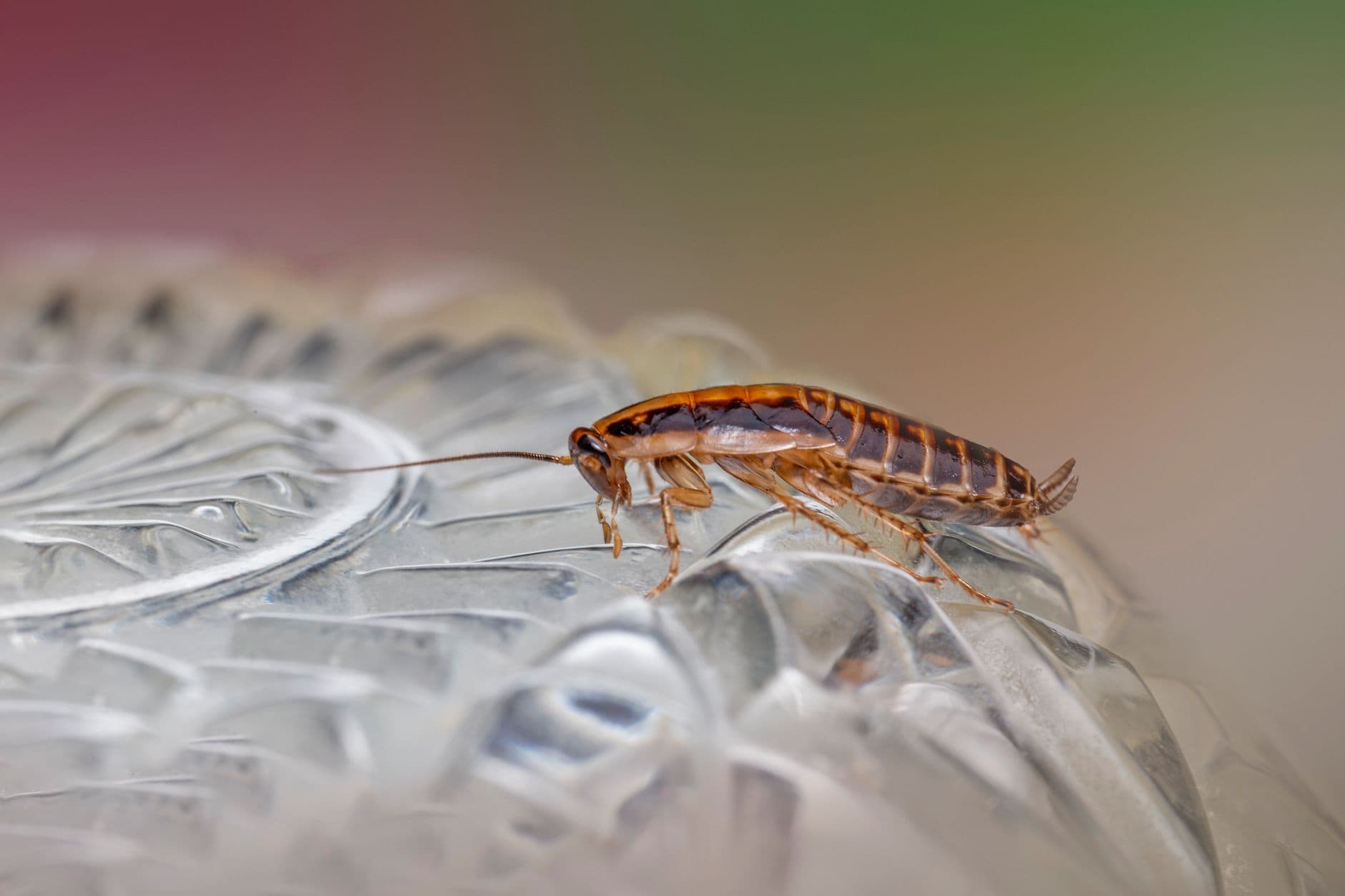
Close-up of a brown cockroach walking on a textured transparent plastic surface.

Introduction: A Market in Mutation

The summer of 2026 is not only characterized by a resurgence of tiger mosquito or Asian hornet infestations. It also marks a major economic turning point in the pest control sector in France. We are seeing a rapid multiplication of business creations, ranging from local micro-entrepreneurs setting up in their own towns to structured franchises expanding into large urban areas like Versailles.

This dynamic is explained by a convergence of factors: a climate that favors the proliferation of invasive species, an increased awareness of health risks, and a growing demand for fast, local interventions. However, behind this entrepreneurial excitement lies a complex challenge: how to balance technical efficiency, economic profitability, and compliance with environmental standards imposed by agencies such as Anses?

Professional inspecting a building

The Multiplication of Local Actors: The Return of Local Service

Since the beginning of 2026, regional press has reported a significant increase in business launches in the pest control field. From Sainte-Suzanne-et-Chammes to Aubin-Saint-Vaast, new professionals are emerging to meet urgent needs. This phenomenon of "localism" in rodent control and disinfection responds to a strong client expectation: reactivity.

Why Choose a Local Entrepreneur?

Today's customer no longer wants to wait several days for a technician to arrive from a distant city while a wasp nest threatens their front door or cockroaches invade their kitchen. The local entrepreneur offers several advantages:

  • Rapid Intervention: Perfect knowledge of the terrain reduces travel times.
  • Personalized Follow-up: A bond of trust is more easily established with a provider embedded in the same community.
  • Territorial Expertise: Certain pests exhibit specific behaviors depending on the geography (wetlands for coypus, dense urban areas for rats).

However, this multiplication of actors raises the question of training. Pest control is not simply the application of products; it requires a mastery of dosages, knowledge of insect biological cycles, and strict adherence to safety protocols to avoid accidental poisoning.

The Franchise Model: Standardization and Scaling Up

Parallel to the rise of independents, the franchise model is strengthening. The arrival of new franchisees in strategic areas, as seen with the development of networks like Pestaly in Versailles, illustrates a desire to professionalize and industrialize the sector.

Network Advantages for the Consumer

Turning to a franchise provides guarantees that an independent professional may struggle to offer alone:

  1. Access to the Latest Technologies: Networks invest heavily in R&D, particularly in mating disruption techniques or connected monitoring systems.

  2. Certification and Standards: Processes are standardized to meet the requirements of the ARS (Regional Health Agency) and current safety standards.

  3. Heavy Intervention Capacity: For maintenance contracts in senior residences or hotel complexes, the operational strength of a franchise is indispensable.

The Economic Paradox: Cost of Control vs. Damage Caused

A crucial point recently raised, notably by analyses relayed by France Info, concerns the financial balance of pest control. It appears that, in some cases, the overall cost of drastically reducing a pest population can be higher than the actual material damage caused by those pests.

Toward Reasoned Pest Management

This realization is pushing professionals and local authorities to rethink their strategy. We are moving from a logic of "total extermination" to a logic of "Integrated Pest Management" (IPM). This approach is based on:

  • Prevention: Sealing entry points, managing waste, and eliminating sources of standing water.
  • Monitoring: Using indicator traps to identify the threshold of nuisance before intervening chemically.
  • Targeted Intervention: Using the most specific product possible to limit the impact on biodiversity (protecting bees against Asian hornets, for example).

| Traditional Approach | Integrated Pest Management (IPM) | | :--- | :--- | | Reaction after infestation | Proactive prevention | | Systematic chemical treatments | Targeted and alternative treatments | | Goal: Total eradication | Goal: Acceptable tolerance threshold | | High cost and environmental impact | Optimized and sustainable cost |

Professional rodent trap

Health and Regulatory Challenges of 2026

The pest control entrepreneur of 2026 operates within a strict regulatory framework. Anses closely monitors the use of biocides, banning certain ineffective or dangerous insecticides, particularly in the fight against bedbugs.

Public Health as a Growth Driver

The increase in vector-borne diseases, such as leptospirosis or Lyme disease, is transforming the role of the exterminator into a true public health actor. Intervention is no longer just about "clearing the premises," but about breaking the chain of transmission between the vector animal and humans.

This is why continuous training is becoming the major asset for successful companies. Knowing how to identify a Hyalomma tick or understanding the proliferation dynamics of cockroaches in social housing is essential for providing an effective and safe treatment.

Conclusion: A Sustainable Future for Habitat Protection

The explosion of the pest control sector in 2026 reflects a fundamental need for security and sanitation in our living spaces. Whether through passionate local entrepreneurs or structured franchise networks, the offer is adapting to meet climate and health emergencies.

The challenge for the coming years will be to stabilize this market by prioritizing quality and sustainability over quantity. The success of a rodent or insect control company will no longer be measured solely by the number of nests destroyed, but by its ability to prevent infestation and protect the global ecosystem.

For those wishing to protect their home, we recommend consulting our product advice or contacting our professional services for a complete diagnostic of your habitat.

A pest problem?

Our experts act fast and for good. Request a free assessment.

Request a free quoteOur services

Back to the blog

CallFree quote