Introduction: The "Refuge" Effect of the 2026 Heatwave
The summer of 2026 is doing more than just breaking temperature records. For residents of urban and suburban areas, this extreme heat is accompanied by a biological phenomenon well known to hygiene experts: the migration of pests indoors. As outdoor temperatures reach critical thresholds, making surfaces scorching and the air too dry, insects and rodents desperately seek two vital resources: coolness and moisture.
This behavior transforms our homes, apartments, and professional premises into true oases for invasive species. It is not merely a matter of comfort for the animal, but a survival imperative. From Île-de-France to the coasts of Brittany, there is a surge in reports of cockroaches, ants, and even rodents entering homes that were previously unaffected.
Why Does Heat Accelerate Infestations?
To fight back effectively, we must first analyze why a heatwave acts as a catalyst for pests. Several biological factors come into play simultaneously.
Acceleration of the Reproduction Cycle
Most pest insects are cold-blooded organisms (ectotherms). Their metabolism is directly linked to the ambient temperature. In a warm and humid environment, the development cycle accelerates:
- Cockroaches: The incubation time for egg cases (oothecae) is reduced, and nymph growth is faster.
- Flies: The egg-larva-pupa cycle occurs in record time, leading to sudden outbreaks as soon as temperatures exceed 25°C.
The Quest for Moisture (Hydrotaxis)
The rapid evaporation of water from soil and vegetation pushes insects to seek stable water sources. Our kitchens, bathrooms, and even plant trays become major points of attraction. A single drop of water left on a sink can attract dozens of ants or a cockroach within minutes.
The Search for Coolness
When concrete and asphalt reach unbearable temperatures, pests squeeze into wall cracks, ventilation ducts, and pipes to reach the core of buildings, where the temperature remains more stable and bearable.
The Most Active Pests During the Summer of 2026
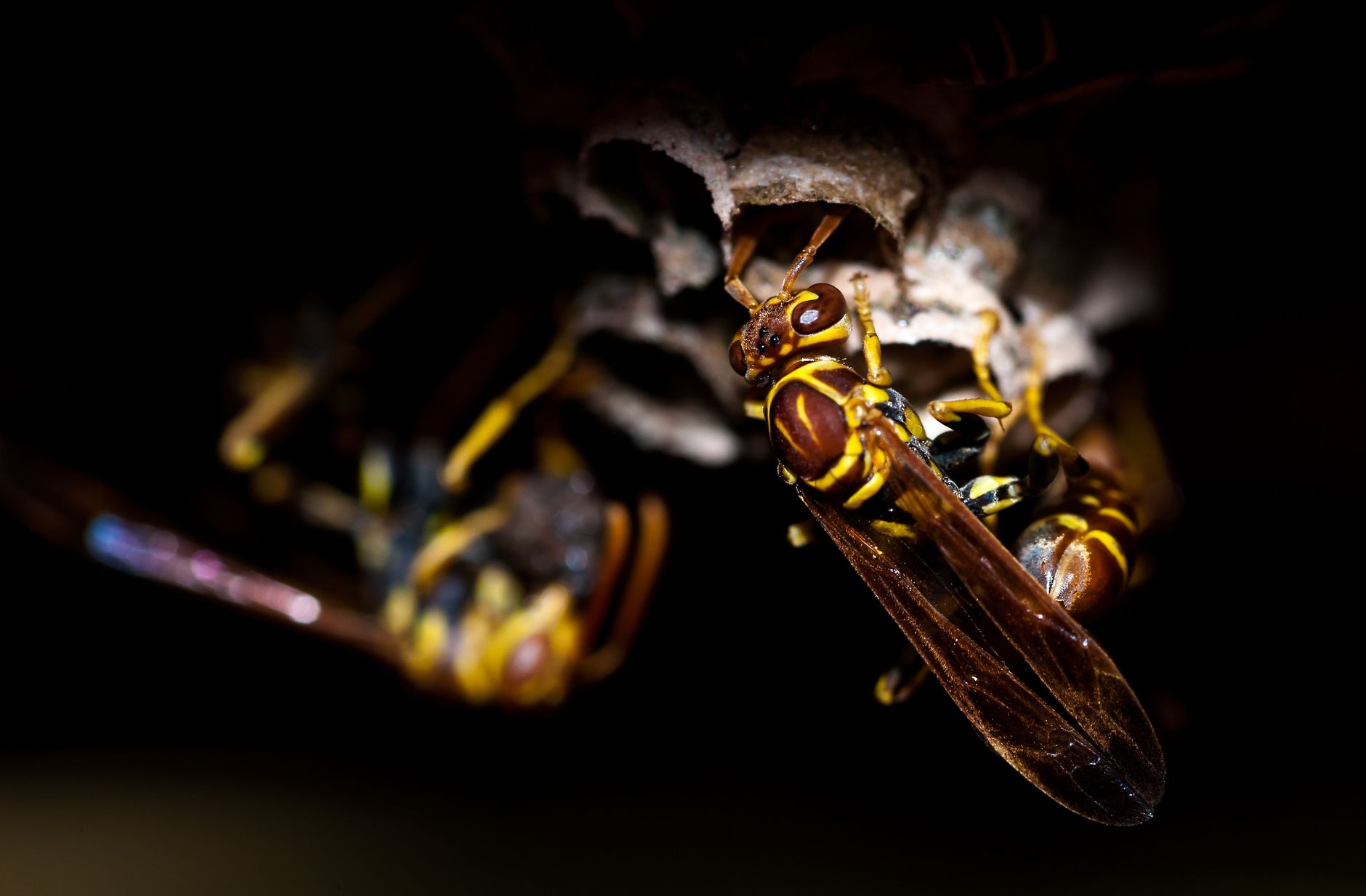
Certain species are particularly opportunistic during periods of high heat. Here are the ones causing the most problems currently.
Cockroaches: The Kings of Humidity
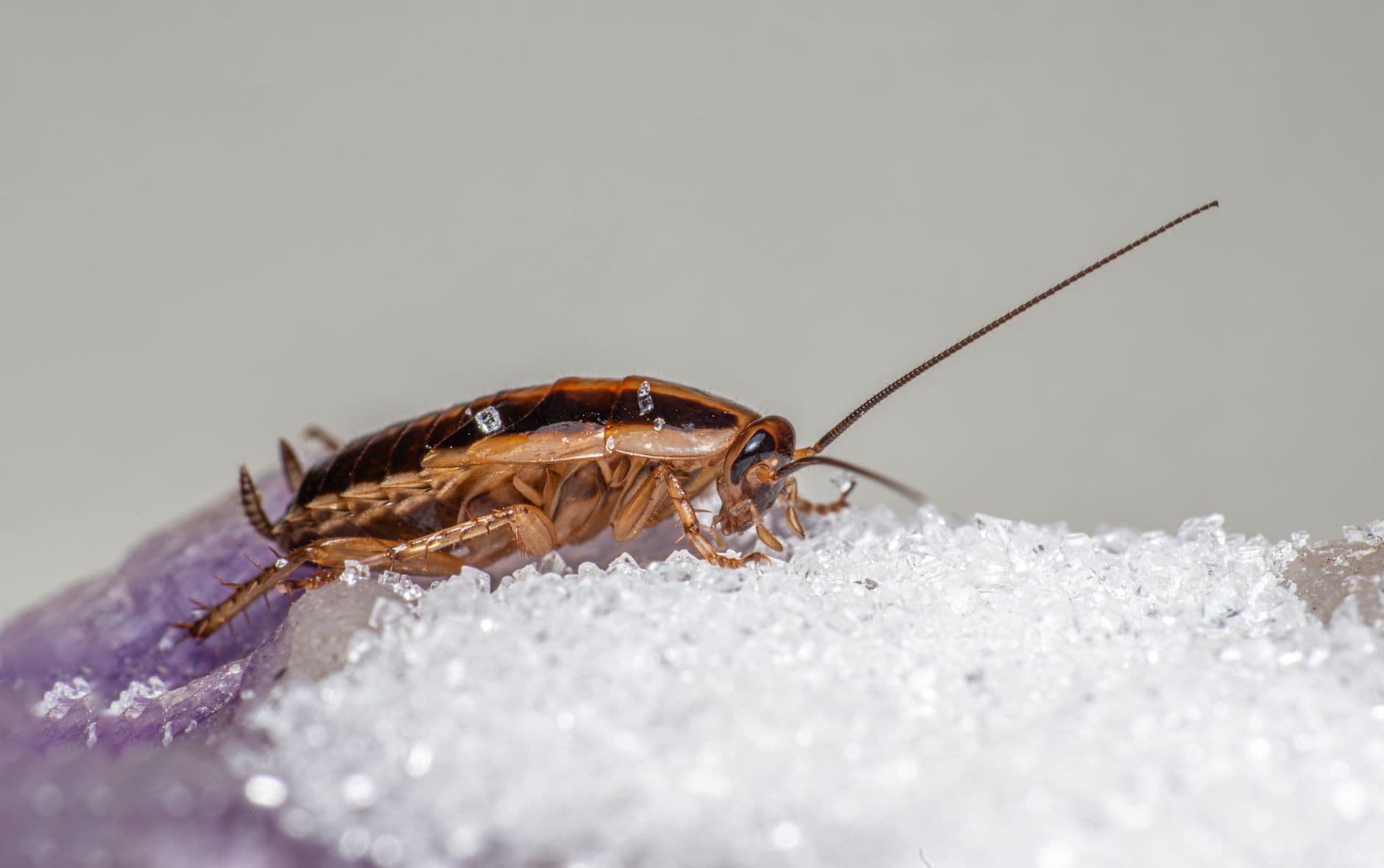
Cockroaches, particularly the German cockroach, thrive in warm environments. They settle behind refrigerators (attracted by the heat of the motor) and under sinks. During heatwaves, they become more active at night to avoid peak heat, but their presence is evident by morning through droppings or characteristic odors.
Ants: The Pantry Invasion
Ants emerge in mass to collect resources. However, when the drought becomes too intense, they enter homes to find sugar and water. They use the smallest gaps in window frames or door thresholds to get inside.
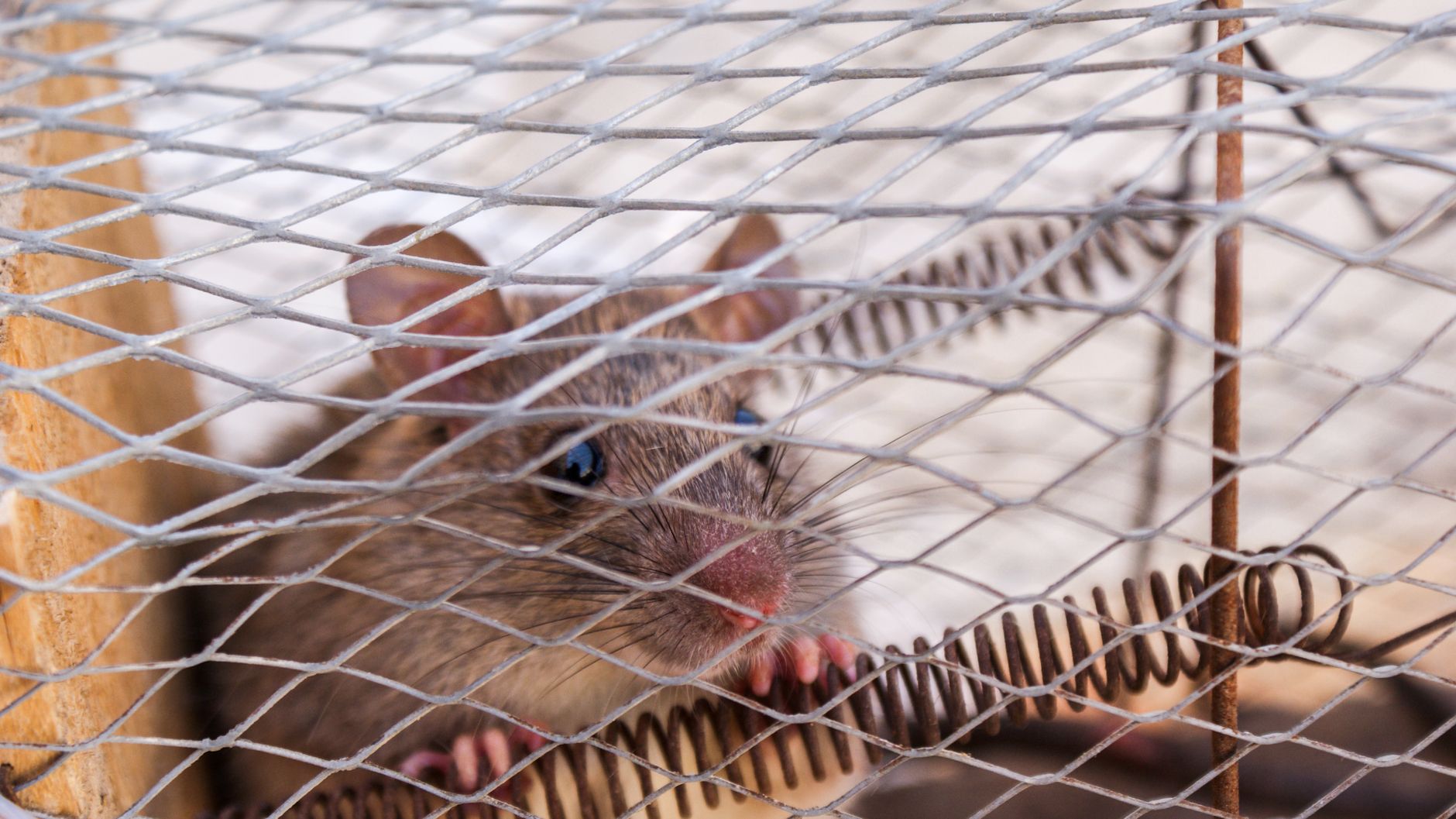
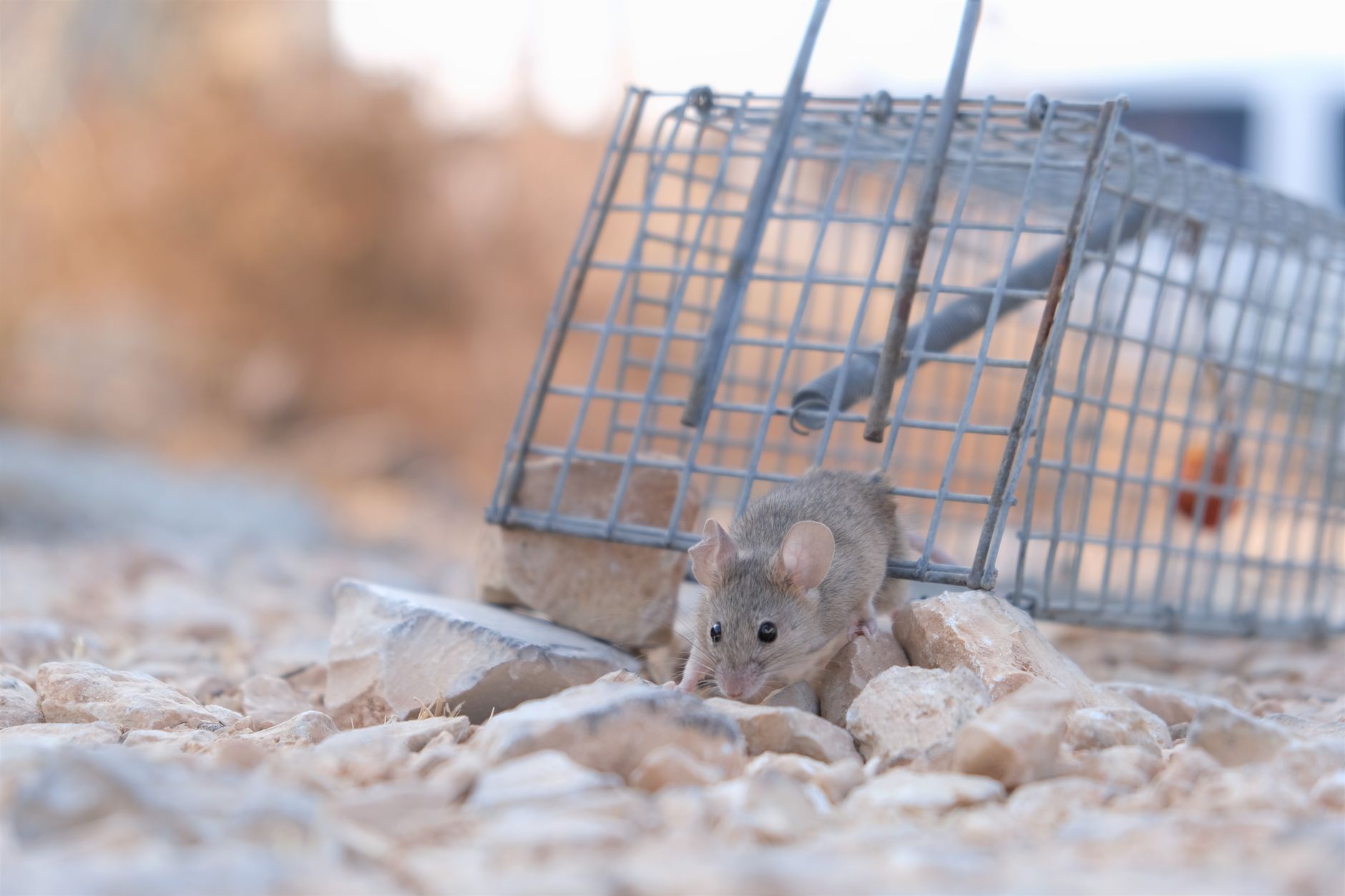
Rodents: Thirst as a Driver
It is often forgotten, but rats and mice also suffer from dehydration. In summer, they are attracted to indoor water points (pet bowls, leaking pipes). Their ability to gnaw through materials to access a water source can cause significant material damage to walls.
How to Protect Your Interior: Prevention Guide
Faced with this increased parasitic pressure, prevention remains the most effective weapon. The goal is to make your home "hostile" to pests by removing the resources they need.
1. Rigorous Water Management
Water is the number one attractant during a heatwave.
- Systematically wipe down your countertops and sinks after use.
- Repair leaks in faucets or toilets, even minimal ones.
- Empty plant saucers to avoid standing water, which attracts both mosquitoes and cockroaches.
2. Enhanced Food Hygiene
Heat accelerates the decomposition of food, which attracts insects through smells.
- Store food in airtight glass or rigid plastic containers.
- Do not leave dirty dishes in the sink overnight.
- Take out the trash daily, especially those containing organic waste, and ensure the outdoor bin is perfectly closed.
3. Home Sealing
Preventing entry is easier than treating an established infestation.
- Install door sweeps and new window seals.
- Seal cracks with caulk or silicone, particularly around water inlet pipes and electrical cables.
- Install screens to limit the entry of flying insects while allowing your home to ventilate.
When to Call a Professional Pest Control Service?
There are times when rigorous prevention is not enough, especially in apartment buildings where the infestation may originate from a neighbor or common areas.
Warning Signs
You should contact a specialized company if you observe:
- The presence of young insects: Seeing baby cockroaches means there is an active nest nearby.
- Traces of droppings: Small black grains resembling pepper in the corners of cupboards.
- A sudden proliferation: If, despite your efforts, the number of insects increases daily.
Professional Approach vs. Supermarket Products
Using standard insecticide bombs can prove counterproductive. In fact, these products tend to "disperse" colonies: frightened by the product, the insects flee to other rooms, complicating future treatment.
A professional uses targeted methods, such as bait gel for cockroaches, which works via a domino effect (insects contaminate each other), guaranteeing the complete elimination of the colony rather than a simple displacement of the problem.
Public Health and Heatwaves: Associated Risks
The intrusion of pests during heat periods is not just an aesthetic or psychological nuisance; it is a public health issue. According to recommendations from the ARS (Regional Health Agency) and Santé publique France, proximity to certain insects can lead to health risks:
| Pest | Main Health Risk | Mode of Transmission |
|---|
| Cockroaches | Allergies and Asthma | Transport of allergens and bacteria on the body |
| Ants | Food Contamination | Transport of germs from dirty areas to food |
| Rodents | Leptospirosis / Salmonellosis | Contaminated urine and droppings |
High relative humidity in certain rooms during post-heatwave storms can also promote the growth of mold, which in turn attracts certain types of micro-pests.
Conclusion: Anticipate to Better Protect
The 2026 summer heatwave reminds us that our indoor environment is intimately linked to outdoor climatic conditions. By changing a few simple habits—water management, food storage, and sealing—you drastically reduce the chances of invasion.
If you find that prevention measures are no longer sufficient, do not wait for the colony to settle permanently. A quick diagnosis allows for precise intervention and avoids heavy, costly treatments at the end of the season. For more advice on choosing products or for rapid intervention, feel free to consult our /services or visit our /shop for professional solutions adapted to your home.
A pest problem?
Our experts act fast and for good. Request a free assessment.
Request a free quoteOur services