Introduction: The Challenge of Cockroaches in Dense Urban Environments
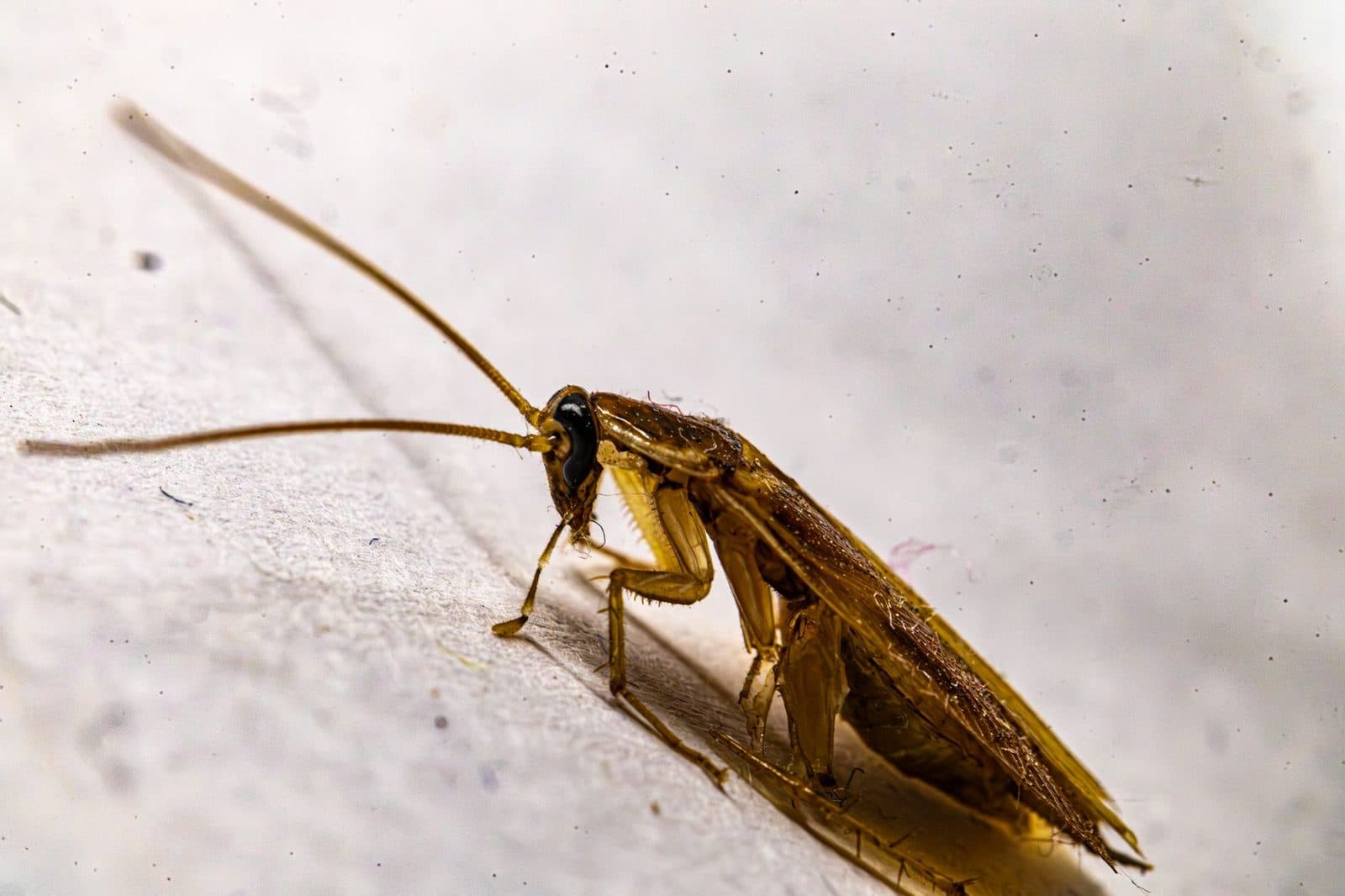
The summer of 2026 confirms a worrying trend in major French metropolitan areas: a resurgence of cockroach infestations, particularly the German cockroach (Blattella germanica), in collective housing. Whether in old co-owned buildings, social housing, or senior residences, the very structure of these buildings encourages the rapid spread of these pests.
The major problem lies in the connectivity of the dwellings. Cockroaches use technical shafts, ventilation ducts, and gaps between walls to migrate from one apartment to another. Thus, isolated treatment in a single unit, while necessary, often proves insufficient if the neighbors are not also treated. To achieve a lasting result, a coordinated and global approach is essential.
Understanding the Mode of Spread in Co-owned Buildings
To fight effectively, it is necessary to understand how cockroaches colonize a building. These insects are attracted to heat, humidity, and food availability. In collective environments, certain critical points serve as proliferation "hubs."
Preferred Transit Zones
Cockroaches do not move randomly. They follow specific paths:
- Drainage columns: Even minimal water leaks create an ideal humid environment.
- Electrical conduits: Cables and sockets provide protected and often warm passages.
- Common areas: Trash rooms and basements are often the initial entry points before migration to the upper floors.
Health Risks
Beyond the disgust, the presence of cockroaches represents a public health risk. As highlighted by ANSES, these insects are mechanical vectors of pathogenic germs. By moving between sewers and countertops, they transport bacteria (such as Salmonella) and can trigger allergic or asthmatic reactions, particularly in children and elderly people in specialized residences.
Control Strategies: Why Individual Treatment Fails
Many tenants attempt to solve the problem with over-the-counter solutions. However, the massive use of classic insecticide sprays can paradoxically worsen the situation.
The Dispersion Phenomenon
Applying a repellent insecticide in one apartment can push cockroaches to flee to neighboring homes via the walls. This results in a displacement of the colony rather than its elimination. Furthermore, some cockroach strains are developing resistance to pyrethroids, making standard products ineffective.
The Importance of Bait Gel
The alternative recommended by professionals is the use of insecticide gels. Unlike sprays, the gel is ingested by the insect, which then returns to the nest to contaminate the rest of the colony through a domino effect. To optimize application, using a precision gel applicator allows for the placement of micro-drops in the narrowest cracks where insects hide.