Pests in Apartment Buildings and Rentals: Who Pays for What in 2026?

L'équipe AntinuisiblePro · Published on August 18, 2026 · 11 min read
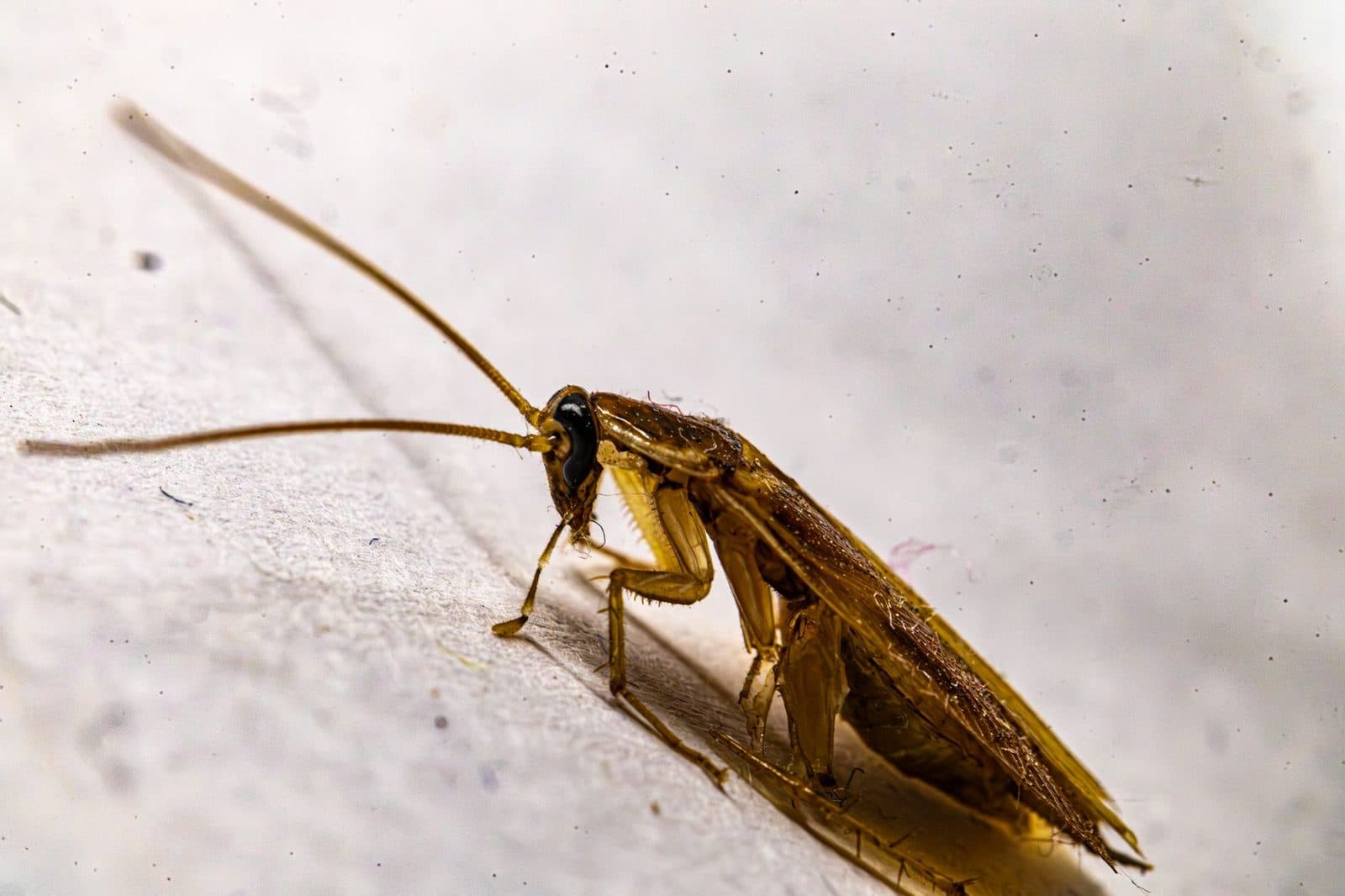
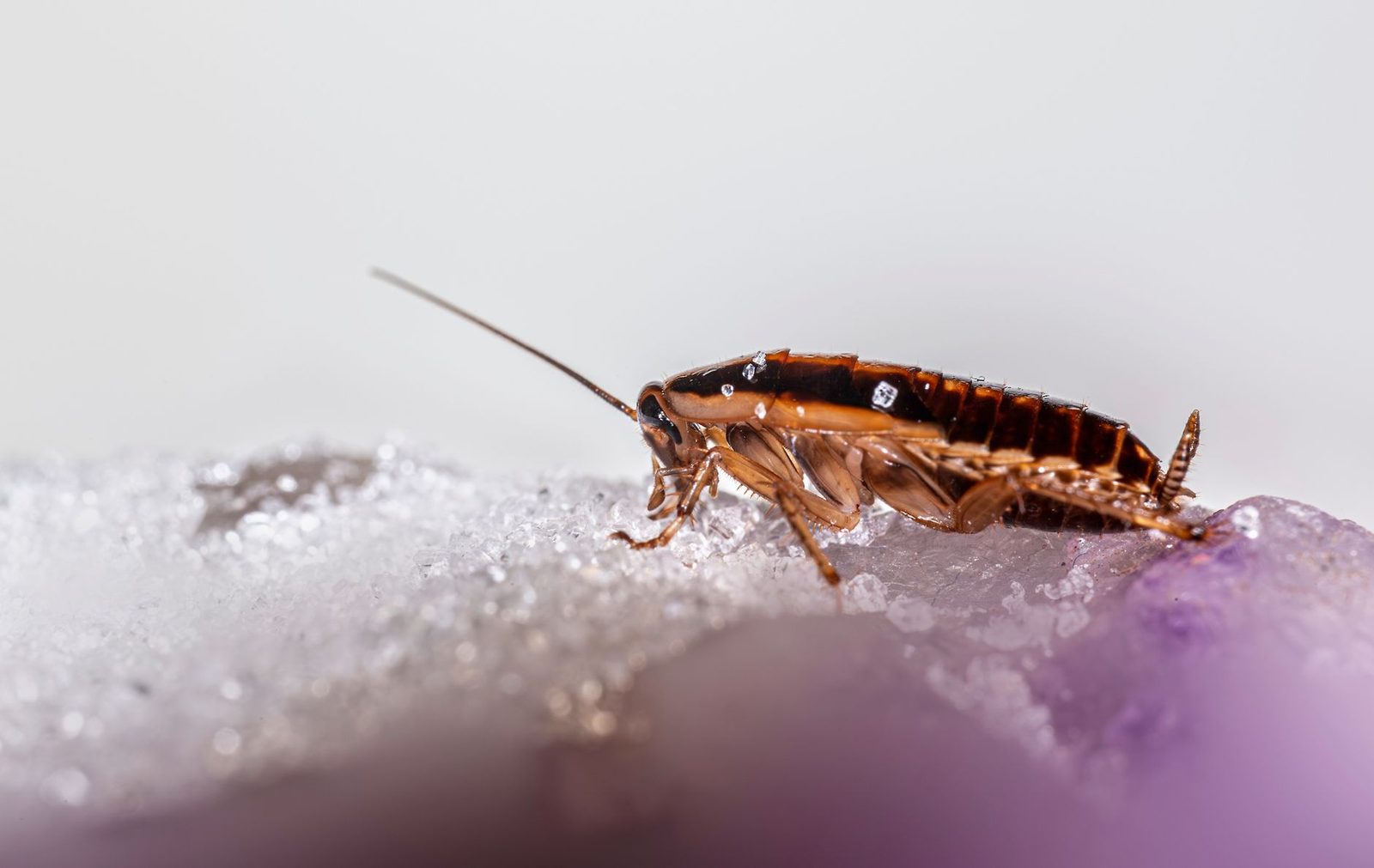
Close-up of a brown cockroach with long antennae moving across a white surface

Introduction: collective infestations, a blind spot in housing law

A building is never infested "flat by flat". German cockroaches travel through service ducts, rats climb up waste pipes and refuse chutes, and bed bugs cross from one home to another via skirting boards and electrical sockets. Yet as soon as the bill has to be paid, everyone passes the buck: the tenant blames the ageing building, the landlord claims poor housekeeping, and the building manager defers to the general meeting.

The administrative closures that have made headlines in recent months — restaurants and bakeries shut down by prefectural order in the Val-d'Oise because of cockroaches or dead rodents, a supermarket evacuated for a "massive rat infestation" — are a reminder that this is first and foremost a public health issue. But in private housing, where no prefect steps in to settle the matter, legal deadlock costs weeks. And a week lost against Blattella germanica, whose females produce up to 300 offspring in a single cycle, means an infestation that doubles in size.
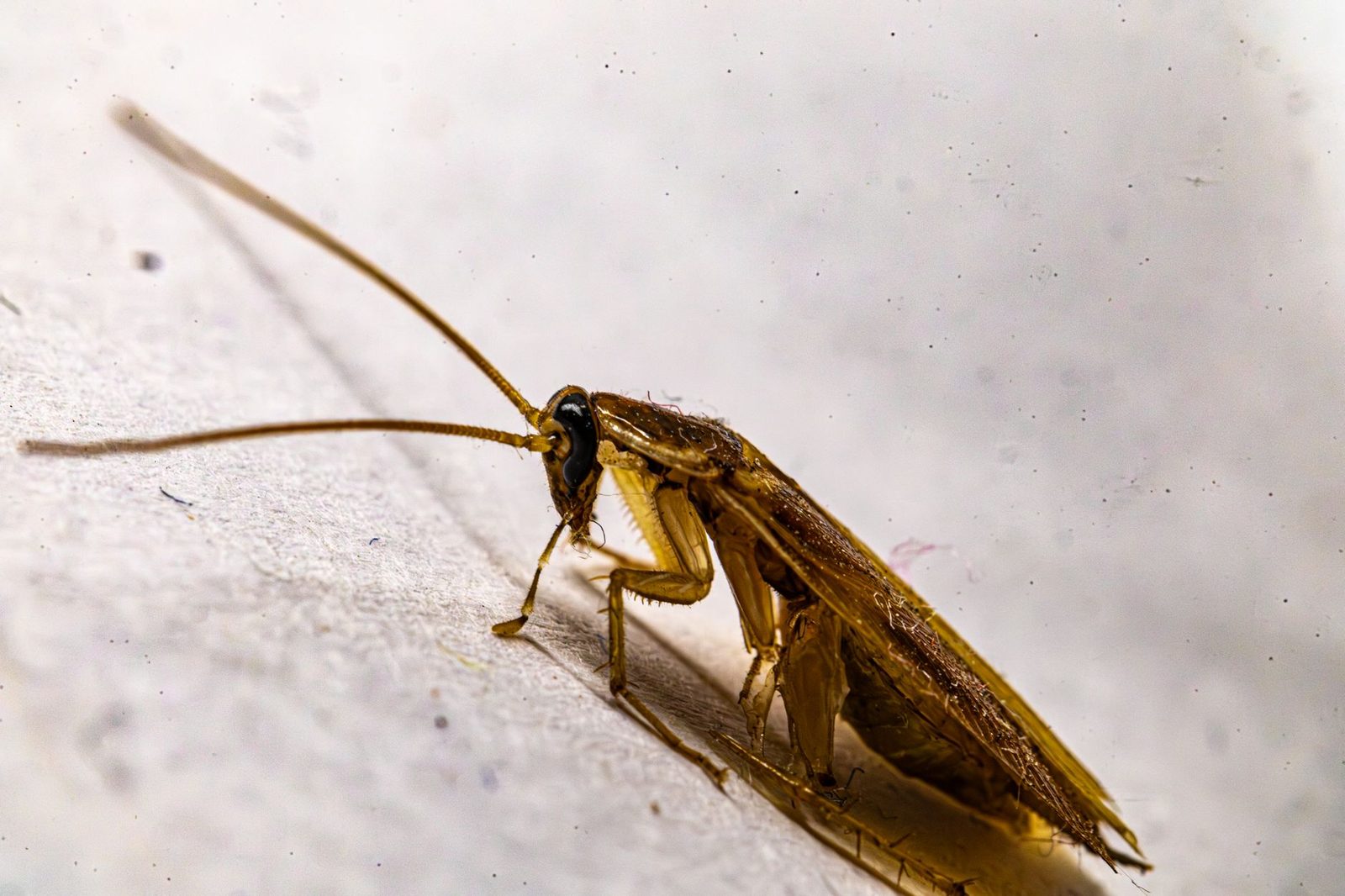
Close-up of a brown cockroach with long antennae moving across a white surface

This guide sets out, as of 2026, what French law actually says: who is responsible, who pays, within what deadline, and how to act when nothing happens.

The legal foundation: decent housing, free of pests

Everything stems from Act No. 89-462 of 6 July 1989 and its implementing decree No. 2002-120 on decent housing. Since the ELAN Act of 23 November 2018, Article 6 of the 1989 Act requires landlords to hand over a home that is "free of any infestation by pest and parasite species".

This wording, added by lawmakers precisely because of the bed bug crisis, changes everything. It means that:

  • At the start of the tenancy, an infested home is not decent. The landlord must arrange treatment at their own expense, with no room for debate.
  • During the tenancy, the landlord remains bound by an obligation to deliver and maintain the property (Article 6 b and c). They must cover treatments whenever the infestation cannot be attributed to a fault of the tenant.
  • The burden of proving the tenant's fault falls on the landlord, not the other way around. This is the consistent position taken by local courts and reiterated by the Agence nationale pour l'information sur le logement (ANIL) in its legal analyses.

Decree No. 87-712 on rental repairs, for its part, leaves routine upkeep to the tenant: the "destruction of insects and rodents" is listed there. Most disputes arise from that single line — landlords invoke it systematically. But case law interprets it strictly: it covers occasional, minor interventions (a trail of ants, a lone mouse), not a structural infestation linked to the building itself, the common areas, or a long-standing problem.

In practice, the allocation rule applied by the departmental conciliation commissions is simple: widespread, long-standing infestation, or one originating in the common areas → landlord or condominium. Isolated, recent nuisance confined to the home → tenant.

Cockroaches and rats in common areas: the building manager's responsibility

When pests occupy cellars, bin rooms, service ducts, refuse chutes or basements, responsibility shifts to the condominium association, represented by its managing agent.

What the building manager must do

Article 14 of the Act of 10 July 1965 entrusts the condominium association with preserving the building and administering the common areas. A rodent or cockroach infestation in the cellars therefore falls under routine maintenance, funded by common charges. In concrete terms:

  • The managing agent may launch an emergency intervention without waiting for the general meeting where there is a health hazard (Article 18 of the 1965 Act), notably following formal notice from the ARS or the municipal hygiene and health department (SCHS).
  • An annual preventive rodent-control contract — typically three to four visits a year with secured bait stations — is voted at the general meeting by simple majority under Article 24.
  • The managing agent must keep a log of interventions, which any co-owner may request.

What an occupant can do when the building manager does nothing

  1. Report the problem in writing to the managing agent, with dated photos and a precise description of the areas concerned.
  2. Follow up by registered letter with acknowledgement of receipt, setting a deadline (15 days is reasonable).
  3. Contact the town hall's municipal hygiene and health department, or failing that the ARS. The standard departmental health regulations (RSDt), Article 119 et seq., require the destruction of rodents and insects in residential buildings. The mayor holds public health policing powers and can issue formal notice.
  4. As a last resort, request that the item be added to the agenda of the next general meeting, or apply to the judicial court for interim relief.

Bed bugs: the most contentious case

The infestation rate in France doubled between 2024 and 2025 according to figures reported in the national press, confirming the trend observed by ANSES since its 2023 assessment, which estimated that around 11% of French households had been affected over five years.

Bed bugs pose a specific legal problem: they travel with people and belongings. A landlord will therefore readily argue that the tenant brought them in (returning from a trip, buying second-hand goods). But in an apartment building, spread between homes is the rule, not the exception: once three flats on the same riser are affected, individual origin becomes impossible to demonstrate.

Best practice in an apartment building

Treating flat by flat almost always fails: bed bugs migrate to neighbouring homes during the intervention, then come back. Certified professionals recommend a building-wide diagnosis of the riser or the floor, with simultaneous treatment of adjoining flats, including those reporting no problem.

To establish the facts objectively before any discussion with the landlord or building manager, a few simple tools make all the difference:

  • Bed bug interceptor traps placed under the bed legs, which make it possible to date and quantify their presence without chemical treatment.
  • A full anti-bed-bug encasement for the mattress and base, which prevents them from settling in the bed and makes monitoring easier.
  • A powerful LED torch to inspect seams, headboards and skirting boards, where the characteristic black droppings are visible.

Let us recall what ANSES has explicitly warned about: unauthorised insecticides sold outside regulated channels, along with "total release" foggers, are ineffective and dangerous. They scatter populations and create resistance. The topic is covered in detail in our article on insecticides banned for use against bed bugs.

Close-up of red ants on the ground, one rearing up with antennae raised, against a black background

Summary table: who pays for what

SituationWho covers the costLegal basis
Home infested at the start of the tenancyLandlord1989 Act, Art. 6 (ELAN Act)
Widespread infestation during the tenancy, no tenant faultLandlordObligation to deliver and maintain
Isolated, recent nuisance (ants, a single mouse)TenantDecree 87-712, routine upkeep
Rats/cockroaches in cellars, ducts, bin roomCondominium association1965 Act, Art. 14
Bed bugs across several flats on the same riserCondominium or landlords jointlyPresumed common origin
Clear, documented lack of hygiene by the tenantTenantFault proven by the landlord
Social housing, structural infestationSocial landlordSame rules + service commitments

Step-by-step procedure when the landlord refuses

Step 1 — Build a body of evidence

Without evidence, no procedure succeeds. Take photos with the timestamp enabled, film the active areas, and keep insect carcasses in an airtight container. Record every observation in a dated log: location, number, time. If you are bitten, have the lesions documented by your GP: a medical certificate describing a series of bites carries real weight before a judge.

A moisture meter can also help: cockroaches and rodents first colonise poorly ventilated damp areas, and documenting an unrepaired leak strengthens the argument of maintenance failure attributable to the landlord.

Step 2 — The formal notice

Send the landlord (or the agency) a registered letter with acknowledgement of receipt. It must:

  • describe the infestation and its timeline precisely;
  • cite Article 6 of the Act of 6 July 1989 and the 2002 decree on decent housing;
  • request intervention by a certified company within a set deadline (15 to 30 days);
  • state what will follow if nothing is done.

Never stop paying your rent on your own initiative: unilateral suspension is grounds for terminating the lease. Only a judge can order a reduction or an escrow deposit.

Step 3 — Free remedies

  • The departmental conciliation commission (CDC): free to apply to, no lawyer needed, by letter to the prefecture. It issues an opinion within a few weeks and resolves the majority of cases.
  • The municipal hygiene and health department or the ARS: a report of unfit housing is a decisive piece of evidence.
  • CAF or MSA: where a home is declared unfit, the housing benefit may be withheld by the agency until the works are carried out, which puts strong pressure on the landlord.
  • Your department's ADIL: free, impartial legal advice.

Step 4 — The protection litigation judge

As a last resort, the judge can order treatments to be carried out under penalty payments, grant a retroactive rent reduction and award damages for loss of enjoyment. Rulings granting 20 to 40% rent reductions over the infestation period are not uncommon.

Prevention: the habits that avoid disputes

The best strategy remains never letting an infestation take hold. In an apartment building, prevention is as much collective as individual.

On the condominium side

  • A cleaned and disinfected bin room, with containers whose lids are intact.
  • Rodent-proof grilles on basement vents, and gaps under cellar doors sealed.
  • Sealing of service ducts between floors — a single unsealed cable run is a motorway for cockroaches.
  • A preventive rodent-control contract voted at the general meeting, with the report circulated to occupants.

On the household side

  • Block every entry point: draught excluders for door bottoms and sealing joints fitted around the pipework under the sink eliminate the most common access routes.
  • Avoid standing water: a cockroach can survive a month without food, but only a few days without water.
  • Store dry goods in airtight containers rather than in their original packaging.
  • Always inspect second-hand furniture before bringing it inside.
  • After a trip, apply the precautions set out in our guide to preventing bed bugs while travelling.

Close-up of a brown cockroach with long antennae walking on a wet, crystalline surface

Calling in a professional: what to insist on

Whether the bill is paid by the landlord, the building manager or you, the company you choose must meet precise criteria:

  1. The Certibiocide certificate (order of 9 October 2013, since updated) for anyone applying professional-use biocidal products. Ask for a copy.
  2. A written preliminary diagnosis identifying the species, the extent of the problem and the contributing factors.
  3. A detailed quote listing the products, their marketing authorisation numbers, the areas treated and the number of visits.
  4. Systematic follow-up checks: no serious cockroach or bed bug treatment works in a single visit. Expect two to three visits at least 15 days apart.
  5. An intervention report provided at the end — an essential document should a dispute arise later.

Our services are built on this protocol, with certified technicians and a systematic preliminary diagnosis. For the prevention and monitoring equipment to keep on hand between visits, our shop lists the products we use or recommend. Price ranges by pest type and surface area are detailed in our dedicated article on the cost of a professional intervention.

In summary

  • Since the ELAN Act, the landlord must deliver and maintain a home free of infestation: this is the cornerstone of any case.
  • The tenant is only liable for routine upkeep, never for a structural infestation or one coming from the common areas.
  • As soon as cellars, ducts or the bin room are involved, it is the building manager who must act, on an emergency basis if necessary.
  • Free remedies — CDC, SCHS/ARS, ADIL, CAF — resolve the vast majority of situations without going to court.
  • Never suspend your rent without a court ruling, but document everything, systematically and in writing.
  • In an apartment building, an isolated treatment is a wasted treatment: insist on a collective approach.

When facing an infestation, time always works against the occupants. Reporting early, in writing, and calling in a certified professional at the first signs remains the only strategy that protects your health, your budget and your rights all at once.

A pest problem?

Our experts act fast and for good. Request a free assessment.

Request a free quoteOur services

Back to the blog

CallFree quote