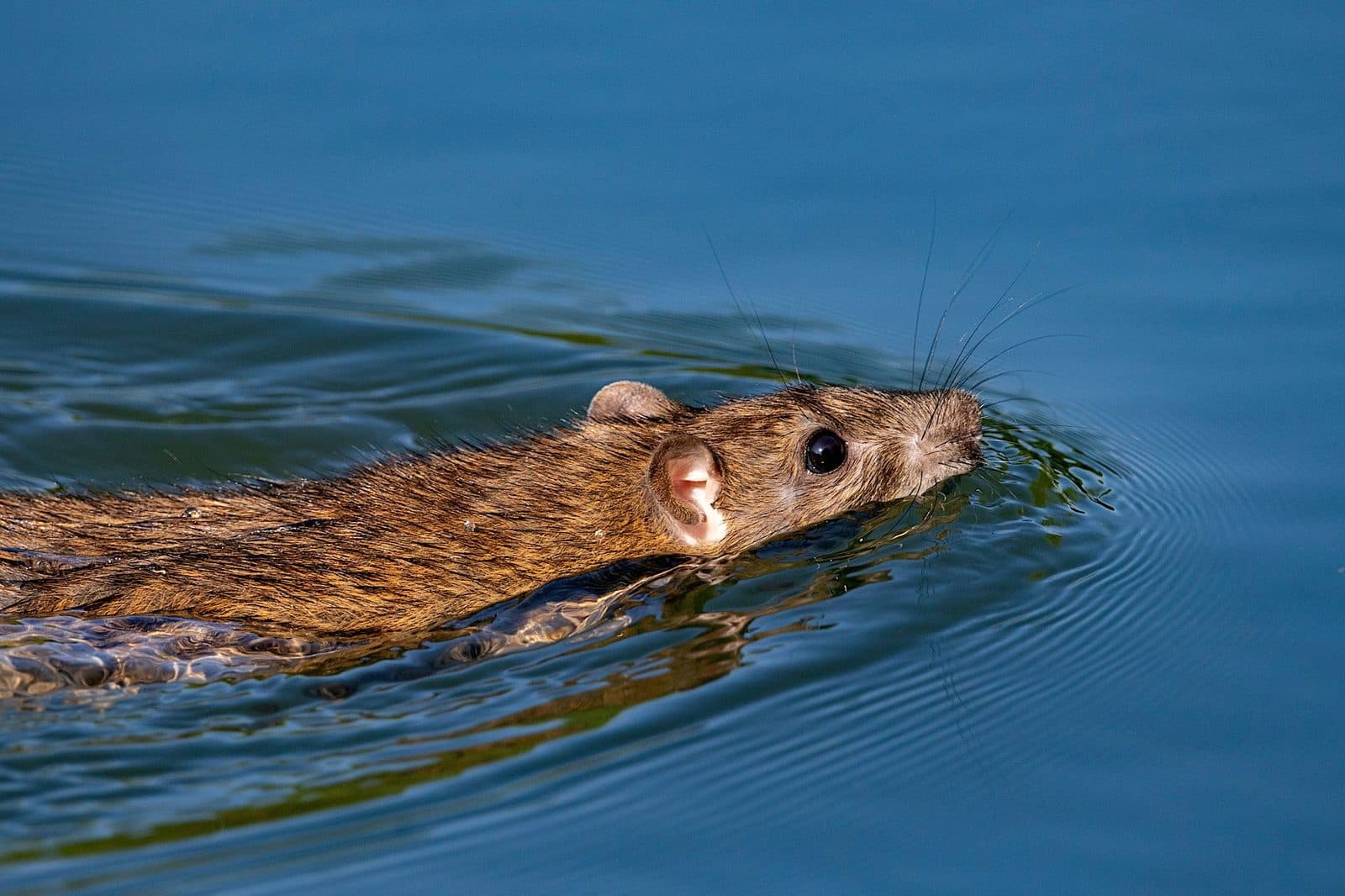
"We've been feeding the tits for fifteen years, never had the slightest trouble. And then, in three weeks, tunnels under the hedge, droppings on the patio, and a rat crossing the lawn at five in the afternoon." This resident of Saint-Maur-des-Fossés took a while to make the connection. She had simply switched feeder models in the autumn: an open platform, easier to fill, in place of the hanging silo. Beneath that platform, the ground had become a permanent larder.
It is one of the few attractants in a suburban garden that is restocked by the owner themselves, every other day, for four months straight. A compost bin ferments, a chicken coop gets cleaned, a bag of kibble gets put away. A feeder, by contrast, is designed to dispense food continuously — and part of that food always ends up on the ground.
This blog has already covered rats at the compost bin and the chicken coop and pet food bowls. This article tackles a separate subject: winter bird feeding, its side effects on rodents, and how to keep it up cleanly without giving up on the tits.
Why late October, and not July
Feeding garden birds is recommended by the Ligue pour la protection des oiseaux (League for the Protection of Birds, LPO) from November to March, that is, during the cold spell when natural resources run short. The LPO also explicitly advises stopping in spring. That window matches almost exactly the period when local rodents are looking for both warmer shelter and a reliable food source.
Three mechanisms overlap in Val-de-Marne at this time of year.
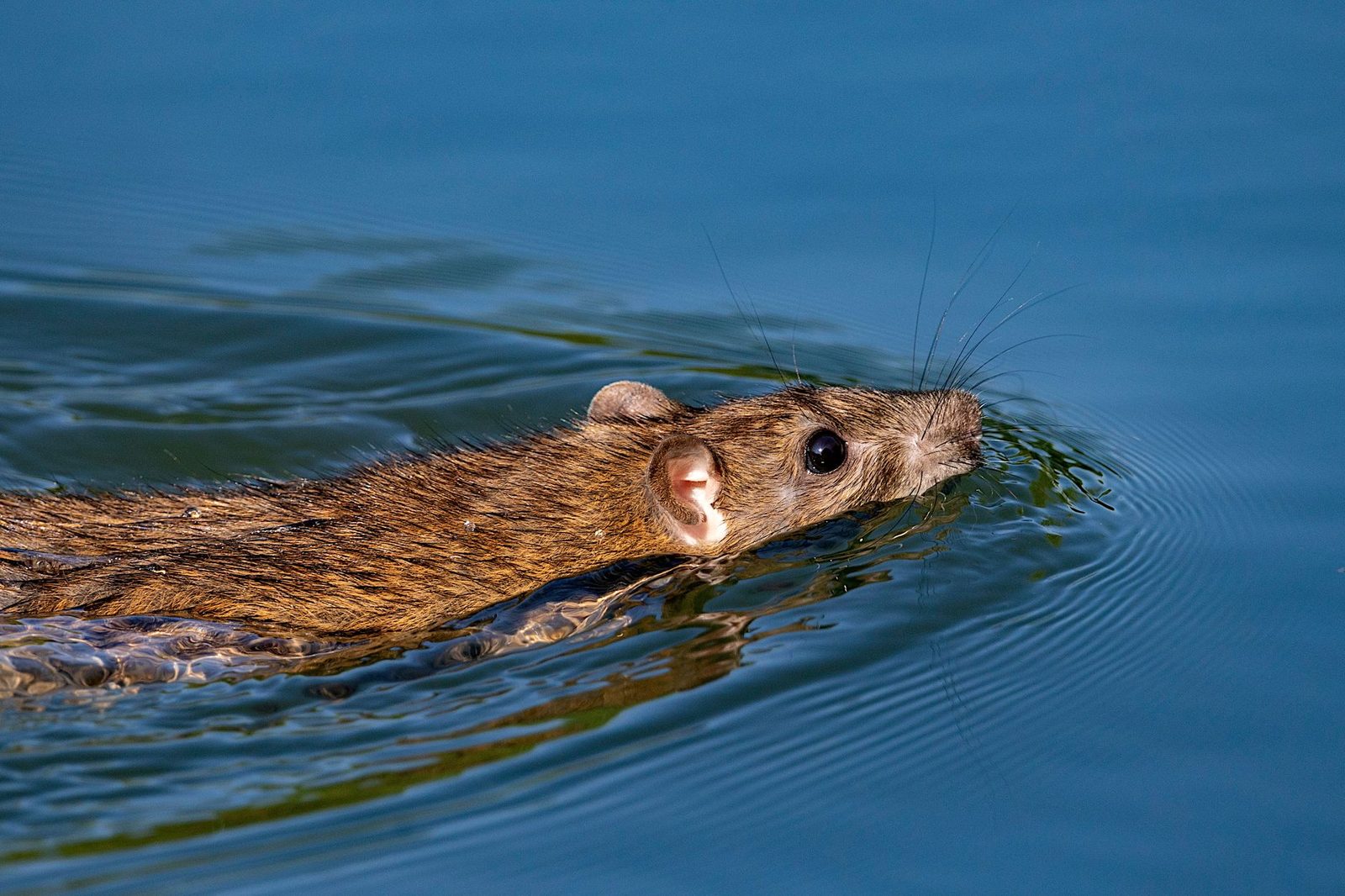
Outdoor resources collapse. Fallen fruit has been eaten or has rotted, the wild seeds of waste ground and the banks of the Marne are exhausted, insects disappear. A brown rat (Rattus norvegicus) needs roughly 25 to 30 g of dry food a day, a house mouse (Mus musculus) 3 to 4 g. A feeder that drops 50 g of seed a day therefore feeds, all on its own, the equivalent of two adult rats — every single day, in the same spot.
Sunflower is an almost perfect food for a rodent. High in fat (around 50% fat content for black sunflower seeds), energy-dense, easy to store. Rodents don't just eat on the spot: they build up caches. Stores of several hundred grams of seed are regularly found in loft glass wool, inside a roller-shutter box or under a lawnmower in the garage.
The feeding point is stable and predictable. Rodents operate along repeated routes following vertical obstacles. A feeder refilled every other day in the same place creates a permanent runway — and runways always end up reaching the building: a crack in a low wall, an air brick, a pipe penetration.
The signs that should raise the alarm
Before changing anything, check that the problem really does come from there. Six clues, to look for at the foot of the feeder and along the line running from the feeder to the house.
- A carpet of husks and intact seeds on the ground, over a circle one metre to one and a half metres across. Birds drop a great deal; whatever is still on the ground in the evening will be eaten overnight.
- Black, rice-grain-shaped droppings (mice, 3–6 mm) or spindle-shaped ones 1.5 to 2 cm long (brown rat) on the low wall, the coping, the edge of the platform.
- A clean hole 4 to 6 cm across, with no cone of scattered earth, in the lawn or under the hedge less than five metres from the feeding point: that is the entrance to a brown rat burrow, not a molehill.
- Runs: a band of flattened, glossy grass 5 to 8 cm wide, along a wall, an edging or a fence.
- Seeds in absurd places: in an empty flowerpot, in a boot left outdoors, in the toolbox in the garage. That is the signature of hoarding.
- Birds deserting the feeder during the day even though it is still full. Tits and robins avoid a station frequented by rodents.
A garden observation notebook, however rough, helps enormously: noting the date, the place and the type of clue tells you within a week whether activity is increasing or receding. Many homeowners rely on an animal track identification guide to tell a rat dropping from a hedgehog or blackbird dropping — the confusion is common and it costs weeks.
Fix the feeder, don't remove it
There is no reason to stop feeding birds. There are good reasons to do it differently.
1. Eliminate food on the ground
That accounts for 80% of the problem. Standing platforms and wide-opening feeders let most of it fall. Replace them with:
- a clear silo feeder with short perches and a built-in catch tray;
- a squirrel-proof caged model, whose outer mesh also stops larger rodents reaching the seed if it is properly hung;
- for fat balls, a closed holder rather than the original net (which, on top of everything else, injures birds).
If you are set on the platform, place a basin or rigid tray beneath it, lifted away every evening. Everything that has fallen during the day goes into the closed compost bin or the rubbish, not onto the ground.
2. Hang it high, far away and on a smooth support
A brown rat will climb a rough trunk, ivy, wire mesh, a wooden post. It will not climb a smooth metal rod less than 3 cm in diameter, and it will not get past a correctly positioned baffle (predator-guard cone or disc).
| Parameter | Recommended minimum |
|---|---|
| Height of the feeder tray | 1.50 m above the ground |
| Distance from a branch, a low wall, a fence | 1.50 to 2 m |
| Distance from the house wall | 8 to 10 m |
| Baffle position on the pole | below the feeder, 1 m above the ground |
The point most often overlooked is the distance from the house. A feeder hung on the pergola, against the living-room wall, channels rodents towards the façade: roller-shutter box, air-conditioning duct, threshold seal. In a 200 m² suburban garden, moving the feeding station five metres towards the back of the plot changes everything.
3. Choose seed that makes less mess
For comparable nutritional value to the birds, not all mixes generate the same waste on the ground.
- Hulled sunflower seeds leave no husks: nothing accumulates, and waste is markedly lower.
- Budget mixes contain a lot of wheat and cereals that songbirds sort through and throw on the ground — which is exactly what feeds the rodents.
- Bread, table scraps, cooked rice: cut them out entirely. They do nothing for the birds and attract rats and corvids.
4. Secure the supply
By volume, the bag of seed is a far more attractive target than the feeder. A 5 kg bag left in the garden shed or the garage will be gnawed open. The supply must be kept in an airtight metal container — a drum with a clip-on lid, a galvanised steel bin. Soft plastic is pierced in a single night; cardboard offers no resistance at all. Same rule for fat balls and dried mealworms.
5. Clean the station, for the birds as much as for yourself
The LPO and the Office français de la biodiversité (French Biodiversity Agency) stress feeder hygiene: feeding stations concentrate birds and promote the transmission of pathogens (salmonellosis, trichomonosis). Weekly cleaning with hot soapy water, fully dried before refilling, plus a pair of tough gardening gloves for handling the equipment: that is the baseline. Dried bird droppings and rodent faeces must not be swept up dry — dampen them first, to avoid putting dust into the air.