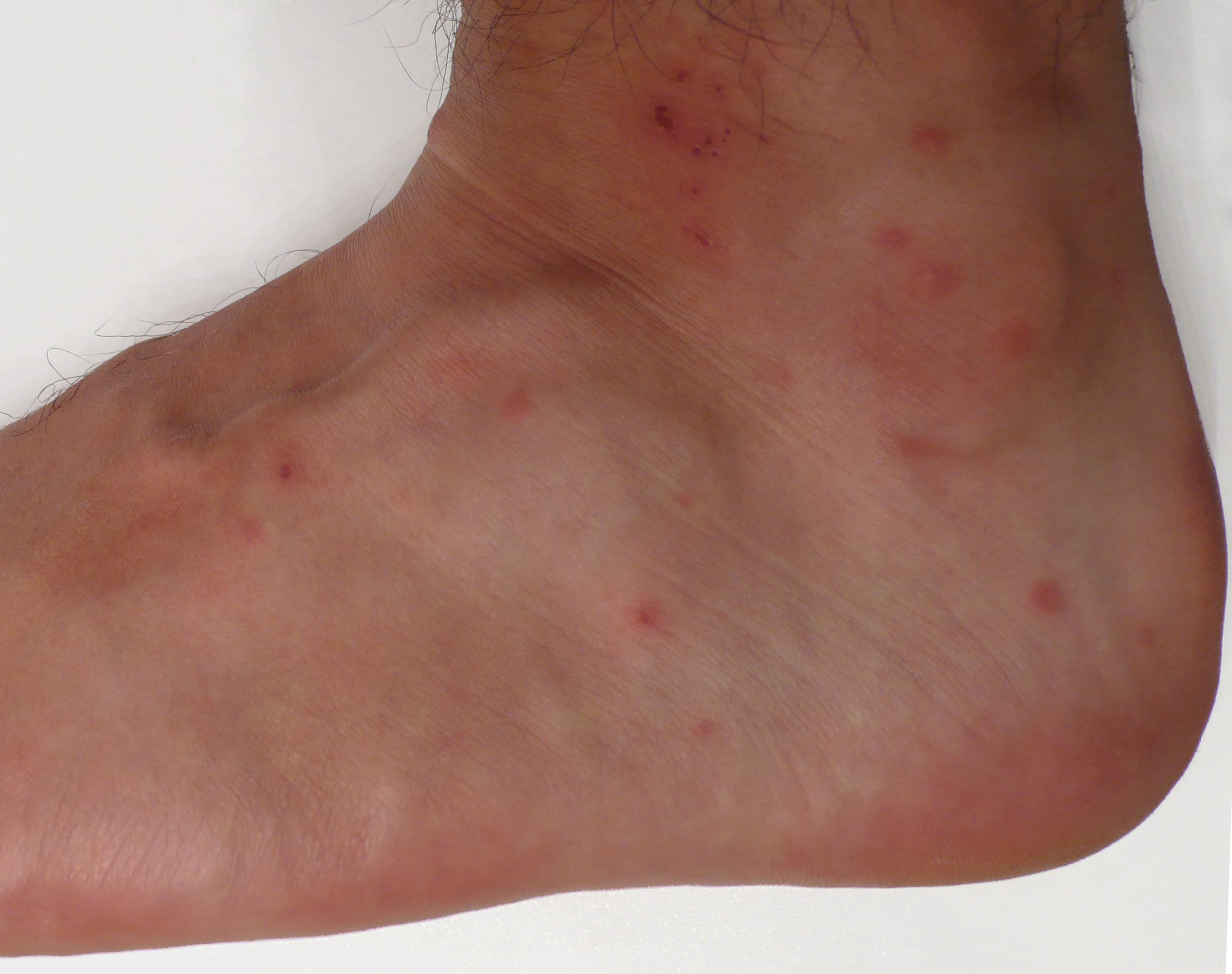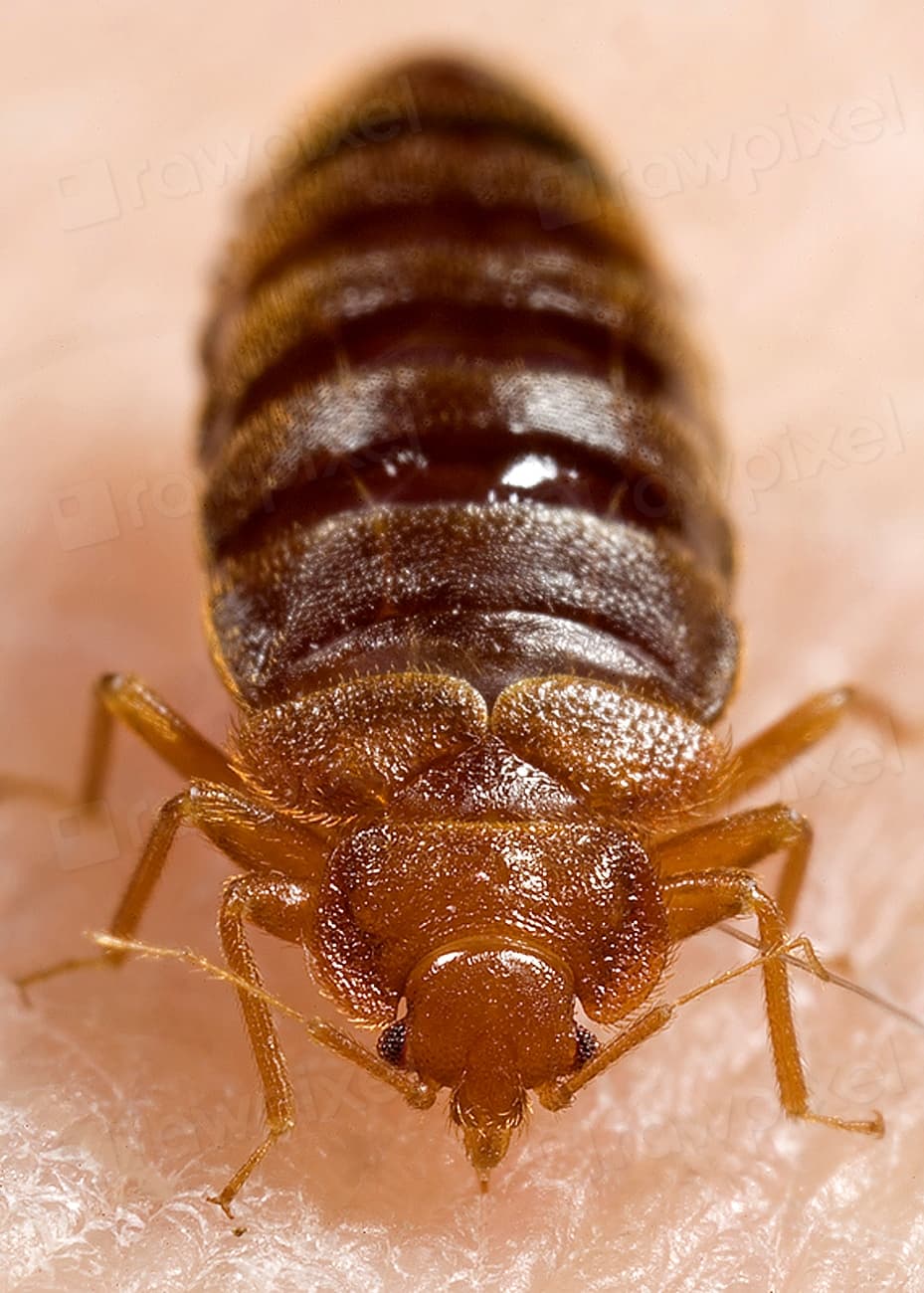
The summer of 2026 brings a structured answer to one of the topics that worries French travellers the most: on 8 July 2026, Bureau Veritas Certification, in partnership with PROSANE (Association of Professionals for the Protection of Health and Environments) and SEDCPL (Union of Bed Bug Canine Detection Experts), launched "Bed Bugs Project", the first French label for the management of bed bug risks and infestations intended for commercial tourist accommodation. For travellers, managed rental hosts and hoteliers, this is a concrete change: a binding standard, an annual audit, and a commitment to intervention within 48 hours. Here is what changes, who is concerned, and how to check that an establishment is actually certified.
Why a national label in 2026
The pressure is now quantified. According to the PROSANE survey conducted in April 2026 with 35 professionals across metropolitan France, 60% of bed bug interventions are concentrated between July and September, and 1 in 5 interventions concerns the tourism sector across the whole year. Breakdown of tourism cases:
- Traditional hotels: 44% of interventions
- Seasonal furnished rentals: 29%
- Tourist residences and apart-hotels: 15%
On top of that, a structural signal: diagnostic requests in collective housing jumped by 300% in 2025, indicating a spread broader than the hotel sector alone. The label aims precisely to turn an until-now reactive management into recognised prevention, in a context where resistance to pyrethroids is documented in about 80% of Cimex lectularius populations and where the social and economic cost of infestations is estimated at more than 230 million euros per year in France (INRS).
What the "Bed Bugs Project" label changes
The label is built on a strict annual audit (not a self-declaration) and targets hotels, holiday clubs, tourist residences and campgrounds. It sets six cumulative requirements that, together, distinguish a committed establishment from a simple marketing claim.
1. Appoint internal referents
The establishment must name a Quality referent and a Bed Bugs referent, responsible for the proper application of the protocol and the traceability of reports. This is the condition for a Sunday 10 pm suspicion to trigger the right reflex and not a quick vacuum of the mattress.
2. Maintain a register of suspicions and detections
Each report — whether from a guest, an employee or a routine check — must be recorded with a timestamp, precise location and follow-up actions. This register serves as the basis for the audit, but above all for early detection: an infestation detected within 72 hours costs infinitely less than one detected three weeks later.
3. Frame the handling of guest complaints
The label requires a written protocol for handling a complaint: acknowledgement within 24 hours, relocation offer, triggering of the diagnostic, transparent communication with the affected guest. The goal is to avoid the denial strategy, which is costly in e-reputation and legal proceedings.
4. Require an annual diagnostic by certified canine detection
Each year, the establishment must have a diagnostic performed by a certified canine detection company, holding the "Reconnaissance Punaise Expertise" certification from SEDCPL. Dog reliability is in the range of 95-98% on active infestations, well above visual inspection alone. This annual pass covers the high-risk areas: fast-rotation rooms, common areas, stored bedding, reception furniture.
5. Commit to an intervention within 48 hours
In the event of a confirmed detection, the establishment is contractually committed to calling in a CEPA-certified pest control company (European Confederation of Pest Management Associations) within 48 hours. This is the measure that most concretely changes things for the traveller: no more waiting a week, no more "we treated it ourselves with a spray".
6. Communicate transparently
The label requires clear display of the certification level on booking materials and in the establishment. The goal is to make the commitment verifiable: a guest must be able to know, before arriving, whether the hotel has passed the audit and on what date.
Who is concerned by the label
The scope of the label is deliberately focused on commercial tourist accommodation: hotels, holiday clubs, tourist residences, campgrounds. It does not cover, at this stage, peer-to-peer rentals like Airbnb (which are subject to other obligations, particularly from the 2024 Le Meur law) or emergency accommodation, which has its own protocols. This distinction is important: an Airbnb cannot display the "Bed Bugs Project" label, and that is good for clarity.
What the label does not do
Let us be clear about what the label is not:
- It is not a zero-bed-bug guarantee: a certified establishment remains a place of passage, and zero risk does not exist. The label reduces the probability of an undetected infestation and guarantees a quick reaction.
- It is not a CEPA certificate for the hotel industry: CEPA certifies pest control companies, not hosts. The label relies on CEPA as a requirement for service providers, without replacing it.
- It is not a mandatory device: no law requires certification in 2026. It is a voluntary commitment, valued by booking platforms and insurers.