The feeling of a wasp "invasion" this summer is not just perception: the peak of nest activity in July-August, combined with a mild winter and a favourable spring, puts the 2026 season under heavy pressure. And behind the benign stings, the numbers are heavier than you might think. According to the study published in March 2026 by Anses and relayed by Santé publique France, 179,141 ER visits and 256 deaths are attributable to wasp, hornet and bee stings over the 2014-2023 period. Here is what these numbers mean for you, when to call 15 and how to have a nest removed safely.
What the 2026 Anses study says
The assessment, the result of cross-referencing data from PMSI (hospitalisations), CépiDc (deaths) and the OSCOUR® network (ER visits), gives a precise picture of the risk over ten years:
- 179,141 ER visits for hymenoptera stings (stable over the period, with a peak in 2018).
- 18,213 hospitalisations, slightly up.
- 256 deaths identified, including 77% men and 62% in people aged 60 and over.
- Seasonal peak in July-August, particularly marked for hospitalisations and deaths.
- 13% of hospitalisations in intensive care, a share that is rising (17% in 2023).
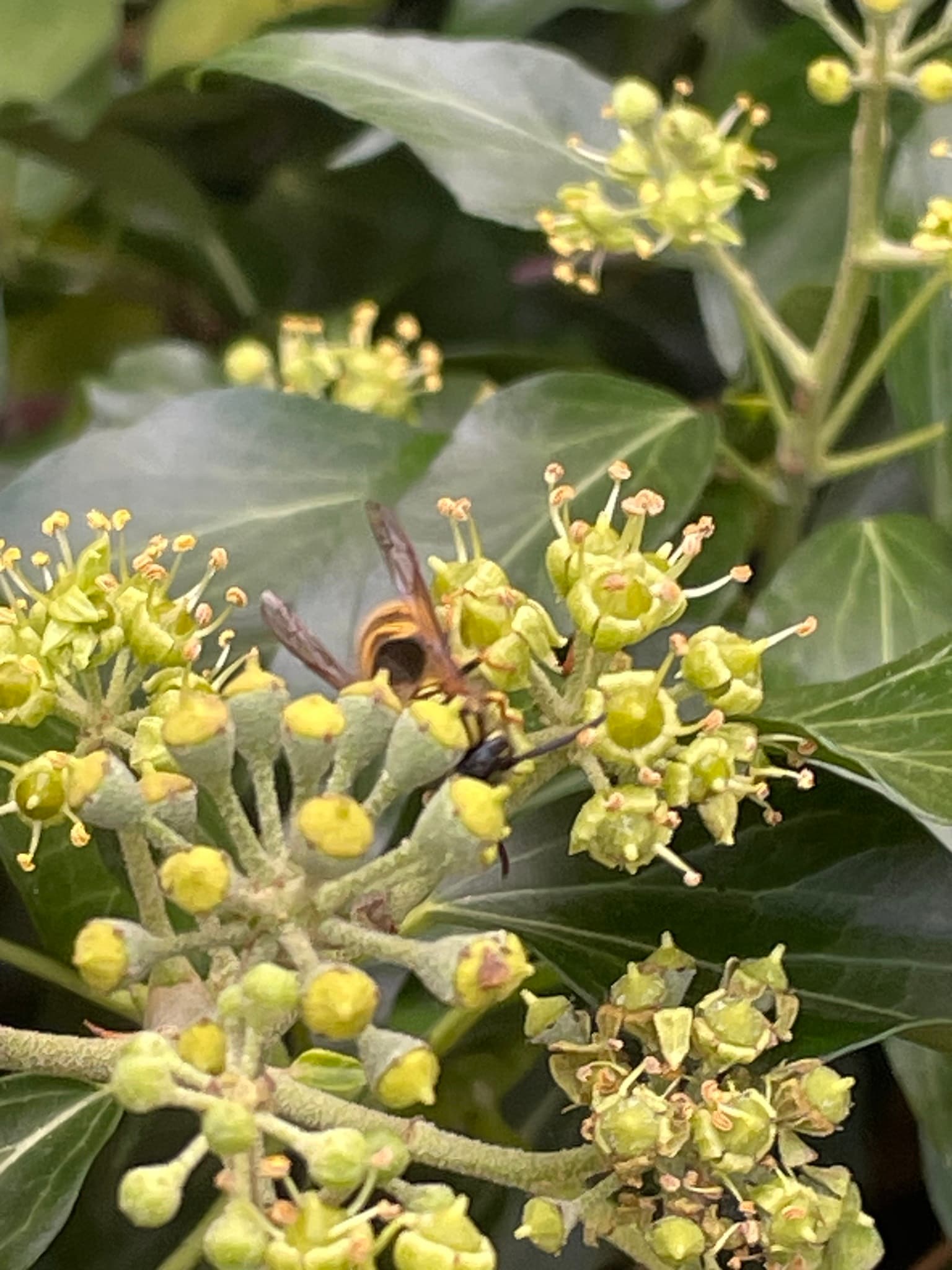
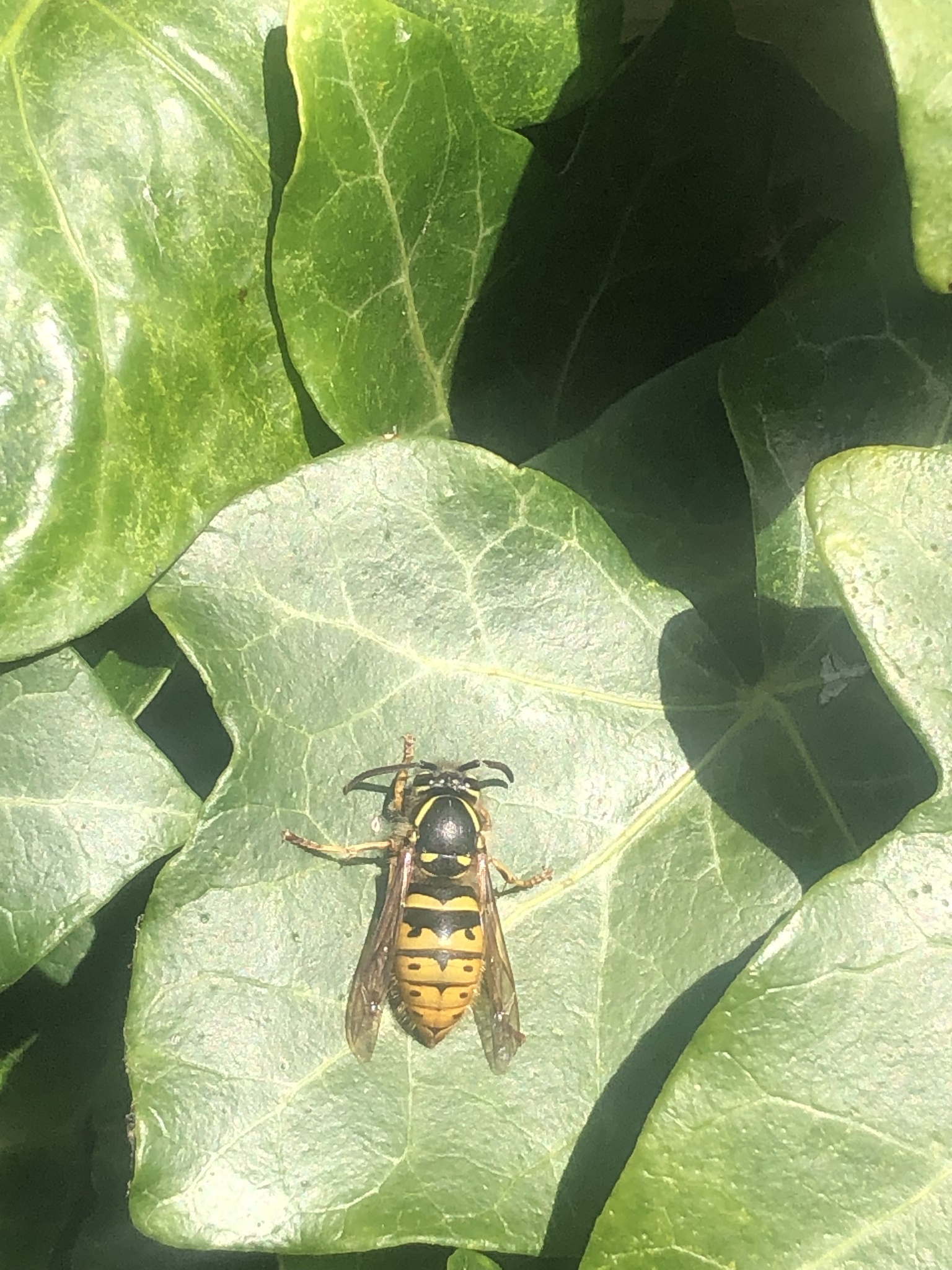
In terms of distribution, wasps account for 37% of cases, hornets 25% (all species) and bees 19%. But severity is not proportional to frequency: hornets are responsible for 38% of serious cases while they only cause 25% of stings.
Why summer 2026 is riskier
Three factors are converging this season, confirmed by recent Météo-France bulletins and observations from regional FREDONs.
A mild winter followed by a warm spring
Fertilised queens that overwinter in a shelter (under a tile, in a woodpile, behind a shutter) survive better when temperatures stay mild. In spring, they found their colony earlier and grow it faster. The result: larger nests, more workers, and an activity peak advanced in July.
Longer summers
Climate change is extending the activity window: nests remain populous until October in the south, compared with an end of activity usually noted at the end of September. For stings, this means a longer exposure season, no longer just a peak centred on the school holidays.
More Asian hornets than before
The law of 15 March 2025 created a national control plan against Vespa velutina, officially presented on 27 March 2026. Spring queen trapping is now regulated, and beekeepers can be compensated. But field pressure remains strong, and the share of hornets in serious cases continues to rise.
Who is most at risk
Not all stings are equal. The risk of a serious reaction depends on three parameters: the person (allergic background, age, state of health), the amount of venom injected and the location (throat, face, area near an airway).
People allergic to venom
About 3% of the population has sensitisation to hymenoptera venom, but only a fraction has had a documented systemic reaction. For these people, a single sting can trigger anaphylactic shock within minutes. If you know you are allergic, always keep your adrenaline auto-injector (Anapen, Epipen, Jext) within reach, and report your background to your GP.
Children and the elderly
In children, the main risk comes from multiple stings (knocking over a nest while playing) and oral stings (sugary drink on a terrace, fallen fruit). In those over 60, Anses data show over-representation in deaths, often linked to cardiovascular comorbidities and a delay in calling for help.
Beekeepers and professionals
Beekeepers, farmers, landscapers, maintenance workers: these jobs expose workers to frequent stings, which paradoxically increases the risk of gradual sensitisation. Wearing suitable suits and an auto-injector at the workstation are reflexes that should be formalised in the single risk document.
When to call 15 or 112
The simple rule, taken up by Anses and the Haute Autorité de santé: at the slightest doubt, call. Three situations require an immediate call:
- Allergic reaction: swelling of the face, lips or throat, difficulty breathing or swallowing, faintness, widespread hives, voice change. This is a potential anaphylactic shock: call 15 or 112 without delay.
- Multiple stings: more than 50 bee stings or more than 10 wasp or hornet stings in an adult, and any multiple sting in a child or elderly person. There is a risk of systemic envenomation, even without a known allergy.
- Sting in the mouth, throat or eye: local oedema can obstruct the airways within minutes. Do not drink, do not eat, call immediately.
For significant local reactions but without warning signs (redness of more than 10 cm, sharp pain, swelling that spreads over 24-48 h), call your GP or visit an out-of-hours medical centre.