An indigenous dengue case confirmed in Carmaux
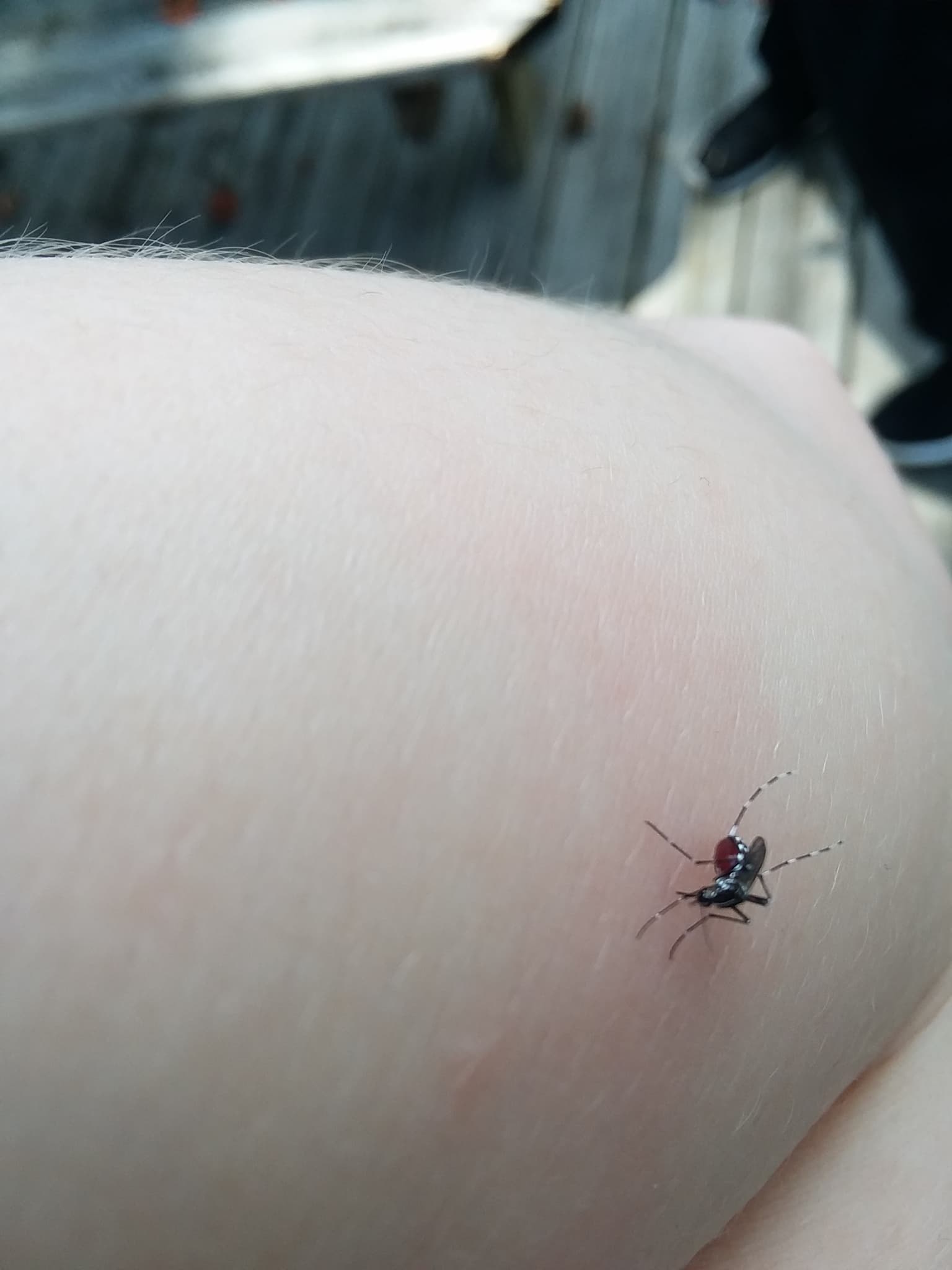
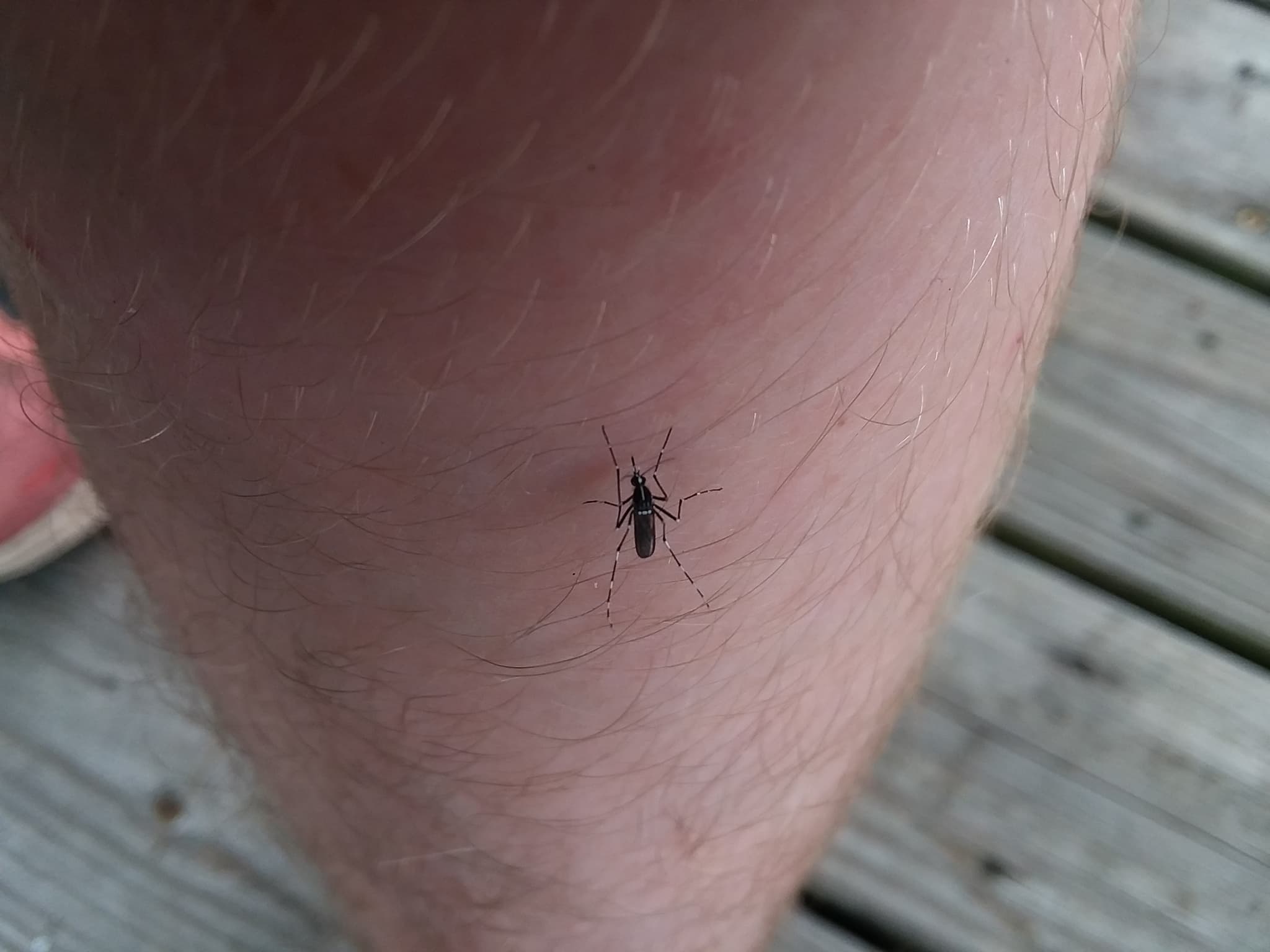
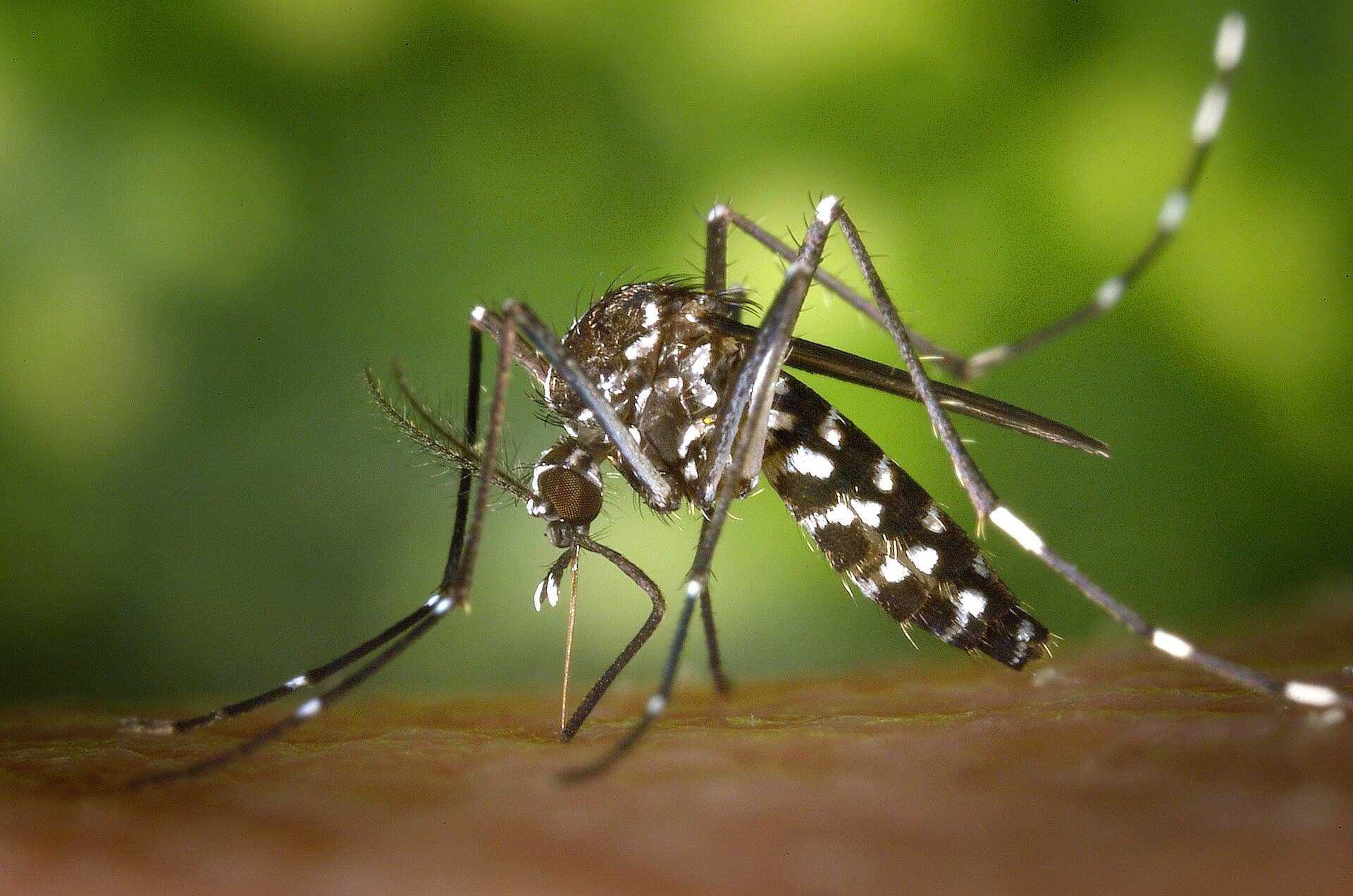
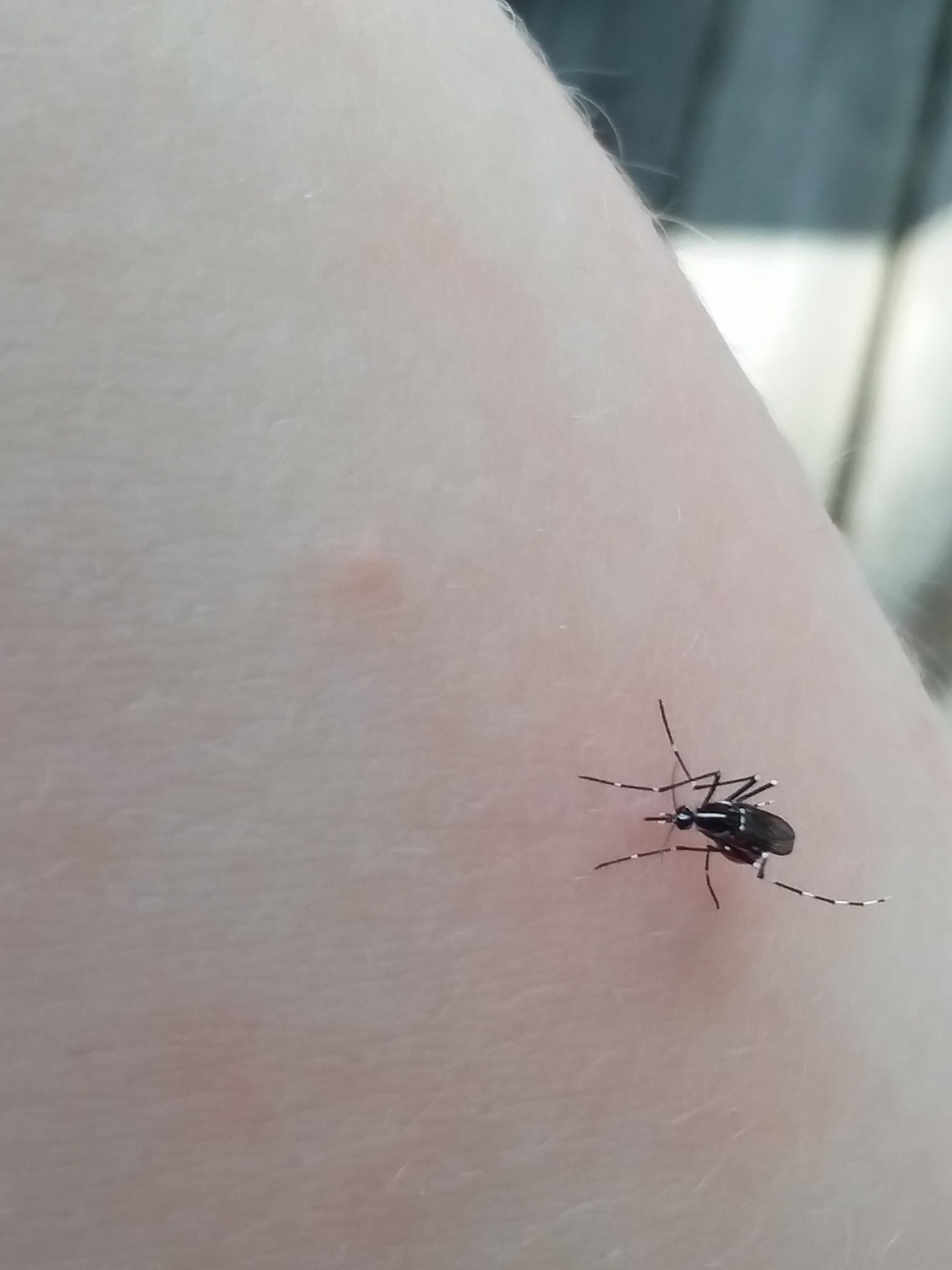
On 21 July 2026, the Occitanie Regional Health Agency (ARS Occitanie) confirmed an indigenous dengue case in a resident of Carmaux, in the Tarn (81) department. The infected person had not travelled to a tropical area in the previous weeks — a determining criterion, because it demonstrates that contamination took place directly on national territory, through a local tiger mosquito (Aedes albopictus) that bit a returning traveller carrying the virus and then transmitted it to other people within a radius of a few hundred metres.
This is the second indigenous case reported in Occitanie in a matter of days, after the one confirmed in Sète (Hérault) a few days earlier. With the clusters already identified in Île-de-France and Auvergne-Rhône-Alpes, the summer of 2026 confirms the trend observed since 2022: dengue now circulates regularly and indigenously in southern France, and the tiger mosquito extends its implantation area every year.
The scope of the mosquito-control operations
In response to this signal, ARS Occitanie ordered two mosquito-control operations around the cluster of contamination, entrusted to the operator Altopictus:
- Night of 22 to 23 July 2026: first insecticide pass within a defined perimeter around the home of the sick person;
- Night of 27 to 28 July 2026: second pass, called a "booster", designed to eliminate adult mosquitoes that have emerged since the first operation.
Residents of the affected areas are asked to:
- Stay indoors and close doors and windows between 9 pm and 6 am during the intervention nights;
- Bring laundry hanging outside back in to avoid it being soaked with product;
- Cover water tanks and animal drinking troughs;
- Keep away from operator vehicles travelling slowly through the streets;
- Go out only after sunrise and after airing out the rooms.
The insecticide used is generally an adulticide based on pyrethroids (deltamethrin or alphamethrin), authorised by ANSES for public-health mosquito-control operations, with a dosage and application method framed to limit the impact on bees and other non-target insects.
What an "indigenous case" is and why it is a strong signal
An indigenous case means that a person contracted the disease on national territory, without having recently travelled to an endemic area (Caribbean, Latin America, South-East Asia, Indian Ocean, East Africa, Pacific). This criterion distinguishes the indigenous case from the imported case, i.e. a person who was bitten and infected during a trip.
For the health authorities, an indigenous case is a major alert signal:
- It proves that the local tiger mosquito has successfully transmitted the virus locally — a step that could only be observed in metropolitan France from 2022, with the first clusters in the Alpes-Maritimes;
- It indicates that there are probably, in the close circle of the patient, other infectious people (often asymptomatic) likely to feed the transmission chain;
- It automatically triggers the ORSEC "arboviruses" plan combining epidemiological investigation, targeted mosquito control and awareness-raising among local residents.
Nationwide, the reinforced surveillance bulletin of 16 July 2026 from Santé publique France already recorded 215 imported dengue cases, 69 imported chikungunya cases, 9 imported Zika cases and 1 indigenous West Nile virus infection in the Pyrénées-Orientales. The tiger mosquito is now established in 83 French departments and active from May to November.
The Tarn, an increasingly exposed department
The Tarn (81) is one of the departments where the tiger mosquito has been durably established for several years. The official classification, updated each year by the Ministry of Health and ANSES, now places the Tarn at level 1 "tiger mosquito established and active", which triggers:
- Reinforced entomological surveillance by mosquito-control operators;
- A reporting platform accessible to individuals via signalement-moustique.anses.fr;
- A summer information campaign in pharmacies, town halls and medical practices on prevention steps;
- A specific PMSI coding procedure in hospitals to facilitate early detection of cases.
The municipalities of the Carmaux-Albi basin offer an environment that is particularly favourable to the tiger mosquito: suburban housing with gardens, standing water points (saucers, water butts, gutters), a hot and dry summer climate interspersed with stormy episodes. This is the classic combination that explains the progression of the tiger mosquito northwards and westwards since its initial establishment in the Alpes-Maritimes in 2004.
The individual protective actions that make a difference
At the scale of a household or a neighbourhood, several simple actions significantly reduce the risk of being bitten and of transmission:
- Eliminate standing water: empty saucers, gutters, outdoor toys, wheelbarrows; cover rainwater butts with a mosquito net; change the water in vases every week;
- Install mosquito nets on windows and, for vulnerable people (infants, elderly people, pregnant women), around the bed;
- Use skin repellents based on DEET, icaridin or IR3535 at the end of the day, when going outdoors;
- Wear covering and light-coloured clothing (the tiger mosquito is diurnal, unlike the common mosquito, and bites during the day, especially in late afternoon);
- Install ovitraps (black trays with water, designed to catch eggs and eliminate them before hatching) — they are recommended by the ARS in active cluster areas.
When should you consult?
Dengue manifests as a high fever of sudden onset (often above 39 °C), associated with at least two of the following signs: headache, retro-orbital pain, muscle and joint pain, rash, nausea, vomiting. The critical phase lies between the 3rd and 7th day: this is when, in severe forms, warning signs (abdominal pain, persistent vomiting, mucosal bleeding, drowsiness) appear that require immediate hospital care.
For any suspicion after a bite in an infested area, or in case of a return from travel with fever, contact your GP or dial 15 (SAMU) in an emergency.
How AntinuisiblePro can intervene in Carmaux and in the Tarn
AntinuisiblePro offers services tailored to individuals, professionals and local authorities in the Tarn and Occitanie:
- Entomological diagnosis of the garden or the common areas: identification of breeding sites, identification of adult tiger mosquito resting areas, risk mapping;
- Targeted larvicide treatment in non-removable water points (manholes, gutters, ornamental ponds) with an authorised biocidal product;
- Installation of ovitraps and tiger-mosquito-specific mosquito nets with fine mesh;
- Advice and personalised protocol for public-access establishments (schools, nurseries, nursing homes, hotels, campsites);
- Coordination with the ARS and mosquito-control operators in case of a confirmed cluster.
Our intervention is compliant with the National Health-Environment Plan and uses exclusively products authorised by ANSES. Request a free diagnosis via our contact form or browse our complete pest-control services. For an emergency intervention, our Emergency page puts you in touch with a technician within 24 hours in Albi, Carmaux, Mazamet, Gaillac and surrounding areas.
Related articles:
A pest problem?
Our experts act fast and for good. Request a free assessment.
Request a free quoteOur services