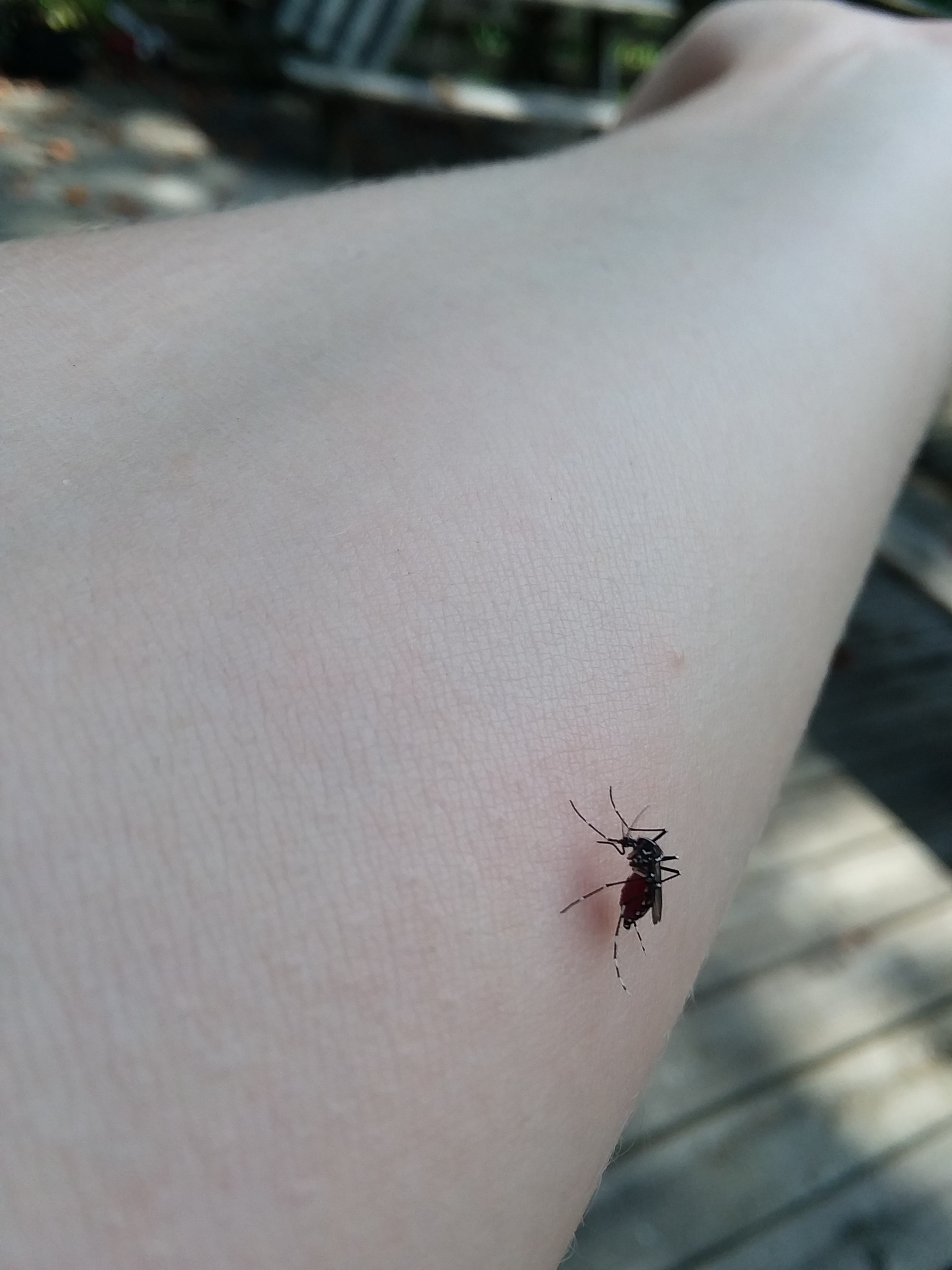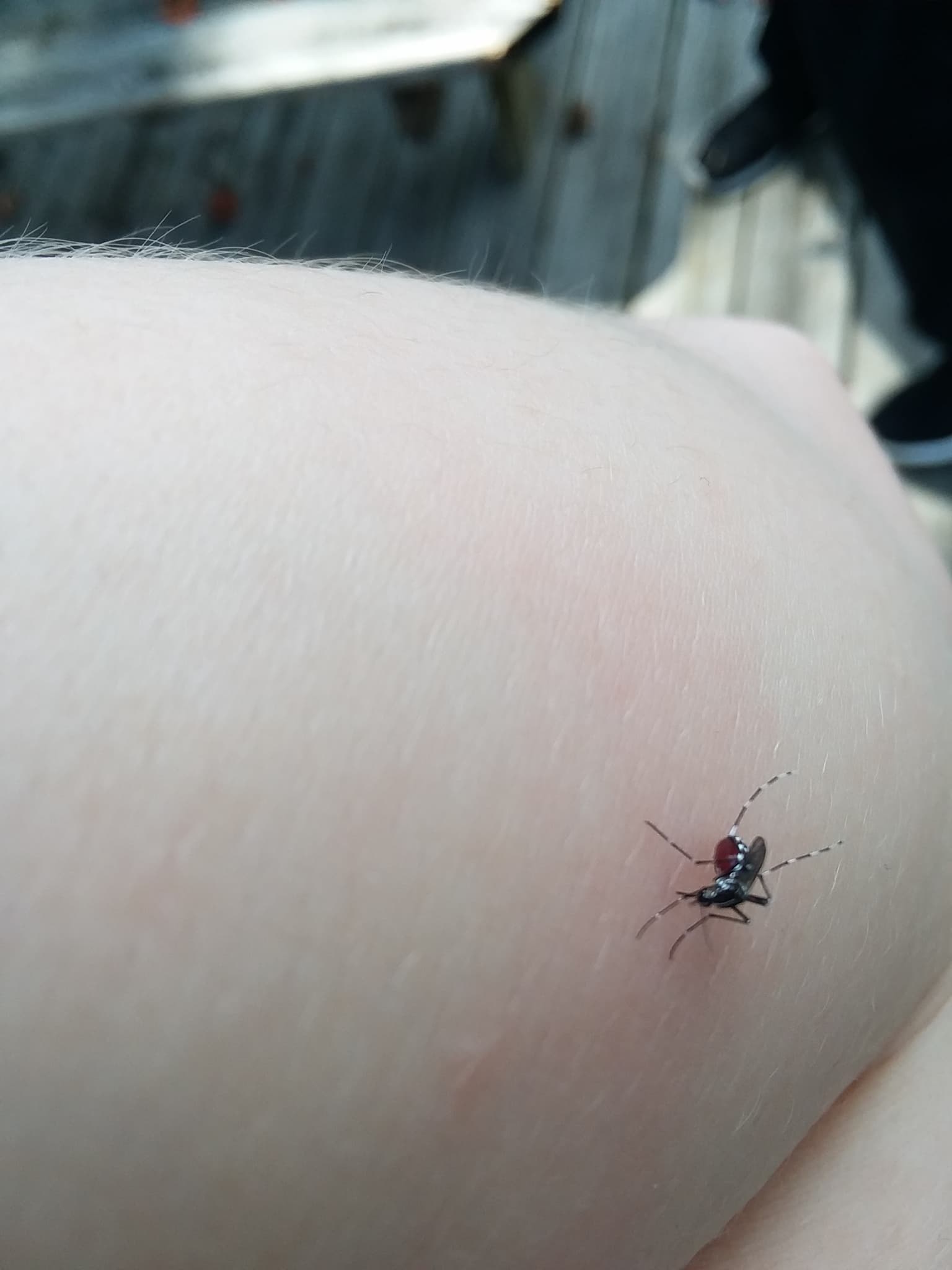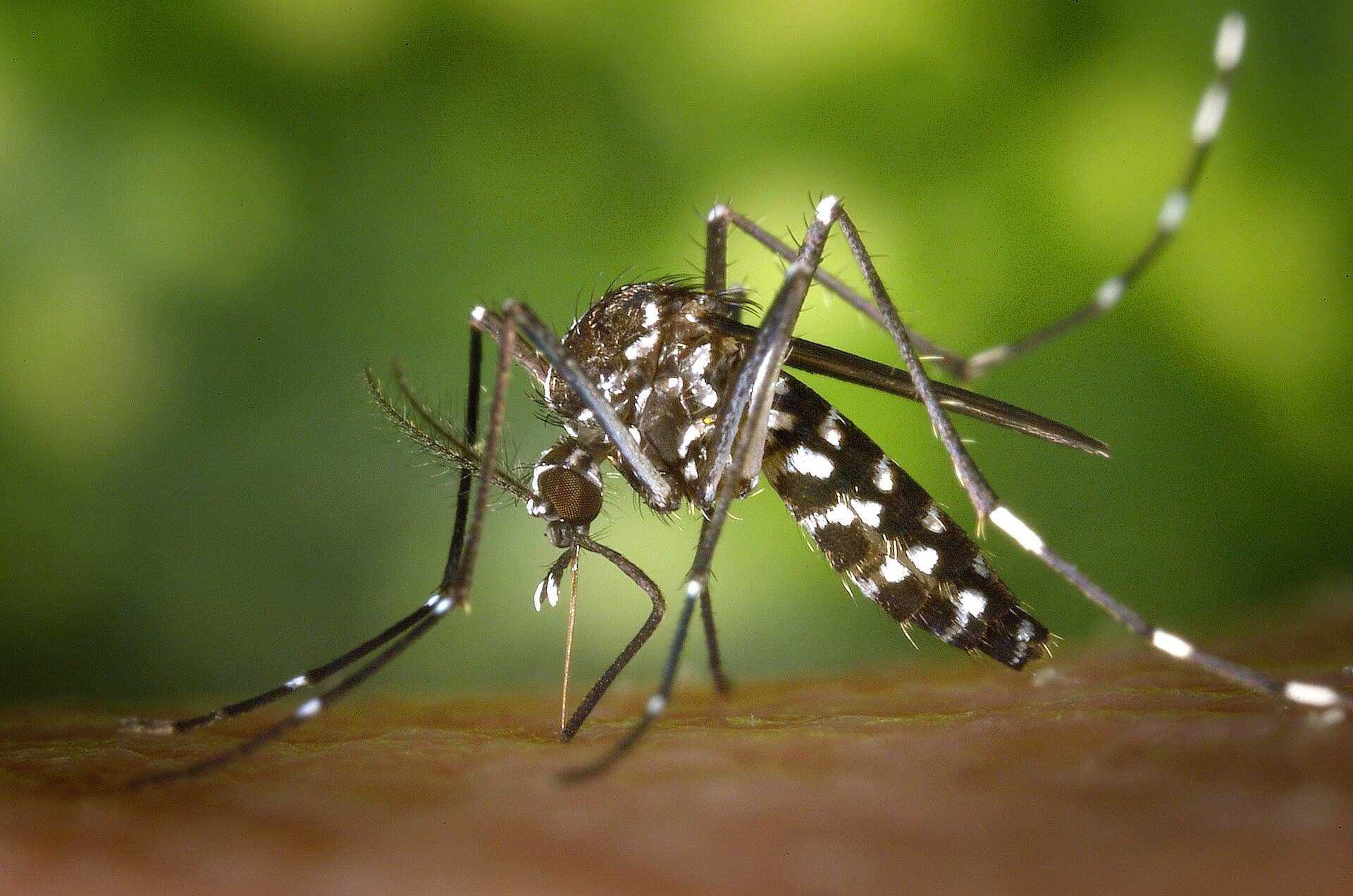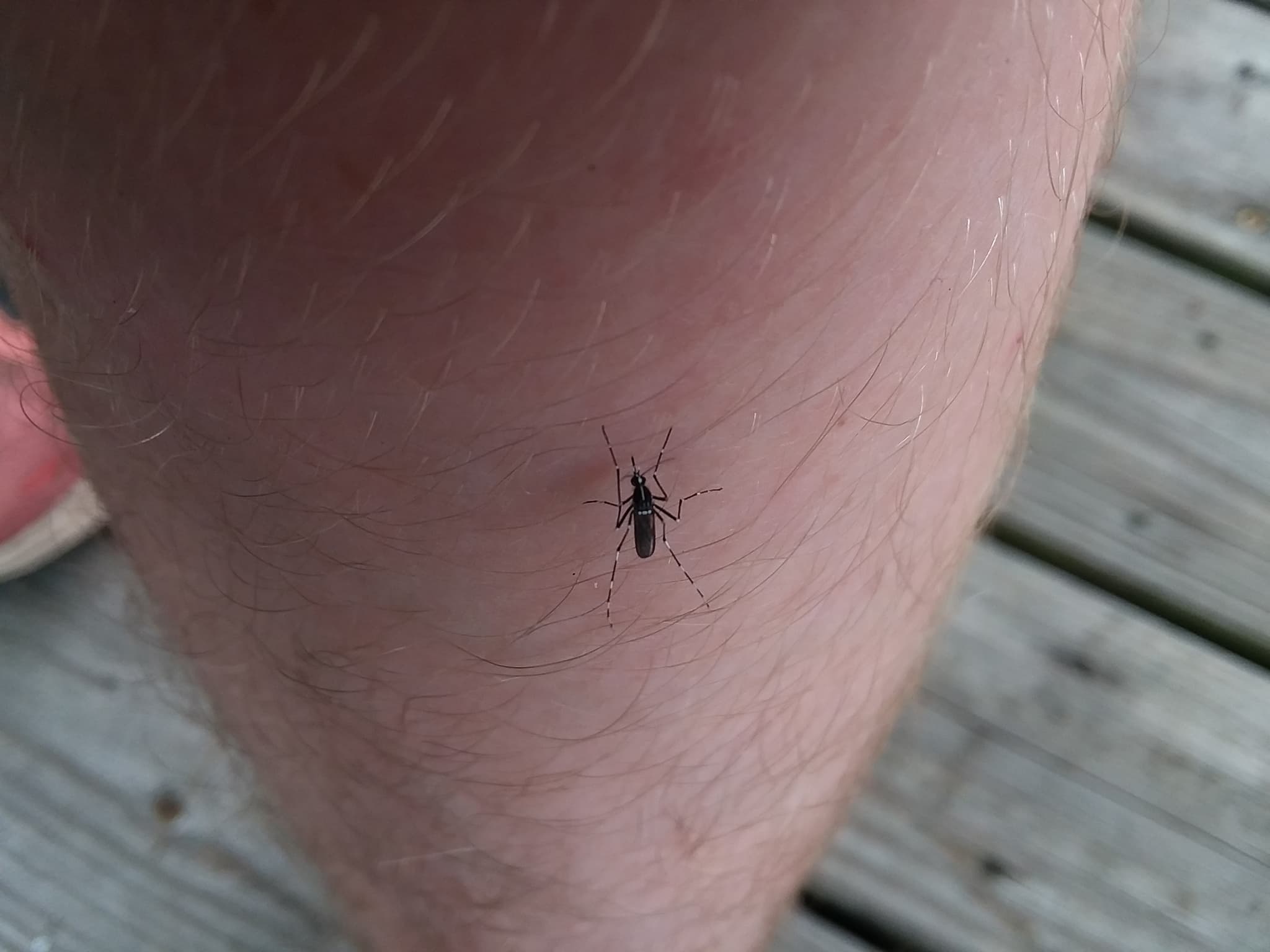
In early July 2026, an indigenous dengue case was confirmed in Sète, in the La Corniche neighbourhood (Hérault). The patient, who had not travelled to a tropical area in the previous two weeks, was taken in for treatment and is in a stable condition. The Occitanie Regional Health Agency (ARS Occitanie) immediately triggered the national vector-control protocol: entomological investigation, targeted mosquito control by the public operator Alisée within a 150 to 200-metre radius around the home and the places frequented, and enhanced medical surveillance to detect any secondary cases. This episode comes after a record 2025 season in mainland France, while the tiger mosquito (Aedes albopictus) is now established in 83 of the 96 metropolitan departments. Here is what this event changes for the Mediterranean coast, and the concrete steps that actually lower the risk around your home.
Indigenous dengue: what we are actually talking about
An indigenous case is a person infected in mainland France, with no recent stay in a region where the virus usually circulates (Caribbean, Latin America, Southeast Asia, Indian Ocean, East Africa). It is the key indicator that worries health authorities: it proves that a local tiger mosquito bit an infected person — often a returning traveller — and then transmitted the virus to other people within a radius of a few hundred metres.
Dengue is an arboviral disease transmitted by Aedes mosquitoes (mainly Aedes aegypti in tropical areas, Aedes albopictus in temperate areas). It appears, after an incubation of 3 to 14 days, with:
- a sudden high fever (often above 39 °C);
- intense joint and muscle pain, which gave it the historical nickname "breakbone fever";
- headaches, a skin rash, sometimes nausea;
- and, in severe forms (dengue haemorrhagic fever), bleeding that requires emergency hospitalisation.
The good news: the vast majority of cases are mild and resolve within a week. The bad news: there is no specific treatment, and a second infection with a different serotype significantly increases the risk of severe disease. Which is why it is so important to limit bites and to reduce the local tiger mosquito population around confirmed cases.
Why the Sète case is a warning signal for the whole Mediterranean arc
Several factors make this episode a point of alert for the entire French Mediterranean coast, not just the Hérault.
The tiger mosquito is now heavily established in Occitanie
Occitanie is one of the most colonised regions in France. The tiger mosquito has been established for a long time along the coastal strip (Hérault, Gard, Aude, Pyrénées-Orientales) and keeps pushing inland year after year. Sète, a fishing port and seaside resort on the Étang de Thau, displays a classic risk profile: seasonal population density, gardens with terraces, marinas, brackish-water basins nearby, and permanent international tourist flows. All the ingredients of a summer cluster.
The 2025 season was the worst ever recorded
The 2025 review by Santé publique France shows a historic record of indigenous cases in mainland France: 809 chikungunya cases and several dozen dengue cases, with a massive concentration in Provence-Alpes-Côte d'Azur (450 indigenous chikungunya cases and 16 dengue cases in that region alone). The PACA region had already paid the highest price in 2025, with three clusters identified in Antibes, Fréjus and Vitrolles in the Bouches-du-Rhône, where 47 chikungunya cases had been reported in the Ferme de Croze neighbourhood alone. It is this record level that led the Ministry of Health to reactivate, as of 1 May 2026, the national enhanced-surveillance scheme until 30 November 2026.
Weather conditions are highly favourable to the tiger mosquito
Summer 2026 on the Mediterranean arc combines high overnight temperatures, persistent morning humidity and thundery spells alternating with strong heat — a perfect cocktail for the tiger mosquito, whose egg-to-adult cycle speeds up to 7-10 days instead of 14 in a cooler year, and whose adult lifespan lengthens, mechanically increasing the number of bites per female.
How ARS Occitanie and mosquito-control operators responded
The Occitanie ARS, together with Santé publique France and the Hérault prefecture, triggered the national vector-control protocol around the Sète case. This protocol is strictly framed by the ministerial instruction of 23 December 2019 and its 2025 updates.
The action chain
- Mandatory reporting: any doctor diagnosing a dengue, chikungunya or Zika — imported or indigenous — must report it without delay to the ARS, which pilots the follow-up.
- Entomological investigation: authorised agents visit the home and the places frequented by the patient (work, shops, transport, market, port) to confirm tiger mosquito presence, collect larvae and assess the risk of secondary transmission.
- Targeted mosquito control: if the mosquito is present, a vector-control treatment is implemented within a 150 to 200-metre radius of the cases. It combines a larvicide (Bti, Bacillus thuringiensis israelensis) on non-removable breeding sites, and an adulticide through ultra-low-volume fogging in the evening, when the tiger mosquito is active.
- Public information: a flyer is distributed in the perimeter, with the prevention steps to apply immediately and the course of action in case of fever within 14 days.
The role of Alisée, the public mosquito-control operator
In Occitanie, the approved operator is Alisée (Action de Lutte contre les Insectes et Sauvegarde de l'Environnement par des Solutions Écologiques), which operates on behalf of the ARS and the local authorities. Alisée is distinctive in favouring mechanical and biological eradication methods over chemical adulticides, which limits the impact on pollinators and the coastal environment. Adulticide fogging is only triggered when a proven risk of transmission chain exists.