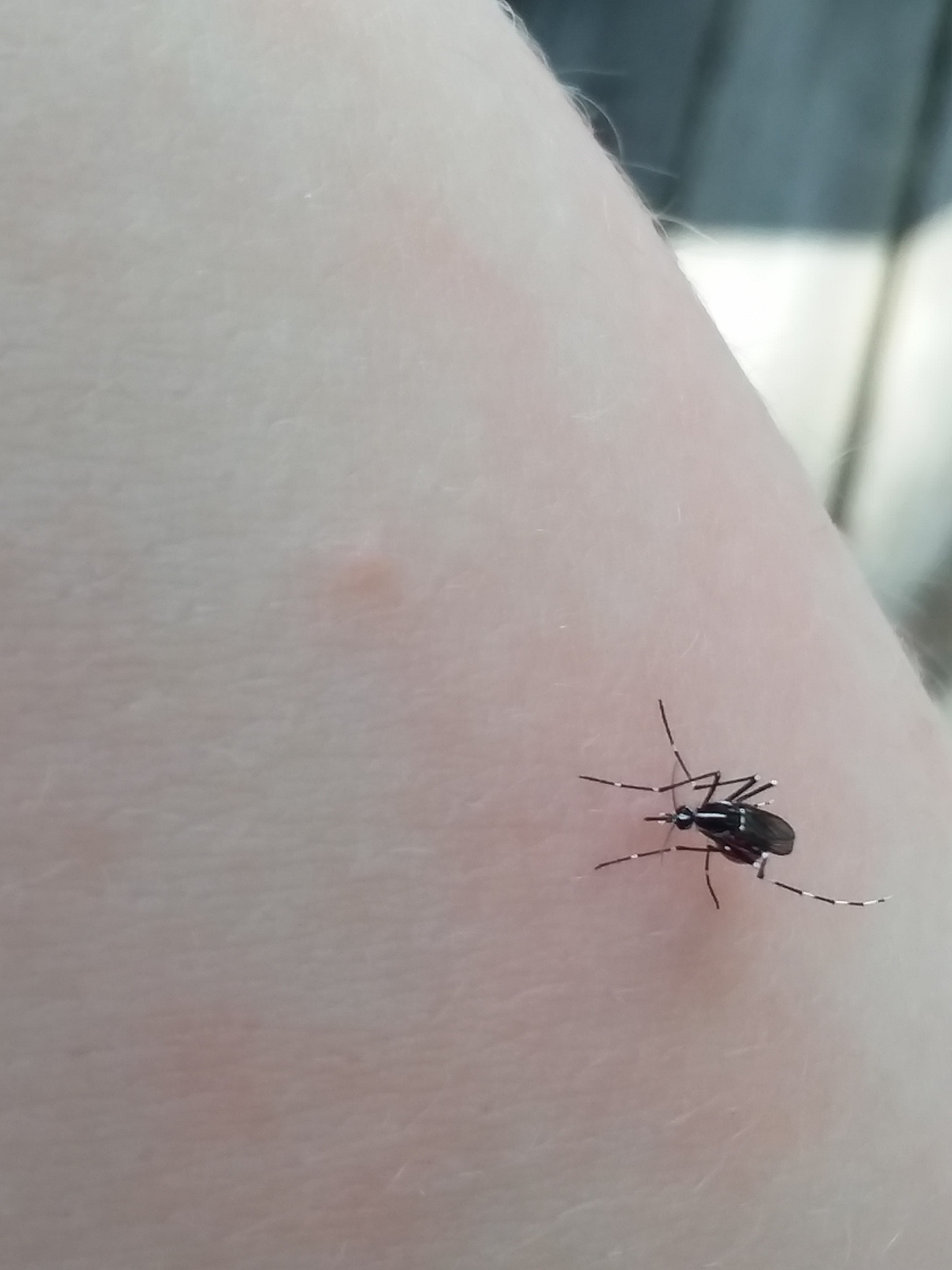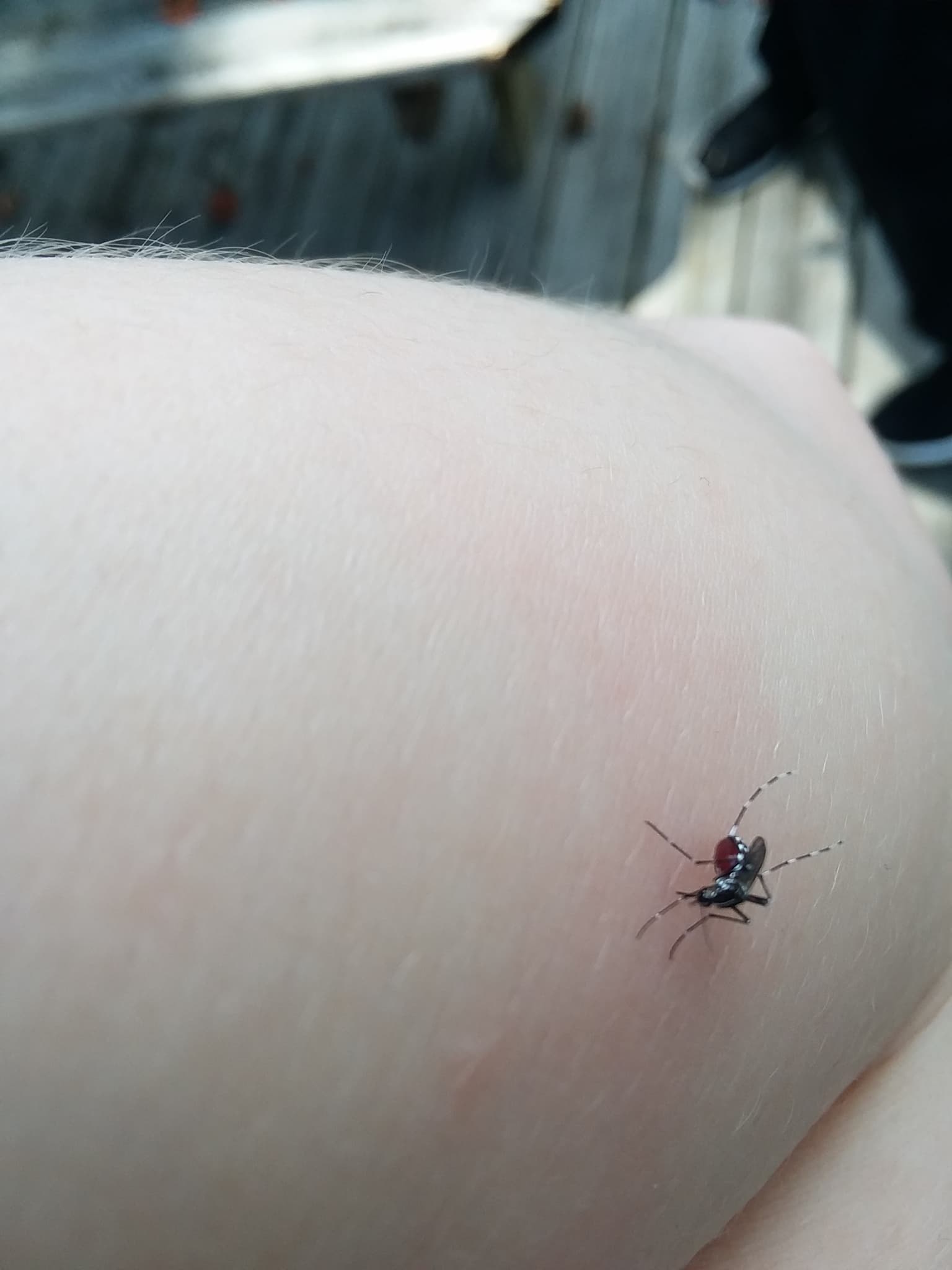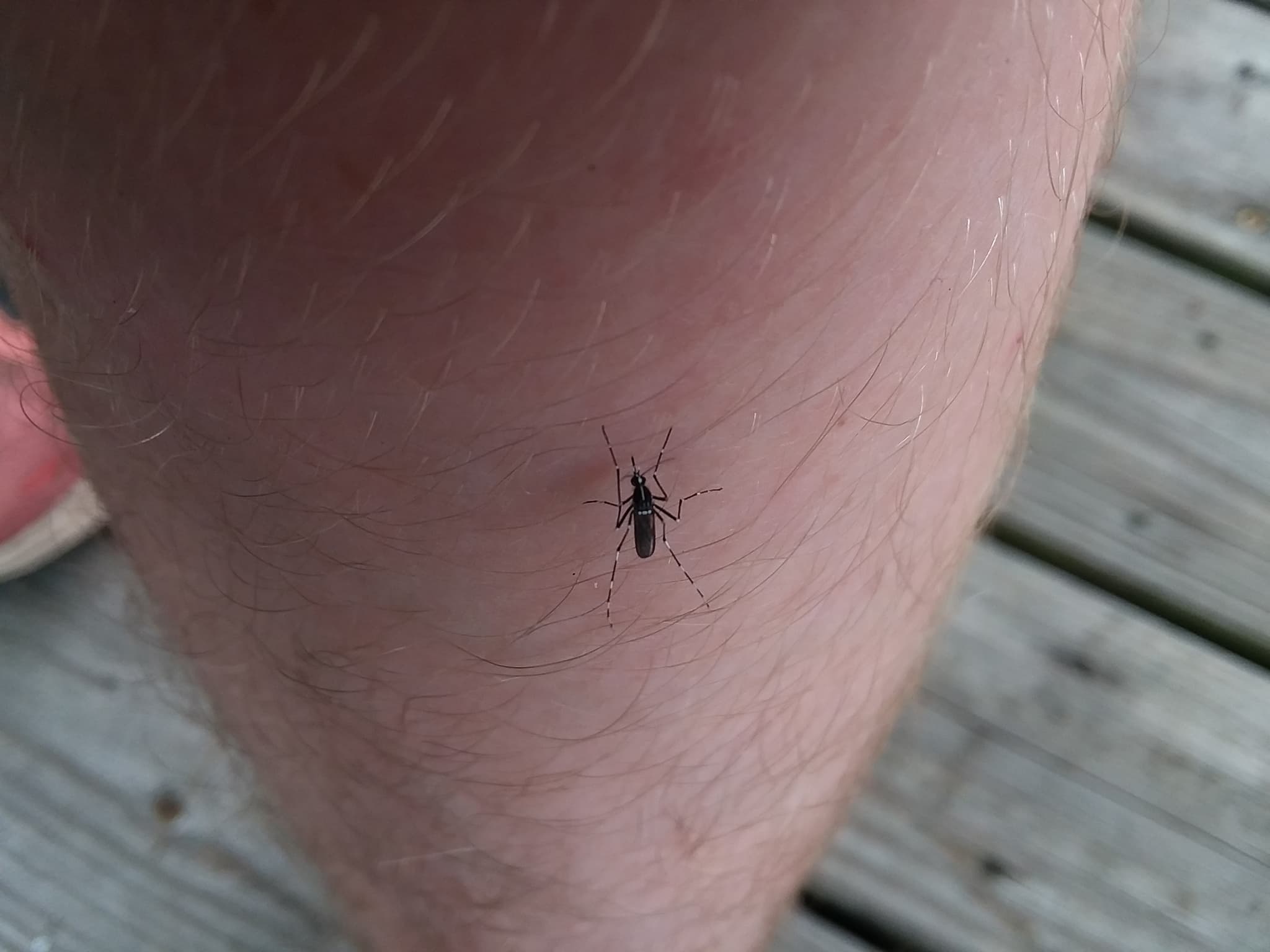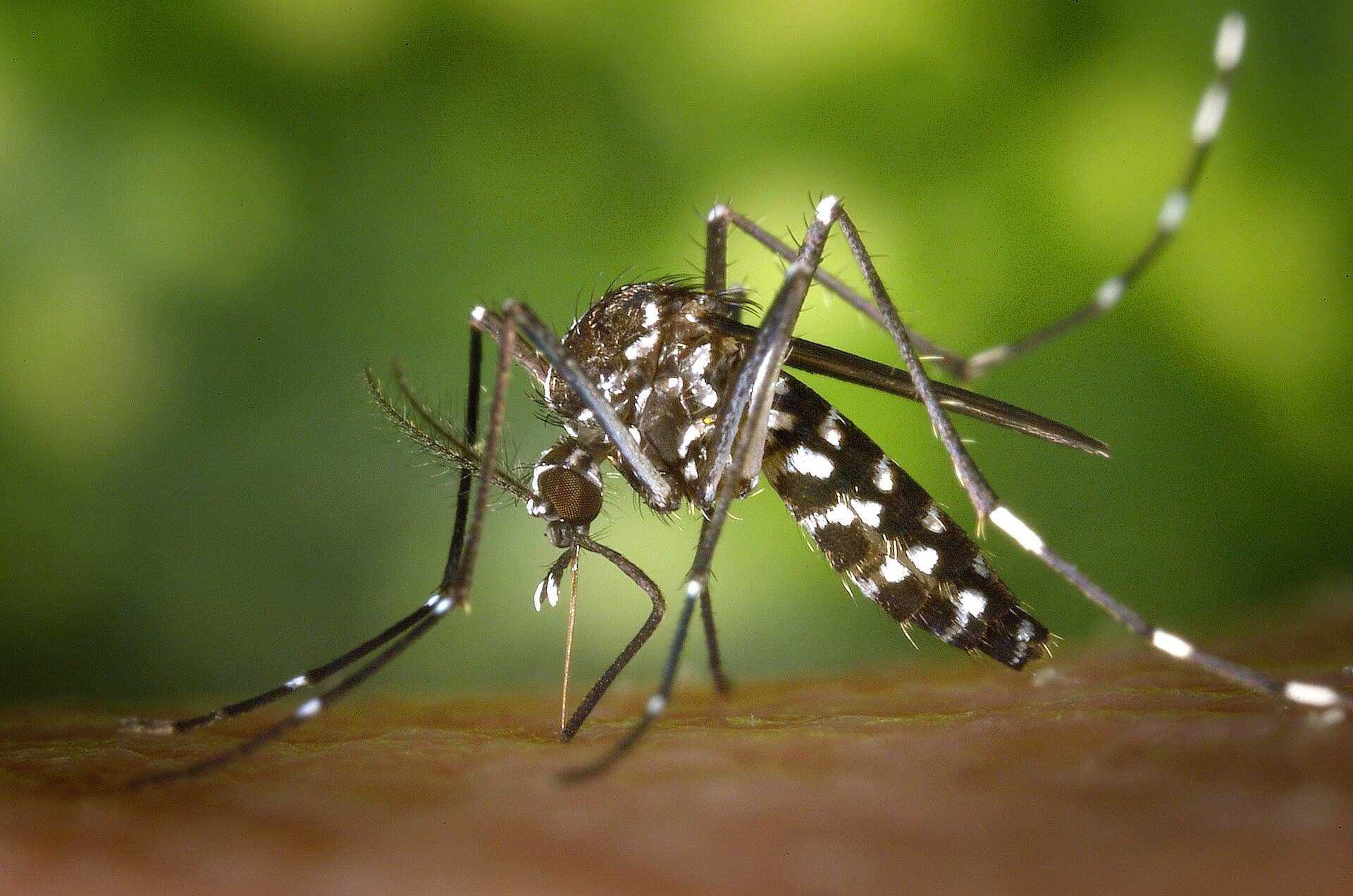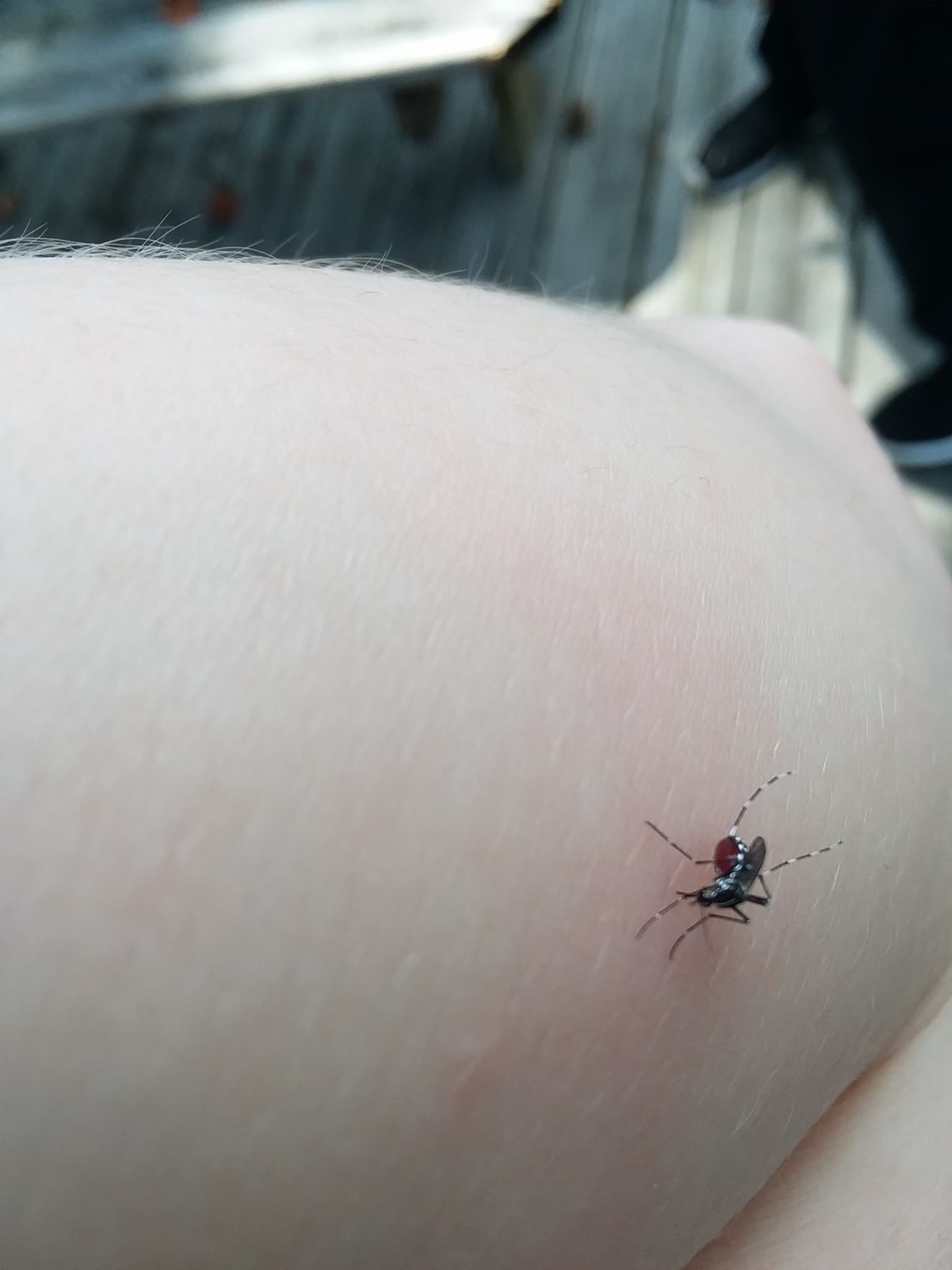
In mid-July 2026, the ARS Auvergne-Rhône-Alpes and Santé publique France confirmed a first indigenous dengue cluster in the Lyon metropolitan area, after identifying an index case who had not travelled to a tropical area in the previous fifteen days. A targeted mosquito-control operation was triggered within a 150 to 200-metre radius around the patient's home and the places they frequent, combined with a door-to-door entomological survey carried out by the operators of Fredon Auvergne-Rhône-Alpes. The episode comes after a 2025 season that was already a record for the region (347 imported cases including 177 chikungunya and 168 dengue, and 6 indigenous chikungunya clusters) and at a time when 80% of the population of Auvergne-Rhône-Alpes is now exposed to the tiger mosquito. Here is what this episode changes for Lyon and the surrounding area, and the concrete actions that will reduce the risk around your home.
Indigenous dengue case: what exactly are we talking about
An indigenous case refers to a person infected in metropolitan France, with no recent stay in an area where the virus usually circulates (the Caribbean, Latin America, South-East Asia, the Indian Ocean, East Africa). It is the key indicator worrying health authorities: it proves that the local tiger mosquito has bitten an infected person — often a returning traveller — and then transmitted the virus to other people within a radius of a few hundred metres.
Dengue is an arboviral disease transmitted by Aedes mosquitoes (mainly Aedes aegypti in tropical areas, Aedes albopictus in temperate areas). It appears, after an incubation of 3 to 14 days, as:
- a sudden high fever (often above 39 °C);
- intense joint and muscle pain, hence the historical nickname "breakbone fever";
- headaches, a skin rash, sometimes nausea;
- and, in severe forms (dengue haemorrhagic fever), bleeding that requires emergency hospitalisation.
The good news: the vast majority of cases are mild and clear up in a week. The bad news: there is no specific treatment, and a second infection with a different serotype significantly increases the risk of severe disease. Hence the importance of limiting bites and reducing the local tiger mosquito population around confirmed cases.
Lyon, first indigenous cluster of summer 2026 in Auvergne-Rhône-Alpes
The ARS Auvergne-Rhône-Alpes confirmed, in a press release published in mid-July 2026, the identification of an indigenous dengue case in the Lyon metropolitan area. The patient, who had not travelled to a tropical area in the previous fifteen days, was treated and is in a stable condition. The transmission cluster remains geographically limited for now, but the ARS points out that the risk of an indigenous transmission chain is now real and lasting in the region, and that a summer cluster cannot be ruled out.
The role of Fredon Auvergne-Rhône-Alpes
Unlike on the Mediterranean coast, where the public mosquito-control operator is Alisée (Occitanie) or EID Méditerranée (PACA), in Auvergne-Rhône-Alpes it is Fredon Auvergne-Rhône-Alpes (Fédération Régionale de Défense contre les Organismes Nuisibles) that leads, on behalf of the ARS and the local authorities, the entomological surveys, the placement of sentinel ovitraps, resident information and vector-control treatments. Fredon operates using methods that prioritise the mechanical removal of breeding sites and the Bti larvicide (Bacillus thuringiensis israelensis) before any adulticide application.
The action chain
- Mandatory reporting: any physician who diagnoses dengue, chikungunya or Zika — imported or indigenous — must report it without delay to the ARS via the national reporting portal.
- Door-to-door entomological survey: authorised Fredon agents go around the patient's home and the places they frequent (work, shops, market, public transport — the TCL network) to spot the presence of the tiger mosquito, collect larvae and assess the risk of secondary transmission.
- Targeted mosquito control: if the mosquito is present, a vector-control treatment is carried out within a 150 to 200-metre radius around the cases. It combines a larvicide (Bti) on non-removable breeding sites, and an adulticide by ultra-low-volume fogging, in the evening, when the tiger mosquito is active.
- Resident information: a flyer is distributed within the perimeter, with the prevention actions to apply immediately and the steps to take in case of fever within 14 days.
Why this cluster is a warning for the whole of Auvergne-Rhône-Alpes
Several elements make this episode a warning point for the whole of the region, not just for Lyon.
The tiger mosquito is now massively established in the region
According to the ARS Auvergne-Rhône-Alpes, 1,328 communes were colonised by the tiger mosquito in 2025 (compared with 1,192 in 2024), representing 80% of the regional population exposed across the 12 departments. The progression is continuous, from the Rhône and the Lyon metropolitan area to Isère, Ain, Drôme, Loire, Savoie and Haute-Savoie. The 2026 colonisation map published by the Ministry of Health now includes all departments in the region, except for the highest altitude plateaus.
The 2025 season was the worst ever recorded in ARA
The 2025 assessment shows a historic record for the region: 347 imported cases (177 chikungunya, 168 dengue, 2 Zika) and 6 indigenous chikungunya transmission clusters totalling 51 cases plus 2 isolated cases, as well as 2 indigenous dengue clusters (4 cases) in the Rhône, Isère, Savoie, Loire, Ain and Drôme departments. The Rhône and Isère concentrated the bulk of the cases and clusters. It is this record level that justifies the heightened attention being given to the July 2026 Lyon cluster.
Weather conditions very favourable to the tiger mosquito
Summer 2026 in the region combines high night-time temperatures in urban areas (the Lyon urban heat island), persistent morning humidity along the Rhône and Saône, and stormy episodes interspersed with heatwaves — a perfect cocktail for the tiger mosquito, whose egg-to-adult cycle accelerates to 7-10 days instead of 14 in a cooler year, and whose adult lifespan lengthens, mechanically increasing the number of bites per female.