Ants in the House: How to Eliminate an Indoor Ant Colony

L'équipe AntinuisiblePro · Published on September 3, 2026 · 7 min read
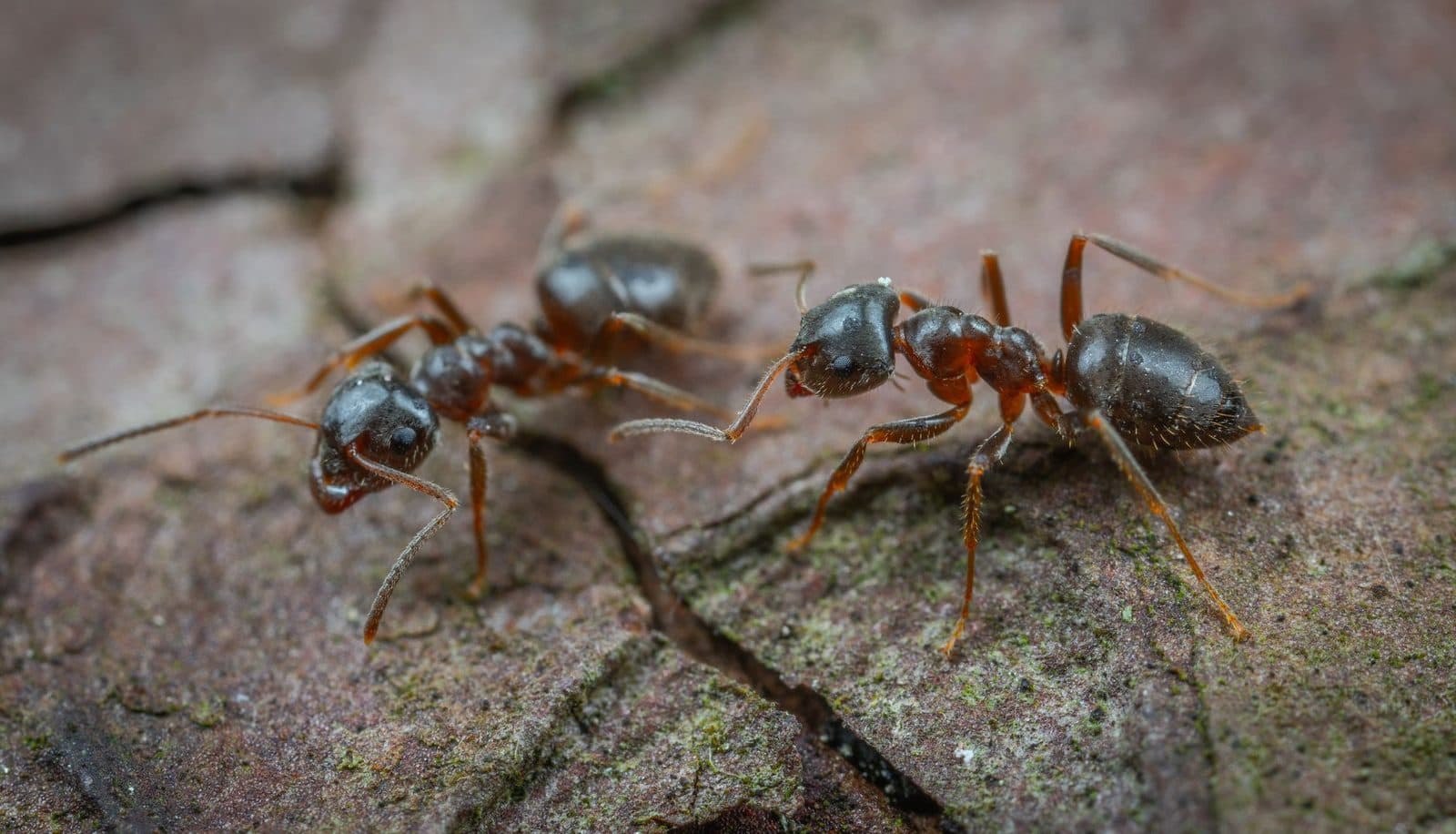
Two brown ants walking on the bark of a tree.

Introduction: When a Simple "Visit" Becomes a Permanent Installation

It's a classic late-summer scenario: you notice a few ants near the honey jar or on the windowsill. You clean up, set a trap, and for a few days, peace returns. Then, suddenly, they reappear in numbers—not just in the kitchen, but in the bathroom, behind the living room baseboards, or even in the bedrooms.

At this stage, you are no longer dealing with "scouts" coming from the garden on a one-time mission, but with an established colony. The difference is fundamental. An isolated ant is a symptom; an ant nest in the walls is a building pathology. Ants don't settle in your home by chance: they have found a stable environment, a constant food source, and, above all, a point of moisture or a structural crack that serves as a refuge.

The most common mistake is to spray a contact insecticide on the workers you see circulating. It's like trying to empty a swimming pool with a teaspoon: you kill a few individuals, but the queen, protected at the heart of the nest, accelerates egg production to compensate for the losses. To get rid of them, you must move from a "cleaning" strategy to a "targeted extermination" strategy.
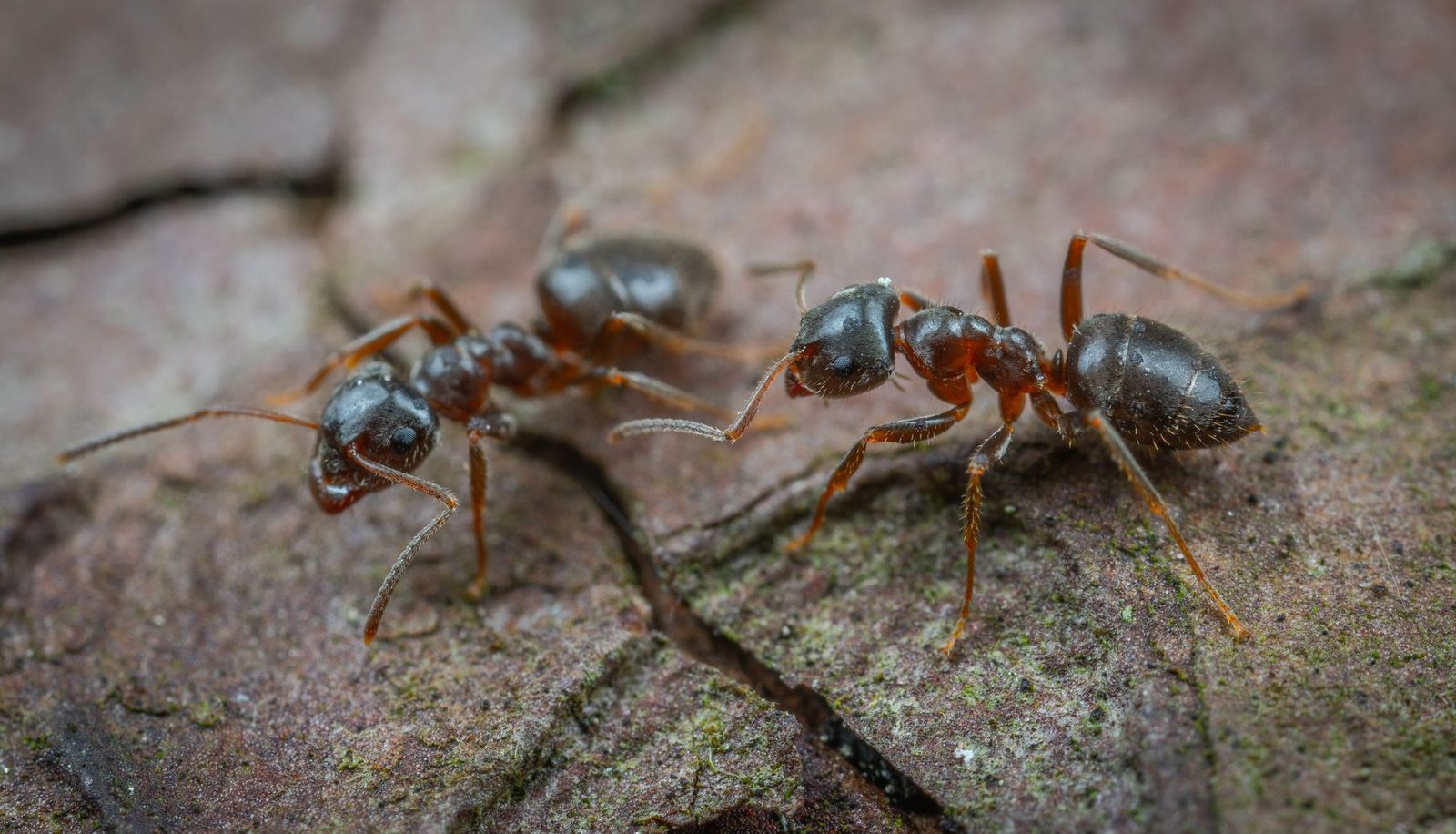
Two brown ants walking on the bark of a tree.

Identifying the Nest: Following the Trail to Strike the Heart

Before bringing out the heavy artillery, you must locate the nerve center of the infestation. Ants communicate via pheromones, leaving invisible chemical trails that other workers follow blindly.

Unmistakable Signs

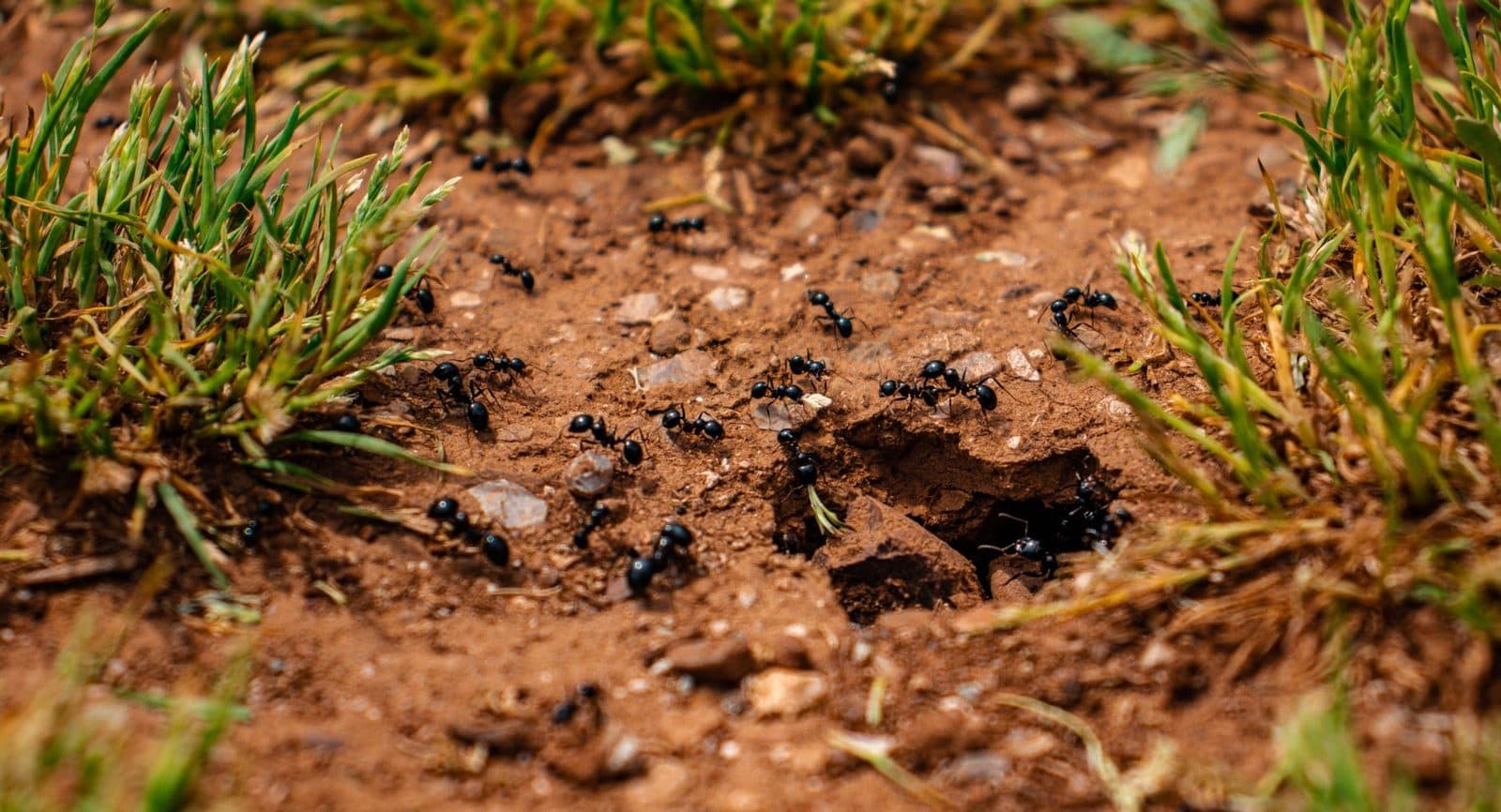
  • Organized Columns: If you see lines of ants consistently converging toward the same point (a crack in the wall, the space under a built-in cabinet), that is where the nest entrance is located.
  • Mysterious "Sand": Small piles of soil or organic debris that suddenly appear on your floors or in your window frames are signs of excavation work. Ants push the nest waste outward.
  • Noise (rare but possible): In cases of massive infestations, particularly with certain species of carpenter ants, you can sometimes hear a slight rustling in the drywall.

The Marking Technique

To confirm the location, place a highly attractive bait (a drop of syrup or a piece of fruit) at a strategic location. Observe the return flow. The point where they disappear into the building's structure is your primary target. This is precisely where the treatment must be concentrated to be effective.

Eradication Strategies: Why Slow Poison Always Wins

To destroy an ant nest, the poison must reach the queen. However, the queen never leaves. The only way to reach her is to use the workers as transport vectors. This is the principle of trophallaxis (the sharing of food between individuals).

Bait Gel: The Ultimate Weapon

The most effective product today is insecticide gel. Unlike sprays, the gel is designed to be transported. The worker consumes the product, brings it back to the nest, and regurgitates it to feed the colony and the queen. Death is slow, which allows time for the poison to spread widely.

Product TypeMode of ActionNest EffectivenessRisk
Insecticide SprayImmediate ContactVery Low (kills only workers)Toxic Evaporation
Powder / Diatomaceous EarthDesiccation / MechanicalMedium (physical barrier)Volatile Dust
Bait GelIngestion and TransportVery High (targets the queen)Low if placed correctly

To optimize the effect, it is advisable to use a discreet gel dispenser to prevent pets from touching it. Once the gel is placed, do not kill the ants you see. Let them do the work of transporting it to the nest. If you kill them, you cut the poison distribution chain.

Several orange ants walking on a tree branch.

Natural Solutions: Prevention or Treatment?

You often hear about white vinegar, coffee grounds, or lemon to "drive away" ants. Let's be clear: these methods are repellents, not insecticides. They are useful for preventing ants from entering a specific area, but they are totally ineffective for destroying an already established nest.

However, some natural solutions have a lasting protective role. Diatomaceous earth, for example, acts like micro-razors that pierce the insects' shells, causing dehydration. This is an excellent solution for securing entry points (door thresholds, foundation cracks) after treating the nest with gel.

For those who prefer a less chemical approach around the garden perimeter, using repellent plants like mint or lavender can limit the pressure from outdoor colonies. But beware: if the nest is already in your wall, no aromatic plant will dislodge it.

Preventing Recurrence: Making Your Home Hostile

Once the colony is eliminated, the risk is that a new queen, after her nuptial flight, finds your home welcoming. Pest control begins with hygiene and sealing.

1. Remove Food Sources

Ants are opportunistic. A forgotten breadcrumb under the toaster or a drop of jam on a countertop is a powerful signal.

  • Use airtight storage containers for all dry foods.
  • Systematically clean your surfaces with a degreasing product to erase pheromone trails.
  • Empty trash cans daily, especially in summer.

2. Seal Access Points

A "tight" house is a protected house. Inspect your baseboards, window seals, and pipe penetrations. Using silicone sealant or an acrylic joint allows you to close the highways used by insects.

3. Manage Humidity

As we have seen with other pests, ants seek moisture. An invisible water leak behind a sink or infiltration in a wall can turn your partition into a 5-star hotel for insects. Ensure your ventilation is working and your bathroom seals are intact.

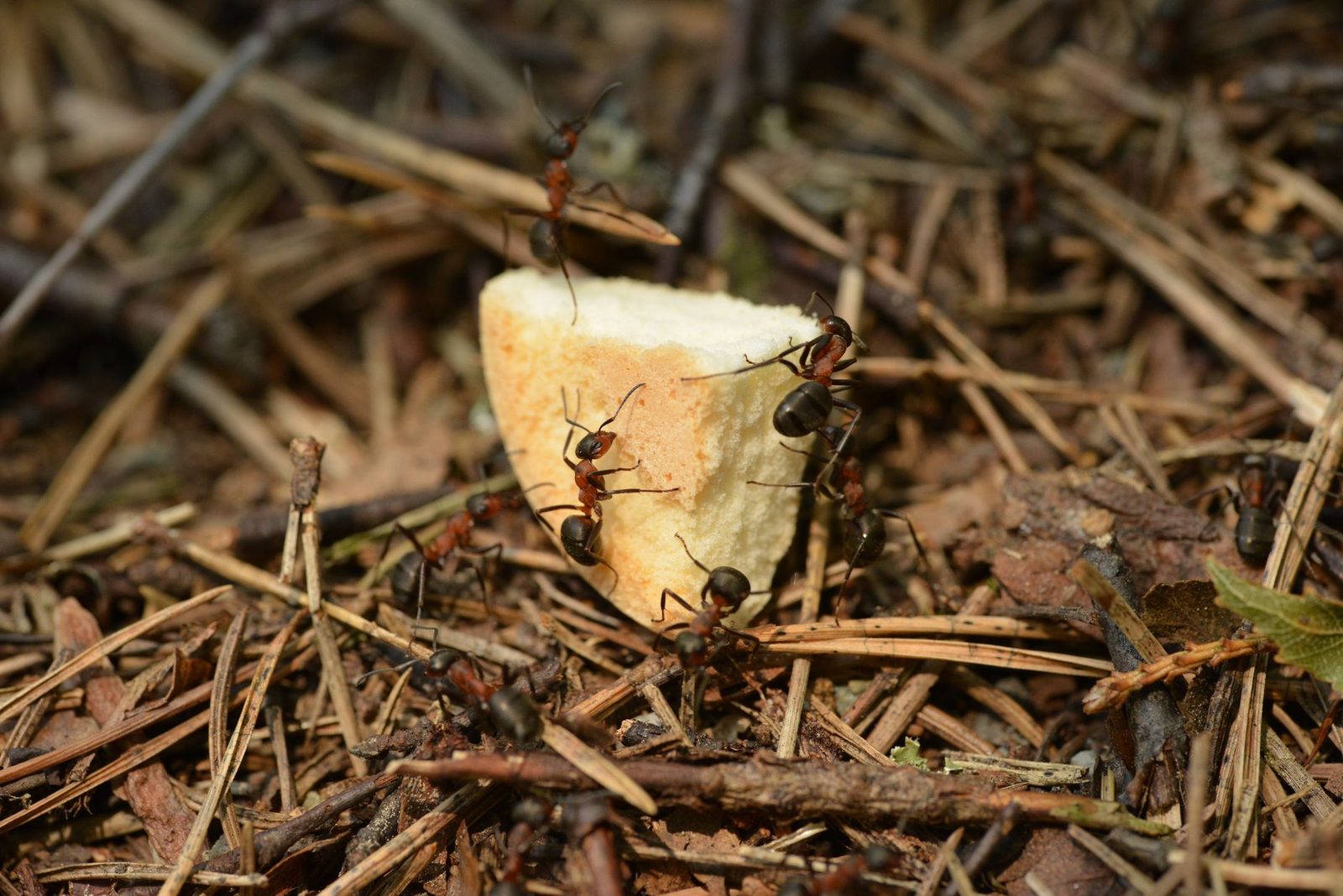
Several red ants on a piece of white bread placed on a forest floor covered in pine needles.

When to Call a Professional?

Sometimes domestic means are insufficient. You should contact a specialized company in the following cases:

  1. Carpenter Ants: Unlike common ants, they dig galleries in wood. Over time, they can weaken the structure of your framing or furniture.
  2. Treatment Failure: If, despite using professional gels, the columns persist after three weeks, the nest may be located in an inaccessible area (thermal insulation, crawl space).
  3. Massive Infestation: When ants invade your electrical appliances (outlets, internet box), they can cause short circuits.

A technician has more precise diagnostic tools and controlled-dosage products, compliant with public health standards, to treat the heart of the problem without endangering the occupants of the home.

Summary for Quick Action

To ensure nothing is forgotten, here is the chronological procedure:

  • Step 1: Observation. Do not kill the ants; follow them to find the nest entry point.
  • Step 2: Baiting. Place a specific insecticide gel at transit points. Let the workers transport the poison.
  • Step 3: Patience. Wait 7 to 14 days without intervening so the queen is affected.
  • Step 4: Sealing. Seal cracks and clean surfaces to remove chemical traces.
  • Step 5: Vigilance. Monitor damp areas and maintain strict hygiene for sugary foods.

By treating the cause (the nest) rather than the symptom (the workers), you transform an exhausting struggle into a lasting solution for your home.

A pest problem?

Our experts act fast and for good. Request a free assessment.

Request a free quoteOur services

Back to the blog

CallFree quote