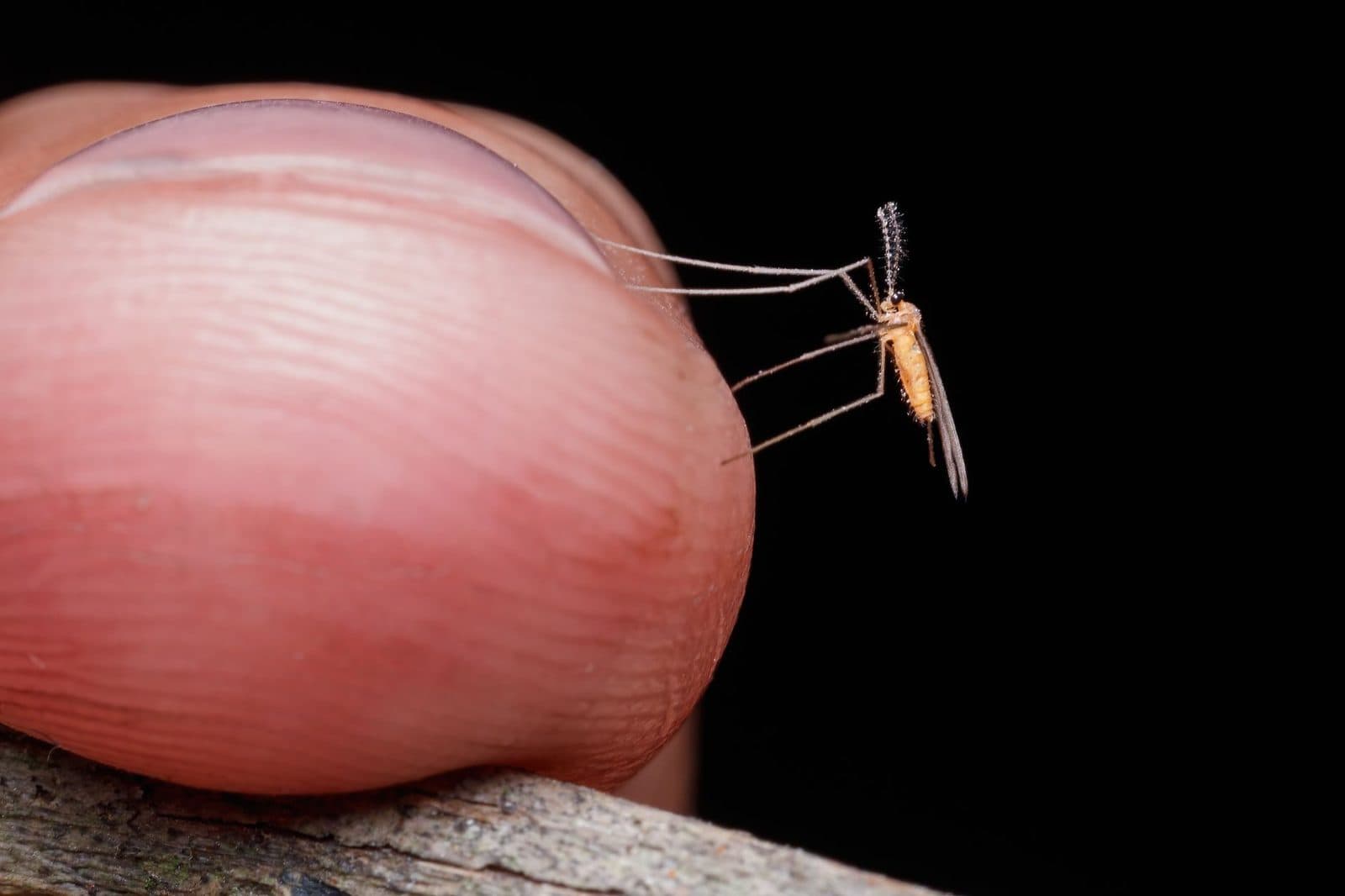
Introduction: the little beige moth that appears at night
It usually shows up after dinner, while the extractor hood light is still on. A tiny moth, less than 10 mm, greyish-beige with the outer third of its wings a coppery colour, flying badly, in zigzags, before landing in the corner of a wall or on the kitchen ceiling. You squash it and think no more of it. Three weeks later, there are five. A month on, you find silken threads in a bag of semolina that's been open since the summer.
This insect has a name: the Indianmeal moth (Plodia interpunctella), by far the most common of the "pantry moths" in mainland France. It shares cupboards with the Mediterranean flour moth (Ephestia kuehniella), the dried fruit moth (also a Plodia, and often confused with it), and with beetles that don't fly, such as the rice weevil (Sitophilus oryzae), the mealworm beetle, and the dermestid beetle found in fatty foods.
What all of them have in common: they almost never come in through the window. They enter the home inside a packet, bought in a shop, already carrying eggs invisible to the naked eye. It is a "passive" infestation, and that is precisely why treating it with insecticide is both ineffective and unnecessary.
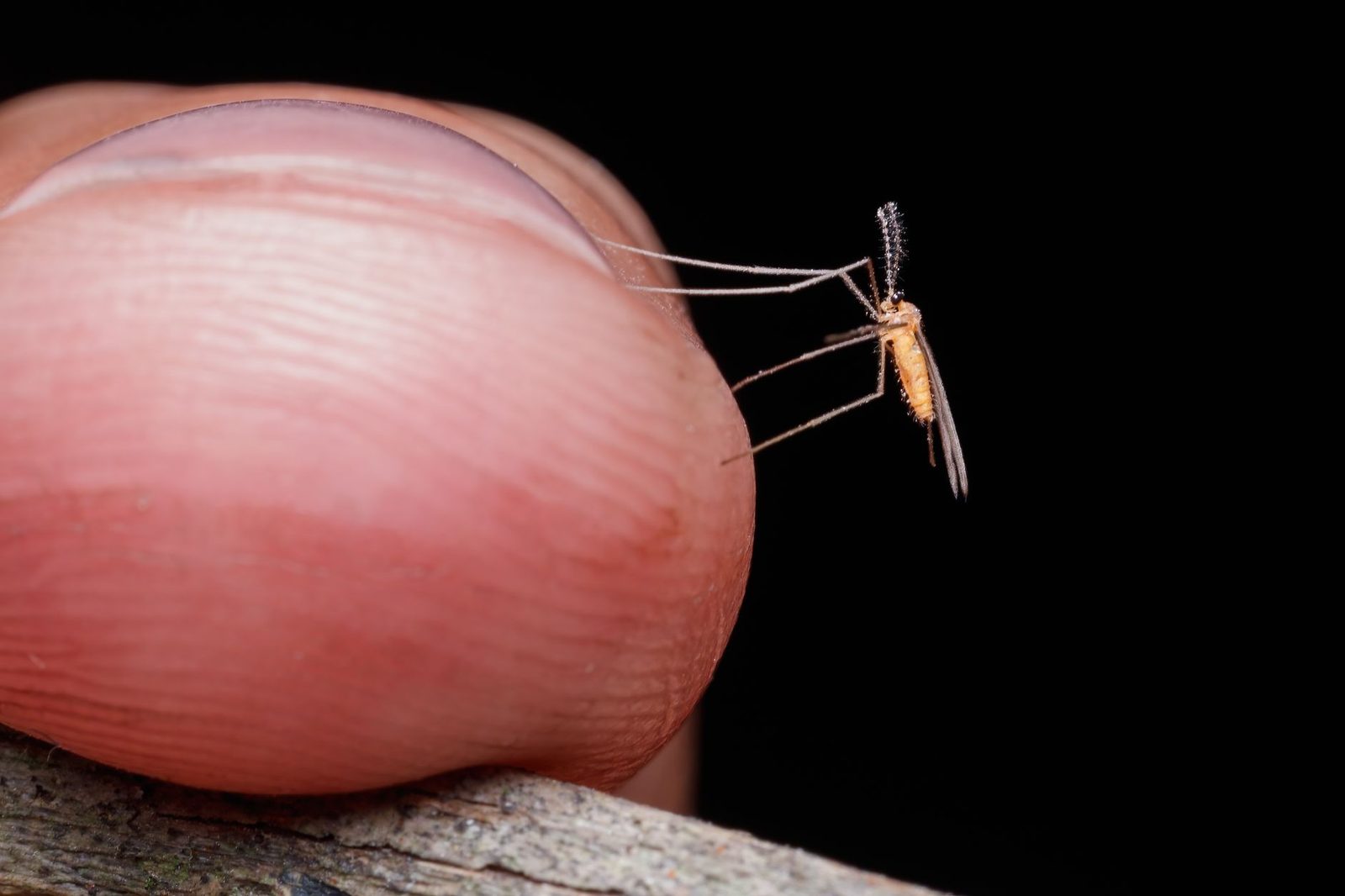
Why October and November see the most reports
The life cycle reaches its end at the worst possible moment
The development of Plodia interpunctella depends directly on temperature. At 30 °C, a full cycle (egg → larva → pupa → adult) takes about four weeks. At 20 °C, it takes two to three months. In other words: eggs laid in a packet bought in July, left in a warm cupboard all summer, produce their first visible generation of adults in September or October, followed by a second wave shortly after.
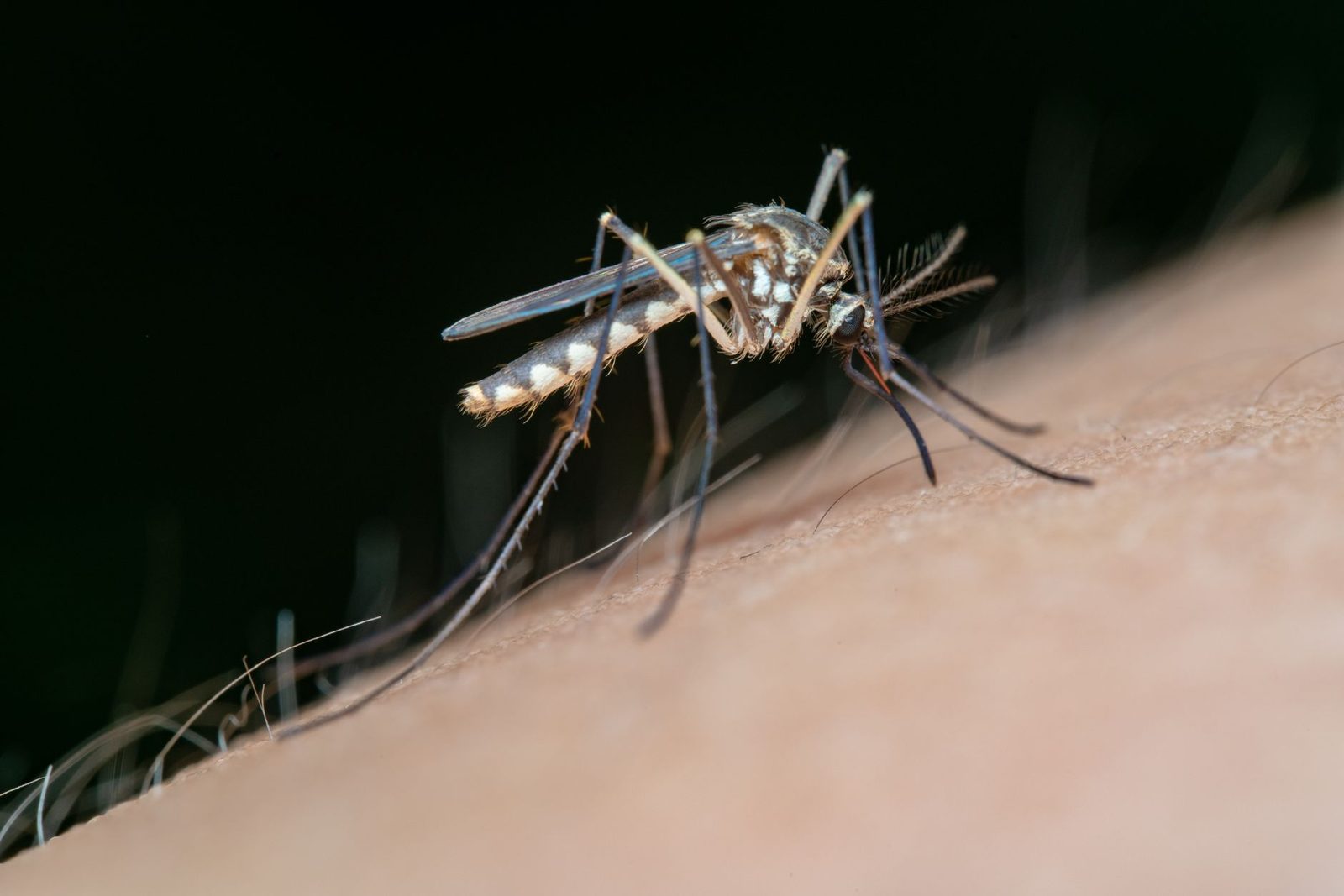
The summer of 2026, like those before it, brought prolonged spells of heat. A kitchen sitting at 28 °C for six weeks mechanically speeds up every cycle. It's no coincidence that pest control professionals are reporting a general rise in call-outs: high temperatures shorten the cycles of virtually all household arthropods, from cockroaches to moths to mosquitoes.
Cupboards fill up in autumn
A second, very concrete factor: we store more in autumn. Back to school, bulk shopping, dried fruit and flour for baking season, bags of foraged walnuts or hazelnuts, 12 kg sacks of pet kibble, seed for garden birds. Every new package is a lottery ticket, and the greater the volume, the higher the chance of bringing in a contaminated one.
The heating goes on
Third factor: from mid-October onwards, heating pushes the ambient temperature to a constant 19–21 °C, night included. Where winter once sharply slowed populations down, a well-insulated modern home offers a near-tropical, year-round climate. Pantry moths no longer have a dormant season in a heated flat.
Identification: what exactly is eating your supplies?
| Sign observed | Likely species | What it means |
|---|---|---|
| Moth 8–10 mm, two-tone wings (pale grey / copper) | Indianmeal moth (Plodia interpunctella) | Source is a dry sugary or starchy product |
| Uniformly grey moth, 10–14 mm | Mediterranean flour moth (Ephestia kuehniella) | Flour, pasta, semolina |
| Silken threads, clumped masses in a packet | Moth larvae | The packet is the source: throw it out |
| Small cream-white caterpillars with brown heads, on walls and ceilings | Migrating larvae about to pupate | The infestation has been established for 4 to 8 weeks |
| Small brown beetles 2–3 mm, elongated snout, in the rice | Rice weevil (Sitophilus oryzae) | Perforated grains, development inside the grain |
| Moth 6–8 mm in a wardrobe, holes in wool | Clothes moth (Tineola bisselliella) | Unrelated: different species, different treatment |
That last row deserves a pause. Confusing pantry moths with clothes moths is the number one reason home treatments fail. The two insects don't eat the same things, don't breed in the same places and don't respond to the same traps. A pheromone trap sold for clothes moths will catch no Indianmeal moths at all, and vice versa: sex pheromones are species-specific.
The giveaway sign: silk threads
Moth larvae spin constantly. Open an infested packet of oat flakes and you'll see the flakes stuck together in a silken web, sometimes a compact crust at the bottom of the bag, very fine black droppings and translucent shed skins. A packet that "sticks" or whose contents form clumps is an infested packet, even if you can't see a single live larva.
Mistake number one: treating where there's nothing
When you spot moths flying around the living room, the reflex is to spray insecticide into the room. It is the least useful action of all, for three reasons.
- Adults barely feed at all and live one to two weeks. They are only the visible part: by the time they're flying, they have already laid. A single female deposits 100 to 400 eggs.
- The source is elsewhere, in one specific packet, often at the back of a cupboard, behind a box you never move.
- You're spraying a biocide right next to food, something ANSES and product safety data sheets formally advise against in food preparation areas.
The rule in the fight against stored-product pests is always the same: you don't treat the insect, you remove the resource. With no accessible food, the population dies out on its own within a few weeks.
The five-step clean-out protocol
Step 1 — Empty everything, no exceptions
No partial sorting. Take everything out: opened packets, sealed packets, boxes, jars, spice sachets, teas, herbal infusions, pet kibble, bird seed, pasta, chocolate, dried fruit, flours, yeast. Pantry moths also develop in cocoa, nuts, dried pasta and, very often, in pet food — a bag of kibble or budgie seed forgotten in the utility room is a classic source that nobody ever inspects.
Step 2 — Inspect under good light
Every packet, one by one, under a lamp. Look for: silken threads, clumps, unusual fine powder, small holes in the packaging (larvae bore through thin plastic and cardboard), the presence of larvae or shed skins. A rechargeable LED torch makes sorting infinitely faster than a kitchen ceiling light, especially for examining shelf corners and hinge grooves.
Any suspect packet goes straight into the outside bin, immediately, in a sealed bag. Not the bin under the sink.
Step 3 — Cold treatment for what you want to save
Products that look sound but were in the same cupboard may carry invisible eggs. Two options validated by professional practice:
- Freezing at −18 °C for at least 72 hours: kills eggs, larvae and adults. This is the reference method for flour, rice, dried fruit and spices.
- Heat: 60 °C for one hour in the oven (flours only, and keep an eye on it), less practical and riskier for product quality.
Step 4 — Clean mechanically
This is the most tedious and most decisive step. Last-instar caterpillars leave the food to pupate elsewhere: in shelf grooves, under hinges, behind screw covers, in the folds of door seals, between the worktop and the wall unit. A cupboard that's been emptied but not scraped will see the infestation return within six weeks.
- Vacuum every groove with a narrow nozzle, then throw away the bag or empty the canister outside.
- Wash with very hot water and white vinegar, paying particular attention to corners.
- Run a thin blade (spatula, stiff card) through the grooves to dislodge cocoons.
- Dry completely before putting anything back.
Step 5 — Put things back differently
This is where you win or lose the battle against recurrence. The principle: no dry product stays in its original packaging. Cardboard, kraft paper, thin plastic bags: larvae can bore through all of it. Systematically transferring everything into airtight glass jars with sealing gaskets or clip-lock storage containers solves the problem permanently, because it removes both access to uncontaminated food and any chance for an imported larva to spread through the rest of the cupboard.
One detail that matters: keep newly bought packets in quarantine for 48 hours, separately, before transferring them. It doesn't kill anything, but it gives you the chance to spot an obviously suspect bag before it joins the rest of your stores.