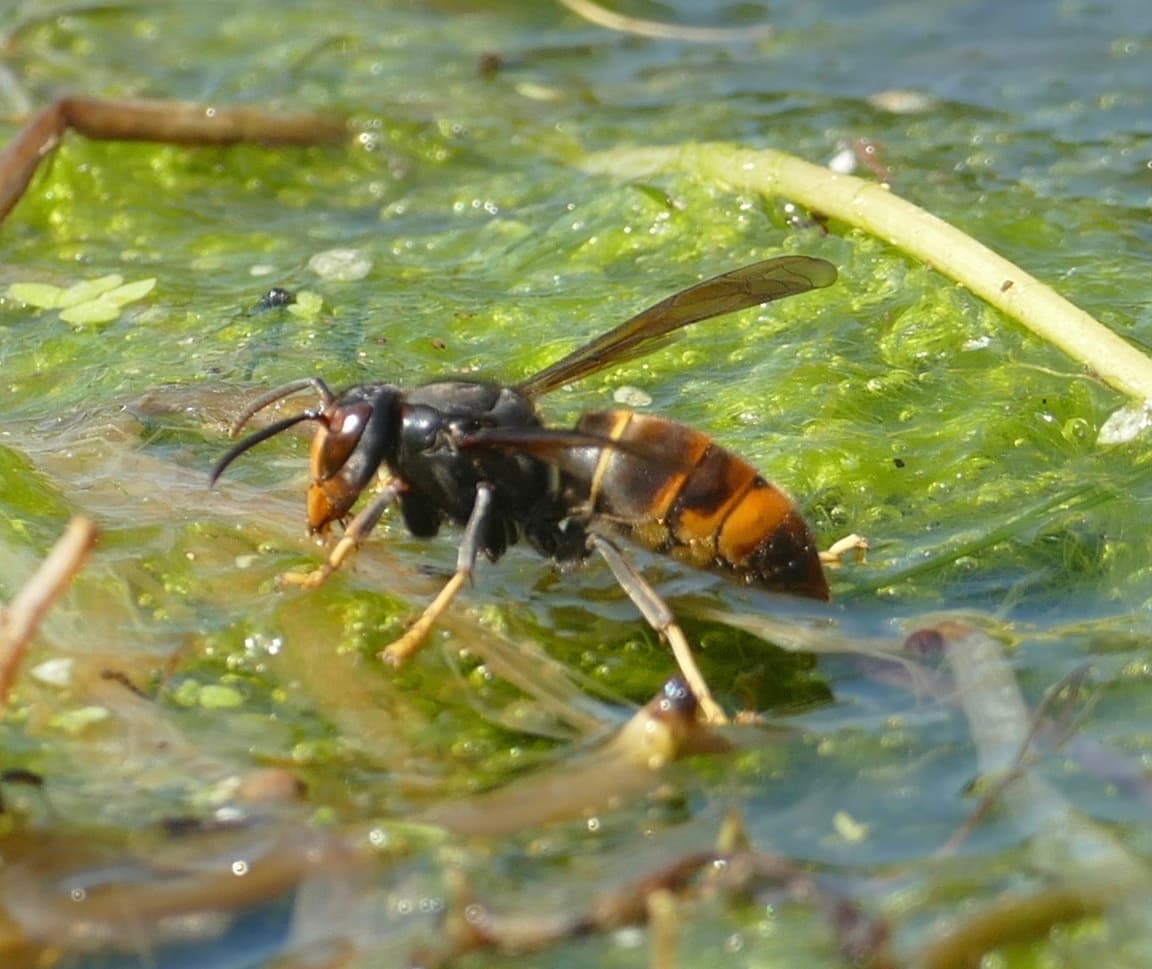
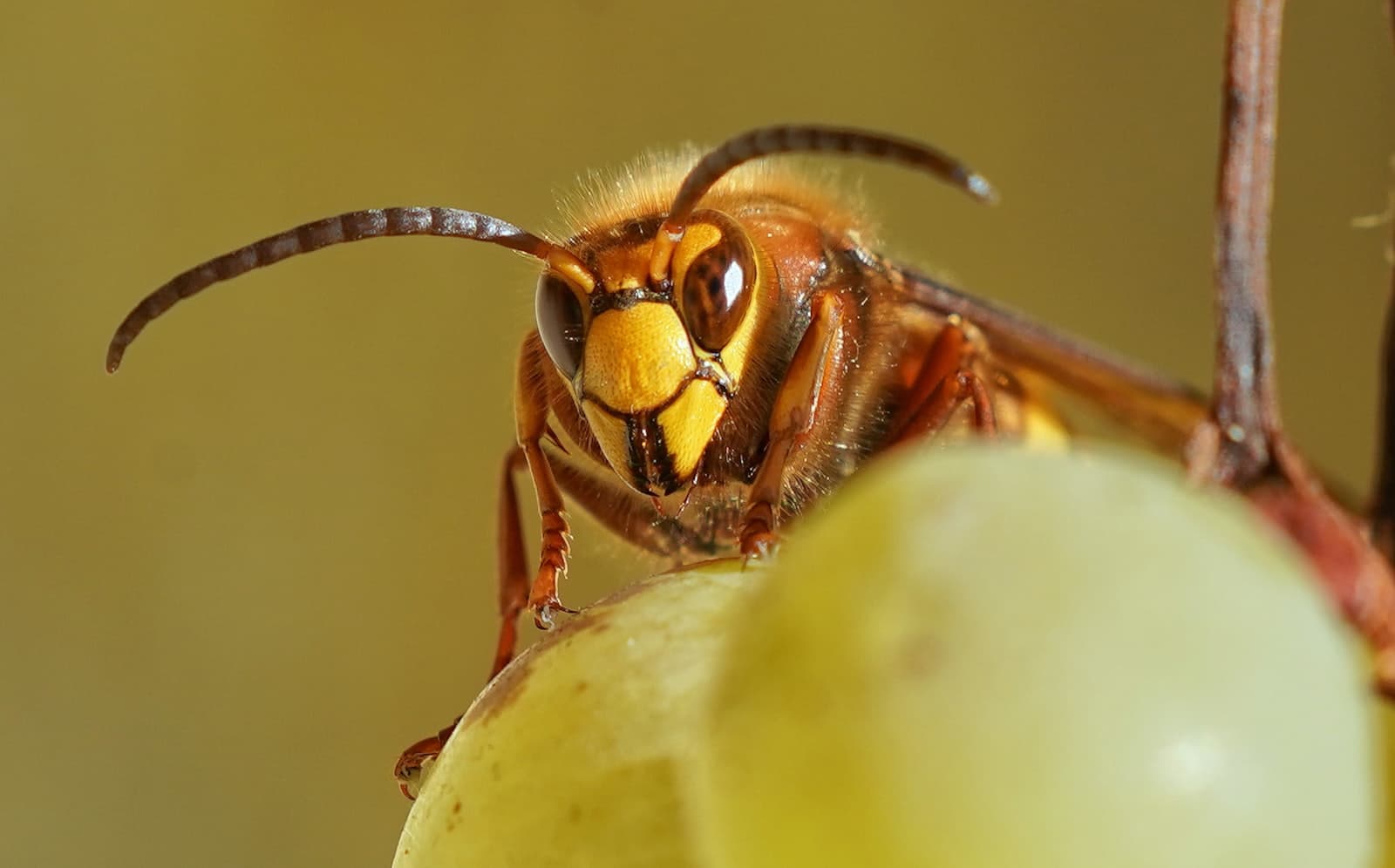
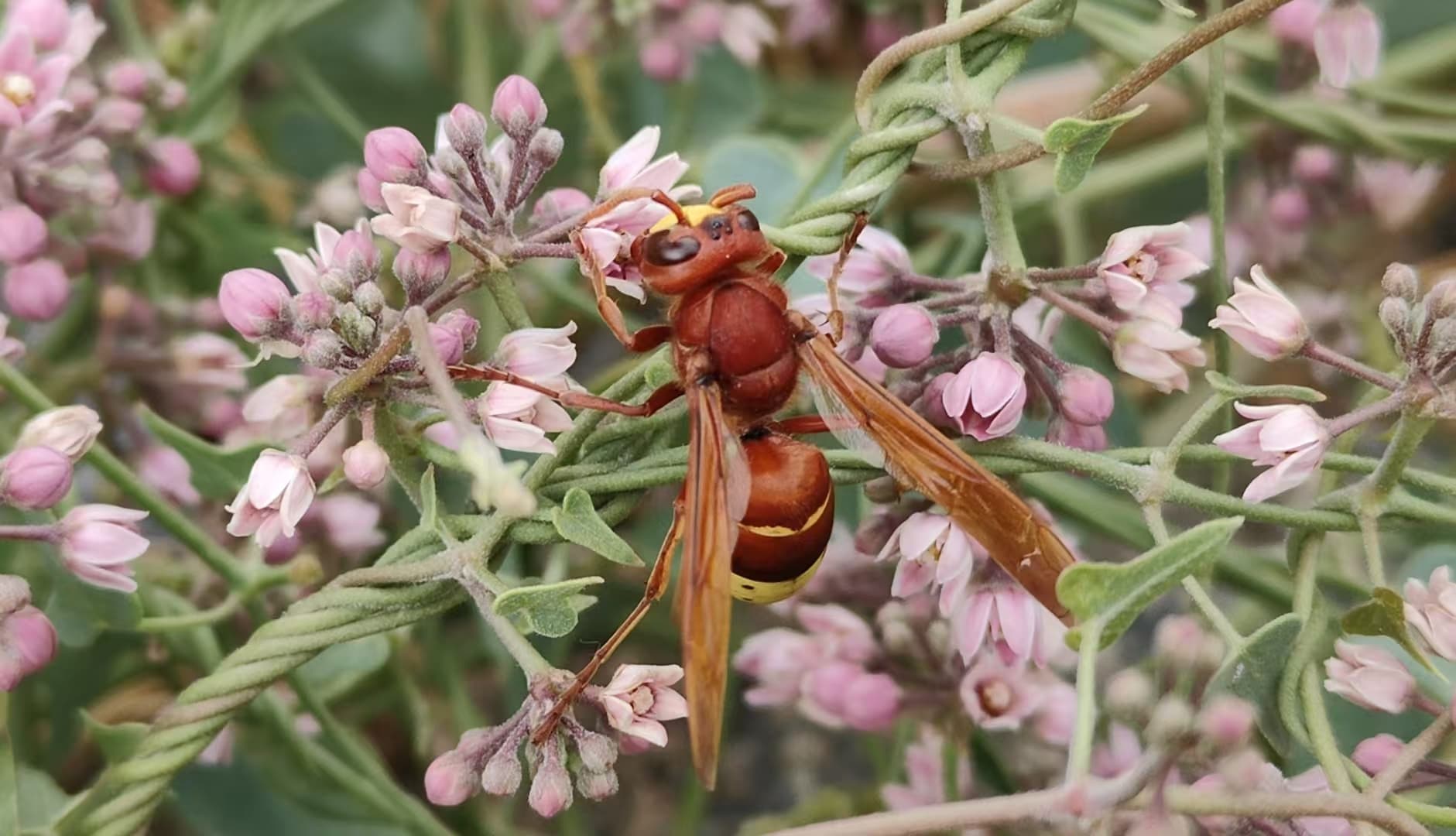
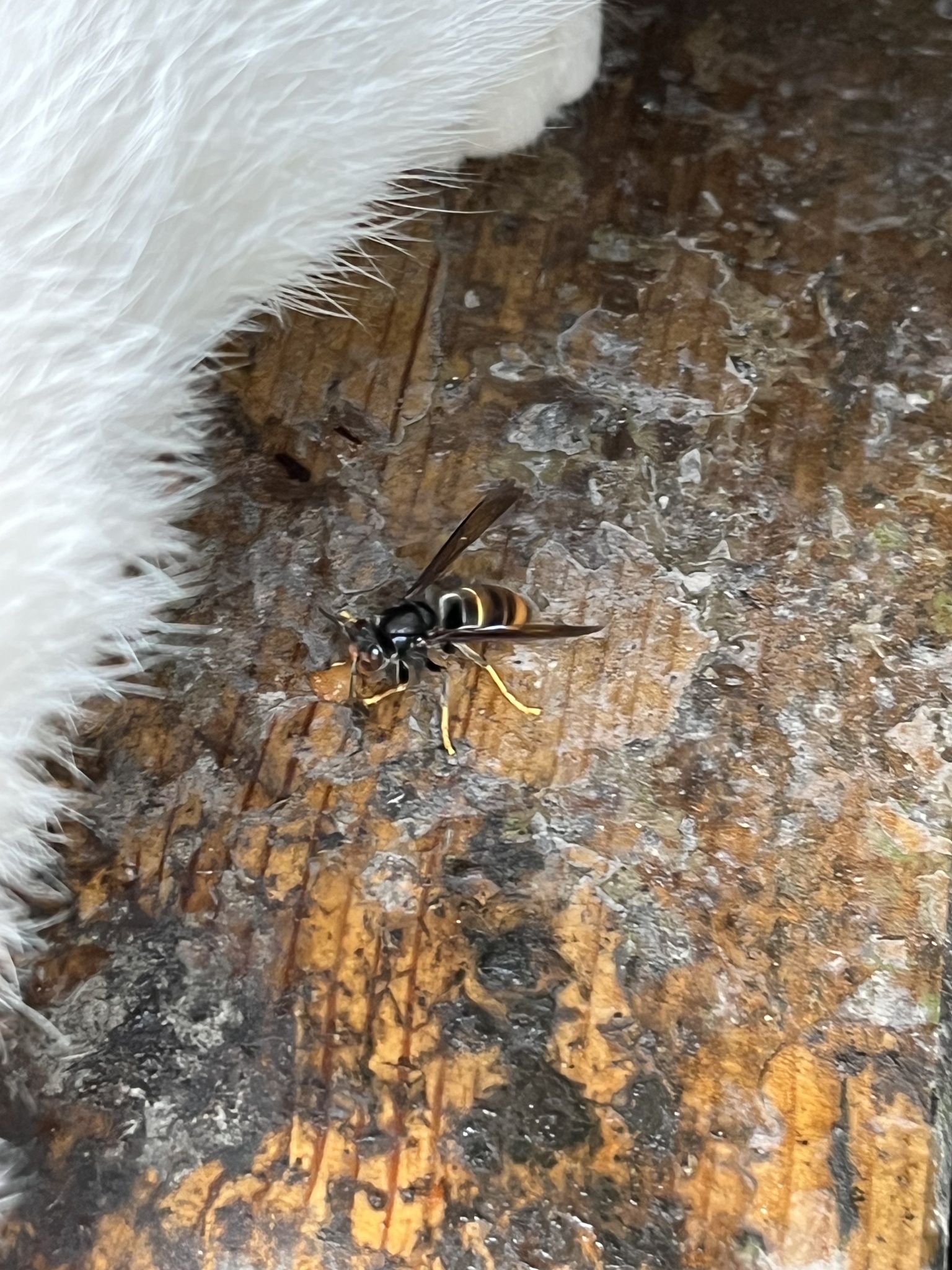
On 16 July 2026, the Moselle prefecture hosted the first steering committee dedicated to fighting the Asian hornet (Vespa velutina). Bringing together the State, the fire and rescue service (SDIS), the Department, the GDSA (beekeeping health defence group) and Matec (Moselle technical agency), this meeting marks a turning point: Moselle is moving from ad-hoc management to a coordinated departmental strategy, in application of Law no. 2025-237 of 14 March 2025.
Figures that justify urgency
The spread of the Asian hornet in Moselle is spectacular:
- 61 interventions in 2024
- 250 interventions in 2025
That is a more than fourfold increase in a single year. This leap is explained both by the natural expansion of the species and by greater public awareness, leading to more nest reports. But the challenge remains enormous: every nest not destroyed in time releases foundresses that will swarm the following spring.
€12 million in annual damage to bees
The beekeeping sector is the first victim of this invasion. Damage caused by the Asian hornet to bee colonies is estimated at €12 million per year nationally. In Moselle, beekeepers are witnessing increasing predation: the hornet, stationed at the hive entrance, captures foraging bees in flight, gradually weakening the colony until it collapses.
Early destruction of nests is therefore an economic as well as ecological issue. That is why the steering committee has made it a priority to be "at battle stations" from autumn 2026 for queen trapping.
Funding still insufficient
Despite the urgency, resources are struggling to keep up. The State has released a national envelope of €3 million to fight the Asian hornet, which represents only €20,000 for Moselle. Yet the SDIS estimates that €200,000 is needed just for insecticide products to treat reported nests effectively.
This gap illustrates the tension between the ambitions of the national plan and local budget realities. Contrary to what one might think, the 2025 law does not provide automatic funding for the destruction of every nest: coverage depends on the choices of municipalities and the department, which vary widely from one area to another.
The operational role of Matec
Matec (Moselle technical agency) has been appointed as the operational "armed wing" of this departmental fight. This body will coordinate logistics, team training, product procurement and the planning of trapping campaigns. Its activation is a novelty: until now, nest destruction relied mainly on firefighters, beekeepers and private companies, without a unified framework.
This departmental deployment follows the logic of the departmental plans provided for by the implementing decree of 29 December 2025, which entrusts each prefect with the organisation of the fight on their territory.
What to do if you spot a nest in Moselle?
Reporting remains the first reflex. A nest spotted early is a nest destroyed before new foundresses swarm in autumn. In Moselle, several channels exist:
- the departmental reporting platform
- the town hall of your municipality
- the local hornet contact, now integrated into the departmental plan
Be careful not to confuse the primary nest of spring (tennis-ball sized, often near the ground) and the secondary nest of summer (spherical and bulky, high up). To learn to tell them apart, read our guide on recognising an Asian hornet nest and reacting safely.
Do not intervene alone
No plan, however well organised, makes self-intervention safer. Destroying an Asian hornet nest yourself remains dangerous: the colony attacks as a group and multiple stings can cause severe reactions, especially in allergic people. The same safety rules as for a wasp nest apply: never block the entrance, do not spray water or aerosols, do not work at height.
Antinuisible Pro operates throughout the region
Destroying an Asian hornet nest requires full protective equipment, a suitable telescopic pole and the right product applied at the right time. Our technicians neutralise the colony, remove the nest and secure the area, in line with the departmental procedure.
Discover our wasp and hornet nest destruction services and our protections and selective traps to limit foundress pressure in spring. Also see our transparent pricing and the list of our intervention zones.
Spotted a nest near you? Contact our experts for a fast, safe intervention. In an emergency, our dedicated line is available on the Emergency page.
Related articles:
A pest problem?
Our experts act fast and for good. Request a free assessment.
Request a free quoteOur services