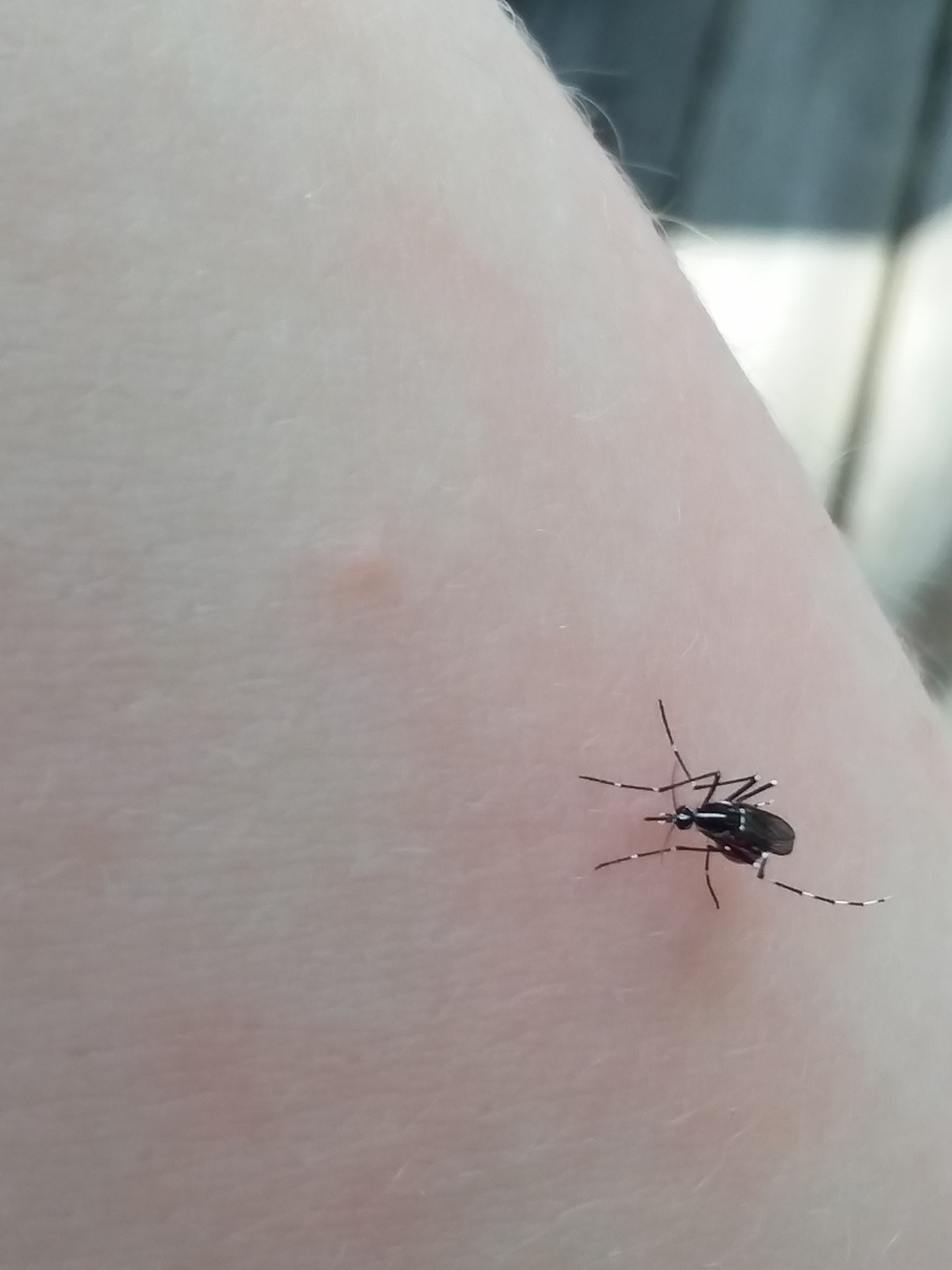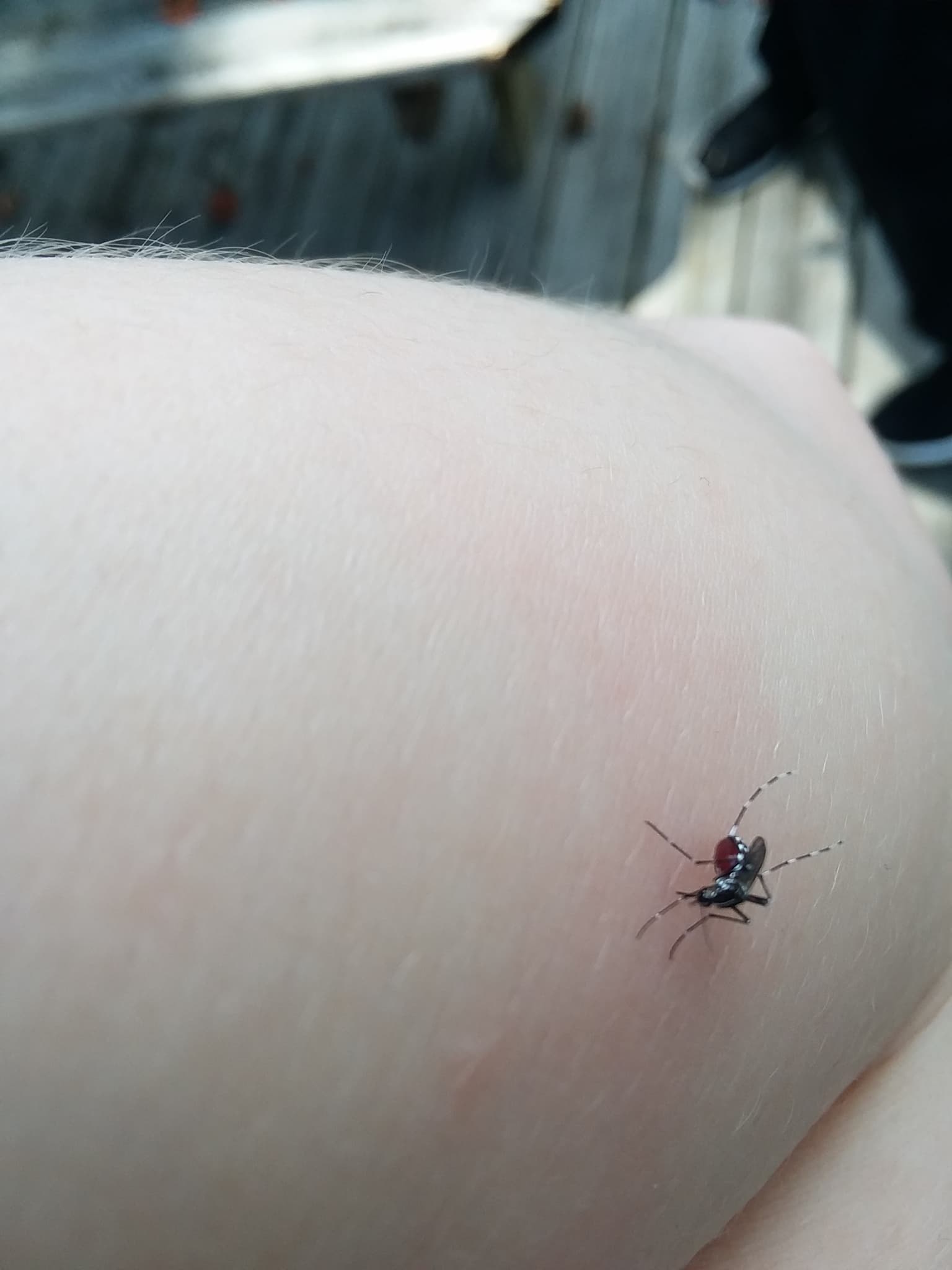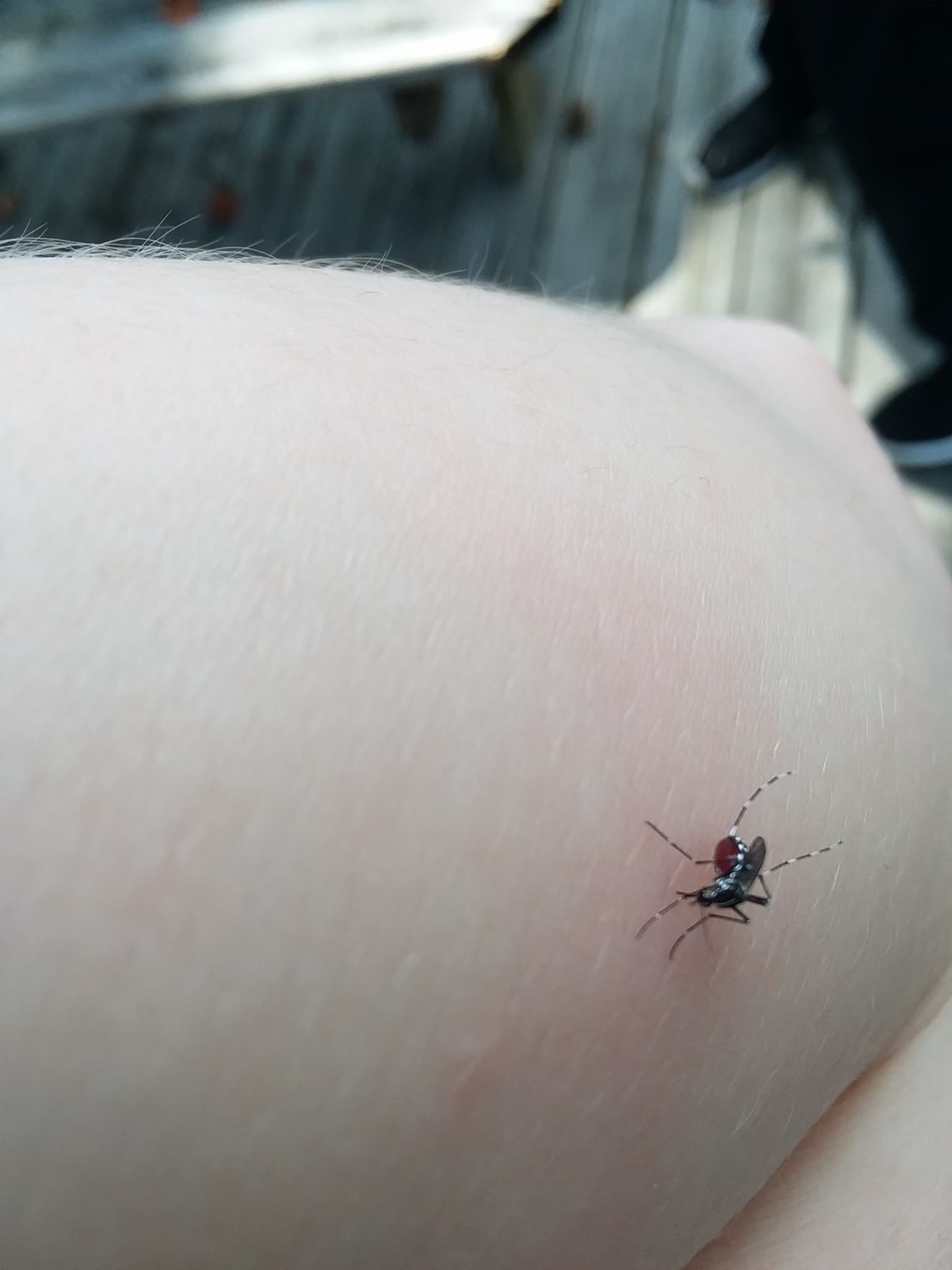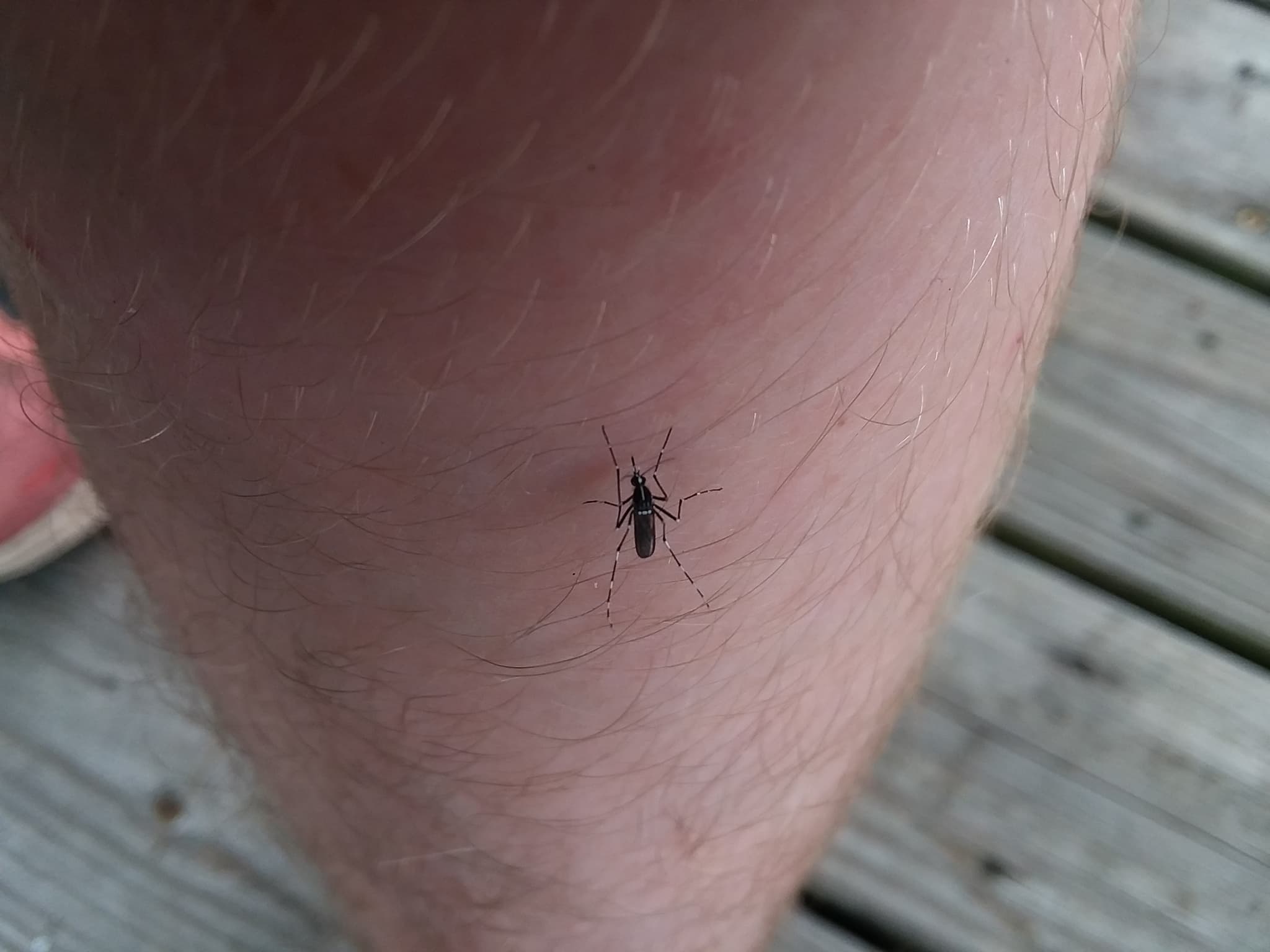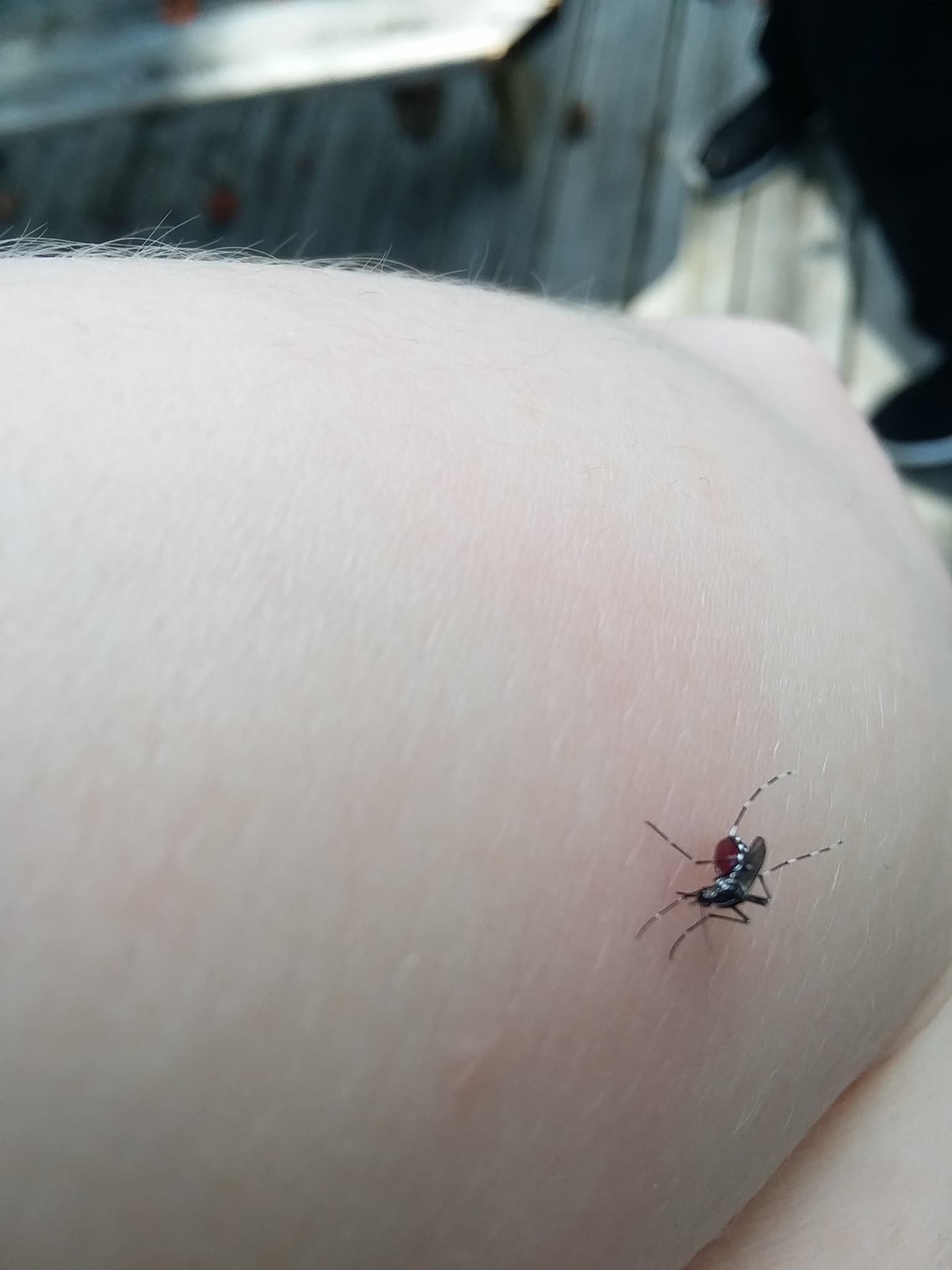
Since 18 July 2026, the commune of Sainte-Eulalie, in the Bordeaux metropolitan area (Gironde), has been releasing 200,000 sterilised male tiger mosquitoes per week across 68 hectares around the Saint-Exupéry education hub. The operation, set up with the Montpellier-based start-up Terratis and the New-Aquitaine operator Altopictus, is the first of its kind in Gironde and the largest French Sterile Insect Technique (SIT) trial after the conclusive pilots run in Brive-la-Gaillarde (2025) and the spectacular results achieved in Valencia and Bologna (70-80% sterility) or in La Réunion (60%). The stated goal is a 50% drop in fertility as early as the first year, climbing to 90% within two years. Here is how the method works, what it concretely changes, and what it will not replace in the fight against the tiger mosquito in France.
The Sterile Insect Technique (SIT): the principle
SIT is a biological-control method more than 70 years old, used successfully against the screwworm fly (USA, 1960s), the Mediterranean fruit fly, and several mosquito species. The principle is as simple as it is effective: mosquitoes are mass-reared in laboratories, the males are sterilised by X-ray irradiation, then released into the wild. These sterile males mate with wild females, but the eggs laid do not hatch. Over the weeks, the local population collapses.
Four key steps
- Industrial rearing of mosquitoes at the larval stage in Terratis' insectarium in Montpellier. Larvae are size-sorted to separate males from females (males are smaller), since only females bite.
- Sterilisation of adult males by exposure to a controlled dose of X-rays that damages their gametes without killing them. The males remain sexually competitive — they seek out females and mate — but transmit no offspring.
- Transport and release: sterile mosquitoes are shipped at 6 °C in insulated boxes to the release site, then dropped from an Altopictus vehicle, by drone, or by hand depending on the urban setting.
- Mating with wild females: the female tiger mosquito mates only once in her life. If she mates with a sterile male, every egg she lays afterwards — several hundred over her lifetime — is non-viable. This amplification mechanism is what makes the method so powerful.
Why males and not females
Females, alone, bite humans to take the blood meal required to mature their eggs. Males feed exclusively on nectar and do not bite. By releasing only sterile males, the population is reduced without adding bites.
Sainte-Eulalie, first in Gironde: what the protocol says
The commune of Sainte-Eulalie, on the right bank of the Garonne 12 km north-east of Bordeaux, was selected for three concrete reasons:
- A dengue case in 2025 on the commune, a sign of real vector pressure.
- Population density around the Saint-Exupéry education hub (primary schools, middle school, high school, after-school care), which justifies prioritising protection of children and families.
- Municipal commitment: the town hall, led by Hubert Laporte (also president of the Communauté des communes des Deux Rives), agreed to fund the €35,000 operation from its municipal budget.
The protocol plans a weekly release of 200,000 sterile males, for a total of 2.5 million individuals over the year. The covered area is 68 hectares, around some 700 households. Releases take place at dawn or at the end of the day, when tiger mosquitoes are most active and when the temperature limits their post-release mortality.
Early feedback
Brive-la-Gaillarde, the first New-Aquitaine commune to have tested SIT in 2025, documented a 50% drop in the tiger mosquito population after the first season. The European cities of Valencia (Spain) and Bologna (Italy) record 70 to 80% sterility after two years of campaign, and La Réunion documented 60% effectiveness on Aedes albopictus. In Sainte-Eulalie, the first effectiveness measurement is expected by the end of summer 2026, with a full review in autumn.
What SIT will not replace
Anses (the French Agency for Food, Environmental and Occupational Health & Safety) remains cautious and recalls, in its 2025 opinion on SIT, that current data prove effectiveness on the reduction in the hatching rate, but still lack evidence of epidemiological effectiveness — that is, the actual drop in transmission of dengue, chikungunya and Zika. SIT is therefore a complementary tool, not a substitute for the other control measures.
Removing breeding sites remains the first action
80% of tiger mosquito breeding sites are located on private property, not in public space. As long as saucers, buckets, watering cans, tarp folds, manholes and siphons stay full of water, wild females find oviposition sites for eggs fertilised by non-sterile males that escape the release. SIT works best when the demographic pressure on wild females is high at the time of releases.
Personal protection remains essential
SIT does not provide 100% protection against bites: females already mated before the release keep biting for several weeks. Skin repellents (DEET 30-50%, icaridin, IR3535), long clothing, mosquito nets and fans remain necessary, especially for elderly people, pregnant women and infants.
Chemical mosquito control remains the emergency tool
In the event of a confirmed indigenous case (as in Sète in early July 2026, Castres in October 2025, and Île-de-France in July 2026), the ARS triggers targeted mosquito control within a 150-200 m radius, with a Bti larvicide on non-removable breeding sites and an adulticide by ultra-low-volume fogging in the evening. SIT does not replace it: it is a background barrier, not a fire extinguisher.